
Finding a secure, easily accessible spot for your sunglasses while driving is a subtle but persistent challenge for many car owners. A dedicated sunglass holder for car dashboards offers a practical solution, keeping your eyewear within your immediate line of sight and reach without requiring you to fumble through a cluttered glove compartment or center console. However, selecting the right holder is not a one-size-fits-all decision; the optimal choice depends heavily on your vehicle’s specific dashboard geometry, surface materials, and safety configurations.
To choose the best dashboard-mounted holder, you must balance convenience with physical compatibility. A holder that adheres beautifully to a flat, hard plastic dashboard in one car might slide off a curved, leather-wrapped surface in another, or worse, damage a premium soft-touch finish. By evaluating your dashboard’s layout, understanding the mechanical designs available, and accounting for environmental factors like Singapore’s intense tropical heat, you can select an accessory that keeps your sunglasses safe, clean, and instantly accessible.
Safety First: Airbags, Sightlines, and Dashboard Mounting
Before purchasing or installing any dashboard accessory, establishing clear safety boundaries is paramount. Your vehicle’s dashboard is not merely a flat shelf; it is a highly engineered safety interface housing critical passenger restraint systems. The most significant danger of mounting a sunglass holder on your dashboard is the accidental obstruction of passenger airbag deployment zones. Airbags deploy with explosive force in milliseconds, and any object placed in their path can become a dangerous projectile, causing severe injury to occupants. You must consult your vehicle’s owner’s manual to locate the exact boundaries of all dashboard-integrated airbags and ensure your chosen holder sits completely clear of these deployment zones.
Products mentioned in this guide
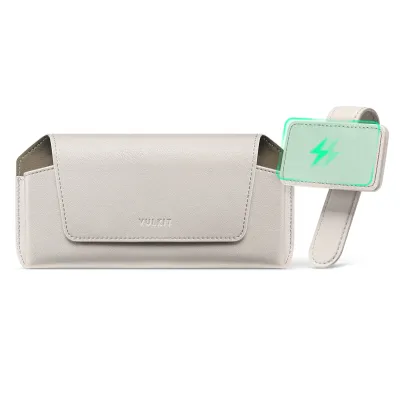
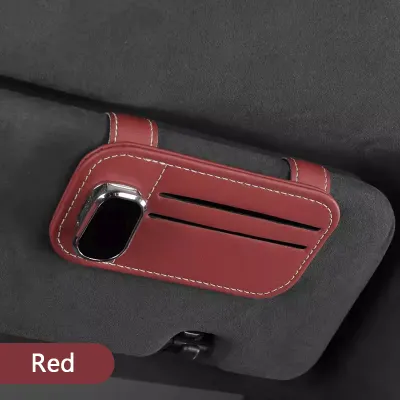
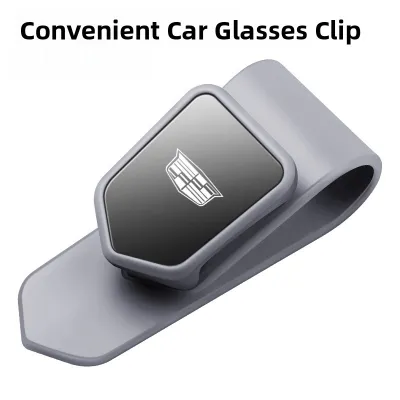
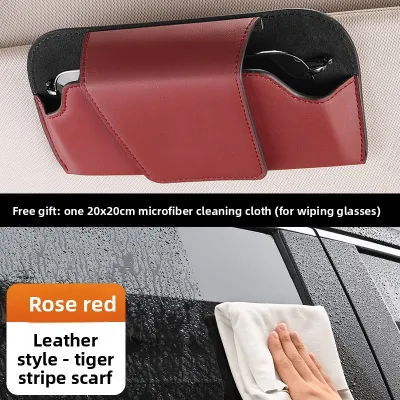
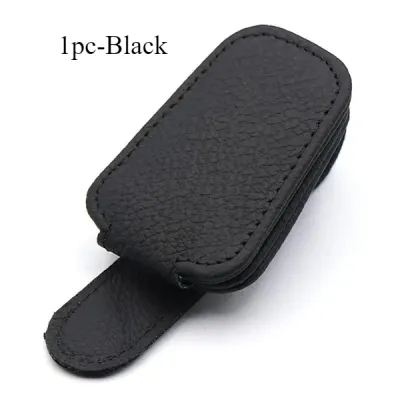

Prices are valid at publication and may change. Please refer to the product page for the latest price.
Beyond airbag safety, physical placement must not compromise your primary driving sightline. Mounting a bulky holder directly in your central field of vision can create dangerous blind spots, particularly when navigating tight corners or pedestrian crossings. Furthermore, high-gloss or poorly positioned accessories can catch the intense sun, generating distracting reflections and windshield glare that impair your visibility. Position the holder low enough on the dashboard to remain below the hood line from your driving perspective, ensuring your view of the road remains entirely unobstructed.
Finally, ensure the holder does not interfere with the physical operation of your vehicle’s primary controls. The accessory must not block your view of the instrument cluster or impede your access to the steering wheel. It should also be positioned so that it does not obstruct your central infotainment screen, rearview camera displays, or climate control vents. A well-placed holder should blend seamlessly into your driving routine, providing effortless access to your eyewear without requiring you to stretch, lean, or divert your attention from the road ahead.
How to Assess Your Dashboard Layout for Mounting
Selecting a compatible mounting mechanism requires a thorough inspection of your vehicle’s dashboard surface material and physical geometry. Dashboards are constructed from a wide variety of materials, ranging from hard, smooth plastics to textured polymers, vinyl, soft-touch synthetics, and genuine leather. Each of these materials interacts differently with adhesives and suction mounts. While hard, flat plastics provide an ideal surface for double-sided acrylic adhesives, textured or pebbled surfaces prevent these tapes from forming a complete airtight seal, leading to premature failure.

Dashboard geometry is equally critical. Modern car interiors frequently feature sweeping curves, sloping angles, and multi-tiered designs rather than flat horizontal planes. A rigid, flat-bottomed accessory will not sit flush on a curved dashboard, leaving gaps that concentrate stress on small sections of the adhesive pad. Additionally, you must observe the proximity of your proposed mounting site to the air conditioning vents. Constant exposure to cold airflows can cause localized condensation, while the surrounding plastic may expand and contract with temperature shifts, both of which severely degrade adhesive bonds over time.
To ensure a successful installation, physically measure the available space on your dashboard before making a purchase. Consider the clearance required not just for the holder itself, but for its fully open or deployed state. A flip-down holder, for instance, requires clear vertical space to swing open without striking the windshield or blocking a digital display. By mapping out these dimensions and identifying the exact material of your mounting zone, you can narrow down your options to the mechanisms that will hold secure without damaging your vehicle’s interior.
Best Types of Sunglass Holder for Car Dashboards
When exploring the market, you will find that dashboard-mounted sunglass holders generally fall into three distinct design categories. Each type is engineered to solve specific storage challenges, offering unique trade-offs in terms of accessibility, protection, and installation requirements. Rather than focusing on specific brand names, drivers should evaluate these categories based on how their mechanical designs align with daily driving habits and cabin layouts.
Adhesive Flip-Down Holders
Adhesive flip-down holders are dedicated, compact cases designed specifically for a single pair of glasses. These units typically utilize high-strength, double-sided automotive tape to mount directly to a flat section of the dashboard. When you press a release button or pull a tab, the front cover swings downward to reveal your sunglasses, which are held securely inside a molded cradle.
The primary advantage of this design is its streamlined, space-saving footprint and its ability to protect your eyewear from dust and direct sunlight. Because the case remains closed when not in use, your sunglasses are shielded from UV exposure, which can otherwise degrade plastic frames and lens coatings over time. Additionally, most high-quality flip-down holders are designed for simple, one-handed operation, allowing you to retrieve or store your glasses with a single fluid motion while keeping your eyes on the road.
However, these holders have strict installation limitations. They require a completely flat, smooth, and hard plastic surface to establish a reliable adhesive bond. If mounted on a curved or heavily textured dashboard, the rigid base of the holder cannot conform to the shape, resulting in a weak attachment that is prone to falling off under the vibration of daily driving. Furthermore, they are unsuitable for delicate soft-touch or leather-wrapped dashboards, as the permanent adhesive can tear or discolor these premium materials if you ever need to remove the holder.
Multi-Compartment Dashboard Storage Boxes
For drivers who need to organize more than just a single pair of sunglasses, multi-compartment dashboard storage boxes offer a comprehensive organization solution. These are larger, enclosed organizers that sit atop the dashboard, featuring dedicated, fleece-lined slots alongside separate compartments for items like parking access cards, coins, keys, or charging cables.
These storage boxes are ideal for larger vehicles, such as SUVs or MPVs, which often have expansive, flat dashboard areas that otherwise go unused. By consolidating multiple small items into a single, centralized location, these organizers significantly reduce cabin clutter and prevent loose items from sliding around the dashboard during sharp turns. The dedicated sunglass compartments within these boxes are typically deep and heavily padded to prevent scratches.
To remain secure without sliding, these larger boxes rely on either heavy-duty adhesive bases or weighted, high-friction silicone pads. While they offer excellent storage capacity, their larger physical footprint is their main drawback. They require a significant amount of flat, unobstructed dashboard space and can easily block driver sightlines if positioned incorrectly. Drivers must carefully measure their dashboard depth and windshield angle to ensure a storage box of this size will fit comfortably without creating a massive blind spot or reflecting heavily onto the glass.
Non-Slip Silicone Mats with Sunglass Grooves
If your vehicle features a heavily curved, textured, or leather-wrapped dashboard where adhesives are either impractical or unsafe, non-slip silicone mats with integrated sunglass grooves provide an excellent alternative. These flexible mats are made from high-friction, food-grade silicone that naturally clings to curved and textured surfaces without the need for sticky adhesives or tape.
The design of these mats is elegantly simple: they feature molded silicone ridges, lips, or dedicated indentations specifically shaped to cradle the frame of your sunglasses. Because the silicone material is naturally soft and flexible, it acts as a shock absorber, dampening road vibrations and preventing your glasses from rattling or sliding out of place during sudden stops or sharp cornering. This makes them the safest option for premium interiors, as they leave absolutely no adhesive residue and can be lifted, washed, and repositioned at any time without damaging delicate dashboard finishes.
The primary trade-off of this open-mat design is exposure. Unlike fully enclosed flip-down holders or storage boxes, sunglasses resting in a silicone groove remain completely exposed to the cabin environment. This means they will accumulate dust over time and are subject to direct sunlight, which can heat up metal frames to uncomfortable temperatures. For drivers who park in shaded areas or use their sunglasses constantly, this quick-access design is highly efficient, but those who leave their cars parked in the open sun for extended periods may find the lack of thermal protection a disadvantage.
Key Features to Check Before Buying
When browsing online marketplaces for a sunglass holder for car use, it is easy to be swayed by low prices or sleek product photos. However, to ensure you receive a durable, high-performing accessory, you should evaluate several critical design features before making a purchase.
First and foremost, inspect the interior lining of the holder. Any surface that comes into contact with your sunglasses must be covered in a soft, non-abrasive material such as microfiber, velvet, felt, or high-density flocking. Bare plastic or rough silicone interiors will inevitably scratch your lenses and scuff your frames over time due to the constant micro-vibrations experienced while driving. If a product description does not explicitly mention a soft interior lining, it is best to look elsewhere.
Next, evaluate the mechanical build quality of the opening and closing mechanisms. For flip-down or spring-loaded holders, look for models that feature built-in dampening mechanisms or smooth magnetic closures. Cheaply made holders often rely on stiff plastic latches that wear down quickly, leading to annoying rattles while driving or, worse, causing the holder to burst open unexpectedly when you drive over speed bumps. A strong magnetic closure or a soft-opening dampener ensures silent operation and long-term reliability.
You must also verify the internal dimensions of the holder against the specific sunglasses you plan to store. Many compact, streamlined holders are designed for standard prescription eyeglasses or slim wire-framed sunglasses. If you wear oversized fashion glasses, thick-framed aviators, or curved sports wraparounds, they may not fit inside a standard flip-down holder, preventing it from closing securely. Measure the width, height, and folded depth of your sunglasses and compare them to the product’s internal specifications.
Finally, pay close attention to the materials used in the holder’s construction. The product must be rated for high-temperature resistance. Look for holders manufactured from UV-stabilized ABS plastic, polycarbonate, or premium silicone. Cheap, non-stabilized plastics will quickly become brittle, warp, or discolor under constant sun exposure, leading to mechanical failure within a few months of use.
Installation and Heat Resistance in Singapore's Climate
Operating a vehicle in Singapore presents unique environmental challenges that directly impact automotive accessories. The tropical climate means daily temperatures are consistently high, and a car parked in an open-air lot under the intense sun can easily experience cabin temperatures exceeding 60 degrees Celsius. This extreme heat is the primary enemy of dashboard accessories, as it can melt standard adhesive backings, cause low-grade plastics to off-gas unpleasant odors, and warp structural components.
To ensure your dashboard-mounted holder survives these harsh conditions, you must select products made from high-temperature, UV-stable materials. High-grade silicone and heat-resistant ABS plastics are excellent choices because they maintain their structural integrity and do not emit harmful chemical fumes when heated. When using adhesive-mounted holders, it is highly recommended to replace the generic double-sided tape that often comes pre-applied with premium, heat-resistant automotive acrylic foam tape, which is specifically formulated to withstand extreme cabin temperatures without losing its grip.
Proper surface preparation is the single most critical factor in achieving a permanent, heat-resistant adhesive bond. Follow these step-by-step instructions to install your holder securely:
- Verify Material Compatibility: First, check your vehicle's owner's manual or contact the manufacturer to confirm the exact material of your dashboard. Never apply strong adhesives to genuine leather, vinyl, or soft-touch coated plastics, as these materials can tear or peel upon future removal.
- Clean the Surface: Clean the exact mounting area thoroughly using a clean microfiber cloth moistened with isopropyl alcohol (rubbing alcohol). This step is essential to remove all dust, fingerprint oils, and dashboard protectants or silicone polishes, which prevent adhesives from bonding. Allow the surface to dry completely for several minutes.
- Apply and Press: Peel the backing from the adhesive tape, carefully align the holder in your pre-determined safe location, and press it firmly onto the dashboard. Apply even, heavy pressure across the entire base of the holder for at least 30 to 60 seconds to activate the pressure-sensitive adhesive.
- Allow to Cure: Do not place your sunglasses inside the holder immediately. Allow the adhesive to cure undisturbed for at least 24 hours (preferably 48 hours in Singapore's humid climate) before subjecting it to any load or mechanical use. This curing period allows the adhesive to flow into the microscopic pores of the plastic and establish a maximum-strength bond.
Frequently Asked Questions (FAQ)
Can I mount a sunglass holder on a textured dashboard?
Standard thin double-sided adhesive tapes generally struggle to maintain a secure bond on textured, pebbled, or grain-patterned dashboards because the uneven surface prevents full contact. If your dashboard is textured, the most reliable option is to use a non-slip silicone mat with molded grooves, which naturally conforms to the texture without adhesives. Alternatively, if you must use an adhesive mount, you can replace the standard tape with a thick, heavy-duty polyurethane foam-core automotive tape designed to conform to uneven surfaces, though you should be prepared for potential adhesive residue or surface wear when removing it later.
Will the adhesive damage my dashboard leather or soft-touch materials?
Yes, strong automotive adhesives can easily cause permanent damage to premium interior surfaces. When applied to genuine leather, vinyl, or delicate soft-touch synthetic coatings, the chemical bond of the adhesive can strip away the top protective layer, tear the material, or leave deep, unsightly stains upon removal. For these delicate surfaces, you should avoid adhesive-mounted products entirely and opt for weighted, non-slip silicone mats. If you are uncertain about your dashboard’s material or want to test an adhesive, always consult your vehicle’s care instructions first, and perform a small test on a hidden, low-visibility area of the interior before committing to a prominent dashboard mount.
Community discussion
Share your experience or ask a question. Comments are reviewed before publication.