
Finding relief from Singapore’s relentless year-round heat and high humidity requires a strategic approach to your car’s interior. When your vehicle sits under the tropical sun, cabin temperatures can soar rapidly, turning standard seats into heat traps that cling to your back and thighs. To keep your drive comfortable, the ideal cooling seat cover must facilitate continuous airflow, manage moisture effectively, and integrate safely with your vehicle’s existing safety systems. Choosing the right option involves understanding how different materials interact with tropical humidity and verifying that any aftermarket accessory does not interfere with critical safety features like side airbags or occupancy sensors.
Why Standard Seat Covers Trap Heat in Tropical Climates
Leaving your car parked in an open-air lot in Singapore quickly demonstrates the greenhouse effect in action. Shortwave solar radiation passes through the windshield and windows, warming the dashboard, steering wheel, and seats. These interior components then radiate longwave infrared heat, which cannot easily escape back through the glass. Dark, dense materials—particularly genuine leather or heavy synthetic vinyl—possess high thermal mass, meaning they absorb large amounts of this thermal energy and retain it long after you turn on the air conditioning. When you sit down, your body heat is trapped against these pre-heated surfaces, creating an immediate and persistent sensation of discomfort.
Standard automotive leather and thick synthetic fabrics lack the microscopic pathways necessary for heat dissipation. Instead of allowing heat to rise and escape, these materials act as thermal barriers, reflecting your own body heat back toward you. Even when the cabin air temperature begins to drop due to the air conditioning system, the physical contact point between your body and the seat remains insulated, preventing the localized cooling needed for a comfortable drive.
Products mentioned in this guide
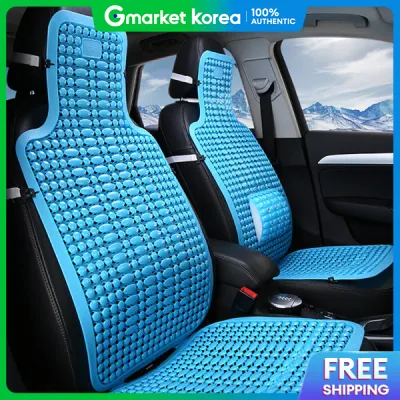
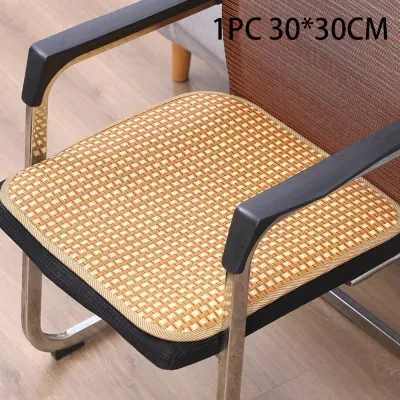
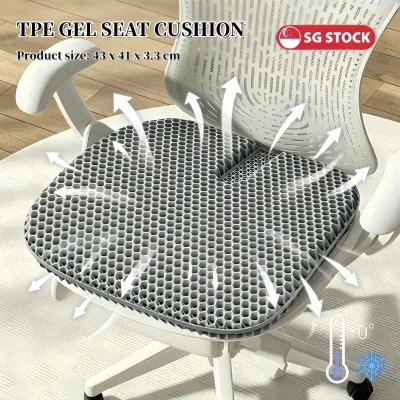
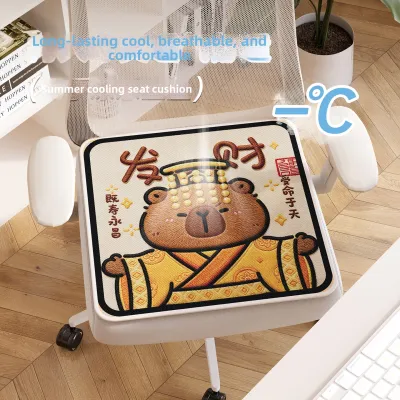
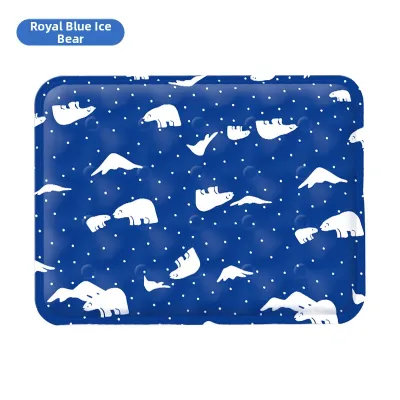
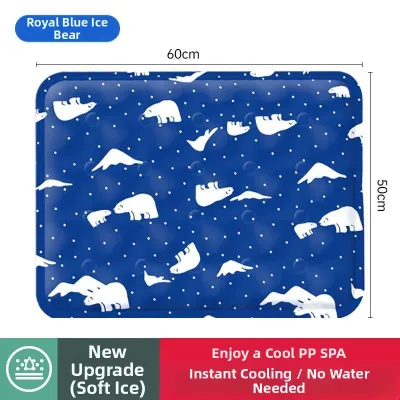

Prices are valid at publication and may change. Please refer to the product page for the latest price.
This thermal retention is severely compounded by Singapore’s high ambient humidity, which frequently hovers above 80 percent. In a dry climate, your body cools itself efficiently through the evaporation of sweat. However, when the air is already saturated with moisture and you are pressed against a non-porous seat surface, sweat cannot evaporate. The moisture remains trapped between your skin, clothing, and the seat cover, leading to a sticky, humid microclimate that intensifies the perception of heat and causes clothing to cling uncomfortably.
Evaluating Materials for Breathability and Moisture Management
To combat tropical heat passively, you must select materials designed to maximize ventilation and manage moisture. Mesh and 3D spacer fabrics represent some of the most effective passive options available. These materials feature a multi-layered structure with a porous top layer and a resilient, woven middle layer that maintains a physical gap between your body and the seat. This open-space design allows air to circulate freely beneath you, promoting natural heat dissipation and pressure distribution. When evaluating 3D spacer fabrics, check the manufacturer’s specifications regarding compression resistance; high-quality spacer mesh should maintain its structural loft and airflow pathways even under the weight of an adult driver over long journeys.

Natural fibers offer another viable pathway for managing tropical discomfort due to their inherent breathability and moisture-wicking properties. Materials such as cotton, linen, and woven bamboo do not trap heat the way synthetics do. Bamboo, in particular, is often configured into flat, segmented beads or woven panels that allow air to pass through the gaps while remaining cool to the touch. These natural fibers excel at absorbing initial perspiration and drying relatively quickly, provided there is some ambient airflow within the cabin. However, they require regular maintenance to ensure they do not retain moisture over long periods of high-humidity exposure.
Conversely, several common seat cover materials should be strictly avoided if cooling is your primary goal. Thick neoprene, while excellent for water resistance and durability, acts as a wet-suit material that traps body heat and prevents any air exchange. Non-perforated faux leather or vinyl behaves similarly, sealing off airflow and creating a hot, sticky contact patch. Dense velour and heavy woven polyesters also trap heat within their fibers, making them highly unsuitable for Singapore’s climate. When shopping, prioritize open-weave structures and verify that any synthetic material is specifically rated for high breathability.
Comparing Active and Advanced Cooling Technologies
For drivers seeking more than passive ventilation, active cooling technologies offer a direct method to lower contact temperatures. Fan-powered ventilated seat covers utilize small, integrated fans—usually located at the base or lower back of the cushion—to actively draw cabin air and push it through a network of internal channels to your back and thighs. These systems typically plug into your vehicle’s 12V auxiliary power outlet or a USB port. Before purchasing, verify the power requirements and ensure your vehicle’s outlet can safely support the device’s current draw. Additionally, consider the noise level of the integrated fans; while they provide direct airflow, some models can produce a noticeable hum that may compete with your car’s audio system or road noise.
Another category of advanced cooling involves gel-infused pads and phase-change materials (PCMs). These covers rely on specialized substances that absorb heat from your body, providing an immediate, cool-to-the-touch sensation when you first sit down. However, these materials have physical limits; they work by absorbing heat until they reach thermal equilibrium with your body. Once the gel or PCM becomes saturated with heat, the cooling effect stops, and the cover can begin to act as an insulator, trapping heat against you. These are best suited for short commutes rather than extended drives, as they require time away from a heat source to dissipate the absorbed energy and reset their cooling properties.
Water-evaporation cooling pads, which rely on the latent heat of vaporization to lower temperatures, are highly inefficient in Singapore. Because these systems depend on water evaporating into the surrounding air to create a cooling effect, they require a dry environment to function properly. In Singapore’s highly humid air, the evaporation rate is extremely slow, rendering these pads ineffective and potentially adding unwanted moisture to your car’s interior. Stick to fan-powered ventilation or highly breathable passive mesh for consistent performance in tropical climates.
Verifying Fit, Safety, and Airbag Compatibility
While comfort is important, vehicle safety must always remain your primary consideration when installing any aftermarket seat cover. Modern car seats are highly engineered systems containing side-impact airbags, occupancy sensors, and integrated seatbelt mechanisms. Before purchasing a cooling seat cover, you must verify that it is explicitly certified as side-airbag compatible. Look for manufacturer documentation detailing specialized, weakened stitching or specific side cutouts designed to allow the airbag to deploy without obstruction. Installing a cover that blocks the deployment path of a seat-mounted airbag can lead to catastrophic failure during a collision.
Beyond airbags, you must ensure the cover does not interfere with other critical electronic and mechanical systems. Many modern vehicles feature occupancy sensors in the passenger seat that detect weight to activate or deactivate the airbag system; a poorly fitted or overly heavy cover can interfere with these sensors. Additionally, if your vehicle is already equipped with factory seat heating or cooling vents, an aftermarket cover must not block these openings, as doing so can strain the built-in blowers or heating elements. Check that the cover’s design leaves clear access to seatbelt anchors, ISOFIX points, and manual or electronic seat adjustment controls.
Finally, the physical stability of the seat cover is crucial for safe driving ergonomics. A cover that slides or shifts when you turn a corner or apply the brakes can distract you or alter your seating position, compromising your control of the vehicle. Look for covers equipped with robust, non-slip backing materials and secure, adjustable strapping systems. Verify the mounting instructions provided by the manufacturer, and regularly check that the straps remain tight and the cover is firmly anchored to the seat frame without interfering with any under-seat wiring harnesses.
Maintaining Your Cool Seat Cover in High Humidity
Singapore’s consistently damp and warm climate creates an ideal breeding ground for mold, mildew, and bacteria, making regular maintenance of your cooling seat cover essential. Over time, mesh and fabric covers accumulate sweat, skin oils, dead skin cells, and cabin dust. This organic buildup not only clogs the breathable pores of the material, reducing its cooling efficiency, but also provides a food source for microbes. Establish a routine of vacuuming the cover weekly to remove loose dust, and wash it according to the manufacturer’s specific instructions. For mesh and synthetic fabrics, a gentle wipe-down with a damp cloth and a mild, fabric-safe detergent is typically recommended.
Thorough drying is the most critical step in preventing musty odors and fungal growth. After washing or during periods of heavy rain and high humidity, remove the cover from the vehicle and allow it to dry completely in a well-ventilated, shaded area. Never reinstall a damp cover, as the trapped moisture between the cover and your car’s original upholstery can ruin the seat material and create a persistent, unpleasant smell that is difficult to eradicate. If you sweat heavily during your commute, consider removing the cover periodically just to let both the cover and the underlying seat air out.
You should regularly inspect your seat cover for visual and olfactory signs of degradation. Musty smells are an immediate indicator of mold or mildew growth within the inner layers of the fabric or foam padding. Visually check the seams, straps, and backing for signs of fraying, cracking, or discoloration. If a cover exhibits persistent odors that do not disappear after a thorough wash, or if the structural mesh begins to sag and lose its loft, it is time to replace the cover to maintain both hygiene and comfort.
Frequently Asked Questions (FAQ)
Will an aftermarket cover block my car's built-in ventilated seats?
Yes, installing a standard aftermarket cover over seats that already feature factory ventilation will significantly restrict or completely block the airflow. The built-in blowers rely on the perforated leather of your original seats to push cool air through to your body. If you place a thick, non-perforated, or poorly fitted cover over these vents, the air cannot escape, reducing the system’s efficiency and potentially causing the factory blower motors to overheat. If you wish to protect your seats while retaining factory ventilation, you must look for specialized, highly perforated covers designed specifically to align with your vehicle’s original ventilation layout, and consult your owner’s manual for compatibility guidelines.
How do I prevent mold on a fabric cooling cover?
Preventing mold in Singapore’s humid climate requires proactive moisture management and regular ventilation. Avoid leaving damp items, such as wet umbrellas or sweaty gym bags, on your seats. Periodically remove the cooling cover from your vehicle to let both the cover and the seat upholstery breathe in an air-conditioned or well-ventilated space. Always follow the manufacturer’s washing instructions, using mild detergents, and ensure the cover is completely dry before putting it back in your car. If the cover becomes saturated with sweat, wash it promptly rather than letting the moisture sit in the warm cabin.
Community discussion
Share your experience or ask a question. Comments are reviewed before publication.