
Finding a reliable ‘car air freshener coffee’ option that can withstand Singapore’s intense tropical heat requires looking closely at how different delivery formats handle high thermal loads. The combination of high ambient temperatures, intense solar radiation, and relentless humidity creates a challenging environment for any interior fragrance. In Singapore, a car parked in an open lot under the afternoon sun can easily see cabin temperatures soar past 60 degrees Celsius. This extreme thermal stress accelerates the evaporation of fragrance oils, often turning a pleasant roasted coffee aroma into an overwhelming burst of scent that depletes within a few days.
To ensure a consistent, long-lasting coffee aroma that mimics a freshly brewed espresso rather than a burnt chemical compound, drivers must select formats designed to regulate scent release. Gel-based diffusers and solid membrane vent clips generally offer the best resilience against rapid thermal evaporation. These formats lock the fragrance oils within a stable matrix, preventing them from volatilizing all at once when the vehicle heats up.
Additionally, safety is a critical factor when choosing an air freshener for a hot climate. Many liquid-based products pose a risk of leaking or spilling when high temperatures cause the liquid to expand and build pressure within its container. If these concentrated oils come into contact with sensitive dashboard plastics, leather upholstery, or electronic components, they can cause permanent bubbling, peeling, or staining. Understanding how different formats interact with heat and humidity is the first step toward maintaining a pleasant, safe, and inviting cabin environment.
Products mentioned in this guide
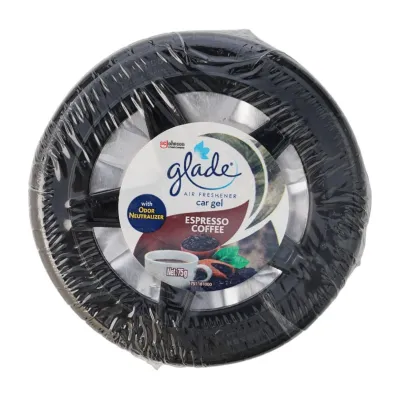

Prices are valid at publication and may change. Please refer to the product page for the latest price.
How to Choose a Coffee Air Freshener for Singapore's Climate
Selecting an effective coffee-scented air freshener for use in Singapore involves evaluating several physical and chemical performance factors. The primary challenge is managing the rate of evaporation. High ambient temperatures and direct sunlight transfer thermal energy to the fragrance molecules, increasing their kinetic energy. This causes liquid and low-grade gel formulations to vaporize at an unsustainable rate. Instead of a gradual, controlled release over several weeks, the scent is exhausted rapidly, leaving the driver with a weak or non-existent aroma shortly after purchase.
Another critical consideration is the mechanical integrity of the freshener design under thermal stress. Many traditional air fresheners rely on liquid reservoirs that can expand when heated. In an enclosed, hot cabin, this thermal expansion can force liquid out of seals, wicks, or vent clips. Because fragrance oils are highly concentrated organic solvents, any leakage onto dashboard plastics, steering wheel covers, or leather seats can dissolve protective topcoats and cause irreversible cosmetic damage. Choosing spill-proof or solid-state designs is essential for preserving your vehicle’s interior.
Furthermore, adjustable scent control is highly beneficial in tropical climates. When a car sits parked in the heat, volatile organic compounds accumulate in the sealed cabin. Upon entering the vehicle, a strong, unrestricted coffee fragrance can feel incredibly heavy, cloying, or even cause mild headaches and nausea. An air freshener with an adjustable lid, shutter, or dial allows you to restrict the exposed surface area of the scent source, enabling you to dial back the intensity during hot periods and increase it once the air conditioning has cooled the cabin.
Finally, always review product labels for temperature tolerance and safety warnings before installation. Manufacturers of high-quality automotive air fresheners often specify maximum operating temperatures and provide precise instructions regarding placement. For instance, some gel-based products should not be placed on the dashboard where direct sunlight can degrade the formula, while certain vent clips must remain upright to prevent slow seepage. Checking these guidelines ensures you do not inadvertently damage your car’s interior or compromise the performance of the fragrance.
Choosing the Right Car Air Freshener Coffee Formats for Hot Weather
Best for Consistent Scent: Sealed Gel Can Diffusers
Sealed gel can diffusers represent one of the most stable and reliable formats for maintaining a rich coffee aroma in hot climates. These products utilize a solid or semi-solid polymer gel matrix that traps fragrance oils within its molecular structure. This physical arrangement significantly slows down the diffusion rate of the volatile oils, making the format highly resistant to the rapid evaporation typically triggered by Singapore’s high temperatures. Unlike liquid-based diffusers, gel formulations do not splash, slosh, or spill when navigating sharp turns, speed bumps, or sudden stops, providing excellent physical stability during daily driving.

Most gel cans feature an adjustable plastic lid with rotating vents. This mechanical design is incredibly useful for managing scent throw in fluctuating cabin temperatures. During the hottest months of the year or when parking outdoors, you can close the vents to a narrow slit, limiting air contact and conserving the gel. Once the cabin cools down under the influence of the air conditioning system, you can open the vents slightly wider to release a controlled, comforting coffee aroma that fills the space without overwhelming the senses.
However, gel formulations are not completely immune to extreme thermal stress. If a gel can is placed in direct sunlight on the dashboard, the intense UV radiation and concentrated heat can break down the polymer matrix. This degradation can cause the gel to liquefy, shrink prematurely, or cause the fragrance oils to separate from the binding agent, leading to a watery residue. To prevent this, proper placement is essential. Position the gel can in a cup holder, a side door pocket, or securely under one of the front seats. These locations shield the product from direct sunlight and keep it in cooler, low-lying areas of the cabin.
When shopping for gel diffusers, it is vital to verify that the product is explicitly formulated for automotive use. Household gel fresheners are designed for stable, room-temperature environments and will quickly collapse or melt when subjected to the extreme temperature swings of a parked vehicle. Automotive-grade gels use heat-stabilized polymers engineered to maintain their physical structure even when cabin temperatures exceed 50 degrees Celsius, ensuring the coffee scent remains true and long-lasting.
Best for Adjustable Intensity: Vent Clip Extracts
Vent clip extracts offer an active method of scent distribution by utilizing the vehicle’s heating, ventilation, and air conditioning (HVAC) system. When clipped onto an air vent, the unit relies on the airflow from the fan to carry the coffee fragrance throughout the cabin. This interaction with the air conditioning is particularly beneficial in hot climates. The cool air stream flowing over the vent clip helps moderate the temperature of the fragrance source, slowing down the natural evaporation rate of the oils while ensuring an even, widespread distribution of the warm coffee scent rather than leaving it concentrated in a single corner of the car.
Despite these benefits, vent clips carry specific risks that require careful management. When the vehicle is parked in the sun with the engine and air conditioning turned off, the dashboard and vent areas can absorb significant heat. If the vent clip utilizes a liquid reservoir with a simple fiber wick, this heat can cause the liquid to expand, build pressure, and leak out of the housing. A leak directly onto the air vents can cause the concentrated oils to drip down into the dashboard assembly, potentially damaging plastic grilles, peeling off soft-touch paint, or even short-circuiting electronic controls and infotainment buttons located directly below.
To mitigate these risks, prioritize vent clips that feature spill-proof membrane designs or solid polymer/gel inserts instead of open-liquid reservoirs. Solid-state vent clips contain no free liquid to expand or leak, making them exceptionally safe for use in tropical climates. If you do choose a liquid-based clip, ensure it is installed perfectly upright according to the manufacturer’s instructions, and regularly inspect the housing for any signs of cracking or oil seepage.
Additionally, managing the scent intensity of a vent clip is straightforward. Most high-quality clips feature a small mechanical slider that opens or closes the rear vents of the cartridge. When you first enter a hot, parked car, it is wise to slide the adjuster to the closed position. Once the air conditioning has run for a few minutes and lowered the ambient cabin temperature, you can open the slider to your preferred setting. This practice prevents the initial blast of hot air from carrying an overwhelming, cloying coffee aroma into your face.
Best for Quick Refresh: Coffee-Scented Hanging Cards
Hanging cardboard or fiberboard air fresheners are a classic, highly accessible option for drivers seeking a quick fragrance boost. These products consist of high-density cellulose paper that has been thoroughly infused with fragrance oils and dried. Because they contain no free liquid or gel, hanging cards are completely spill-proof and cannot leak, making them physically safe for your car’s interior surfaces. They represent a very low-risk option in terms of chemical spills or mechanical failure under extreme heat.
However, the lack of a physical containment barrier means that hanging cards suffer from rapid fragrance dissipation in hot environments. Because the infused cardboard is fully exposed to the cabin air, high temperatures and humidity cause the volatile coffee oils to evaporate much faster than they would in a sealed gel can or a membrane-controlled vent clip. In Singapore’s climate, a hanging card that is rated to last up to thirty days in temperate regions may lose its potency within a week or two, especially if the vehicle is frequently parked outdoors.
This rapid dissipation makes hanging cards best suited as a budget-friendly, short-term solution. They are ideal for drivers who enjoy switching scents frequently—perhaps transitioning from a rich espresso aroma to a lighter vanilla or citrus scent after a couple of weeks—or for those who only want a temporary refresh before a road trip or a weekend drive. Their low unit cost makes them easy to replace without a significant financial commitment.
When installing a hanging card, physical placement is critical to prevent cosmetic damage. While the card is dry, the concentrated fragrance oils can still transfer to surfaces through direct contact. Avoid hanging the card where it can swing freely and repeatedly strike delicate plastic surfaces, instrument clusters, or infotainment screens, as the friction and oil transfer can scratch or discolor these materials. Additionally, ensure the card is hung securely from the rearview mirror or an assist grip without obstructing the driver’s line of sight, which is a major safety hazard. Check the product packaging for any mention of UV-resistant treatments, as these help slow down the chemical breakdown of the coffee scent when exposed to direct sunlight through the windshield.
Comparing Freshener Formats for Heat and Humidity Resistance
To help you decide which delivery method best fits your daily driving habits and parking conditions, it is helpful to compare the general physical properties and performance characteristics of each format. The table below outlines how Gel Cans, Vent Clips, Hanging Cards, and Aerosol Sprays handle the thermal and physical demands of a tropical climate.
| Format | Evaporation Rate in High Heat | Leak/Spill Risk to Interior | Scent Longevity | Best Placement Strategy |
|---|---|---|---|---|
| Gel Cans | Low to Moderate (highly stable polymer matrix) | Very Low (solid or semi-solid gel) | High (typically 4 to 6 weeks) | Placed in cup holders, door pockets, or under seats |
| Vent Clips | Moderate (regulated by AC airflow) | Moderate to Low (membrane designs are safest) | Moderate (typically 3 to 4 weeks) | Clipped securely to active dashboard air vents |
| Hanging Cards | High (fully exposed to hot air and UV) | Low (no liquid, but avoid direct surface contact) | Low (typically 1 to 2 weeks) | Hung from rearview mirror or rear passenger assist grips |
| Aerosol Sprays | Extremely High (instantaneous dispersion) | Low (if stored properly; high risk if can is left in heat) | Very Low (lasts minutes to hours) | Stored in a cool glove box; never left in direct sunlight |
Analyzing these formats reveals clear trade-offs based on where you park your vehicle. For drivers who primarily park outdoors in open, unshaded lots, sealed gel cans placed under the seat offer the highest level of heat resistance and longevity. The lower cabin floor remains significantly cooler than the dashboard, and the gel matrix prevents the rapid, wasteful evaporation of the coffee scent.
Conversely, if you have access to covered or basement parking at home and at work, vent clips and hanging cards become much more viable. Because your vehicle is shielded from the worst of the midday sun, the cabin temperature remains relatively stable, allowing these formats to reach their full rated lifespans without premature degradation. Aerosol sprays are excellent for an instantaneous burst of fresh coffee aroma before passengers enter, but they must be treated with caution. Pressurized aerosol cans should never be left in a vehicle parked in direct sunlight, as the extreme heat can cause the internal pressure to rise to dangerous levels, risking an explosion that could severely damage the vehicle’s interior and glass.
How to Make Your Coffee Air Freshener Last Longer in the Heat
Maximizing the lifespan of your ‘car air freshener coffee’ product in a hot climate requires a combination of smart parking habits and proactive maintenance. The most effective step you can take is to reduce the overall thermal load inside your vehicle. Utilizing a high-quality, reflective windshield sunshade when parking outdoors can lower dashboard temperatures by up to 20 degrees Celsius. By blocking direct solar radiation, you prevent the extreme cabin temperature spikes that break down fragrance oils and accelerate gel evaporation. Whenever possible, prioritize parking in shaded areas, multi-story car parks, or basement garages to keep the entire vehicle cooler.
For gel-based fresheners, make active use of the adjustable lid. During the hottest months of the year, keep the lid adjusted to the smallest effective opening. The restricted airflow is still more than sufficient to disperse a pleasant coffee aroma throughout the cabin due to the high rate of molecular diffusion in warm air. This simple adjustment can extend the life of a gel can by several weeks.
Additionally, maintaining a clean interior helps preserve the quality of the fragrance. Regularly wipe down your dashboard, center console, and door panels with appropriate interior cleaners authorized by your vehicle manufacturer. Dust and airborne contaminants can settle on and mix with the microscopic residue of vaporized fragrance oils, creating a sticky film that can dull the look of your trim and alter the scent profile over time. Keeping these surfaces clean ensures the coffee aroma remains crisp and unpolluted.
Finally, if you plan to leave your car parked unused in the heat for an extended period—such as when traveling—it is wise to temporarily decommission your air freshener. Remove hanging cards or vent clips and seal them in a clean, airtight zip-lock bag, and close the lid of your gel can completely. Store these items in a cool, dark place like your home or, at the very least, inside the glove box. This simple step prevents the fragrance from wasting away in an empty, baking cabin, ensuring you still have a fresh, inviting coffee scent waiting for you when you return.
Frequently Asked Questions (FAQ)
Can high heat make coffee air fresheners smell sour or spoiled?
Yes, prolonged exposure to extreme heat and ultraviolet (UV) radiation can degrade the chemical structure of both synthetic and natural fragrance oils. Coffee scents often rely on delicate organic compounds like pyrazines and esters to replicate the rich, roasted notes of real coffee beans. Under high thermal stress, these compounds can oxidize or break down, resulting in a scent that smells sour, burnt, metallic, or overly chemical. To maintain an authentic, pleasant aroma, choose high-quality formulations designed specifically for automotive environments, and position them away from direct sunlight.
Are liquid coffee fresheners safe for leather car seats?
No, concentrated liquid fragrance oils and the carrier solvents used to disperse them are highly corrosive to leather and synthetic upholstery. If a liquid air freshener leaks or spills onto a car seat, the chemicals can dissolve the protective polyurethane topcoat of the leather, leading to bubbling, peeling, cracking, or severe discoloration. If an accidental spill occurs, immediately blot the excess liquid with a clean, dry microfiber cloth. Avoid rubbing, which can spread the oil and push it deeper into the material. Clean the affected area using a dedicated leather cleaner, following the vehicle manufacturer’s specific interior care guidelines, and consult a professional detailer if staining or structural damage is observed.

Community discussion
Share your experience or ask a question. Comments are reviewed before publication.