
The clear coat on your vehicle is incredibly thin, often measuring less than the thickness of a post-it note. Because of this delicate nature, using a single, generic car wash cloth for every phase of your cleaning routine is one of the most common causes of paint damage. Micro-scratches, swirl marks, and stubborn water spots are rarely the fault of the car shampoo itself; instead, they are almost always caused by using the wrong fabric weave or a contaminated cloth during the wash, rinse, or dry cycles.
To protect your vehicle’s finish, you must understand how different microfiber weaves interact with paint, water, and dirt. Microfiber is a synthetic blend of polyester and polyamide. During manufacturing, these fibers are split, creating microscopic wedge-shaped channels that grab and hold dirt rather than pushing it around. By matching specific weaves—such as plush high-pile, textured waffle weaves, and high-capacity twisted loops—to the correct stages of your car wash, you can safely lift grime, manage water runoff, and dry your vehicle to a flawless, streak-free shine. This systematic approach is the most cost-effective way to preserve your vehicle’s finish and maintain its aesthetic appeal.
The Wash Step: Lifting Dirt Without Scratching
During the active washing phase, your primary objective is to encapsulate and lift abrasive road grime away from the paint surface without grinding it into the clear coat. For this critical task, you should use a high-pile plush microfiber cloth or a thick, deep-nap wash mitt. These tools are typically rated between 400 and 600 GSM (grams per square meter), indicating a dense, heavy fabric with long, open fibers.
Products mentioned in this guide
![[SG Seller]Car Wash Cloth Car Wash Double-Sided Microfiber Car Cloth Car Wash Accessories Microfiber Towel Coral Velvet](https://img.lazcdn.com/g/p/f9f25e9e99fc5d0afe3c436296506ae3.png_400x400q80.png_.webp)
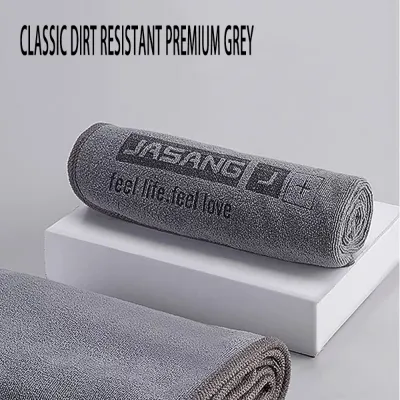
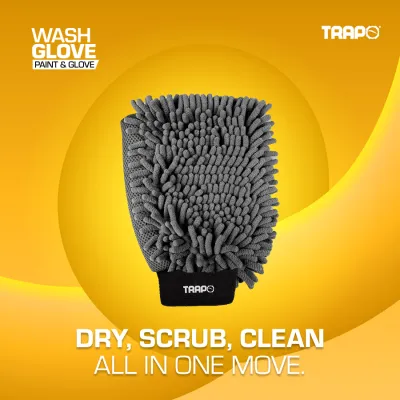
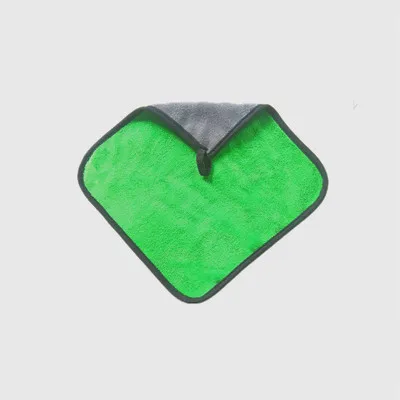
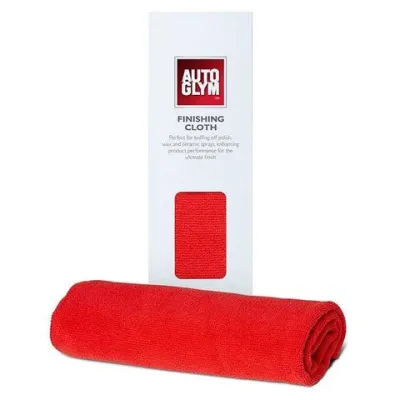
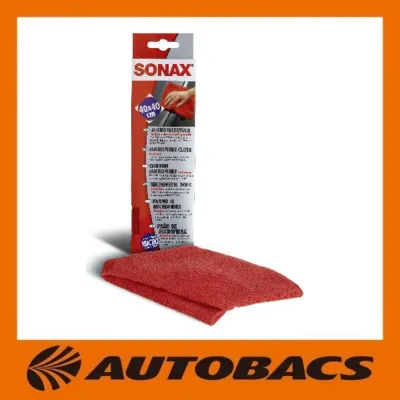
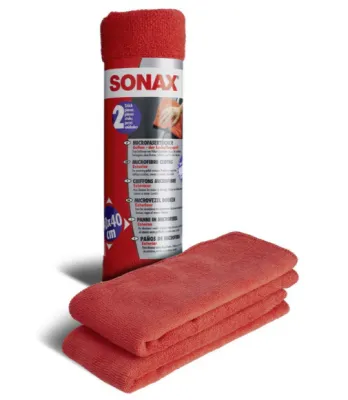
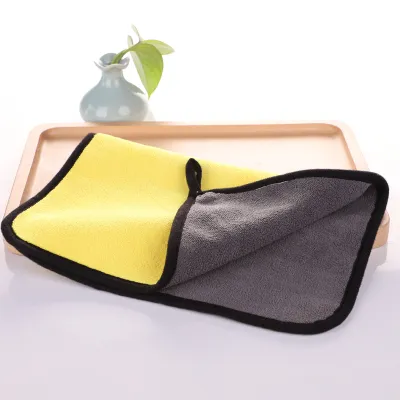
Prices are valid at publication and may change. Please refer to the product page for the latest price.
The core mechanism of a plush wash cloth lies in its long, soft fibers. As you glide the soapy cloth across the body panels, these fibers act like tiny fingers, reaching beneath loose dirt particles, road grit, and environmental fallout. Instead of trapping the debris on the surface of the cloth—where it would act like sandpaper against your paint—the plush pile pulls the abrasive particles deep into the fabric, away from the clear coat. Furthermore, the high polyamide content in these plush cloths allows them to hold a massive volume of soapy water, providing the essential lubrication needed to glide effortlessly over the vehicle’s surface.
To use these cloths safely, adopt the two-bucket wash method. Fill one bucket with your car wash shampoo solution and a second bucket with clean rinse water, placing a grit guard at the bottom of both. Dip your plush cloth or mitt into the soapy water, wash a single panel using straight, overlapping lines, and then immediately plunge the dirty cloth into the rinse bucket. Agitate the cloth against the grit guard to release trapped dirt before wringing it out and reloading it with soap. If you are using a flat plush towel, fold it into quarters to create eight distinct cleaning faces, flipping to a fresh side for each panel.
Before starting, always check your vehicle manufacturer’s specific care instructions, especially if you have a matte paint finish, vinyl wrap, or ceramic coating. Some specialized finishes are highly sensitive to friction and require specific washing parameters. Never apply downward pressure while washing; let the weight of the wet, soapy cloth and the lubricating shampoo do the work for you.
The Rinse Step: Managing Water and Suds Efficiently
Once the washing phase is complete, you enter the rinsing and pre-drying stage. The goal here is to remove residual soap suds and manage the bulk of the standing water before it can dry on the hot paintwork. For this transition phase, a waffle weave microfiber towel is the ideal tool.

A waffle weave towel features a distinct, raised square pattern that resembles a kitchen waffle. Unlike plush towels, it has no exposed pile or loose loops. The core mechanism relies on these recessed pockets to break the surface tension of standing water on the vehicle’s body panels. As you glide the towel across the wet paint, the raised ridges gently scrape away residual foam and channel water directly into the recessed squares. Because the towel lacks a thick pile, it remains lightweight, holds less trapped air, and is incredibly easy to wring out by hand compared to heavy plush alternatives.
To apply this technique, perform a final flood rinse on your vehicle using a free-flowing hose without a nozzle. This encourages the water to sheet off the panels naturally. Immediately afterward, take a damp waffle weave towel and gently slide it across the flat, horizontal surfaces—such as the roof, hood, and boot lid. This action acts like a soft, fabric squeegee, removing up to 80% of the standing water in a single pass. In warm or humid tropical climates, this rapid pre-drying step is essential to prevent water from evaporating on the warm clear coat and leaving behind stubborn mineral deposits.
To ensure safety, you must maintain a strict boundary against cross-contamination. Never use the same waffle weave towel on your paintwork that you used to rinse or clean the wheels, exhaust tips, or door jambs. Wheels are coated in highly abrasive metallic brake dust and road tar. If these particles find their way into your rinse towel, they will scratch your paint during the next wash. Keep your rinse cloths strictly separated, using color-coded towels to avoid mistakes.
The Drying Step: Maximum Absorption and Streak-Free Finish
The final drying step is the most critical phase for achieving a spotless, professional finish. Leaving water to dry naturally on your vehicle guarantees water spots, while using an improper drying technique will introduce fine hairline scratches. To dry your vehicle safely, you should use a twisted loop microfiber towel or a large-format, high-GSM plush drying towel.
Twisted loop towels represent the pinnacle of drying technology. Their fibers are woven into tight, twisted loops that lie flat against the fabric backing. This unique structure dramatically increases the surface area of the towel and creates a powerful capillary action. Water is drawn instantly into the core of the towel, allowing it to absorb up to ten times its weight in moisture without leaving streaks, lint, or water trails behind. Alternatively, a large-format plush drying towel (ranging from 600 to 1000 GSM) provides a thick, cushioned barrier that is exceptionally gentle on delicate clear coats, though it may require more effort to wring out once saturated.
To dry your vehicle safely, use the “drag method” on horizontal surfaces. Lay the large drying towel flat across the hood or roof. Hold the towel by two corners and slowly, gently pull it toward you. The weight of the damp towel is all that is required to lift the remaining water from the paint. For vertical panels, use the “pat dry” method: gently press the towel flat against the panel to absorb the water, then lift it away without rubbing. Both techniques minimize lateral friction on the vulnerable, unlubricated clear coat.
Always remember that dry paint has absolutely no lubrication. Rubbing vigorously with any drying towel—regardless of how soft or expensive it is—will cause micro-scratches. If you spot a dirty smudge that was missed during the wash step, do not attempt to scrub it off with your drying towel. Stop immediately, spray the area with a dedicated quick detailer or waterless wash spray to provide lubrication, and gently wipe it clean with a fresh, plush utility cloth.
Cross-Step Compatibility and Microfiber Maintenance
Using a single microfiber cloth for multiple car washing steps is a recipe for paint damage. A safe car care routine requires a strict separation of tasks. At a minimum, you should maintain separate, dedicated cloths for washing, rinsing, glass cleaning, and wheel maintenance. Implementing a simple color-coding system—such as blue for washing, yellow for drying, and grey for wheels—is the easiest way to prevent accidental cross-contamination.
To maintain the performance and safety of your microfiber collection, you must follow strict washing and drying rules. Microfiber is composed of synthetic polymers—polyester and polyamide—which are highly sensitive to heat and chemical additives.
- Washing Rules: Always wash your microfiber cloths separately from other household laundry, especially cotton towels, to prevent them from attracting lint. Use a dedicated microfiber wash solution or a mild, liquid detergent that is completely free of perfumes, dyes, and fabric softeners. Wash in warm water (between 30°C and 40°C). Never use bleach, and absolutely never use fabric softeners. Softeners coat the microscopic fibers with a chemical film, clogging the split channels and permanently destroying the towel's absorbency.
- Drying Rules: Air dry your cloths in a clean, dust-free indoor environment, or tumble dry them on the lowest possible heat setting (air fluff or delicate). High heat will melt the microscopic tips of the polyester and polyamide fibers, fusing them together. Once these fibers melt, the towel will feel stiff and scratchy, turning a premium paint-safe cloth into an abrasive pad that will damage your clear coat.
- Replacement Signals: Inspect your microfiber cloths before every wash. If a towel feels stiff, no longer absorbs water efficiently, or has embedded debris (such as small twigs, leaf fragments, or grit) that cannot be washed out, it must be retired immediately from paint contact. You can easily downgrade these worn towels to lower-risk tasks, such as cleaning engine bays, wiping down dirty door jambs, or applying tire dressing.
Frequently Asked Questions (FAQ)
Can I use a regular cotton bath towel to dry my car?
No, you should never use a regular cotton bath towel to dry your vehicle. Cotton fibers are woven in a flat, unsplit structure that lacks the capillary action of microfiber, meaning they push water around and leave streaks rather than absorbing it. More importantly, cotton towels do not have the deep microscopic channels required to trap residual dirt. Any tiny dust particles remaining on your paint will be trapped between the flat cotton fibers and your clear coat, grinding into the paint and causing severe swirl marks.
How many microfiber cloths do I actually need for a full car wash?
For a safe, scratch-free wash on a standard-sized vehicle, you should have a minimum of seven to nine microfiber cloths. This kit should include two to three plush wash mitts or high-pile cloths for the active wash step, two waffle weave towels for pre-drying and glass cleaning, two large twisted loop or plush drying towels for the final dry, and two utility-grade cloths dedicated strictly to wheels and lower sills. Having extra cloths on hand ensures you can immediately switch to a clean one if you accidentally drop a towel on the ground.
Community discussion
Share your experience or ask a question. Comments are reviewed before publication.