
Driving in Singapore presents unique visual challenges. With the sun hovering near the equator year-round, drivers face intense ultraviolet radiation, blinding overhead light, and sharp glare reflecting off modern glass skyscrapers and wet road surfaces after sudden tropical downpours. To combat these conditions, a high-quality car visor extension is a highly practical aftermarket addition. The best extensions for Singapore’s climate must prioritize extreme heat tolerance to prevent warping in parked cars, offer high optical clarity to maintain safety, and use secure mounting mechanisms that do not rely on temperature-sensitive adhesives.
Why Factory Visors Struggle with Singapore's Equatorial Sun
Standard factory-fitted sun visors are designed for general global markets and often fail to address the specific environmental demands of equatorial driving. In Singapore, the sun’s trajectory means that during morning and evening peak hours, the light strikes at a low, direct angle that easily bypasses short factory visors. This creates a dangerous blind spot right in the driver’s line of sight, particularly when traveling east on the Pan Island Expressway (PIE) in the morning or west on the East Coast Parkway (ECP) in the evening.
Furthermore, Singapore’s frequent, intense rainstorms leave roads highly reflective. Once the storm passes and the sun breaks through, the wet asphalt behaves like a mirror, bouncing harsh horizontal light directly into the cabin. Factory visors, which only block light coming from above, offer absolutely no protection against this ground-level glare.
Products mentioned in this guide
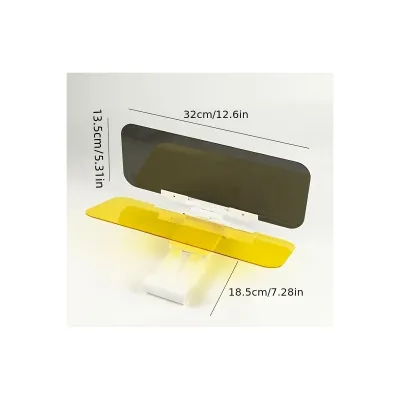
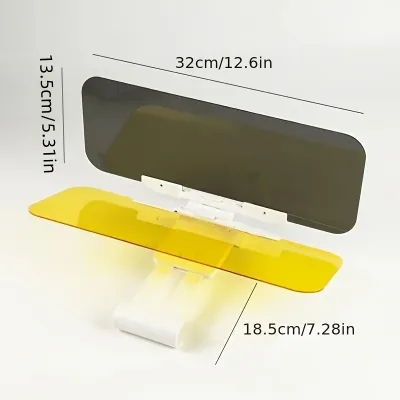
![[PfiSo.] Car Visor Extensions Automotive Anti-Glare Visor Mirrors Car Sun Visor for All Trucks Car Front Seat Driver or Passenger](https://img.lazcdn.com/g/p/c9d51d80ad67873f6723de64be94c568.jpg_400x400q80.jpg_.webp)
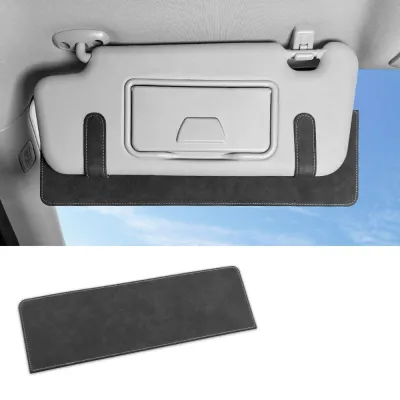
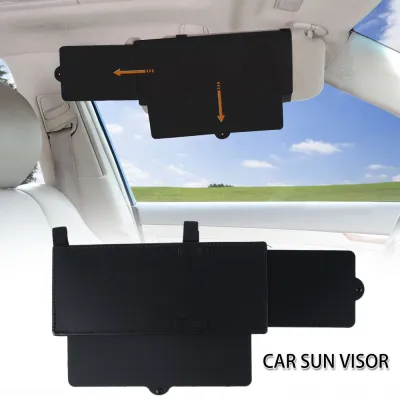
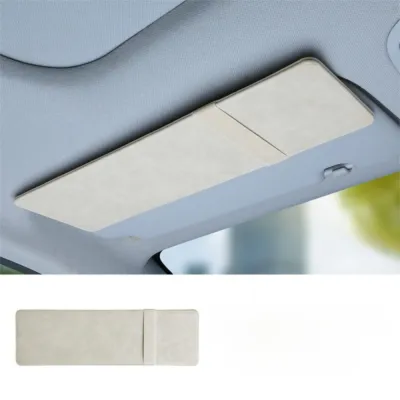
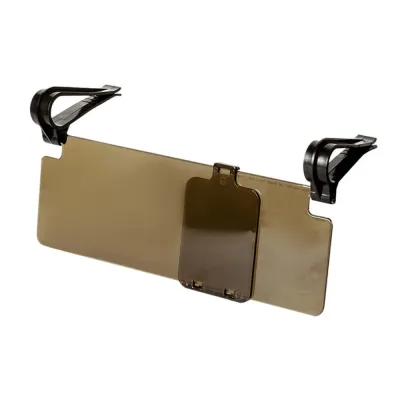
Prices are valid at publication and may change. Please refer to the product page for the latest price.
Another major limitation of original equipment manufacturer (OEM) visors is their physical coverage. Most factory visors leave a significant gap around the rearview mirror and fail to cover the upper corner of the side window when swung over. This allows bright sunlight to stream in from the side, heating up the driver’s face and creating localized glare that makes checking side mirrors difficult. Attempting to pull a standard visor down far enough to block low-angle light often ends up obstructing too much of the forward windshield, severely compromising safety.
What to Look for in a Heat-Resistant Visor Extension
Material and Heat Tolerance The interior of a car parked in an open-air HDB carpark or surface lot in Singapore can easily exceed 60 degrees Celsius within an hour. At these extreme temperatures, cheap, non-UV-stabilized plastics will quickly warp, crack, or release unpleasant chemical fumes (off-gassing). When shopping for a visor extension, it is crucial to verify that the materials used—such as high-grade polycarbonate or acrylic—are explicitly rated for high-temperature resistance and UV protection. Look for manufacturer specifications indicating UV400 protection or specialized heat-resistant polymer construction.

Optical Quality A low-quality visor extension can cause optical distortion, making objects appear warped or out of place. This is highly dangerous when navigating busy Singapore roads with high pedestrian and motorcycle traffic. Drivers should look for extensions featuring polarized filters that selectively block glare while maintaining sharp contrast. Additionally, the lens should offer consistent tinting without dark spots, ensuring that digital dashboard displays, head-up displays (HUDs), and GPS screens remain fully legible from different viewing angles.
Weight and Hinge Capacity Every vehicle’s factory sun visor has a built-in friction hinge designed to hold only the weight of the original visor. Adding a heavy extension can overwhelm this hinge, causing the entire assembly to sag or bounce violently when driving over speed bumps or uneven road surfaces. Before purchasing, verify the weight of the extension and compare it to the stiffness of your vehicle’s visor hinge. Lightweight designs are always preferable to avoid premature wear on the OEM mechanism.
Safety Clearances A visor extension must never compromise the vehicle’s safety systems or the driver’s physical safety. It is vital to check that the extension does not block the deployment path of side-curtain airbags located in the A-pillar or roofline. Additionally, the extension should not interfere with the operation of built-in vanity mirrors, sliding visor extensions, or integrated garage door openers. Ensure that when the extension is folded away, it sits flush against the ceiling and does not pose a head-injury hazard in the event of a sudden stop.
Top Visor Extension Types for Tropical Glare and Heat
Polarized Clip-On Visors (Best for Wet Road Glare)
These extensions feature a tinted, semi-transparent panel that clips directly onto the bottom of the factory visor. The primary benefit of these models is their polarization, which acts as a physical filter for light waves. By blocking horizontally polarized light—the specific type of light that bounces off flat surfaces—these visors dramatically reduce glare from wet asphalt, puddles, and the glass facades of buildings in areas like the Central Business District (CBD).
They are highly beneficial during the transition periods immediately after a heavy tropical downpour, when the road is still wet but the sun is shining brightly. Because they are transparent, they allow the driver to maintain a full field of view while mitigating the blinding effects of the sun.
However, they do have distinct limitations. Polarized filters can interact with aftermarket window tints, creating a distracting rainbow pattern (birefringence). They can also make certain liquid crystal displays (LCDs) on your dashboard or center console appear completely black when viewed through the polarized lens. Drivers should test visibility at a standstill to ensure they can still read their instruments and clearly see traffic signals.
Opaque Slide-Out Extenders (Best for Direct Overhead Sun)
Unlike transparent panels, opaque slide-out extenders are solid, non-see-through panels that slide out horizontally or vertically from a sleeve attached to the factory visor. These are designed to physically block direct, blinding sunlight rather than filter it. They are exceptionally useful when the sun is positioned directly overhead or slightly to the side, creating a localized blind spot that a transparent visor cannot fully resolve.
The main benefit of an opaque design is absolute light blocking. It provides a complete shadow over the driver’s eyes, allowing for comfortable vision without the need to squint. Because they do not rely on optical polarization, they do not cause color distortion or interfere with digital screens or tinted windows.
The primary limitation is that they completely block the view of whatever is behind them. Drivers must adjust them carefully to ensure they do not cover traffic lights or oncoming vehicles. Over time, the sliding tracks of these extenders can accumulate dust and cabin debris, which can cause the mechanism to stick, rattle, or loosen. Regular cleaning and checking the tightness of the sliding tracks are necessary to prevent the panel from slipping down unexpectedly.
Side-Window Wraparound Extensions (Best for Low-Angle Side Glare)
These extensions are specifically engineered to address the gap between the front windshield and the side window. They often feature a dual-panel design or a flexible arm that allows a portion of the shade to wrap around to the side window while the main body covers the front. This is highly effective for drivers who commute along routes where the sun strikes the side of the vehicle for extended periods, such as traveling north on the Central Expressway (CTE) during the late afternoon.
By bridging this gap, wraparound extensions prevent the sun from heating up the side of the driver’s face and block the distracting side-glare that can make checking side mirrors difficult. They provide continuous, uninterrupted shade as the road curves and the relative angle of the sun changes.
The critical safety boundary for side-window extensions is peripheral vision. Drivers must verify that the side panel does not block their blind-spot checks or obscure the view of the side-view mirrors. Furthermore, because side-curtain airbags deploy from the roofline above the door frame, any extension that wraps around to the side must be installed in a way that does not cross or obstruct the airbag’s deployment path. Always refer to your vehicle’s owner manual to identify airbag locations before installing side-window accessories.
Which Mounting Mechanisms Survive High Cabin Temperatures?
The way a visor extension attaches to your car’s original visor determines both its longevity and its safety. In Singapore’s hot climate, mounting mechanisms are subjected to intense thermal stress.
- Strap and Buckle Systems: These systems use elastic or fabric straps equipped with adjustable plastic or metal buckles to wrap tightly around the factory visor. Because they rely on physical tension rather than chemical adhesives or friction fits, they are highly resistant to heat-induced failure. Even if the cabin temperature rises significantly, the straps remain secure. The main drawback is that they can look somewhat bulky and may block access to the vanity mirror or its integrated light.
- Spring-Loaded Clips: These clips feature a metal or plastic spring mechanism that clamps onto the edge of the factory visor. They offer a clean, low-profile look and are incredibly easy to install or transfer between vehicles. However, drivers must exercise caution. In extreme heat, cheap plastic clips can become brittle and snap under the tension of the spring. Additionally, the metal springs can lose their temper and tension over time if exposed to constant high temperatures. It is vital to check the manufacturer's temperature ratings and select clips made from high-strength, heat-resistant polymers.
- Suction Cups and Adhesives: Some aftermarket visor extensions rely on suction cups or double-sided adhesive tape to mount directly to the windshield or the factory visor. In Singapore's tropical climate, this is a highly unreliable and potentially dangerous mounting method. High temperatures and humidity rapidly degrade adhesive backings, causing them to melt, slide, and leave a sticky residue. Similarly, suction cups lose their seal as the air inside them expands in the heat, causing the extension to fall off unexpectedly while driving. This can create an immediate physical hazard or a severe distraction.
Verification Step Before mounting any accessory to your sun visor, consult your vehicle’s owner manual. Some modern vehicles feature integrated wiring within the visor to power vanity lights or home-link systems. Pinching the visor too tightly with straps or clips could damage this internal wiring, leading to electrical faults or voiding your vehicle’s warranty.
Comparing the Best Visor Extension Types for Daily Commutes
| Extension Type | Primary Use Case | Glare Reduction Level | Heat Durability | Key Limitations |
|---|---|---|---|---|
| Polarized Clip-On | Post-rain wet road glare & CBD reflections | High (filters horizontal light waves) | Moderate (lens must be UV-stabilized to avoid warping) | Can distort LCD screens and tinted windows |
| Opaque Slide-Out | Direct overhead or low-angle front sun | Maximum (complete physical light blocking) | High (solid materials resist heat well) | Blocks physical line of sight; tracks can loosen |
| Side-Window Wraparound | Low-angle side glare during long highway drives | High (continuous front-to-side shade) | High (typically uses secure strap mounts) | Must be carefully positioned to avoid blocking peripheral vision |
Safe Installation and Pre-Drive Visibility Checks
Proper installation is essential to ensure the visor extension functions safely without damaging your vehicle’s interior. Begin by cleaning your factory sun visor with a dry microfiber cloth to remove any dust or oils. Carefully attach the mounting brackets, straps, or clips according to the manufacturer’s instructions. Ensure that you do not pinch the fabric or leather upholstery of the original visor, and avoid overtightening straps which can permanently deform the internal foam structure.
The Sag Test Once the extension is securely mounted, perform a simple physical test before starting your journey. Pull the factory visor down to its lowest driving position and gently tap the bottom of the extension. The visor hinge should hold the added weight firmly without slipping, drooping, or vibrating. If the visor sags even slightly under the weight of the extension, it is unsafe for road use, as a sudden bump could cause it to drop and block your view of the road.
Sightline Verification Sit in your normal driving position and adjust the extension. Verify that you have an unobstructed view of the road ahead, including overhead traffic lights, gantry signs, pedestrians, and your rearview mirror. The extension should block the sun, not the traffic.
Actionable Boundary If at any point during installation or testing you find that the visor sags, rattles distractingly, or compromises your peripheral or forward vision, remove the extension immediately. Do not attempt to modify the mounting mechanism yourself. Instead, seek an alternative size, a lighter model, or a different mounting style that is fully compatible with your vehicle’s interior dimensions.
Frequently Asked Questions (FAQ)
Will a visor extension damage my car's original sun visor?
While most visor extensions are designed to be non-invasive, damage can occur if the extension is too heavy for the factory hinge, leading to premature wear and sagging. Additionally, overtightening strap-on models can crush the internal foam or damage the delicate fabric or leather wrapping of the original visor. To protect your vehicle’s interior, choose a lightweight extension, check your vehicle manual for any accessory weight limits, and consider removing the extension during long periods of outdoor parking to relieve tension on the hinge.
Do polarized visor extensions affect how I see traffic lights or digital screens?
Yes, polarized filters work by blocking specific light waves, which can cause visual side effects. Depending on the angle of polarization, they can make liquid crystal displays (LCDs) on your dashboard, GPS, or smartphone look dark or completely blank. They can also interact with aftermarket window tints to create a rainbow distortion pattern and may slightly dim certain LED traffic lights. It is highly recommended to test the polarized extension in a stationary vehicle first to ensure you can clearly read all essential screens and identify traffic signal colors before driving.
Community discussion
Share your experience or ask a question. Comments are reviewed before publication.