
In Singapore’s dense urban environment, stop-and-go driving along major expressways like the CTE, PIE, and AYE is a daily reality. This constant braking generates a substantial amount of brake dust, which is a highly abrasive mixture of carbon fibers, metal shavings, and adhesive polymer resins heated to extreme temperatures. When this hot dust settles on your car wheels, it bonds quickly to the surface. If you attempt to scrub this mixture away with an unsuitable tool, you risk grinding these sharp metallic particles directly into the wheel’s protective finish, creating permanent micro-marring, swirl marks, or deep scratches that ruin the aesthetic of your vehicle.
Before selecting a car rim brush for your home detailing kit, you must identify the specific finish of your wheels. Modern vehicles typically feature one of several wheel finishes, each with its own level of hardness and vulnerability to chemical and mechanical damage. Clear-coated alloy wheels are the most common; they feature a layer of protective clear paint over the metal, making them relatively resilient but still susceptible to scratching, much like your car’s body paint. Painted wheels use a similar colored base coat and clear coat system. Matte and satin finishes, however, lack a glossy clear coat and feature a textured surface that can be easily polished flat—and permanently ruined—by aggressive scrubbing or abrasive bristles.
Delicate finishes like chrome and bare polished aluminum require an even more cautious approach. Chrome plating is highly reflective but can easily develop fine hairline scratches if cleaned with stiff bristles, while bare polished aluminum lacks any protective coating whatsoever, leaving it highly vulnerable to both physical scratching and chemical oxidation. Because of these differences, a single generic brush cannot safely clean every type of wheel. Matching the mechanical aggression of your brush bristles to the delicate nature of your wheel’s finish is the single most important step in preventing costly cosmetic damage during a home wash.
Products mentioned in this guide
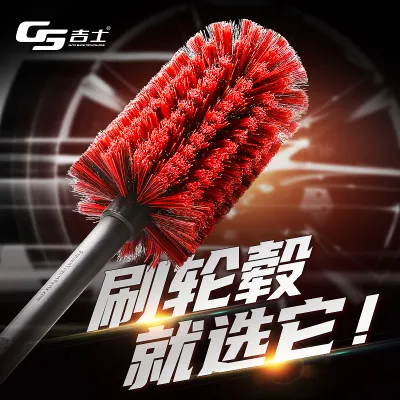
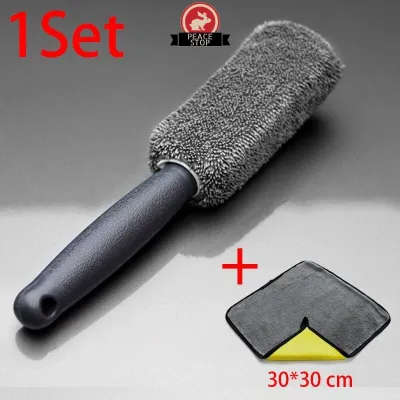
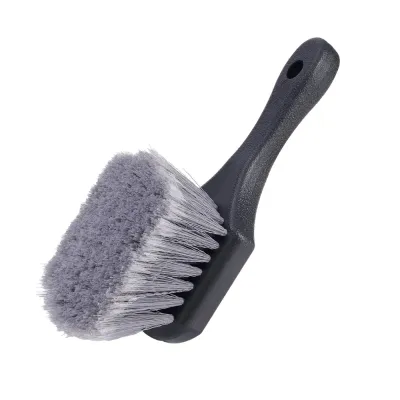
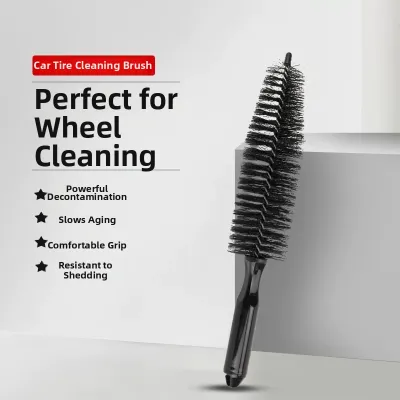
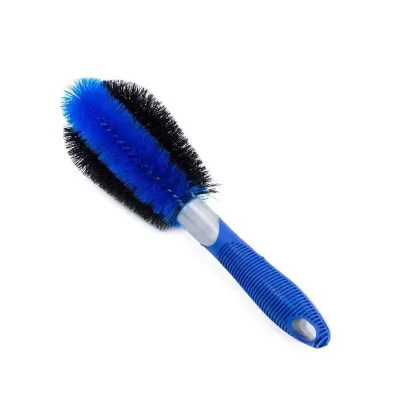
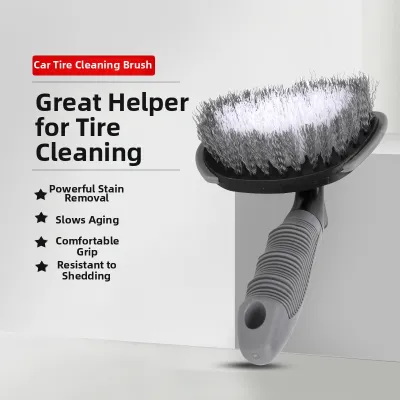
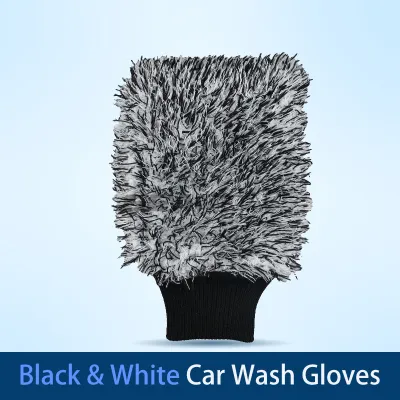
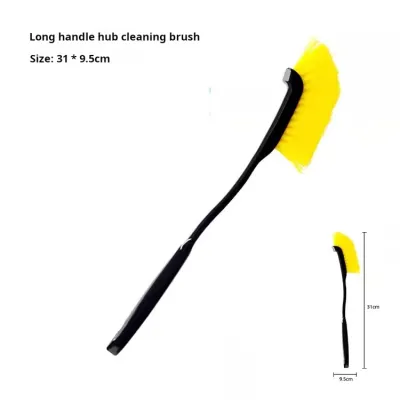
Prices are valid at publication and may change. Please refer to the product page for the latest price.
Key Rim Brush Materials and Their Best Uses
Building a versatile home detailing kit requires an understanding of the materials used to construct modern wheel brushes. Different fibers interact with brake dust and wheel surfaces in distinct ways. Before applying any brush or chemical cleaner to your wheels, always consult your wheel manufacturer’s care instructions and review the warning labels on your detailing products. If instructions conflict or if you are unsure of your wheel’s specific finish, stop and consult a professional detailer. A hidden-area test is a useful precaution, but it cannot replace official compatibility guidelines.
Soft Synthetic and Microfiber Bristles
For the vast majority of modern daily drivers equipped with clear-coated, painted, or diamond-cut alloy wheels, soft synthetic fibers and microfiber loops represent a safe and highly effective choice. Microfiber is engineered with split fibers that create a massive surface area, allowing the material to trap and lift abrasive brake dust particles away from the wheel surface rather than dragging them across it. This lifting action is crucial for preserving the delicate clear coat from micro-marring.
Additionally, microfiber and high-quality soft synthetic brushes boast exceptional water and soap retention. This high capacity for holding lubricated wash solution ensures that there is always a thick barrier of soapy water between the brush fibers and the wheel finish. This lubrication minimizes friction, allowing the brush to glide smoothly over complex spoke designs. If your garage contains vehicles with standard factory-painted or clear-coated wheels, a high-quality microfiber brush should serve as the backbone of your wheel cleaning kit.
Natural Boar Hair
When dealing with exceptionally delicate, high-end, or custom wheel finishes—such as bare polished aluminum, traditional chrome plating, or sensitive matte and satin coatings—natural boar hair is an excellent option. Boar hair fibers are naturally soft, dense, and structurally flexible. Unlike synthetic fibers, which can sometimes have sharp, bluntly cut tips, natural boar hair bristles naturally taper to incredibly fine, soft points that will not scratch even the most sensitive surfaces.
Boar hair brushes are highly prized by classic car collectors and luxury vehicle owners who demand scratch-free results on show-quality finishes. However, these natural fibers require more care than their synthetic counterparts. They must be thoroughly cleaned, rinsed, and dried after each use to prevent the organic fibers from rotting or becoming stiff over time. They also tend to carry a higher price tag in Singapore’s detailing shops, with premium options often ranging from S$20 to S$50. Despite the cost and maintenance requirements, the safety they offer for delicate bare metal and matte wheels makes them an indispensable tool for specialized detailing kits.
Stiff Nylon and Flagged-Tip Bristles
Stiff nylon brushes occupy a very specific, limited role in wheel detailing, and using them incorrectly can cause immediate, severe damage. You should never use a stiff nylon bristle brush on clear-coated, painted, chrome, or polished aluminum wheels. The rigid, abrasive nature of nylon fibers will quickly cut through soft clear coats, leaving behind a hazy web of scratches that can only be corrected through professional machine polishing.
Instead, reserve stiff nylon brushes exclusively for scrubbing durable, non-painted tire sidewalls to remove brown road grime and old tire dressings. For wheels, the only acceptable variation of nylon is the flagged-tip (or split-end) synthetic brush. These bristles undergo a manufacturing process that splits the tip of each fiber into multiple ultra-fine strands. This design softens the contact point of the brush while retaining a rigid spine, making flagged-tip brushes highly effective at cleaning durable powder-coated off-road wheels or heavily textured matte finishes where stubborn brake dust gets trapped deep within the surface pores. Always verify that your wheel manufacturer approves the use of flagged-tip brushes before proceeding.
Essential Brush Shapes for a Complete Home Kit
Selecting the right bristle material is only half the battle; the physical shape of your brush determines how effectively and safely you can clean the complex geometry of modern wheels. A complete home car wash kit should feature a selection of shapes designed to target different zones of the wheel, preventing you from having to force an ill-fitting tool into a tight space where it might scratch the finish.

Barrel Brushes and Wheel Woolies
The inner barrel of the wheel—the deep recess behind the spokes—is where the heaviest concentration of corrosive brake dust and road grime accumulates. To clean this area thoroughly without removing the wheel from the vehicle, you need a dedicated barrel brush, often referred to as a wheel woolie. These brushes feature long, slender, flexible shafts topped with dense, cylindrical microfiber or synthetic cleaning heads. The flexible core allows you to bend the brush to reach behind thick spokes and clean around large brake calipers.
When selecting a barrel brush, ensure the handle is long enough to reach the entire depth of your wheel barrel from the outside. The brush must also feature a completely non-marring design, meaning there should be no exposed metal wires or sharp plastic tips that could scrape against the wheel’s inner barrel or outer lip. Look for models with integrated rubber or foam knuckle guards on the handle to protect your hands from hitting the sharp edges of the brake discs or spokes during vigorous scrubbing.
Flat, Angled, and Tapered Face Brushes
While barrel brushes handle the deep recesses, the visible outer face of the wheel requires a completely different approach. A dedicated wheel face brush typically features a wide, flat, or slightly contoured head packed with soft bristles. This design allows you to cover large surface areas quickly, ensuring even cleaning across wide spokes and deep outer lips.
Using a separate brush for the wheel face is also a critical detailing practice to prevent cross-contamination. The inner barrel contains highly concentrated, coarse metallic brake dust. If you use the same brush to clean both the barrel and the visible outer face, you risk transferring those sharp metallic particles directly onto the highly visible face of the wheel, causing severe scratching. An angled or tapered face brush helps you navigate the complex transitions between the spokes and the rim lip without having to twist your wrist uncomfortably.
Crevice and Detail Brushes
Modern wheel designs often feature intricate details, such as deep lug nut pockets, recessed valve stems, multi-piece wheel rivets, and tight spaces between the brake calipers and the inner barrel. Standard barrel and face brushes are simply too large to reach into these tight crevices safely. Forcing a large brush into a small opening can cause the hard plastic or metal core of the brush to strike the wheel, resulting in chipped paint or deep gouges.
To address these tight spots, your kit must include a selection of small, soft-tipped detail brushes. These brushes resemble heavy-duty artist paintbrushes and feature soft synthetic or natural boar hair bristles secured by a non-marring plastic ferrule. They allow you to gently agitate dirt out of lug nut holes and around center caps without any risk of scratching. Keeping these areas clean is not just about aesthetics; preventing the buildup of corrosive brake dust in recessed pockets helps protect your lug nuts and wheel studs from seizing over time.
Recommended Rim Brush Setups for Your Tool Kit
To help you assemble the perfect home car wash kit for your specific garage, we have curated three distinct brush setups based on vehicle profiles and wheel finishes. By matching your kit to your specific driving habits and wheel types, you can ensure safe, efficient, and scratch-free cleaning every time.
The Daily Driver Setup This setup is designed for the everyday commuter car equipped with factory clear-coated or painted alloy wheels. The focus here is on durability, ease of maintenance, and efficient cleaning of moderate brake dust.
- Barrel Brush: A medium-sized, flexible microfiber barrel brush with a rubber knuckle guard.
- Face Brush: A wide-faced, soft synthetic bristle brush with flagged tips for gentle yet effective surface cleaning.
- Detail Brush: A single medium-sized synthetic detail brush for lug nut pockets.
The Show Car Setup This ultra-safe setup is tailored for luxury vehicles, classic cars, and sports cars equipped with delicate chrome, bare polished aluminum, or custom multi-piece wheels. The absolute priority is maximum scratch prevention.
- Barrel Brush: An ultra-soft, dense microfiber wheel woolie with a flexible, metal-free shaft.
- Face Brush: A premium, natural boar hair face brush with a wooden or soft plastic handle.
- Detail Brush: A set of ultra-soft boar hair detail brushes in various sizes to clean complex multi-piece rivets and valve stems.
The Off-Road/Utility Setup Designed for rugged SUVs, utility vehicles, and off-road rigs featuring durable powder-coated, matte black, or steel wheels that frequently encounter heavy mud, road grime, and thick brake dust.
- Barrel Brush: A heavy-duty, flagged-tip synthetic barrel brush that can withstand aggressive scrubbing.
- Face Brush: A contoured, flagged-tip synthetic face brush designed to release dirt from textured powder-coated surfaces.
- Detail Brush: A stiff-bristled utility brush (reserved strictly for tire sidewalls) paired with a medium synthetic detail brush for the lug nuts.
The table below summarizes these setups to help you quickly identify the best configuration for your home detailing kit:
| Setup Profile | Recommended Bristle Material | Recommended Shapes | Primary Risk to Avoid |
|---|---|---|---|
| Daily Driver | Soft synthetic & microfiber | Microfiber barrel brush, flagged-tip face brush, synthetic detail brush | Dragging coarse barrel grit onto the visible outer wheel face |
| Show Car | Natural boar hair & ultra-soft microfiber | Dense microfiber woolie, boar hair face brush, soft boar hair detail brushes | Hairline scratches and micro-marring on delicate chrome or bare metal |
| Off-Road/Utility | Flagged-tip synthetic & heavy-duty nylon | Flagged-tip barrel brush, contoured face brush, stiff tire brush | Using stiff tire brushes on the wheel face or damaging soft clear coats |
Safe Washing Techniques to Prevent Wheel Scratches
Even a high-quality rim brush can cause scratches if used with poor washing techniques. To protect your wheels, you must establish a safe, systematic cleaning routine. The golden rule of car detailing is to always wash your wheels and tires first, before touching any part of the car’s painted body. This prevents highly corrosive brake dust and dirty water from splashing onto your freshly cleaned paintwork.
Before touching the wheels with any brush, perform a thorough pre-rinse using a garden hose or a pressure washer to knock loose as much heavy dirt and floating brake dust as possible. Next, apply a dedicated wheel cleaner that is explicitly rated as safe for your specific wheel finish. Always read the product label carefully to verify compatibility and check for any maximum dwell time instructions. Never allow wheel cleaners to dry on the surface, especially under the hot Singapore sun, as this can cause permanent chemical etching.
When agitating the cleaner, always use a dedicated wheel wash bucket equipped with a grit guard. This bucket must be completely separate from the buckets you use to wash your car’s paint. Employ a modified two-bucket method: rinse your dirty brushes in a dedicated rinse bucket to release trapped grit before dipping them back into your clean soapy water bucket. This simple step ensures you are not rubbing abrasive particles back onto the wheel.
Finally, pay close attention to the drying phase. In Singapore’s hot and highly humid tropical climate, standing water left in deep lug nut recesses, inner barrels, and behind spokes will dry slowly, leading to unsightly mineral deposits and stubborn water spots. This is particularly problematic for chrome and bare polished metal finishes, which can oxidize or stain easily. Once you have finished rinsing, use a dedicated, clean microfiber drying towel or an electric air blower to thoroughly dry the wheel face, inner barrels, and lug nut pockets.
For your safety and the protection of your vehicle, always consult your vehicle’s owner manual and any aftermarket wheel documentation before using high-pressure washers or aggressive chemical cleaners. Be extremely cautious when working around sensitive components such as brake calipers, electronic brake wear sensors, and tire pressure monitoring system (TPMS) valve stems, as excessive physical force or harsh chemicals can cause damage or system faults.
Frequently Asked Questions (FAQ)
Can I use one rim brush for all wheel types?
No, using a single rim brush for all wheel finishes and areas is highly discouraged due to the severe risk of cross-contamination and material mismatch. The inner barrel of a wheel accumulates heavy, coarse metallic brake dust and road grime. If you use the same brush to clean this area and then move directly to the highly visible outer face of the wheel, you will drag those sharp metallic particles across the delicate clear coat, causing immediate scratching. Furthermore, a brush with bristles stiff enough to clean a rugged, powder-coated off-road wheel will easily scratch a delicate chrome or bare polished aluminum finish. For a safe home detailing kit, you should maintain a minimum of two separate brushes: a soft barrel brush for the inner recesses and an ultra-soft face brush or natural boar hair brush dedicated exclusively to the visible outer surfaces.
How do I clean and maintain my car rim brushes?
To prevent your car rim brushes from becoming scratching hazards, you must clean and maintain them thoroughly after every single wash. Once you have finished cleaning your wheels, rinse each brush under clean, running water while gently agitating the bristles with your fingers to release any embedded brake dust, grit, and chemical residues. For a deeper clean, wash the bristles with a mild, pH-neutral car shampoo or a dedicated microfiber detergent, then rinse thoroughly until the water runs completely clear. Gently shake out the excess water and hang the brushes to air-dry in a well-ventilated area away from direct sunlight. Never store wet brushes in a sealed plastic container or under direct sunlight, as extreme heat can warp synthetic bristles and rot natural boar hair fibers, while trapped moisture will promote mold growth and degrade the brush adhesives.
Community discussion
Share your experience or ask a question. Comments are reviewed before publication.