
Keeping your vehicle smelling clean in a tropical climate presents a unique set of challenges. When choosing a car refresher to combat the musty odors accelerated by Singapore’s persistent humidity, standard options often fall short. The intense heat inside a parked car can cause traditional air fresheners to evaporate in a matter of days or melt entirely, leaving you with a sticky mess and no scent. To find the best format, you need to understand how tropical conditions interact with different fragrance delivery systems.
Selecting the right product involves balancing immediate scent delivery against long-term durability. While some formats excel at providing a burst of fragrance, others are designed to resist high temperatures and release scent gradually over several weeks. By understanding the physical characteristics of each format, you can make an informed decision that keeps your vehicle smelling fresh without wasting money on rapid evaporation.
How Tropical Heat and Humidity Affect Car Refreshers
The interior of a car parked under the sun acts as a greenhouse, trapping solar radiation and raising cabin temperatures significantly higher than the ambient outdoor air. This extreme thermal environment directly impacts the physical state of any car refresher you place inside. From a physical perspective, high heat increases the kinetic energy of fragrance molecules, accelerating the evaporation rate of liquid, gel, and solvent-based scent carriers. Consequently, products designed to last for a month in temperate climates may deplete in a fraction of that time when exposed to tropical heat.
Products mentioned in this guide

![[KIRONA SCENT] Jewel Changi Inspired Mori Hanging Diffuser for Car Wardrobe | Hotel & Mall Fragrances](https://img.lazcdn.com/g/p/8bbddd2aaf5043bb3db2b64e89f3e576.jpg_400x400q80.jpg_.webp)

Prices are valid at publication and may change. Please refer to the product page for the latest price.
Humidity adds another layer of complexity to vehicle scent management. High moisture levels in the air can alter how our olfactory receptors perceive different scents, sometimes making heavy, sweet fragrances feel cloying or suffocating. Furthermore, high humidity degrades structural materials. Cardboard-based hanging cards quickly absorb ambient moisture, which compromises their structural integrity and causes their pre-infused oils to dissipate or degrade rapidly.
Adhesives used to mount fresheners to dashboards or glass also weaken under the combined assault of heat and humidity, leading to falling products and potential interior stains. Understanding these physical changes helps explain why certain formats fail prematurely and guides you toward more resilient designs.
Comparing Car Refresher Formats for Tropical Conditions
Not all fragrance delivery methods are built to withstand tropical conditions. When evaluating options for your vehicle, you must balance immediate scent delivery against long-term durability. Below, we compare the primary categories of car air fresheners to see how they perform when subjected to constant heat and humidity.

Gel, Solid, and Bead Fresheners
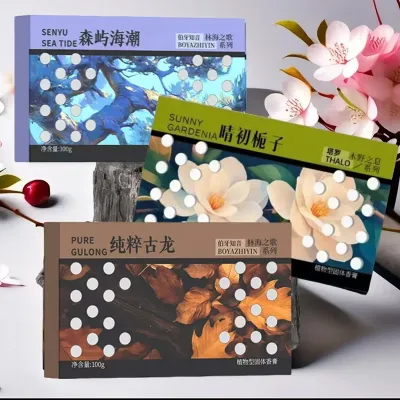
Gel and solid-block refreshers are highly popular because they eliminate the immediate risk of liquid spills. When placed in a cup holder or under a seat, a solid gel releases its scent gradually as the outer layer evaporates. However, the intense heat of a parked car can severely test these materials. Under extreme temperatures, lower-grade gels can liquefy, shrink rapidly, or melt into a sticky residue that no longer emits a pleasant aroma.
To avoid these issues, it is essential to observe the physical state of the product during the first few weeks of use. If you notice a gel format shrinking at an alarming rate or changing color rapidly, the formulation may not be suited for tropical climates. When shopping, look for products that explicitly state they are formulated for high-temperature environments or feature solid ceramic or clay carriers, which retain their structural integrity regardless of the temperature inside the cabin.
Vent Clips and Hanging Cards
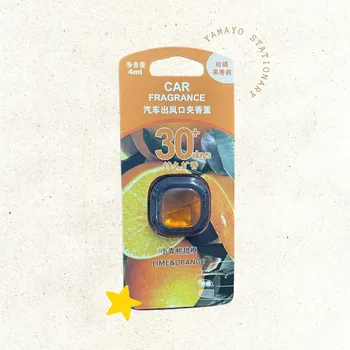
Vent clips are designed to work in tandem with your car’s air conditioning system. This mechanism is highly advantageous in a tropical climate because scent distribution is actively regulated: the fragrance is dispersed primarily when the fan is running, and the cool air from the vents helps moderate the temperature of the clip itself. However, when the car is parked in the sun with the engine off, the stagnant, hot air inside the cabin will still cause the liquid or membrane reservoir inside the clip to evaporate passively, albeit at a slower rate than fully exposed formats.
Hanging cards, typically made of infused cardboard, represent the most budget-friendly option but offer the lowest durability in hot and humid weather. Because they rely entirely on passive evaporation and have no protective housing, their volatile organic compounds release all at once when exposed to high heat. Within a few days of parking in direct sunlight, a hanging card can lose its potency entirely. Additionally, the moisture in Singapore’s humid air can cause the cardboard to warp and degrade, making this format a poor choice for long-term freshness.
Liquid Diffusers and Aerosol Sprays
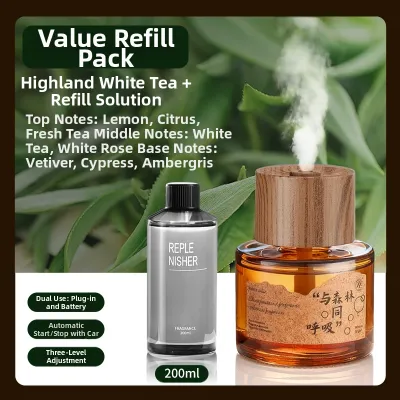
Liquid-based bottle diffusers, which often use a wooden cap or wick to draw up fragrance oil, offer a strong and consistent scent. However, they carry a high risk of leakage. As temperatures rise inside a parked car, the air inside a liquid reservoir expands, which can force the liquid upward and cause it to seep out. If these concentrated oils drip onto plastic dashboard panels, leather upholstery, or synthetic trims, they can cause permanent bubbling, peeling, or discoloration.
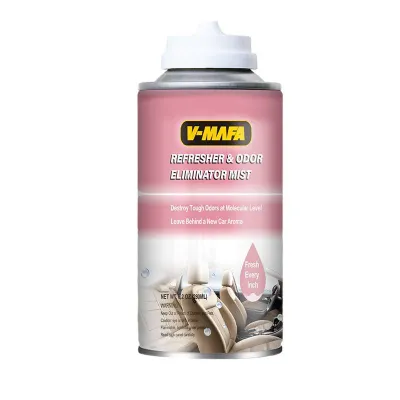
Aerosol sprays and pressurized odor eliminators provide immediate, targeted relief from sudden smells but do not offer continuous freshness. If you choose to keep an aerosol spray in your vehicle, you must exercise extreme caution. Pressurized cans are highly sensitive to thermal expansion. You must consult the product label for maximum storage temperatures and ensure the can is stored safely out of direct sunlight—or, ideally, removed from the vehicle entirely when parked—to mitigate safety risks.
Electronic and Smart Diffusers
Electronic and smart diffusers represent the modern approach to vehicle fragrance management. These devices typically plug into a USB port or run on rechargeable batteries, using ultrasonic vibration or a small internal fan to atomize fragrance oil into a fine mist. The primary benefit of an electronic system is control: many models feature motion sensors or ignition triggers that automatically turn the device off when the vehicle is stationary. This completely eliminates passive evaporation while the car is parked in the heat, ensuring your fragrance oil is only consumed when you are actually driving.
Despite their efficiency, electronic diffusers introduce hardware considerations that require careful verification. Because these devices contain circuit boards and, in many cases, lithium-ion batteries, they must be rated to withstand high cabin temperatures. Before purchasing an electronic diffuser, check the manufacturer’s user manual or product label for its certified operating and storage temperature limits. If the device uses a built-in rechargeable battery, ensure it has built-in thermal protection, or opt for a model that runs strictly on a direct USB connection to minimize heat-related battery risks.
What to Check on the Label for Heat-Suitable Refreshers
When shopping for a car refresher that can survive the tropical climate, you should look beyond appealing scents and aesthetic designs. The product packaging and manufacturer specifications contain critical details that indicate how well a freshener will perform under high thermal stress. Do not rely on generic marketing terms like “long-lasting” or “tropical formula,” as these are not standardized metrics of heat resistance.
Instead, examine the label for the following technical and structural indicators:
- Operating Temperature Range: High-quality automotive accessories often list a certified temperature tolerance (for example, up to 60°C or 70°C). Selecting a product with a clearly defined thermal limit provides assurance that the housing and fragrance carrier will not degrade in a hot cabin.
- Alcohol-Free Formulations: Alcohol is highly volatile and evaporates rapidly even at room temperature. In a hot car, alcohol-based fragrances will deplete almost instantly. Look for oil-based, gel-based, or solid-state formulations that list low-volatility or alcohol-free ingredients on the packaging.
- Spill-Proof and Sealed Designs: For liquid or gel products, check if the packaging specifies a leak-proof membrane or a sealed chamber. Membrane-based vent clips, for instance, allow fragrance molecules to pass through while keeping the liquid securely contained, even if the unit is tilted or subjected to vibration.
- UV-Resistant Housing: Prolonged exposure to sunlight can degrade plastic housings, causing them to become brittle, crack, and leak. Premium products often specify UV-stabilized or heat-resistant plastics (such as high-grade polycarbonate or ABS) that resist warping and discoloration.
By prioritizing these explicit manufacturer specifications and safety warnings over vague marketing claims, you can select a product that offers both longevity and peace of mind.
Safe Placement and Maintenance in a Parked Hot Car
Where and how you install your car refresher plays a decisive role in its lifespan and your safety. To slow down the evaporation process, you should minimize the product’s exposure to direct sunlight. Placing gel canisters or solid blocks in lower dashboard cubbies, door pockets, or under the front passenger seat keeps them in shaded, slightly cooler zones of the cabin, drastically extending their usable life.
Safety must remain your primary concern when positioning any interior accessory. You must never place a car freshener, diffuser, or mounting bracket on or near the vehicle’s airbag deployment zones—such as the center of the steering wheel, the passenger-side dashboard panel, or the side pillars. In the event of a collision, a misplaced object can be launched into the cabin with extreme force, causing severe injury. Additionally, avoid mounting heavy diffusers directly onto delicate air vent louvers, as the combined weight and heat-softened plastic can cause the vents to crack.
Maintaining your air freshener involves simple, routine checks. Every few weeks, inspect the device for any signs of physical degradation, such as warped plastic, cracking seals, or leaking fluid. If you are using a gel-based product and notice it has begun to liquefy or leave a sticky residue, wipe the area immediately with a damp microfiber cloth to prevent permanent staining on your car’s interior surfaces. If any product shows signs of structural failure, warping, or leakage, remove and discard it immediately to protect your vehicle’s cabin.
Frequently Asked Questions (FAQ)
Can heat cause car air fresheners to explode or leak?
Pressurized aerosol cans carry explicit safety warnings because high heat causes the gas inside to expand, creating a genuine risk of bursting if stored in a hot vehicle. Standard liquid diffusers and gel fresheners do not pose an explosion hazard, but they are highly prone to leaking, melting, or warping when exposed to extreme cabin temperatures. To prevent interior damage and ensure safe operation, always consult and follow the manufacturer’s specific storage, mounting, and safety instructions.
How can I make my car refresher last longer in the heat?
To maximize the lifespan of your car refresher, focus on keeping your cabin as cool as possible. Whenever possible, park your vehicle in shaded areas or covered multi-storey car parks. Utilizing a high-quality reflective windshield sunshade when parking outdoors can significantly reduce interior temperatures, slowing down the evaporation of gels and liquids. Additionally, choosing fresheners with adjustable vent covers, sealable lids, or smart electronic controls allows you to restrict fragrance release when the car is parked, preserving the scent for when you are actually on the road.

Community discussion
Share your experience or ask a question. Comments are reviewed before publication.