
How to Assess Your Dashboard Space and Driving Needs
Navigating the bustling streets of Singapore requires a highly organized cabin. Between managing real-time GPS navigation along busy expressways like the CTE, keeping your morning takeaway coffee upright, and ensuring your parking cards are within arm’s reach, your car’s dashboard handles a lot of responsibilities. Choosing the right car holder hook is not just about picking the first accessory you see online; it requires a thoughtful evaluation of your daily driving habits, the physical layout of your center console, and the materials inside your vehicle.
To build a practical decision-making framework, start by identifying your primary daily driving pain points. If you rely heavily on navigation apps to avoid ERP charges or heavy traffic, your priority is clear visibility and secure device placement. If you frequently pick up local takeaway food (“dabao”) or carry a small work bag, your main concern is preventing items from sliding off the passenger seat and spilling onto the floor mats. For drivers who simply want to keep charging cables, sunglasses, or face masks from cluttering the center console, a lightweight, low-profile storage solution is the ideal choice.
Next, carefully examine your dashboard’s physical layout. Modern vehicles feature organic, sweeping dashboard designs with very few perfectly flat surfaces. Suction-based mounts and rigid adhesive hooks require flat or minimally curved areas to establish a secure hold. If your dashboard is dominated by a large, floating infotainment screen or curved trim panels, your mounting options will be significantly constrained.
Products mentioned in this guide
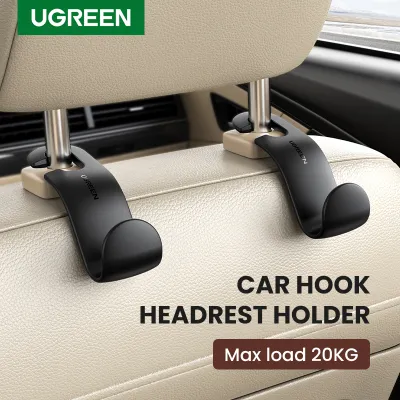
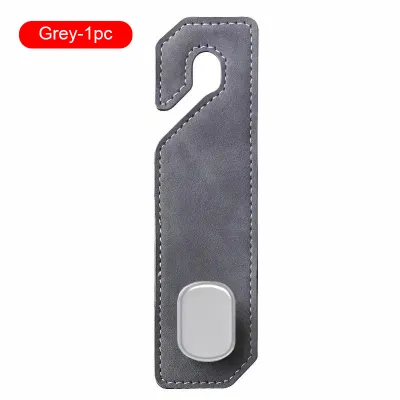
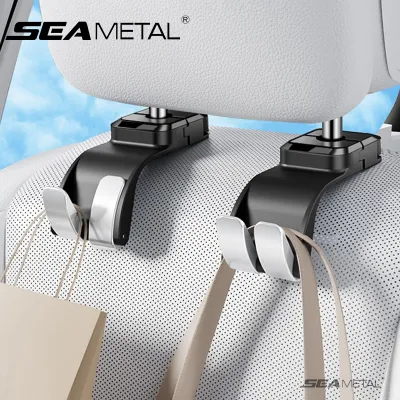
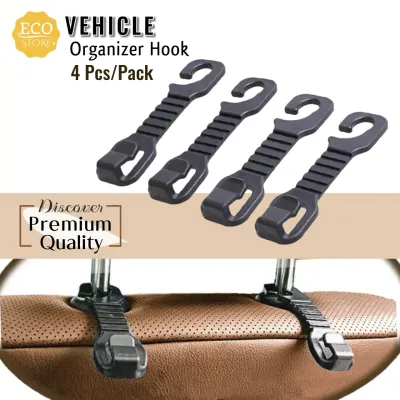
![[SG STOCK] 2/4 Pcs Universal Car Seat Hanger Hook Holder](https://img.lazcdn.com/g/p/e6027d8aeb82ad0d076aef7c18d1a70b.jpg_400x400q80.jpg_.webp)
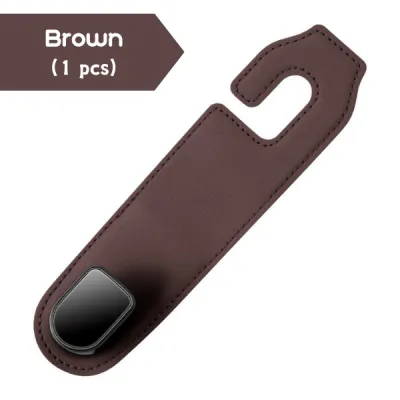
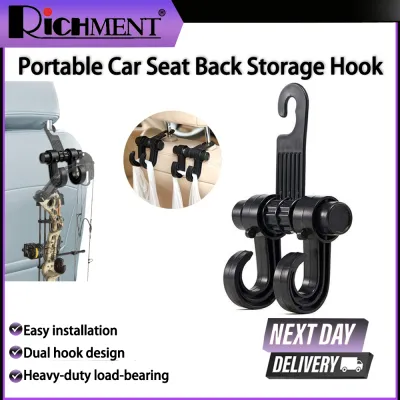
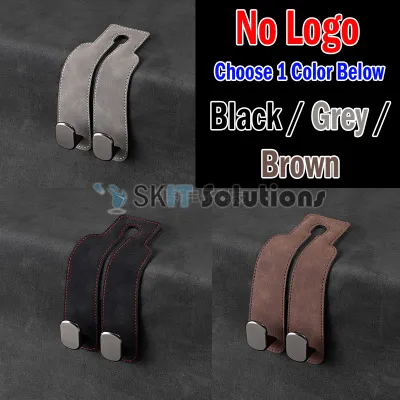
Prices are valid at publication and may change. Please refer to the product page for the latest price.
You must also evaluate the texture and composition of your dashboard materials. Hard ABS plastics are highly receptive to adhesives, whereas textured vinyl, soft-touch polyurethane, and premium leather-wrapped panels present unique challenges. Textured surfaces contain microscopic gaps that prevent suction cups from forming a reliable vacuum, while soft-touch coatings can peel or delaminate if a high-strength adhesive is removed. By matching your specific daily routine and dashboard characteristics to the right category of car holder hook, you can create a safer, cleaner, and more efficient driving environment.
Phone Mounts vs. Bag Hooks vs. Multi-Purpose Storage: Which Fits Your Routine?
Selecting the ideal car holder hook comes down to understanding the distinct engineering and design principles behind the three main product categories. Each type is optimized for a specific functional task, and choosing the wrong one can lead to damaged electronics, messy spills, or an untidy cabin.

Phone Mounts for Active Navigation
For drivers who need constant access to GPS navigation, traffic alerts, and hands-free calls, a dedicated phone mount is an essential interior accessory. These mounts are engineered with specialized gripping mechanisms designed to withstand the vibrations, sudden stops, and sharp turns typical of daily driving.
Magnetic mounts offer unmatched convenience, allowing you to attach and detach your phone with a single hand. They rely on a thin metal plate adhered to your phone or slipped inside your case. However, you must consider wireless charging compatibility; if the metal plate is placed directly over the phone’s internal charging coil, it can block wireless chargers or cause dangerous induction heating. MagSafe-compatible magnetic mounts solve this issue for compatible smartphones by aligning the magnets in a ring around the charging coil.
Mechanical clamping mounts use spring-loaded or gear-driven arms to clamp the sides of your phone. While highly secure, they often require two hands to operate unless they feature a one-touch automatic locking trigger. Gravity-based mounts use the weight of your phone to pull the side arms inward. While incredibly easy to use, gravity mounts only support portrait orientation and can rattle loudly when empty.
When positioning a phone mount, prioritize your line of sight. The screen should sit within your peripheral vision so you can glance at maps without taking your eyes off the road. Ensure the mount does not block your view of the native infotainment screen, physical air conditioning dials, or instrument cluster. Additionally, plan your charging cable routing; a long cable hanging from a high-mounted phone can drape over your gear shifter or steering column, creating a physical hazard.
Bag Hooks for Commuters and Groceries
If your primary goal is to keep personal items, shopping bags, or takeaway food secure, a heavy-duty bag hook is the correct choice. In Singapore’s warm climate, picking up hot noodle soups, iced drinks, or fresh groceries is a daily routine. Placing these items on the passenger seat is highly risky, as even moderate braking can cause liquids to tip over, leaving stubborn odors and stains on your upholstery.
Unlike headrest hooks that hang behind the front seats for rear passengers, dashboard bag hooks are designed to mount on the center console, passenger-side footwell, or glovebox trim. This lower placement is intentional; keeping heavy bags low to the ground maintains a low center of gravity, preventing them from swinging wildly during tight turns or sudden lane changes.
Before purchasing a bag hook, always check the manufacturer’s rated weight capacity. High-quality adhesive bag hooks are typically rated to support between 1.5 kg and 3 kg. Exceeding these structural limits can snap the plastic hook or pull the adhesive base clean off the dashboard, potentially tearing the delicate vinyl skin of your center console.
Using a dedicated bag hook keeps your cabin clean and hygienic. It prevents your work bags and groceries from coming into contact with the dirt, dust, and moisture on the car floor mats, ensuring your personal belongings remain clean throughout your journey.
Multi-Purpose Hooks for Light Accessories
Multi-purpose hooks are lightweight, highly versatile organizers designed to manage the small clutter that accumulates during daily commutes. These hooks are perfect for hanging lightweight items such as face masks, sunglasses, charging cables, house keys, or small umbrella lanyards.
Unlike phone mounts or heavy-duty bag hooks, multi-purpose hooks feature a low-profile, minimalist design. Often constructed from flexible silicone or matching black ABS plastic, they are designed to blend seamlessly into your car’s interior trim. When not in use, they are practically invisible, preserving the clean, uncluttered aesthetic of your dashboard.
The primary advantage of multi-purpose hooks is their versatility in placement. Because they are small and lightweight, you can install them on the side of the steering column, near the glove box latch, or along the lower edge of the center console.
However, they have clear limitations. They lack the structural reinforcement required to hold heavy bags and do not feature the secure clamping or magnetic mechanisms necessary to keep expensive electronics in place. Attempting to use a simple utility hook to hold a smartphone or a heavy shopping bag is highly unstable and poses a significant safety risk while driving.
Critical Safety and Layout Checks Before Installation
Before you install any car holder hook or accessory on your dashboard, you must perform several critical safety and compatibility checks. Failing to do so can compromise your vehicle’s safety systems, violate local road safety guidelines, or cause costly damage to your car’s interior.
Airbag Deployment Zones
This is the most critical safety rule: never install any hook, mount, adhesive accessory, or phone holder on or near passenger, side-curtain, or knee airbag panels. Airbags deploy with explosive force—often exceeding 300 km/h—within milliseconds during a collision.
If an accessory is mounted on an airbag cover or within its deployment path, it can be launched into the cabin as a high-speed projectile, causing severe injuries to the driver or passengers. Consult your vehicle’s owner’s manual to identify the exact locations of all interior airbags. Look for the embossed “SRS Airbag” lettering on your dashboard and ensure your chosen mounting location is completely clear of these zones.
Driver's Line of Sight
Maintaining an unobstructed view of the road is paramount for safe driving. The Land Transport Authority (LTA) and traffic safety guidelines emphasize that a driver’s forward and peripheral vision must remain clear.
Avoid mounting phone holders or tall hooks high on the dashboard or near the A-pillars. Large mounts placed in these areas can create significant blind spots, making it difficult to spot pedestrians, cyclists, or motorcyclists, especially when turning at junctions or navigating roundabouts. Position your mounts lower on the center console or integrated neatly with the air vents to keep your windscreen view completely clear.
Material Compatibility
Modern car interiors feature a wide variety of premium materials, including real leather, synthetic leather (such as Sensatec or Alcantara), soft-touch painted plastics, and wood veneers. Strong chemical adhesives, such as acrylic foam tapes, form an incredibly tight bond with these surfaces.
Applying an adhesive hook directly to a leather-wrapped or soft-touch dashboard can cause permanent damage. When you attempt to remove the hook, the adhesive can tear the leather fibers or peel away the delicate soft-touch paint layer. Always check your vehicle’s interior care manual. If you must use an adhesive hook, limit its placement to hard, non-porous ABS plastic panels, or test a small, hidden area first to ensure the material can withstand adhesive application and removal.
Air Vent and Sensor Clearance
Ensure your chosen mounting location does not block critical vehicle systems. Avoid completely blocking climate control vents, as this restricts airflow and forces your air conditioning system to work harder to cool the cabin in hot weather.
Additionally, do not cover ambient light sensors, which are typically located near the base of the windshield and control your automatic headlights and instrument cluster dimming. Finally, verify that your hook and any hanging items do not block the field of view of your front-facing dashcam or any internal driver-monitoring sensors.
Quick Comparison: Matching the Right Hook to Your Needs
To help you quickly identify the best solution for your cabin, use this comparison table to match your primary driving requirements with the most suitable style of car holder hook.
| Hook Type | Primary Use Case | Ideal Placement | Weight Capacity | Best Suited For |
|---|---|---|---|---|
| Phone Mount | Active GPS navigation & hands-free calls | Upper dashboard, air vents, or near infotainment screen | Up to 500g (device weight) | Drivers relying on real-time traffic maps |
| Bag Hook | Hanging grocery bags, purses, or takeaway food | Lower center console, passenger footwell side | 1.5 kg to 3 kg | Commuters, shoppers, and food delivery drivers |
| Multi-Purpose Hook | Organizing cables, masks, keys, and sunglasses | Console side, glove box trim, or steering column | Up to 1 kg | Drivers seeking a tidy, clutter-free cabin |
Securing Your Hook in High-Heat Cabin Environments
Singapore’s tropical climate presents a unique challenge for car interior accessories. When parked outdoors under the intense tropical sun, the greenhouse effect can cause cabin temperatures to soar to 60°C or even 70°C.
This extreme heat softens standard double-sided adhesives, causing hooks to slide, tilt, or fall off completely, leaving behind a sticky, melted residue. To ensure your car holder hook remains securely attached, follow these professional installation and maintenance steps.
First, proper surface preparation is absolutely critical. Before applying any adhesive hook, clean the target area thoroughly with 70% isopropyl alcohol. This step removes microscopic dust, skin oils, and dashboard dressings (such as silicone-based protectants) that prevent adhesives from bonding. Avoid using household glass cleaners or multi-purpose sprays, as they often leave behind a slick residue that ruins the adhesive bond.
Second, apply the adhesive when the cabin is cool. Choose a shaded multi-story carpark or perform the installation in the cool of the morning. Once the surface is dry, peel the backing tape, position the hook, and press it firmly against the dashboard for at least 60 seconds. This pressure-sensitive adhesive requires firm, even pressure to force the polymer chains into the microscopic pores of the plastic surface.
Third, allow the adhesive to cure. Do not hang any weight on the hook immediately. Most automotive-grade acrylic foam tapes (such as genuine 3M VHB) require at least 24 hours—and ideally up to 72 hours—to reach their full bonding strength.
Finally, monitor the adhesive over time. The combination of high heat and high humidity will eventually degrade any adhesive backing. Periodically check the hook’s stability; if you notice any peeling or shifting, remove the hook, clean the surface, and apply a fresh, high-temperature-rated automotive adhesive pad.
If you frequently park your car in unsheltered areas and want to avoid adhesives altogether, consider mechanical mounting alternatives. High-quality air vent clips or CD slot mounts do not rely on chemical adhesives and remain completely unaffected by extreme cabin temperatures.
Frequently Asked Questions (FAQ)
Can I use a multi-purpose bag hook to hold my phone?
No, using a simple multi-purpose hook to hold your phone is highly discouraged. Multi-purpose hooks are open utility hooks designed for hanging items with loops, straps, or lanyards. They lack the active tension, mechanical clamping arms, or magnetic force required to grip a smartphone securely. If you attempt to balance your phone on an open hook, the device will likely slide off during a turn, sudden stop, or acceleration. This can damage your phone, distract you while driving, or worse, fall into the driver’s footwell and lodge behind the brake pedal, creating an immediate safety hazard.
Will adhesive car holder hooks damage my dashboard?
Whether an adhesive hook damages your dashboard depends entirely on the dashboard material and the type of adhesive used. High-quality, automotive-grade adhesives are engineered to hold securely but can still damage delicate surfaces like real leather, suede, Alcantara, or soft-touch painted coatings when removed. To prevent damage, only apply adhesive hooks to hard, non-porous ABS plastic panels.
When it is time to remove the hook, never pry it off dry. Instead, use a plastic trim removal tool, apply gentle heat with a hairdryer to soften the adhesive, and slowly peel it back. Any remaining sticky residue can be rolled off with your thumb or cleaned safely with a mild, automotive-safe adhesive remover, followed by a wipe with a damp microfiber cloth.
Community discussion
Share your experience or ask a question. Comments are reviewed before publication.