
Driving in Singapore means navigating year-round tropical heat, high humidity, and frequent traffic congestion on expressways like the PIE and CTE. Under these conditions, an improperly chosen car headrest pillow can quickly turn from a comfort accessory into a hot, damp liability that traps sweat and causes neck discomfort. To maintain a cool, dry, and hygienic driving experience, the best choice is a car headrest pillow made from highly breathable, moisture-wicking materials such as 3D spacer mesh or natural plant-based fibers like linen and bamboo-derived viscose. These materials actively facilitate airflow and prevent the buildup of heat and moisture against your skin.
Selecting the right material requires understanding how different fabrics and foam cores react to high ambient humidity and localized body heat. By focusing on structural breathability and ease of maintenance, you can ensure your headrest pillow provides ergonomic support without compromising your comfort during long, humid drives.
Why Singapore's Climate Demands Specific Headrest Materials
Singapore’s tropical climate, characterized by relative humidity levels that frequently exceed 80% and daytime temperatures consistently above 30°C, places unique demands on automotive interior accessories. When you sit in a car, your neck and upper back remain in constant contact with the seat. If your headrest pillow is made of dense, non-breathable material, it blocks the natural evaporation of sweat, leading to rapid heat buildup and a sticky, uncomfortable sensation within minutes of starting your journey.
Products mentioned in this guide

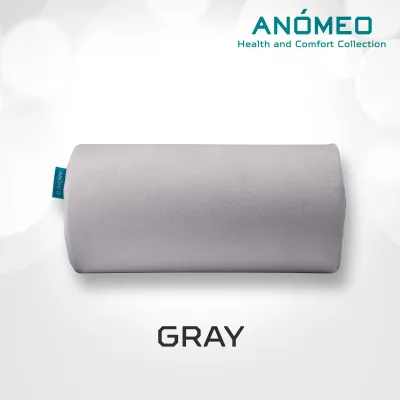
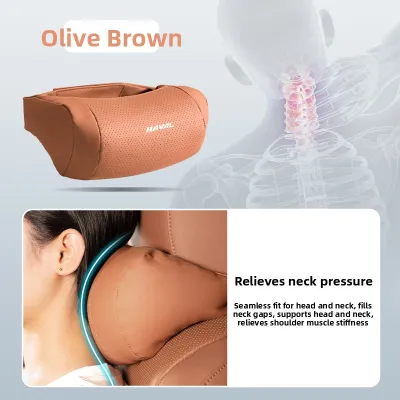
Prices are valid at publication and may change. Please refer to the product page for the latest price.
This continuous accumulation of sweat and body oils does more than just cause physical discomfort. In a high-humidity environment, damp fabrics that cannot dry quickly become prime breeding grounds for mold, mildew, and bacteria. Over time, these microorganisms break down organic matter, leading to persistent, musty odors inside your cabin that are exceptionally difficult to eliminate.
To combat these climate-specific challenges, a suitable car headrest pillow must meet several strict performance criteria. It must offer high breathability to allow continuous air circulation, active moisture-wicking properties to pull sweat away from your skin, quick-drying capabilities to prevent bacterial growth, and a design that is easy to clean and maintain regularly.
Top Breathable Materials for Tropical Drives
To achieve a cool and comfortable drive, you must evaluate headrest pillows based on their physical structure and moisture-management capabilities. Several materials stand out for their ability to handle high heat and humidity effectively.

Natural Plant-Based Fibers (Linen, Cotton, Bamboo)
Linen and bamboo-derived viscose are highly recommended natural options for tropical driving. Linen possesses a naturally loose, porous weave and excellent heat conductivity, allowing it to feel instantly cool to the touch while letting air flow freely. Bamboo-derived viscose is exceptionally soft, highly absorbent, and naturally wicks moisture away from the skin, allowing it to evaporate quickly into the cabin air.
Cotton is another widely available natural fiber that offers excellent initial moisture absorption. However, cotton has a natural tendency to retain water rather than release it. If the cotton cover is woven too tightly or is excessively thick, it will hold onto sweat and remain damp for long periods, which can feel clammy against your neck during extended commutes.
When shopping for natural fiber pillows, always inspect the product label to verify the fiber content. Prioritize covers with a high percentage of natural linen or bamboo, and look for loose, visible weaves that indicate high air permeability. Additionally, ensure the pillow features a removable cover so you can wash out accumulated oils and sweat regularly.
Engineered Cooling Mesh and Moisture-Wicking Synthetics
Modern synthetic fabrics offer highly engineered solutions designed specifically for continuous ventilation. The most effective of these is 3D spacer mesh, also known as sandwich mesh. This material features a unique three-dimensional structure where vertical micro-filaments are sandwiched between two highly porous mesh layers. This design creates a physical air gap, allowing heat and moisture to escape outward while cooler cabin air circulates through the pillow.
Performance athletic fabrics, such as specialized polyester-nylon blends used in sportswear, are also excellent choices. These fabrics utilize capillary action to pull sweat away from your skin and spread it over a large surface area, allowing it to dry significantly faster than standard cotton or synthetic blends.
When evaluating synthetic options, visually inspect the mesh to confirm its depth and structural integrity. Check the product tags or manufacturer specifications for terms like “3D mesh,” “moisture-wicking,” or “quick-dry” to ensure the fabric is engineered for airflow rather than being a basic, tightly woven polyester cover.
Cooling Gel-Infused Memory Foam (With Caveats)
Memory foam is highly favored for its superior neck support and pressure relief, but standard memory foam is a dense material that naturally traps body heat. In Singapore’s climate, a solid block of memory foam can act as a heat sink, gradually warming up and causing noticeable discomfort during your drive.
To enjoy the ergonomic benefits of memory foam without the associated heat, look for cooling gel-infused variants. These pillows incorporate a layer of conductive gel or phase-change materials (PCM) on the surface, which temporarily absorbs and dissipates initial body heat. Some models also use open-cell memory foam, which has a more porous structure than traditional closed-cell foam.
Crucially, the foam core must feature physical ventilation holes or perforations to allow trapped heat to escape. When choosing a gel-infused memory foam pillow, ensure the outer cover is thin and highly breathable, and physically inspect the foam core if possible to verify the presence of visible air channels.
Headrest Materials to Avoid in High Heat and Humidity
To prevent discomfort and premature product degradation, several common headrest pillow materials should be avoided in tropical climates.
PU (polyurethane) leather and vinyl are highly impractical for hot weather. These synthetic materials act as complete vapor barriers, trapping heat and sweat directly against your skin. Over time, the combination of localized sweat, body oils, and high ambient humidity causes PU leather to undergo hydrolysis, leading to a sticky texture, cracking, and peeling.
Dense, non-ventilated memory foam should also be avoided. Without physical air channels or an open-cell structure, the foam cannot release the heat absorbed from your neck, turning the pillow into a persistent hot spot during long drives.
Thick plush, velvet, and faux fur covers are equally unsuitable. While they may feel soft to the touch, their dense fibers trap moisture, dust, and sweat, creating a swampy environment that quickly leads to hygiene issues and unpleasant odors inside your vehicle.
Finally, avoid any car headrest pillow that does not feature a removable cover. If you cannot easily remove and wash the outer layer, sweat and oils will permanently accumulate in the pillow core, making it impossible to maintain proper hygiene in a humid climate.
How to Verify Breathability and Cooling Claims Before Buying
Navigating marketing claims can be challenging, as many brands use vague terms like “ice silk” or “instant cooling.” To make an informed decision, you should use practical, observable methods to evaluate products before purchasing.
First, read product labels critically. Look for specific, structural terms such as “3D air mesh,” “bamboo-derived viscose,” or “perforated open-cell foam” rather than generic marketing buzzwords. These terms indicate that the product’s cooling properties are derived from its physical construction rather than temporary chemical treatments.
If you are shopping in-store, perform a visual and tactile check. Hold the fabric cover up to a light source to assess the density of the weave; a looser, more open weave indicates better airflow. You can also test air permeability by holding the fabric close to your mouth and gently blowing through it to feel how easily air passes through the material.
Verify the cover design by inspecting the zipper. A high-quality car headrest pillow should feature a robust, fully removable cover that allows for easy laundering and thorough drying. For the core itself, press the foam firmly; if it compresses and releases without trapping air, it likely possesses a highly breathable structure.
Before installing any aftermarket car headrest pillow, consult your vehicle’s owner manual to verify if your seats are equipped with active headrest safety systems. These safety mechanisms deploy forward during a rear-end collision to prevent whiplash. Any accessory that wraps tightly around the headrest posts or alters the physical deployment path can compromise this safety feature. Ensure the mounting straps do not interfere with the seat’s internal mechanisms or your seatbelt placement.
Maintenance Tips to Prevent Mold and Odors in Humid Weather
Proper maintenance is crucial to extending the life of your car headrest pillow and keeping your car’s interior fresh. Establish a regular washing routine for the removable cover. Wash the cover every two to four weeks using a mild detergent, and ensure it is 100% dry before reattaching it to the pillow core to prevent mold from taking root. Always check the manufacturer’s care label first, as some specialized cooling fabrics require cold water or air-drying to preserve their properties.
To keep the pillow core fresh, periodically air it out in indirect sunlight or a well-ventilated room. Avoid exposing memory foam or synthetic fibers to direct, harsh midday sunlight, as intense UV rays can degrade the materials and cause them to crumble or lose their shape.
Managing your car’s overall interior environment also plays a vital role. Utilize your vehicle’s air conditioning system to lower cabin humidity, and consider placing a compact in-car dehumidifier nearby. Avoid leaving your car parked in direct sunlight with the windows fully closed for extended periods, as the extreme heat buildup can accelerate the degradation of both the pillow and your car’s seats.
Frequently Asked Questions (FAQ)
Can I use a leather car headrest pillow if my car has strong air conditioning?
Even with a powerful air conditioning system, leather lacks the natural breathability required at the direct point of contact with your skin. While the cabin may feel cool, the lack of airflow between your neck and the leather surface can still lead to localized sweating and discomfort. If you prefer the look of leather, consider using a highly breathable fabric cover over the pillow, or ensure your driving posture limits direct, prolonged skin contact with the headrest.
How often should I wash my car headrest pillow in Singapore's climate?
In Singapore’s humid climate, it is best to wash the removable cover every 2 to 4 weeks, depending on your daily commute length and personal sweat levels. Regular washing removes accumulated sweat, skin oils, and dust mites. Always consult the manufacturer’s care label before washing to avoid shrinking the fabric or damaging specialized moisture-wicking and cooling fibers.
Community discussion
Share your experience or ask a question. Comments are reviewed before publication.