
When choosing a car disinfectant to protect your vehicle in Singapore’s intense tropical climate, standard off-the-shelf cleaning products often fall short. The ideal car disinfectant for Singapore’s high humidity and heat is a fast-drying, residue-free formula containing active antimicrobial agents like quaternary ammonium compounds. It must possess specific anti-fungal properties to actively inhibit mold and mildew growth, rather than just killing surface bacteria. Because excess moisture is the catalyst for mold in closed environments, the product must evaporate rapidly without leaving a sticky film that traps airborne dust and organic matter.
Maintaining a clean cabin in a tropical environment requires a systematic approach to sanitization. Simply spraying household disinfectants or relying on deodorizing air fresheners will not solve the root cause of musty cabin odors. Understanding how tropical conditions affect chemical efficacy and material safety is essential to keeping your vehicle’s interior hygienic and structurally sound over the long term.
Why Singapore's Heat and Humidity Demand Specific Car Disinfectants
Singapore’s climate presents a unique set of challenges for vehicle interior maintenance. With relative humidity levels consistently hovering around 84% and daily temperatures frequently exceeding 30°C, a parked car quickly turns into a high-heat incubator. When a vehicle is left under the sun, the greenhouse effect traps solar radiation, driving cabin temperatures up to 60°C or higher. This combination of intense heat and trapped moisture creates the perfect breeding ground for biological contaminants, including mold spores, mildew, and bacteria.
Products mentioned in this guide
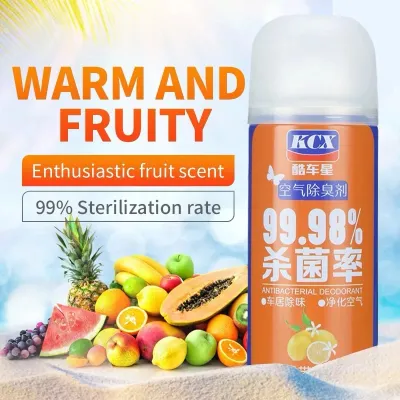
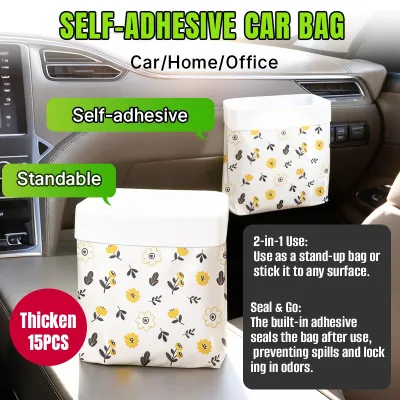
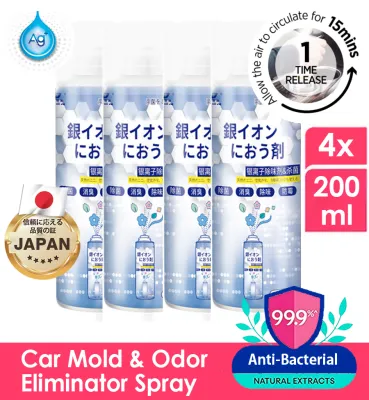
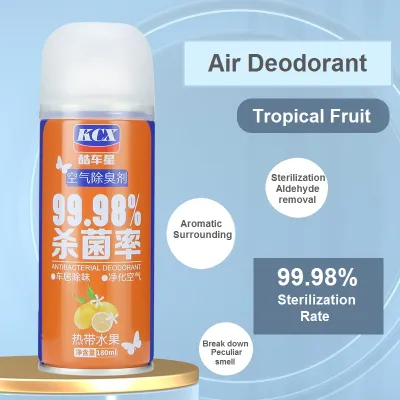
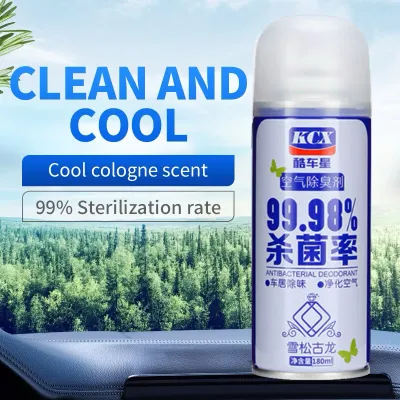
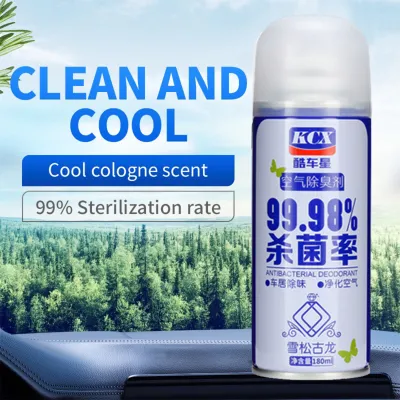
Prices are valid at publication and may change. Please refer to the product page for the latest price.
Many drivers attempt to resolve the resulting musty smells by using standard car air fresheners or hanging diffusers. However, these products merely mask odors with heavy synthetic fragrances. They do nothing to eliminate the underlying bacterial colonies or fungal spores thriving in your upholstery, carpets, and air conditioning vents. In fact, some oil-based air fresheners can deposit organic residues on surfaces, inadvertently providing a food source for microbial growth. True sanitization requires a dedicated car disinfectant designed to disrupt the cellular walls of these organisms.
Furthermore, the high ambient humidity in Singapore dictates that any liquid introduced into the cabin must dry as quickly as possible. When you use slow-evaporating or highly concentrated water-based disinfectants, the excess moisture cannot escape the sealed environment of a parked car. Instead, it sinks deep into fabric seats, carpets, and under-seat foam padding. This trapped dampness triggers deep-seated mold infestations that are incredibly difficult to eradicate. Consequently, selecting a disinfectant with rapid drying characteristics and specific anti-fungal properties is non-negotiable for tropical vehicle care.
Label Checklist: What to Look for in a Tropical-Climate Disinfectant
Selecting the right car disinfectant requires a careful reading of product labels rather than relying on generic marketing claims. Before applying any chemical to your vehicle’s interior, always check your car manufacturer’s manual and the disinfectant label for material compatibility to ensure it can withstand tropical conditions without damaging your vehicle.

Active Ingredients Look for formulas that specify active antimicrobial agents proven to eliminate both bacteria and fungi. Quaternary ammonium compounds (often listed as benzalkonium chloride or alkyl dimethyl benzyl ammonium chloride) are highly effective, low-volatility disinfectants that remain stable under moderate heat. Specialized, automotive-safe alcohol formulations (typically containing isopropyl alcohol at safe, diluted concentrations) are also excellent for rapid evaporation. Avoid products that rely primarily on essential oils, natural plant extracts, or simple deodorizers; while these may smell pleasant, they lack the registered disinfecting power required to completely neutralize resilient mold spores.
Material Safety Verification Automotive interiors are composed of highly sensitive materials, including polyurethane-coated leathers, soft-touch plastics, vinyl, and anti-glare infotainment screens. High cabin temperatures accelerate chemical reactions, meaning a harsh chemical that seems safe at room temperature can cause rapid cracking, peeling, or discoloration when exposed to 60°C cabin heat. Always check the product label for explicit compatibility with automotive interior surfaces. If a product is labeled as a general household surface disinfectant, it is highly likely to strip the protective UV coatings from your dashboard and dry out leather seats over time.
Residue and Drying Time Prioritize disinfectants that are explicitly labeled as “quick-drying,” “residue-free,” or “no-wipe.” In Singapore’s humid climate, any product that leaves a sticky, tacky, or greasy film on your steering wheel, dashboard, or seats will act as a magnet for dust, skin cells, and pollen. This accumulated grime serves as an organic nutrient source, allowing new bacterial and fungal colonies to establish themselves shortly after you finish cleaning. A clean, completely dry surface is your best defense against rapid re-contamination.
Sprays, Wipes, or Foggers: Choosing the Right Format for Humid Cabins
Car disinfectants are available in several distinct delivery formats, each suited to specific areas of your cabin and different levels of contamination. Understanding the trade-offs of each format prevents you from introducing excessive moisture into your vehicle while ensuring comprehensive coverage.
Sprays and Aerosols
Liquid sprays and aerosol disinfectants are highly versatile tools for treating broad surfaces, fabric upholstery, and hard-to-reach crevices. Aerosols are particularly advantageous in humid climates because they deliver a very fine, pressurized mist that distributes a thin layer of active ingredients across carpets and fabric seats. This fine mist maximizes surface contact while minimizing the volume of liquid deposited, allowing the product to dry rapidly before it can sink deep into the seat cushioning.
When using a spray, avoid heavy saturation. Light, even passes are far more effective and safer than soaking the material. If you are treating fabric seats, ensure you keep the windows open during application to facilitate immediate evaporation. For hard surfaces, immediately wipe away any excess liquid with a clean microfiber cloth to prevent pooling in seams or electrical switchgear.
Disinfectant Wipes
For daily maintenance and targeted sanitization of high-touch surfaces, pre-moistened disinfectant wipes are the most practical and controllable option. Wipes allow you to apply the disinfectant directly to specific components—such as the steering wheel, gear shift, door handles, window switches, and seatbelt buckles—without any risk of overspray landing on sensitive electronics or instrument clusters.
However, you must choose wipes specifically formulated for automotive interiors. Standard household disinfecting wipes often contain high concentrations of citric acid, bleach, or harsh alcohols that can strip the delicate matte finishes on steering wheels and leave a sticky residue. Automotive-specific wipes are designed to clean and sanitize while leaving a dry, non-greasy finish that does not attract tropical dust.
Foggers and Ozone Treatments
When a vehicle suffers from a persistent, deep-seated mold issue or a severe odor originating from the air conditioning system, localized sprays and wipes are insufficient. In these scenarios, total-release disinfectant foggers (often called “cabin bombs”) or professional ozone treatments are required to penetrate the entire cabin volume, including the intricate ductwork of the HVAC system.
Foggers release a fine, dry aerosol mist that circulates through the cabin while the air conditioning runs on recirculate mode. This allows the active ingredients to coat the evaporator core and the interior surfaces of the air vents, where mold thrives due to condensation. Ozone treatments use an ozone generator to flood the cabin with O3 gas, which highly oxidizes and destroys organic odor molecules, mold spores, and bacteria.
Because both foggers and ozone treatments involve highly concentrated chemical agents, you must adhere to strict safety protocols. Always vacate the vehicle entirely during the treatment process. Ensure all windows are completely rolled up and doors are tightly sealed. Once the treatment cycle is complete, you must open all doors and windows and air out the cabin thoroughly for at least 30 to 60 minutes before driving. Never breathe in these gases, as they are severe respiratory irritants. For advanced ozone treatments, consulting a qualified automotive detailing professional is highly recommended to prevent damage to internal wiring and rubber seals.
Safe Application and Mold Prevention in High-Temperature Interiors
Applying a car disinfectant effectively in a hot, humid environment requires careful timing and a proactive approach to moisture management. Following proper application protocols protects your health, preserves your vehicle’s interior surfaces, and ensures the active ingredients work as intended.
Timing and Temperature Never apply liquid or aerosol disinfectants to an interior that has been baking in the sun. High cabin temperatures cause water and alcohol carriers to evaporate almost instantly upon contact with hot dashboards or seats. This rapid evaporation prevents the active ingredients from remaining wet on the surface for the required “dwell time” (the contact time specified on the label to successfully kill bacteria and mold). Instead, park your vehicle in a shaded area, such as a multi-storey car park, and allow the interior to cool down completely before starting the disinfection process.
Spot Testing Before applying any new disinfectant to a visible surface, perform a spot test on a small, inconspicuous area—such as the underside of a headrest or a lower section of the door panel. Wait a few minutes and wipe it clean to check for any signs of color transfer, fading, or texture changes. Tropical sun exposure makes automotive plastics and leathers more susceptible to chemical degradation, making this precautionary step essential.
Ventilation Always perform your disinfection work in a well-ventilated space. After completing the application, leave the car doors or windows fully open for several minutes to allow all chemical vapors and residual moisture to escape. Driving immediately in a sealed car with the air conditioning running can trap volatile organic compounds (VOCs) inside the cabin, leading to headaches, dizziness, or respiratory discomfort.
Addressing the Source Surface disinfection is only a temporary fix if your vehicle’s air conditioning system is actively harboring mold. In Singapore’s humid climate, the AC evaporator core constantly produces condensation, creating a damp, dark environment where mold thrives. To prevent re-contamination, replace your cabin air filter regularly—typically every 10,000 to 15,000 kilometers, or sooner if you notice a musty smell upon starting the engine. Additionally, get into the habit of turning off your AC compressor (the A/C button) while leaving the blower fan running on high for the final two minutes of your journey. This simple step helps dry out the evaporator core, removing the moisture that mold needs to grow.
Frequently Asked Questions (FAQ)
Can I use household bleach or standard surface cleaners in my car?
No, you should never use household bleach, hydrogen peroxide, or harsh multi-purpose surface cleaners inside your vehicle. These chemicals are highly corrosive and will permanently discolor, dry out, and crack automotive leather, vinyl, and soft-touch plastics. Additionally, using bleach in a small, enclosed space like a car cabin releases toxic chlorine fumes that can linger in the upholstery and pose a severe health hazard to you and your passengers when the vehicle heats up under the sun. Always use products specifically certified and labeled for automotive interior use.
How often should I disinfect my car interior in a tropical climate?
For standard daily commuting in Singapore, you should wipe down high-touch surfaces—such as the steering wheel, gear shift, and door handles—once a week using automotive-safe disinfectant wipes. A deeper cabin disinfection using an aerosol spray or a fine-mist sanitizer is generally only necessary once every three to six months. However, you should perform immediate targeted disinfection if you transport sick passengers, carry pets, or experience any food or liquid spills, as organic matter will rapidly decay and breed bacteria in the high heat.

Community discussion
Share your experience or ask a question. Comments are reviewed before publication.