
To maintain a pleasant cabin environment in Singapore’s intense tropical climate, choosing the right car diffuser perfume is essential. Solid ceramic, plaster, or high-melt-point wax diffusers, alongside active USB-powered smart nebulizers, perform best in this environment. These formats offer controlled, stable scent release without the rapid evaporation rates of liquids or the melting risks associated with standard gels. By selecting a heat-resistant format and placing it strategically out of direct sunlight, you can enjoy a consistent fragrance while protecting your vehicle’s interior surfaces from chemical damage.
How Singapore's Tropical Heat Impacts Car Diffuser Performance
Singapore’s year-round tropical climate presents a challenging environment for any interior car accessory. With ambient outdoor temperatures consistently hovering between 31°C and 33°C, combined with relative humidity levels that frequently exceed 80 percent, the air inside a vehicle is highly saturated. These baseline conditions place immediate stress on volatile fragrance compounds, which are chemically designed to evaporate to release their scent.
When a vehicle is parked in an open-air carpark, the environmental challenges multiply exponentially due to the greenhouse effect. Solar radiation passes through the windshield and side windows, warming the dark surfaces of the dashboard, seats, and steering wheel. Because this heat cannot easily escape the sealed cabin, internal temperatures can easily soar past 60°C or even 70°C within an hour of parking under direct sunlight.
Products mentioned in this guide


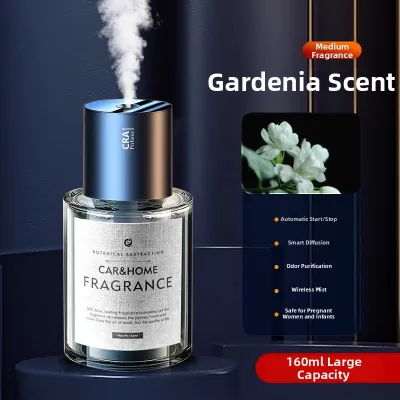
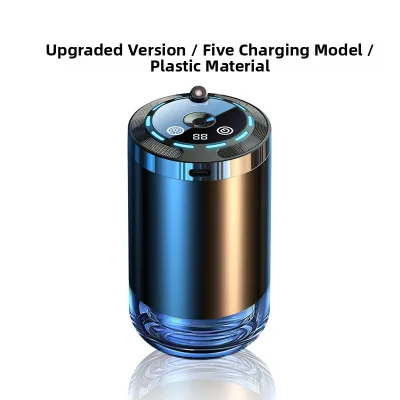
Prices are valid at publication and may change. Please refer to the product page for the latest price.
This extreme thermal buildup directly alters the physical state of various fragrance mediums. High heat accelerates the kinetic energy of liquid perfume molecules, causing them to volatilize at an unsustainable rate. Gels quickly lose their moisture content and shrink into hard, scentless discs, while lower-quality solid structures can soften, melt, or release their binding agents, leading to messy residue inside the container.
Furthermore, Singapore’s high humidity levels significantly change how we perceive fragrance inside the cabin. Water vapor in the air binds with scent molecules, making heavy, sweet, or highly synthetic aromas feel suffocating, sticky, and cloying. If moisture becomes trapped inside a passive diffuser’s wooden or fabric housing, it can also promote the growth of mold and mildew, introducing unpleasant musty odors that defeat the purpose of the air freshener.
Comparing Car Diffuser Formats for Hot and Humid Conditions
Selecting the most effective car diffuser perfume requires evaluating how different physical formats interact with extreme heat and humidity. The ideal option must balance consistent scent throw with physical stability, minimal spill risk, and long-term durability. Understanding these trade-offs helps you avoid wasting money on products that fail after only a few days on the road.

Before purchasing any diffuser, always check the manufacturer’s specific temperature limits, safety warnings, and material compatibility instructions on the product packaging. Some formulations may pose chemical hazards or risk damaging interior surfaces if exposed to temperatures beyond their design specifications.
Liquid Diffusers and Hanging Bottles
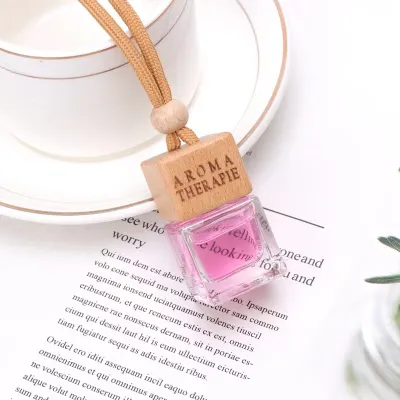
Liquid car diffuser perfumes, typically housed in small glass bottles with porous wooden caps, are highly popular but face severe operational challenges in tropical climates. The primary drawback is their rapid rate of evaporation under high temperatures. When cabin temperatures rise, the liquid oil saturates the wooden cap and volatilizes much faster than intended, often shortening a product designed to last six weeks down to less than ten days.
Beyond rapid depletion, liquid formats carry a high risk of leakage and subsequent chemical damage to your vehicle’s interior. High heat causes the liquid and the air inside the bottle to expand, which can force the perfume oil out through the wooden cap or seal. If these concentrated chemical compounds drip onto synthetic leather, soft-touch plastics, or painted dashboard trims, they can cause bubbling, peeling, or permanent discoloration that is incredibly costly to repair.
If you prefer a liquid format, select bottles featuring high-quality, adjustable wooden caps that allow you to control the saturation level manually. Ensure the bottle is suspended securely where it cannot swing violently or strike the rear-view mirror during sudden braking. Avoid hanging them in direct sunlight or near air vents where cold air conditioning can cause moisture condensation to drip down the bottle’s exterior, potentially carrying dissolved oils onto your center console.
Gel, Solid, and Wax Formats
Gel-based air fresheners are a common budget-friendly option, but they perform poorly under intense tropical heat. As the water and solvent content evaporates, the gel structure shrinks rapidly, often turning into a dry, hard disc within a few weeks. In extreme cases, lower-quality gel formulas can liquefy completely under direct sunlight, presenting a high risk of messy spills if the container is tilted during driving.
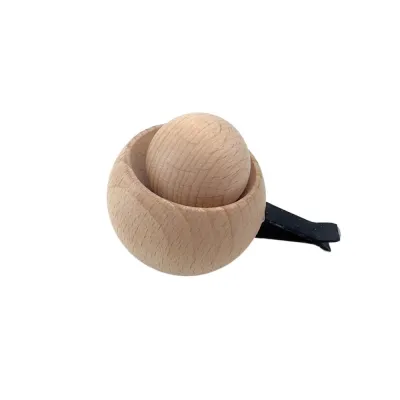
In contrast, solid formats such as scented ceramic blocks, plaster tablets, or high-melt-point wax rings offer superior structural stability. Because they contain no free liquids, they eliminate the risk of catastrophic spills or leaks. However, their scent throw relies entirely on passive evaporation; in cooler, air-conditioned cabins, the fragrance release can sometimes feel too weak unless placed directly in the path of warm air.
When shopping for solid or wax-based diffusers, look specifically for “heat-resistant” or “high-melt-point” specifications on the packaging. Quality manufacturers formulate these products to withstand temperatures up to 80°C without softening or losing their structural integrity, making them highly reliable options for vehicles parked outdoors in Singapore.
Electric, Vent Clip, and Smart Diffusers
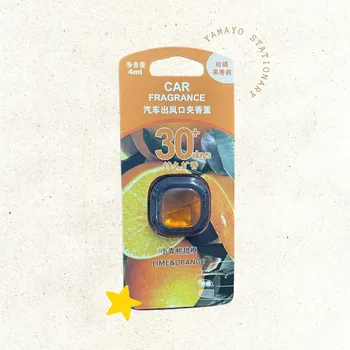
Vent-clip diffusers are highly effective at dispersing fragrance because they leverage the vehicle’s active air conditioning system. However, their performance is highly dependent on airflow; when the car is parked and the AC is turned off, the scent throw drops to zero. While this preserves the fragrance oil, the sudden blast of concentrated scent when you restart the car can be overwhelming.
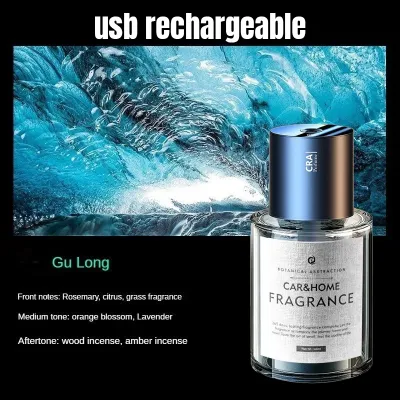
Active electric and smart diffusers use ultrasonic vibration or micro-nebulization to disperse fine particles of essential oils. While they offer precise control over scent intensity, they present unique safety challenges in hot climates. Many portable smart diffusers contain built-in lithium-ion batteries; leaving these devices in a hot car parked under the sun can lead to battery swelling, degradation, or in extreme cases, thermal runaway and fire hazards.
To mitigate these risks, opt for wired USB-powered or solar-powered smart diffusers that do not rely on internal lithium batteries. Additionally, while essential oil pads inside vent clips can dry out quickly when exposed to dry, cold AC air, they tend to preserve their core scent compounds better when the vehicle is turned off, as the closed housing protects the saturated pad from rapid passive evaporation.
Safe Placement and Interior Protection Strategies
Proper placement is crucial to extending the lifespan of your car diffuser perfume and protecting your vehicle’s interior. Placing any type of diffuser on top of the dashboard or on the rear parcel shelf is highly discouraged. These areas receive the highest concentration of direct ultraviolet (UV) rays and solar heat, which rapidly degrades fragrance oils and accelerates physical breakdown.
Instead, position your diffuser in temperature-regulated, shaded locations within the cabin. Cup holders, door pockets, or under-seat mounting brackets are excellent alternatives that remain shielded from direct sunlight. For vent-mounted options, choose a lower vent clip that sits below the direct line of the windshield to minimize solar exposure.
To guard against accidental leaks, implement secondary containment strategies. Placing a small, heat-resistant silicone mat or a dedicated rubber coaster underneath liquid or gel diffusers can catch any drips before they contact your vehicle’s sensitive surfaces. This simple barrier can save you from expensive interior restoration bills.
In the event of a spill, immediate action is required to prevent permanent chemical damage. Blot the liquid immediately with a clean microfiber cloth; do not wipe or rub, as this can spread the chemical and push it deeper into textured plastics or leather pores. Clean the area thoroughly with a mild, pH-neutral interior cleaner or a damp cloth, following the vehicle manufacturer’s care instructions, and dry the surface completely to stop any ongoing chemical reaction.
Choosing the Right Scent Profiles for High Humidity
The chemical behavior of fragrance notes changes dramatically in high-humidity environments. Heavy, sweet, gourmand (such as vanilla or chocolate), or intense, powdery floral scents tend to become cloying and oppressive when mixed with humid air inside a warm cabin. These heavy molecules linger in the moisture-laden air, which can easily trigger headaches or motion sickness during long drives along the CTE or PIE.
To maintain a refreshing cabin environment, select lighter, crisper scent profiles that naturally cut through tropical humidity. Citrus notes (like bergamot, grapefruit, or lime), aquatic accords, green tea, eucalyptus, and light woody notes (such as cedar or bamboo) are excellent choices. These scents feel clean, airy, and energizing without overwhelming the senses.
It is also wise to choose diffusers with adjustable intensity settings. Setting your device to a milder throw prevents a sudden, suffocating blast of fragrance when you first open the car door after it has been parked in the sun. Letting the AC run for a minute to dehumidify the cabin before turning up the diffuser intensity ensures a much more pleasant driving experience.
Frequently Asked Questions (FAQ)
Can I leave an electric car diffuser in my parked car?
Leaving battery-operated electric diffusers in a parked car under direct sunlight is highly unsafe due to the extreme heat buildup. High cabin temperatures can cause internal lithium-ion batteries to swell, leak, or overheat, posing a serious fire risk. If your electric diffuser uses a built-in rechargeable battery, always remove it from the vehicle when parking outdoors, or switch to a strictly wired USB-powered model that operates only when the ignition is turned on.
How often should I replace my car diffuser in tropical weather?
In Singapore’s hot climate, you should expect to replace or refill your car diffuser more frequently than indicated by standard manufacturer timelines. Generally, liquid and gel diffusers will need replacement every 2 to 4 weeks, as the heat accelerates evaporation. Solid ceramic or plaster formats typically last longer, but you should monitor them for scent fade or physical discoloration every 4 weeks to determine when a replacement is necessary.
Do car air fresheners expire faster in the heat?
Yes, sustained high temperatures significantly accelerate the chemical degradation of both natural essential oils and synthetic fragrance compounds. Heat breaks down the volatile organic molecules within the perfume, which can alter the original scent profile, causing it to smell sour, metallic, or chemically distorted over time. To preserve unused refills, store them in a cool, dark place inside your home rather than keeping them in your glove compartment.

Community discussion
Share your experience or ask a question. Comments are reviewed before publication.