
Singapore’s tropical climate, with ambient temperatures regularly exceeding 30°C and relative humidity levels often hovering around 80% or higher, turns parked vehicles into high-heat chambers. When selecting a car deodorizer, standard options often fail by melting, leaking, or evaporating in a matter of days. To maintain a fresh cabin without risking damage to your vehicle’s interior, you must choose a format engineered to withstand extreme thermal and moisture fluctuations. Solid-state options like ceramic diffusers, solid wood blocks, and specialized high-melting-point gels offer the most reliable performance, while liquid diffusers and pressurized aerosols require strict safety precautions.
How Tropical Heat and Humidity Affect Car Deodorizers
A car parked under direct sunlight in Singapore acts as a greenhouse. Solar radiation passes through the glass windows, heating the dashboard, seats, and steering wheel, which then radiate heat back into the cabin. Because the air is trapped, temperatures inside a parked car can easily soar to 60°C or higher within an hour. This intense thermal load directly impacts car deodorizers, altering their physical state and chemical stability.
This extreme heat directly accelerates the evaporation of volatile organic compounds (VOCs), which carry the fragrance. In a hot cabin, these compounds vaporize rapidly, exhausting a product designed to last a month in just a few days. The rapid release of scent can also become overwhelming when you first enter the vehicle, only to fade completely shortly after you begin driving.
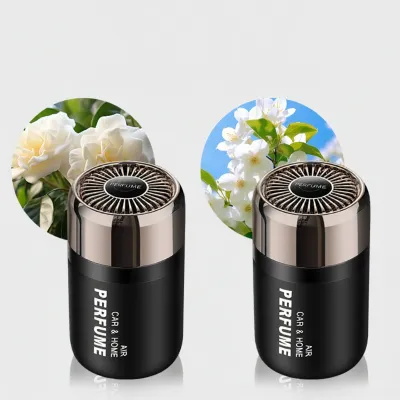
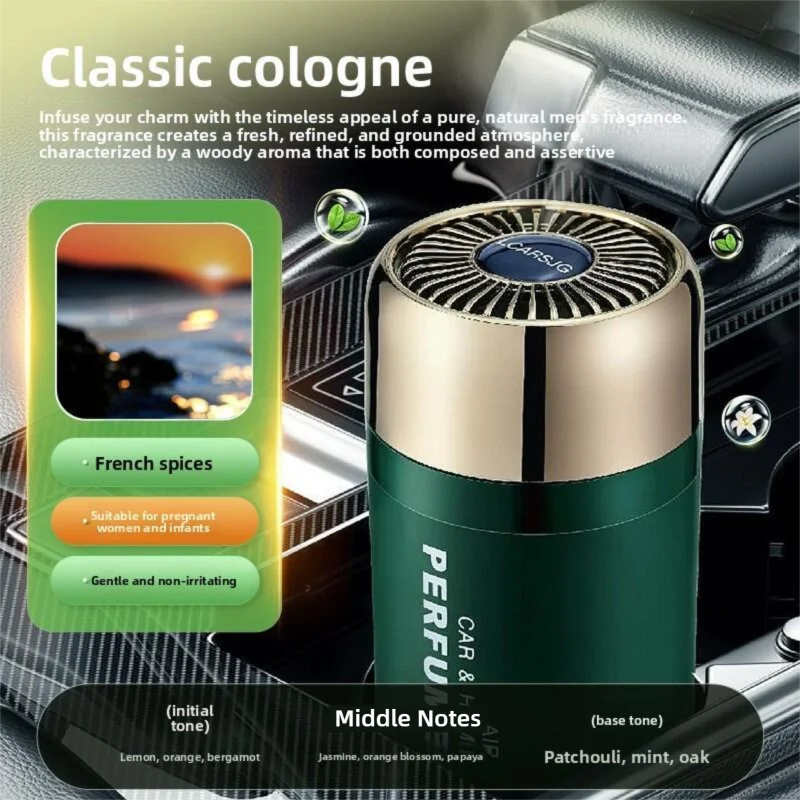
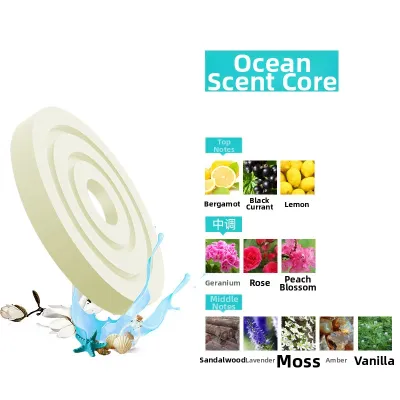
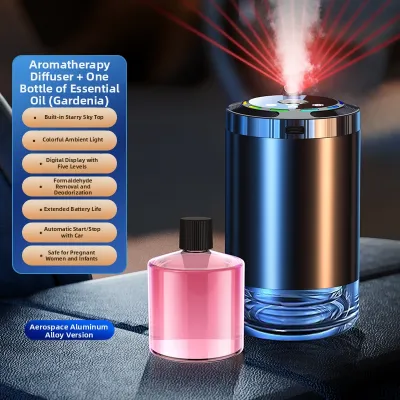
Products mentioned in this guide
![[SG Stock] Aromantic Wardrobe Freshener Solid Air Freshener For Cabinet Toilet Deodorizer Aromatherapy Wax Wardrobe Deodorant Car Fragrance Pendant](https://img.lazcdn.com/g/p/511f6cba0b12dfec36c8063d69d9ff72.jpg_400x400q80.jpg_.webp)
Prices are valid at publication and may change. Please refer to the product page for the latest price.
Singapore’s high ambient humidity introduces another layer of complexity. Water-based or moisture-absorbing deodorizer formats, such as certain gel beads or porous papers, can absorb ambient water vapor. This absorption can alter their physical structure, dilute the active fragrance oils, or even create a breeding ground for mold and mildew on organic components if moisture remains trapped inside the product housing.
Furthermore, sustained exposure to high temperatures can cause chemical degradation of the fragrance oils. When exposed to extreme heat, delicate aromatic compounds break down and oxidize. This chemical shift can permanently alter the scent profile, turning a fresh fragrance into a harsh, chemical, or sour smell that worsens the cabin’s overall odor profile.
Comparing Car Deodorizer Formats for Tropical Climates
Gel and Solid Air Fresheners
Gel beads and water-based gel blocks are highly popular due to their low upfront cost, but they perform poorly in tropical heat. Standard gel formulations have low melting points; under intense cabin heat, they frequently liquefy back into a runny fluid. This creates a severe risk of spills, especially when navigating turns, sudden stops, or speed bumps.

Placing these melting-prone gels on dashboards or near electronic consoles can lead to costly damage. If a liquefied gel spills, the chemical ingredients can degrade automotive plastics, discolor vinyl, or cause leather surfaces to crack. Always read the product label to ensure the formula is safe for automotive interior surfaces, and verify the manufacturer’s recommended placement instructions.
To mitigate this risk, look for high-melting-point polymer gels, solid wood blocks infused with fragrance oils, or ceramic diffusers. These solid-state alternatives do not contain free liquids or low-temperature melting agents, making them highly stable in hot cabins. They release scent gradually through passive diffusion without the risk of physical breakdown.
Vent Clips and Liquid Diffusers
Vent clips and liquid diffusers are designed to disperse scent using the vehicle’s air conditioning (AC) system. However, their performance is highly dependent on active airflow. When the AC is running, the cool air regulates the evaporation rate. When the vehicle is parked and the cabin heats up, the liquid or gel reservoir faces extreme heat without any cooling airflow, causing rapid evaporation or expansion.
Thermal expansion can force liquid out of the container’s seals. If liquid fragrance oil leaks, it can cause severe damage. The concentrated solvents in these oils can dissolve the protective coatings on dashboard plastics, ruin infotainment screens, or warp the delicate louvers of AC vents.
If you prefer this format, check for adjustable flow dials that allow you to seal or restrict the opening when the vehicle is parked. Ensure the product has a highly secure, non-slip clipping mechanism and a verified leak-proof reservoir design before installing it on your vents. Always position them away from sensitive touchscreens and control buttons.
Hanging Cardboard and Paper Fresheners
Hanging cardboard and paper air fresheners are the most traditional format, but they struggle in hot, humid climates. Because they rely on a high surface area directly exposed to the open air without any protective housing, the fragrance oils evaporate almost immediately when subjected to high cabin temperatures.
Furthermore, Singapore’s high humidity can cause the cardboard to absorb moisture from the air. This moisture absorption causes the paper to warp, lose its structural integrity, and sag. In some cases, the damp cardboard can transfer dye or fragrance oil onto whatever surface it touches, such as the rearview mirror stem or plastic trim.
Consequently, hanging paper fresheners are best viewed as short-term, budget-friendly options. They are suitable for quick, temporary scent boosts but require frequent replacement—often weekly—making them less practical for long-term tropical use. If you use them, ensure they hang completely free without touching any interior surfaces.
Sprays and Aerosols
Sprays and aerosols offer a distinct advantage: they are used on demand. Because they do not rely on passive evaporation, they do not suffer from continuous heat degradation while the car is parked. You simply apply a quick spray when entering the vehicle, allowing you to control the scent level precisely and target specific areas like floor mats.
However, storing these products in a tropical climate introduces a critical safety boundary. Pressurized aerosol cans contain volatile propellants that expand rapidly when exposed to heat. Leaving a pressurized can in a parked car under the Singapore sun can cause the internal pressure to exceed the container’s limits, leading to a violent rupture, explosion, or fire.
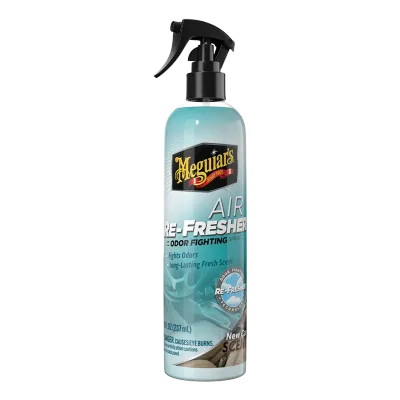
To safely use sprays, choose non-aerosol, hand-pumped liquid sprays and store them in shaded, insulated compartments like the glovebox or center console. If you must use a pressurized aerosol, strictly remove the can from the vehicle when parking outdoors for extended periods.
Key Features to Check Before Buying
When shopping for a car deodorizer in Singapore, look for manufacturer-stated temperature thresholds on the packaging. High-quality brands often print specific temperature limits or label their products as “heat-resistant,” “tropical-grade,” or “solid-state.” These labels indicate the product has been tested to withstand the elevated temperatures typical of closed vehicles.
Avoid products that list high percentages of volatile alcohols or thin, water-based gels. Alcohol-heavy liquid sprays evaporate almost instantly in warm air, while thin gels are highly prone to melting. Instead, prioritize oil-based solid diffusers, ceramic elements, or membrane-based technologies that regulate release through a semi-permeable barrier.
Pay attention to the packaging design. Look for UV-resistant packaging or opaque housings. Direct sunlight passing through windshields can degrade fragrance oils through photo-oxidation, turning a fresh scent into a stale odor. An opaque cover or a housing designed to shield the active core from UV rays will significantly extend the product’s lifespan.
Finally, verify that the product label explicitly states it is safe for use around automotive interiors. Look for certifications or manufacturer assurances that accidental contact will not strip paint, dissolve plastics, or stain leather. If a product lacks these assurances, treat it with caution and ensure it is placed where it cannot possibly contact sensitive surfaces.
Placement and Maintenance Tips for Maximum Longevity
Correct placement is vital to protecting your deodorizer from Singapore’s harsh climate. Avoid mounting any heat-sensitive formats, such as liquid diffusers or gel blocks, on top of the dashboard or near the windshield, where solar exposure is highest. Instead, place them in lower, shaded areas of the cabin, such as cup holders, under-seat storage trays, or door pockets. These areas remain significantly cooler than the upper dashboard.
Using a high-quality, reflective windshield sunshade when parked outdoors is one of the most effective ways to lower peak cabin temperatures. By blocking direct solar radiation, a sunshade protects your car’s dashboard, steering wheel, and your car deodorizer from extreme heat spikes, extending the life of your air freshener.
If you use vent clips, get into the habit of managing the adjustable dial. Close the dial when parking the vehicle for extended periods to slow down passive evaporation. Some drivers prefer to remove the vent clip entirely and place it in the glovebox when parking in direct sunlight.
Regular maintenance is essential to prevent permanent interior damage. Periodically inspect the area around your deodorizer for sticky residue, discoloration, or early signs of melting. If a leak or spill occurs, consult your vehicle manufacturer’s care instructions and the deodorizer’s safety label first. Clean the spill immediately using an interior-safe cleaner designed for the specific surface (such as leather or plastic) to prevent chemical etching or staining.
Frequently Asked Questions (FAQ)
Can I leave aerosol car deodorizers in my car during the day?
No, you should never leave pressurized aerosol car deodorizers inside a vehicle parked during the day. In Singapore’s tropical heat, interior cabin temperatures can easily exceed the safe storage limits of pressurized containers. The propellant inside the can expands under high heat, creating a severe risk of the can rupturing or exploding, which can cause catastrophic damage to your car’s interior or windshield. Switch to non-pressurized pump sprays or solid-state deodorizers if you need to store them in the vehicle.
Why does my car air freshener lose its scent so quickly?
The primary reason is Singapore’s extreme heat. High temperatures accelerate the kinetic energy of the volatile fragrance molecules, causing them to evaporate and off-gas at a much faster rate than they would in a temperate climate. A strong, overwhelming scent when you first open your car door after it has been parked in the sun is a clear sign of rapid thermal depletion. To prevent this, choose heat-stable formats like solid wood, ceramic, or membrane-regulated diffusers.
Are essential oil diffusers safe for hot cars?
While natural, pure essential oils are popular, they are highly sensitive to heat and UV light. Sustained exposure to high temperatures can cause the oils to oxidize, altering their molecular structure and ruining their fragrance profile. Additionally, many essential oil diffusers use glass bottles or hanging cords that can swing, leak, or shatter. Concentrated essential oils are potent solvents; if they spill, they can permanently melt automotive plastics, peel dashboard paint, or stain leather upholstery. Always check your vehicle documentation and product safety labels before using them.

Community discussion
Share your experience or ask a question. Comments are reviewed before publication.