
To protect a vehicle parked outdoors in Singapore, a car cover must withstand two relentless forces: sudden, torrential downpours and intense, high-UV tropical sunlight. Choosing the wrong material can lead to trapped moisture, accelerated paint oxidation, or a degraded cover that tears within months. For this demanding environment, a multi-layer composite fabric featuring a highly reflective outer layer, a waterproof middle membrane, and a soft, breathable inner lining offers the most reliable balance of protection. While single-layer materials like basic polyester or PEVA have specific uses, understanding how different fabrics interact with heat, humidity, and water is essential to keeping your vehicle’s exterior in pristine condition.
How Tropical Weather Affects Car Cover Performance
Singapore’s equatorial climate presents a unique set of challenges for automotive covers. The combination of high relative humidity and sudden, heavy rainfall means that outdoor surfaces are frequently subjected to rapid moisture accumulation. When a car cover is placed over a vehicle, any water that penetrates the fabric or condenses underneath can become trapped. Without adequate ventilation, this trapped moisture creates a warm, humid greenhouse effect over the paintwork. Over time, this standing moisture can lead to osmotic blistering of the clear coat, stubborn water spots, and the rapid growth of mold or mildew on both the exterior trim and interior cabin surfaces.
Intense ultraviolet (UV) radiation is another major factor in material degradation. Constant exposure to strong sunlight breaks down the chemical bonds in synthetic fibers, a process known as photo-degradation. This causes standard fabrics to become brittle, fade, and lose their structural integrity, eventually leading to tearing under moderate wind pressure. Furthermore, UV rays degrade the water-repellent coatings applied to cheaper covers, rendering them highly permeable to rain.
Products mentioned in this guide
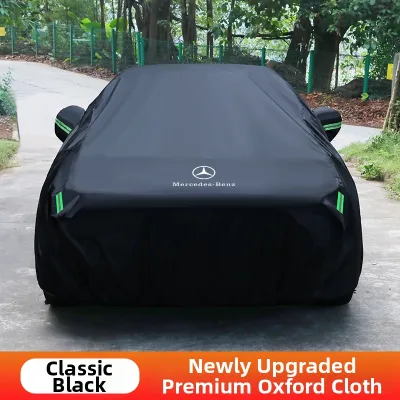
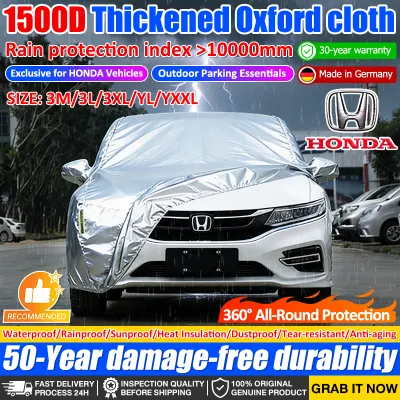
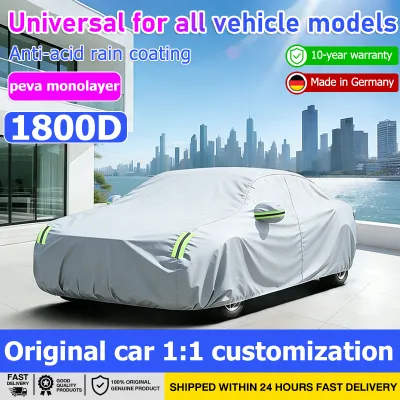
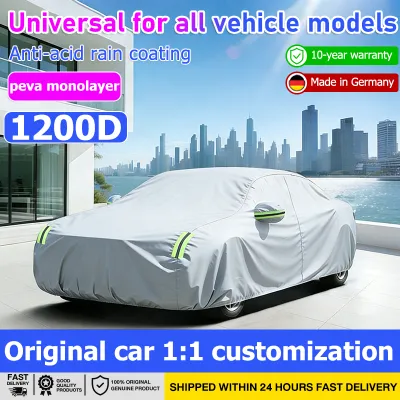
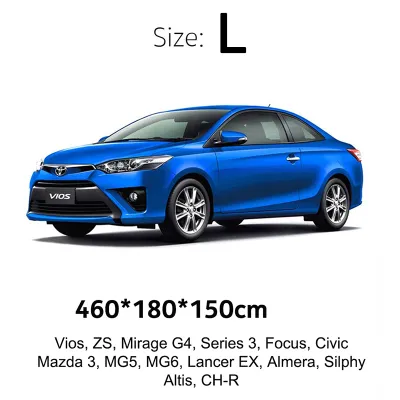
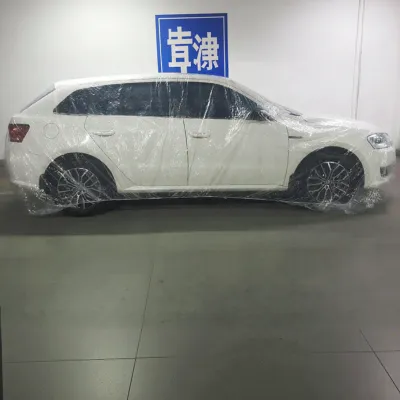
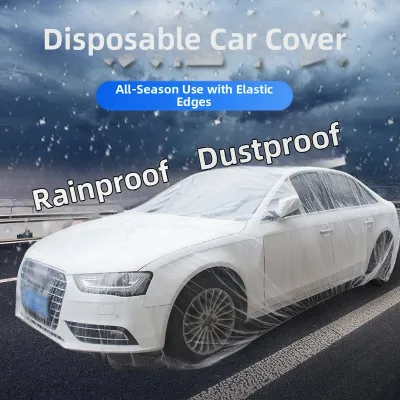
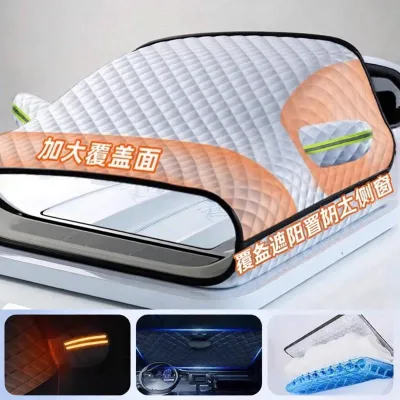
Prices are valid at publication and may change. Please refer to the product page for the latest price.
Heat buildup under a cover is equally damaging. When solar radiation strikes a dark or non-reflective cover, the thermal energy is transferred directly to the air space between the fabric and the vehicle. This elevated temperature can soften plastic trim, accelerate the aging of rubber seals, and cause interior dashboard materials to dry out and crack. To mitigate these risks, a cover must not only block liquid water from entering but also reflect solar energy and allow heat and internal moisture vapor to escape freely.
Comparing Common Car Cover Materials
Selecting the right automotive cover requires a clear understanding of fabric construction. Different materials utilize distinct engineering approaches to manage water resistance, UV deflection, and air circulation. By evaluating these materials against the specific demands of a tropical climate, car owners can make an informed decision that protects their investment without causing unintended paint damage.

Polyester and Oxford Cloth
Polyester and Oxford cloth are widely used woven synthetic fabrics known for their lightweight nature and ease of handling. Polyester covers are typically thin and highly packable, making them convenient for daily use. Oxford cloth is a more robust weave, offering superior tear resistance and durability against physical abrasions. Both materials are inherently breathable due to their woven structure, which allows air to circulate and prevents moisture from becoming locked against the vehicle’s body.
However, their performance in heavy tropical downpours depends heavily on chemical treatments. Most basic polyester and Oxford cloth covers rely on a water-repellent coating, such as polyurethane (PU), to shed water. While this treatment is effective during light showers, it can fail under the pressure of a sustained tropical deluge. Once the water-repellent barrier is overwhelmed, water will seep through the woven fibers and pool on the car’s surface.
To combat UV degradation, these woven fabrics require specialized reflective coatings, such as silver or aluminum pigments. Without these protective treatments, the raw polyester fibers will rapidly deteriorate under intense sunlight. While woven fabrics excel in breathability and ease of storage, they often require frequent reapplication of water-repellent sprays to maintain their protective qualities over multiple rainy seasons.
PEVA and Multi-Layer Fabrics
Polyethylene Vinyl Acetate (PEVA) is a non-chlorinated vinyl material frequently used in budget-friendly waterproof covers. PEVA is completely non-porous, meaning it provides an absolute barrier against liquid water, preventing even the heaviest rain from reaching the vehicle. It is also highly resistant to mold and mildew growth, which is a significant advantage in humid environments.
The primary drawback of PEVA is its complete lack of natural breathability. Because the material is non-porous, any moisture that finds its way under the cover—whether through condensation from the ground or residual dampness on the vehicle—cannot escape. This trapped moisture, combined with the heat retained by the vinyl under direct sunlight, can quickly damage the vehicle’s clear coat. Additionally, single-layer PEVA can become sticky in extreme heat, potentially adhering to or marking the paintwork if left unattended.
Multi-layer composite fabrics address these limitations by bonding different materials together to form a comprehensive shield. A typical high-performance multi-layer cover features an outer layer of UV-reflective material, such as aluminum-coated polyester, to bounce away solar heat. Beneath this lies a waterproof yet breathable membrane, often made of microporous polyurethane, which blocks liquid water droplets from entering while allowing smaller moisture vapor molecules to escape. The innermost layer consists of a soft, non-abrasive material like spunbond polypropylene or cotton fleece, which cushions the paint and prevents scratching during installation and removal.
Key Features to Check Before Buying
When shopping for automotive covers on any online marketplace or local automotive shop, verifying the manufacturer’s technical specifications is crucial. Do not rely solely on generic marketing terms like “all-weather” or “fully waterproof.” Instead, look for specific construction details that indicate suitability for tropical climates.
First, verify the vehicle model, year, and exact dimensions from the manufacturer’s documentation before purchase. Never infer compatibility from a generic category term, as an ill-fitting cover can flap in the wind, causing paint damage, or fail to cover critical areas. Ensure the cover’s mounting position and securing straps are designed to fit your specific vehicle shape without blocking safety sensors or causing physical strain on exterior components.
Second, examine the seam construction. Even the most waterproof fabric will leak if the seams are poorly joined. Look for covers that feature double-stitched seams reinforced with heat-sealed waterproof tape on the underside. This prevents water from seeping through the needle holes during heavy downpours. Additionally, check for a high hydrostatic head rating, which measures the fabric’s resistance to water pressure.
Third, verify the presence of dedicated UV-resistant treatments. The product specifications should explicitly state that the outer layer has been treated with UV inhibitors or features a highly reflective silver coating. This reflective surface is essential for keeping the cabin temperature down and protecting the cover itself from becoming brittle under the sun.
Fourth, inspect the inner lining material. A rough inner surface can act like fine sandpaper when wind causes the cover to flap against the vehicle. Ensure the cover features a soft, non-woven lining, such as scratch-resistant microfiber or cotton fleece. This lining must be securely bonded to the outer layers to prevent delamination over time.
Finally, look for physical ventilation features. Even breathable fabrics benefit from built-in air vents. These vents are typically designed with downward-facing flaps that allow hot air and moisture vapor to escape from under the cover while preventing rain from entering. Elasticized hems, under-body buckle straps, and reinforced grommets are also essential to keep the cover secure during sudden squalls, preventing wind from lifting the fabric and causing abrasive movement against the paint.
Proper Usage and Maintenance in Humid Climates
Owning a high-quality car cover is only half the battle; proper usage and maintenance are critical to preventing vehicle damage and extending the lifespan of the cover. In a humid climate, neglecting basic care routines can quickly lead to paint issues and material degradation.
Never apply a car cover to a wet or dirty vehicle. Even a thin layer of dust acts as an abrasive when compressed under a cover, and any wind movement will grind these particles into the clear coat, causing fine swirl marks. If the car has been driven in the rain, allow it to dry completely and wipe down any road grime before covering it. Similarly, if the vehicle is damp from morning dew, wait for the moisture to evaporate before putting the cover on.
Regularly clean both the exterior and interior of the cover. Over time, atmospheric pollutants, tree sap, bird droppings, and mold spores will accumulate on the outer surface, while dust and moisture can collect on the inner lining. To clean the cover, install it on the vehicle and gently hose it down with clean water. Use only label-authorized cleaning methods and mild, pH-neutral automotive shampoo if recommended by the manufacturer; avoid harsh household detergents that can strip the water-repellent coatings or damage the fabric’s integrity. Allow the cover to air dry completely on the vehicle before folding or storing it.
When removing the cover, avoid dragging it across the paintwork. Instead, fold it carefully from the sides toward the center, rolling it from front to back. Store the dry cover in a breathable storage bag rather than a sealed plastic container, which can trap residual moisture and encourage mold growth. Periodically inspect the cover for signs of wear, such as thinning fabric, peeling seam tape, or a loss of water repellency, and address these issues promptly to maintain optimal protection.
Frequently Asked Questions (FAQ)
Is it safe to leave a car cover on during heavy rain for several days?
Leaving a car cover on during prolonged rainy periods is generally not recommended without periodic inspection. Even high-quality, breathable covers can struggle to vent moisture when the ambient humidity remains near 100 percent for days. Water can seep under the edges or condense from the damp ground underneath, becoming trapped against the paintwork. If left unchecked, this standing moisture can cause paint clouding or blistering. It is best to remove the cover during dry spells to allow both the vehicle and the fabric to air out completely.
Do I need a custom-fit or universal car cover for better weather protection?
A custom-fit cover is highly recommended for outdoor parking in tropical environments. Universal or semi-custom covers often fit loosely, creating large pockets where water can pool during heavy downpours, weighing down the fabric and straining the seams. Furthermore, loose covers are prone to flapping in high winds, which can cause the inner lining to rub abrasively against the vehicle’s clear coat. A custom-fit cover hugs the contours of your specific vehicle model, minimizing wind movement, reducing wear, and ensuring that water sheds off the surface efficiently. Always verify your vehicle’s exact dimensions and model year against the cover manufacturer’s documentation before purchasing to ensure a precise fit.
Community discussion
Share your experience or ask a question. Comments are reviewed before publication.