
Quick Guide: Selecting a Dashboard Anti-Slip Pad for Smartphones
Finding a reliable car anti-slip pad to secure your smartphone on the dashboard requires balancing grip performance with material stability. A truly effective pad must provide a high coefficient of friction to hold your device steady, maintain its structural integrity under intense heat, and protect your vehicle’s delicate interior surfaces from damage.
In tropical regions like Singapore, where vehicles parked in open-air car parks are subjected to relentless sunlight and high humidity, material composition dictates longevity. High-grade silicone and UV-stabilized polyurethane (PU) gel are the primary choices, offering far superior thermal resistance compared to cheap, generic plastics.
Before selecting any accessory, you must verify compatibility with your specific dashboard material and locate your vehicle’s airbag deployment zones. The optimal choice ultimately depends on your dashboard’s texture, local climate conditions, and the material of your smartphone’s protective case.
Products mentioned in this guide
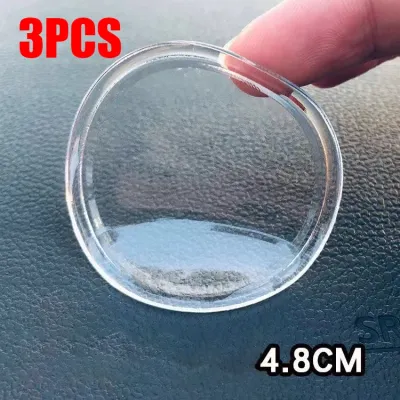
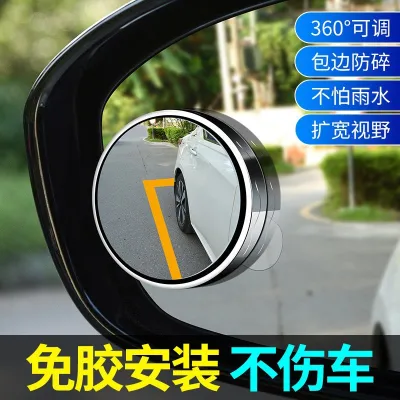
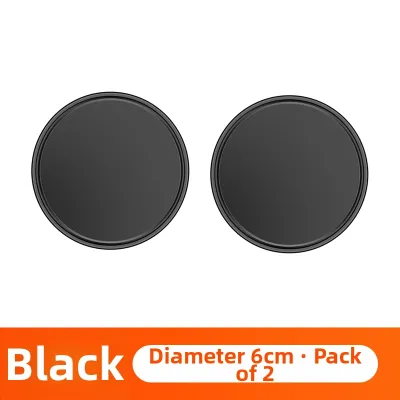
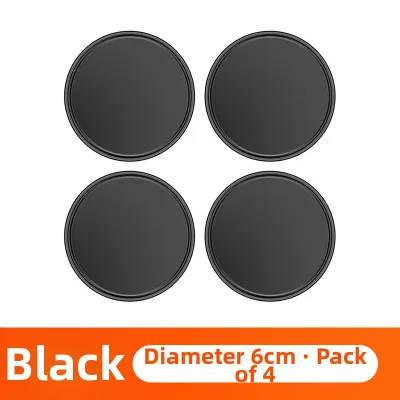
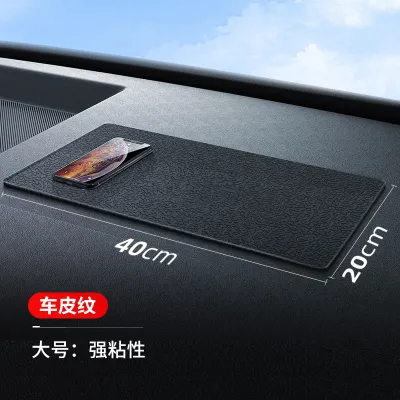
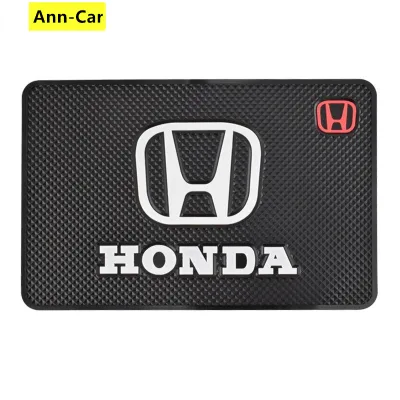
Prices are valid at publication and may change. Please refer to the product page for the latest price.
Key Features to Evaluate for Dashboard Phone Mounting
Heat Resistance and Material Stability
The cabin of a vehicle parked under direct sunlight can reach exceptionally high temperatures, often exceeding 60 degrees Celsius. In Singapore’s tropical climate, this intense heat is compounded by high humidity, creating a harsh environment for any interior accessory. Low-quality plasticizers and cheap gel formulations can quickly degrade, causing the pad to melt, warp, or undergo chemical decomposition.

When these materials break down, they often leach oils or sticky residues that can permanently stain or discolor your dashboard. To prevent this, always check the manufacturer’s specified temperature thresholds and look for products explicitly labeled as UV-stabilized or heat-resistant. Investing in a thermally stable accessory is essential to protect both your smartphone and your vehicle’s resale value.
Grip Strength and Vibration Dampening
A dashboard pad must withstand dynamic forces, such as sudden braking, sharp cornering along winding roads, and vibrations from uneven road surfaces. The pad’s ability to hold your phone depends on both static friction—which keeps the phone in place when stationary—and dynamic grip, which resists sudden lateral movements.
The physical thickness and texture of the pad play a crucial role in absorbing road vibrations before they reach your device. A thicker, more compliant pad acts as a minor shock absorber, reducing the likelihood of your phone bouncing out of place. Look for surface textures that maximize contact area with your phone case to ensure a secure hold during daily driving maneuvers.
Dashboard Safety and Residue-Free Removal
Protecting your vehicle’s interior surfaces is just as important as securing your mobile device. Many low-cost pads rely on aggressive chemical adhesives to stay in place, which can bond permanently with soft-touch plastics, vinyl, or leather. This can lead to costly damage, stripping away surface coatings or leaving behind unsightly, stubborn residues when removed.
Instead, prioritize pads that utilize physical tackiness or high-friction coefficients rather than chemical glues. These physical-grip pads can be easily lifted and repositioned without leaving a trace, preserving the original finish of your dashboard. Always verify compatibility with your specific dashboard material, particularly if your vehicle features premium leather or delicate synthetic wraps.
Recommended Material Types for Car Anti-Slip Pads
Polyurethane (PU) Gel Pads
Polyurethane (PU) gel pads are highly popular due to their exceptional initial tackiness and flexibility. This material naturally conforms to slightly curved or textured dashboard surfaces, maximizing the contact area and providing an incredibly secure grip for your smartphone. The inherent stickiness of PU gel allows it to hold devices at steeper angles than standard rubber mats.
One of the primary benefits of PU gel is its washability; when dust, lint, or cabin debris accumulate on the surface and reduce its grip, a simple wash can restore its original tackiness. However, PU gel is susceptible to gradual degradation if exposed to prolonged, extreme heat and UV radiation without proper stabilization. Over time, lower-grade PU can become overly soft or sticky, meaning you must monitor its condition regularly in hot climates.
High-Density Silicone Mats
High-density silicone mats offer outstanding thermal stability, making them an excellent choice for vehicles frequently parked in high-heat environments. Silicone does not melt, warp, or emit strong chemical odors even when subjected to intense, direct sunlight through the windshield. This material maintains its physical properties across a wide temperature range, ensuring consistent performance year-round.
Unlike PU gel, silicone does not rely on chemical tackiness to hold your phone; instead, it utilizes a high coefficient of friction and functional design elements, such as raised lips or integrated slots. This makes silicone completely safe for delicate dashboard finishes, as there is zero risk of adhesive transfer. Silicone mats are highly durable, easy to clean, and resistant to environmental aging, though they may require a flatter mounting surface to perform optimally.
Nano-Suction or Micro-Suction Surfaces
Nano-suction technology represents a modern, adhesive-free approach to securing devices on the dashboard. These surfaces are covered with millions of microscopic craters that act like tiny vacuum cups when a flat object is pressed against them. This creates a powerful, reliable hold without using any sticky chemicals, ensuring your phone remains completely clean and residue-free.
While highly effective, nano-suction pads have strict operating requirements. They demand a perfectly smooth, non-porous surface to establish a vacuum, meaning they work exceptionally well with bare glass or polished metal phone backs. However, if your smartphone is housed in a textured, rubberized, or fabric case, the microscopic suction cups cannot form a seal, rendering the pad ineffective.
Design Variations and Functional Add-Ons
Flat Mats vs. Raised-Lip Designs
When choosing a pad, the physical shape significantly influences both usability and safety. Flat mats offer a minimalist, low-profile aesthetic that blends seamlessly into the dashboard. They provide a versatile surface that can accommodate larger devices, such as tablets or oversized phablets, without being restricted by physical borders, and they are incredibly simple to wipe clean.
Conversely, pads with raised-lip or contoured-edge designs provide physical containment that prevents your phone from sliding off during aggressive driving maneuvers. These borders act as a mechanical backup, catching the device if extreme vibrations temporarily break the surface grip. If you frequently drive on winding roads or uneven terrain, a raised-lip design offers an extra layer of security.
Multi-Compartment and Accessory Storage
Many modern anti-slip pads are designed as multi-functional organizers, featuring designated slots for keys, parking cards, coins, and sunglasses alongside your phone. This helps keep your dashboard tidy and centralizes your daily essentials within easy reach. Some designs even include integrated cable clips to manage charging cords neatly.
However, choosing a multi-compartment pad introduces a clear trade-off regarding dashboard footprint. These mats are significantly larger and require a wider, flatter area of the dashboard to sit securely. Additionally, you must avoid overloading the pad with heavy or bulky items; excessive weight can shift the center of gravity and reduce the pad’s overall friction footprint, potentially causing the entire organizer to slide during sudden braking.
Anti-Glare and Matte Finishes
Driving safety should always be your top priority when introducing any accessory to the dashboard area. Reflective or glossy materials can catch the sunlight and project a distracting glare onto the windshield, severely compromising your visibility. This is particularly hazardous during bright midday driving or when passing under streetlights at night.
To minimize this risk, select anti-slip pads that feature a matte, textured, or dark-colored finish. These surfaces absorb light rather than reflecting it, ensuring your view of the road remains clear and unobstructed. Avoid brightly colored or highly reflective decorative elements that could divert your attention from driving.
Safe Installation, Maintenance, and Replacement Triggers
Safe Placement and Airbag Clearance
Before placing an anti-slip pad on your dashboard, you must consult your vehicle’s original owner’s manual to identify the exact deployment zones for all front and side passenger airbags. Airbags deploy with immense force in milliseconds; placing any accessory, phone, or loose object on or near an airbag cover can turn that object into a dangerous projectile during a collision.
Furthermore, ensure the pad and your mounted smartphone do not obstruct your forward line of sight or block essential instrument clusters and steering column controls. The pad should be installed on a flat, stable, and clean section of the dashboard, away from climate control vents that could subject the device to rapid temperature fluctuations. Always verify local road safety regulations regarding dashboard-mounted devices to ensure full compliance.
Cleaning and Restoring Tackiness
Over time, dust, airborne pollen, skin oils, and dashboard off-gassing residues will inevitably settle on your anti-slip pad, forming a barrier that significantly reduces its grip. To restore its original performance, you must clean the pad regularly using safe, non-destructive methods. For both PU gel and silicone pads, wash the surface gently with lukewarm water and a mild, non-moisturizing dish soap.
Never use harsh household chemical cleaners, rubbing alcohol, glass cleaners, or abrasive scrubbing pads, as these can permanently degrade the material’s surface structure and strip away its tacky properties. After washing, do not wipe the pad with a towel or paper cloth, which will transfer lint back onto the surface; instead, allow the pad to air-dry completely in a clean environment before placing it back on your dashboard.
Recognizing Wear and Replacement Triggers
Like all automotive interior accessories exposed to environmental stress, anti-slip pads have a finite lifespan. You must routinely inspect the physical condition of your pad to ensure it remains safe to use. Observable signs of failure include permanent hardening, physical cracking, warping, or a noticeable loss of grip that cannot be restored by washing.
If you notice the pad leaving an oily, sticky residue on your dashboard, or if it begins to emit a strong chemical odor under heat, it must be removed and discarded immediately. Continuing to use a degraded pad risks damaging your vehicle’s interior trim or causing your phone to fall and distract you while driving. Replace the pad promptly at the first sign of material breakdown to maintain a safe driving environment.
Frequently Asked Questions (FAQ)
Can I use a car anti-slip pad on a leather or soft-touch dashboard?
You must exercise extreme caution when applying any anti-slip pad to premium leather, vinyl, or delicate soft-touch dashboard finishes. While high-quality, pure silicone pads are generally safe because they rely on physical friction rather than chemical adhesion, some low-quality PU gels or adhesive-backed pads can react chemically with the dashboard’s protective coatings. This reaction can strip leather dyes, discolor vinyl, or leave permanent marks. Always check the pad manufacturer’s compatibility specifications, consult your vehicle’s care instructions, and test the pad on a small, hidden area of the dashboard before full installation.
Will the anti-slip pad damage my phone's case or back panel?
High-quality polyurethane gel and silicone pads are safe for standard smartphone materials, including glass, anodized aluminum, and hard plastics. They do not leave permanent marks or damage the structural integrity of your device. However, highly tacky PU gel pads can transfer temporary oils, attract lint to the back of your phone, or potentially pull at loose edges of decorative skins. If your phone is housed in a porous, genuine leather, or fabric case, highly tacky materials may cause discoloration or degrade the fabric fibers over time, so a non-adhesive silicone mat is preferred in these scenarios.
How do I remove sticky residue if the pad melts on the dashboard?
If a low-quality pad melts or leaves a sticky residue on your dashboard, you must address it carefully to avoid damaging the underlying material. First, consult your vehicle manufacturer’s interior care instructions to identify approved cleaning products. Use a dedicated, label-authorized automotive interior cleaner or a mild, plastic-safe solvent designed specifically for vehicle cabins. Apply a small amount of the cleaner to a clean microfiber cloth rather than spraying it directly onto the dashboard, and gently wipe the affected area. Avoid using abrasive scrubbing pads, harsh household solvents, or sharp tools, which can permanently scratch or strip the dashboard’s finish.
Community discussion
Share your experience or ask a question. Comments are reviewed before publication.