
In Singapore’s relentless tropical climate, finding a car air freshener that maintains its scent without evaporating in a matter of days is a common challenge for drivers. The combination of high ambient humidity and intense solar heat creates a hostile environment inside a parked vehicle, rapidly degrading many standard fragrance products. To achieve the best balance of scent longevity, safety, and performance, adjustable membrane-based vent clips and high-temperature gel cans stand out as the most reliable formats. While electronic diffusers offer excellent on-demand control, they require careful management to protect their internal components from thermal damage. Selecting the right format involves understanding how tropical conditions interact with different fragrance delivery systems.
How Singapore's Tropical Heat Changes Air Freshener Performance
Singapore’s climate is characterized by high temperatures averaging 31°C to 33°C year-round, but the environment inside a closed vehicle parked under direct sunlight is far more extreme. Due to the greenhouse effect, solar radiation passes through the windshield and windows, heating the dashboard, steering wheel, and seats. This trapped heat has nowhere to escape, easily driving cabin temperatures up to 60°C or even 70°C within an hour of parking.
This extreme thermal buildup directly accelerates the evaporation rate of volatile organic compounds (VOCs) that make up the air freshener’s fragrance. In chemistry, higher temperatures mean increased kinetic energy for molecules, allowing them to escape their liquid or solid state and enter the air much faster. This results in a “fast-burn” phenomenon, where a product designed to last up to six weeks in temperate climates is completely depleted in less than ten days when exposed to Singapore’s afternoon sun.
Products mentioned in this guide

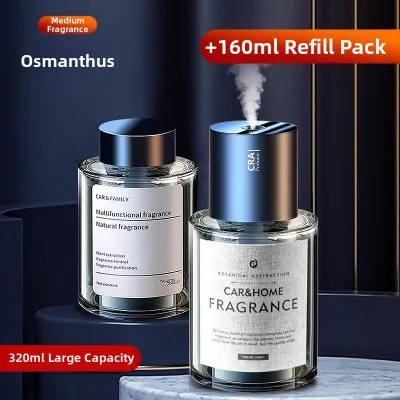

![[KIRONA SCENT] Mori Car Hanging Aroma Diffuser | Air Freshener & Perfume for Cars Wardrobes Gifts | Hotel Mall & Perfume Scents](https://img.lazcdn.com/g/p/437b343b4a51649696ad3581cd842d9a.png_400x400q80.png_.webp)
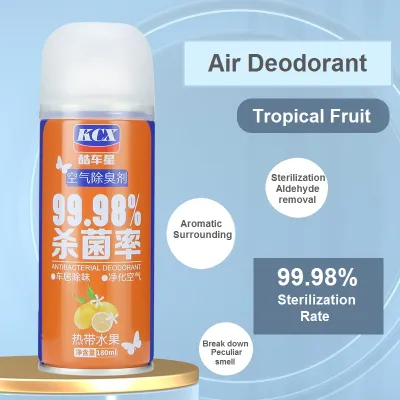

![[KIRONA SCENT] Mori Car Hanging Aroma Diffuser (Min Purchase 2 Qty) | Air Freshener & Perfume for Cars Wardrobes](https://img.lazcdn.com/g/p/662b3b481e9c6b7a9fb3d4a2c7a21983.png_400x400q80.png_.webp)
Prices are valid at publication and may change. Please refer to the product page for the latest price.
Relative humidity, which frequently hovers above 80% in Singapore, further complicates scent delivery and cabin hygiene. High moisture levels in the air alter how olfactory receptors perceive different fragrance notes, often making heavy, sweet, or musky scents feel overwhelmingly cloying and suffocating in a warm cabin. Furthermore, moisture-retaining materials such as raw wood blocks, compressed cardboard, or thick felt pads can absorb ambient humidity when the vehicle is parked overnight, creating an ideal breeding ground for mold, mildew, and bacteria.
Beyond scent degradation, physical risks are a major concern under intense heat. Many low-cost air fresheners utilize plastic housings, adhesive backings, or liquid reservoirs that are not engineered to withstand extreme thermal stress. When exposed to prolonged direct sunlight, plastic casings can warp or crack, adhesive backings can melt and slide down panels, and liquid fragrance oils can undergo rapid thermal expansion, leading to structural failures, leaks, and permanent damage to the vehicle’s interior surfaces.
Comparing Freshener Formats for High Heat and Humidity
Vent Clips and Vent Sticks
Vent-mounted air fresheners, including clips and sticks, are designed to attach directly to the louvers of a vehicle’s air conditioning vents. They rely on active airflow to disperse fragrance throughout the cabin, meaning they are highly effective when the air conditioning system is running. This active delivery model is inherently efficient for drivers because scent is actively distributed only when the vehicle is occupied and the AC is blowing.

When the car is parked and the engine is off, the lack of airflow naturally limits scent dispersion, helping to preserve the remaining fragrance. However, the physical placement of vent clips presents a significant challenge. Because they sit on the dashboard vents, they are positioned directly in the path of solar radiation passing through the windshield. Cheap plastic housings can quickly become brittle, warp, or discolor under this intense UV and thermal exposure.
To maximize longevity and prevent heat damage, drivers should look for vent clips that feature adjustable mechanical dials or sliding shutters. These controls allow you to restrict the exposure of the internal fragrance pad or liquid membrane, reducing passive evaporation when the car is parked. Additionally, always verify that the clip mechanism is compatible with your specific vehicle’s vent design to prevent damage to the delicate louver blades.
Hanging Cards and Wooden Block Diffusers
Hanging cards and wooden block diffusers utilize porous substrates, such as compressed cardboard, felt, or untreated wood, to absorb and gradually release fragrance oils. Because these materials are fully exposed to the cabin air, they rely entirely on passive evaporation. In Singapore’s hot climate, this open design leads to rapid, uncontrolled off-gassing, where the high heat forces the absorbed oils to evaporate all at once, creating an overpowering scent initially before fading to nothing.
Suspended air fresheners also introduce notable safety and driving hazards. An object hanging from the rearview mirror can swing dynamically during sudden braking, sharp cornering, or unexpected maneuvers. This constant motion can distract the driver’s peripheral vision, temporarily obstruct the forward view of the road, or potentially interfere with the proper deployment of passenger-side airbags if positioned incorrectly.
Over time, the structural integrity of the hanging string, elastic band, or mounting clip will degrade due to constant exposure to high temperatures and ultraviolet radiation. If the mounting material weakens and snaps, the fragrance-saturated card or block can fall directly onto the dashboard or center console. The concentrated oils can then chemically react with the underlying plastics or leather, causing permanent staining or melting.
Gel Cans and Solid Beads
Gel cans and polymer bead air fresheners operate by suspending fragrance oils within a water- or oil-based polymer matrix. As the fragrance and water content slowly evaporate into the air, the gel or beads gradually shrink in size, providing a visual indicator of when the product needs to be replaced. This format is popular for its ease of use and ability to deliver a consistent level of scent over several weeks.
However, many standard gel formulations have low thermal stability thresholds. When exposed to the extreme temperatures of a parked car in Singapore, lower-grade gels can undergo phase separation, breaking down and melting back into a highly fluid, sticky liquid. If this occurs, the liquid can easily seep through the container’s ventilation holes if the vehicle is parked on an incline or experiences sudden movement.
To avoid costly interior damage, it is essential to verify that any gel-based product is explicitly rated for high-temperature automotive environments rather than general household use. Look for spill-proof gel formulations that maintain their solid structure even when exposed to temperatures exceeding 70°C. Additionally, ensure the container features a secure, wide base and adjustable ventilation slots to control the evaporation rate.
Electronic and Ultrasonic Diffusers
Electronic and ultrasonic diffusers represent a modern approach to in-car fragrance management. These devices utilize micro-nebulization or ultrasonic vibration to disperse a fine mist of fragrance oil into the cabin on demand. This provides a major advantage in tropical climates, as scent dispersion is active only when the device is powered on, completely eliminating the passive evaporation waste that occurs when the car is parked in the sun.
Despite their efficiency, electronic diffusers introduce complex hardware into a hostile thermal environment. Prolonged exposure to high cabin temperatures can degrade internal electronic components, warp plastic fluid reservoirs, and damage delicate circuit boards. Furthermore, devices powered by internal lithium-ion batteries present a safety risk if left in a hot car, as extreme heat can cause battery swelling, thermal runaway, or failure.
If you opt for an electronic diffuser, prioritize models that draw power directly from a USB port or 12V outlet rather than relying on internal rechargeable batteries. Ensure the device includes robust safety features such as automatic thermal shutoff, low-water protection, and a secure mounting system. Always consult the device’s documentation to verify its operating temperature limits and compatibility with your vehicle’s electrical interface.
What to Look for on the Label and Packaging
When shopping for a car air freshener, it is important to look past generic marketing claims such as “long-lasting” or “premium scent.” Instead, focus on technical specifications and material standards printed on the packaging. High-quality automotive products will often state an explicit operating temperature range, indicating they have been tested to withstand the thermal extremes of a closed vehicle cabin.
Avoid using alcohol-heavy liquid sprays or non-automotive essential oil blends. Alcohol has a low boiling point and high volatility, meaning it evaporates rapidly in a warm environment, leading to short-lived scent performance. Furthermore, high concentrations of vaporized alcohol in a hot, enclosed space can present a minor flammability risk if exposed to static electricity, sparks, or faulty electrical wiring.
Inspect the physical construction of the product’s container. Opt for materials that resist thermal degradation and ultraviolet radiation, such as UV-stabilized plastics, thick glass, or anodized aluminum. Look for secure sealing mechanisms, such as multi-layered membranes or leak-proof valves, which prevent the liquid fragrance from escaping even if the container is turned upside down or subjected to heavy vibrations.
Be skeptical of “lasts up to 60 days” claims, as these are typically calculated under controlled laboratory conditions at a constant room temperature of 20°C to 25°C. In Singapore’s typical climate, you should realistically expect these timelines to be reduced by half. Look for products that utilize slow-release membrane technology or adjustable vents, which allow you to manually throttle the fragrance release to suit the local weather.
Safety and Placement Rules for Hot Car Interiors
Proper placement of your car air freshener is critical not only for optimal scent distribution but also for protecting your vehicle’s interior and ensuring driving safety. Never place liquid or gel-based fresheners directly on the dashboard, steering column, or near digital displays. Direct sunlight concentrates heat on these surfaces, and any accidental leak of concentrated fragrance oils can chemically react with dashboard plastics, causing them to bubble, melt, discolor, or become permanently sticky.
Always prioritize driving safety by keeping all air fresheners, mounting brackets, and power cables completely clear of airbag deployment zones. Consult your vehicle’s owner manual to identify the exact locations of the steering wheel, passenger dashboard, side curtain, and knee airbags. Mounting a heavy or rigid device in these areas can turn the air freshener into a dangerous projectile if the airbags deploy during an accident.
To extend the lifespan of your air freshener and protect your interior, utilize shaded, lower-cabin placements. Placing a spill-proof gel can or solid diffuser under the front passenger seat or inside a lower door pocket shields the product from direct solar radiation. This keeps the freshener in a slightly cooler zone of the cabin, reducing the rate of passive evaporation and protecting the housing from UV damage.
Establish a routine to inspect your air freshener every two to three weeks. Check for visible signs of thermal distress, such as warped plastic housings, discolored or separating gels, weakened adhesive pads, or cracked glass reservoirs. If you observe any physical degradation, dispose of the product safely and replace it immediately. If a leak does occur, immediately consult your vehicle’s care instructions and clean the spill with a clean microfiber cloth and a mild, pH-neutral automotive interior cleaner to prevent permanent damage.
Frequently Asked Questions (FAQ)
Is it safe to leave liquid air fresheners in a parked car?
Leaving standard liquid air fresheners in a parked car under direct sunlight carries risks. The extreme heat causes pressure buildup inside glass or plastic bottles, which can lead to cracks or leakage. Additionally, many liquid formulas contain alcohol or flammable solvents that vaporize rapidly, creating a pressurized, volatile vapor inside the container. To ensure safety, use only automotive-grade liquid fresheners designed with pressure-relief membranes, or switch to solid, gel, or membrane-based formats.
Why does my car air freshener lose its scent so quickly in the heat?
The rapid loss of scent is driven by basic physics: higher temperatures increase the vapor pressure of fragrance oils, forcing them to evaporate at an accelerated rate. This causes the volatile compounds to deplete much faster than they would in cooler climates. Additionally, constant exposure to a highly concentrated scent in a hot, enclosed cabin can trigger olfactory fatigue (nose blindness), making it seem as though the freshener has stopped working when it is actually still releasing fragrance.
Can high temperatures cause air fresheners to damage car interiors?
Yes, high temperatures can cause air fresheners to leak, warp, or melt, releasing concentrated fragrance oils and solvents onto your car’s surfaces. These chemicals are highly corrosive to automotive plastics, synthetic leather, and natural wood trims, often causing permanent discoloration, melting, or sticky residues. If a spill occurs, immediately wipe the area with a clean microfiber cloth and a mild, pH-neutral automotive interior cleaner, then consult your vehicle’s care instructions to prevent further damage.
Community discussion
Share your experience or ask a question. Comments are reviewed before publication.