
Selecting the right car freshener in Singapore requires a careful balance between scent preference and tropical climate realities. In year-round high heat and intense humidity, the most effective California Scents options are those featuring crisp citrus, refreshing aquatic, or light, clean linen scent profiles. These lighter profiles cut through dense, humid cabin air without becoming cloying or overwhelming. Conversely, heavy, sugary, or warm gourmand scents tend to intensify aggressively under the tropical sun, often leading to olfactory fatigue or headaches during long commutes.
By understanding how temperature and humidity interact with fragrance oils, you can choose a scent profile that keeps your vehicle’s cabin smelling clean and inviting. Managing how you open and place these fresheners will also help you get the most value out of every tin.
How Singapore's Tropical Climate Affects Car Fresheners
When a vehicle sits in an open-air carpark or an unsheltered surface lot in Singapore, the cabin quickly turns into a greenhouse. Internal temperatures can easily climb past 60°C within an hour of direct exposure to the sun. This extreme heat acts as an thermal accelerator for the organic fiber pads inside California Scents tins, causing the infused fragrance oils to vaporize at a rapid, unsustainable rate.
Products mentioned in this guide
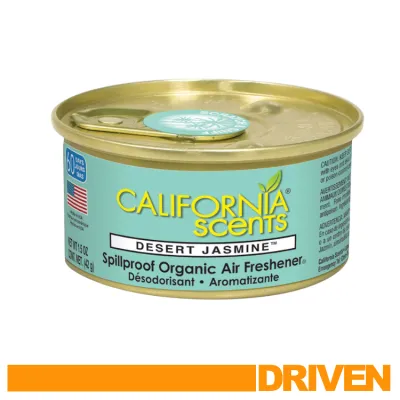
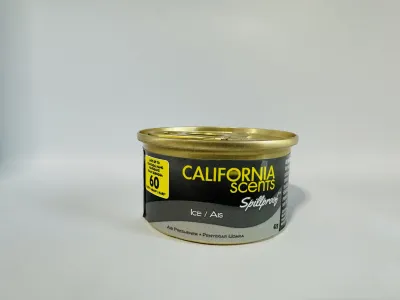
Prices are valid at publication and may change. Please refer to the product page for the latest price.
Humidity plays an equally significant role in how we perceive these vaporized scents. High relative humidity, which constantly hovers around 80% or higher locally, means the cabin air is already dense with moisture. When heavy fragrance molecules are introduced into this thick, damp environment, they do not disperse cleanly. Instead, they linger in high concentrations, making the air feel heavy and physically uncomfortable to breathe.
Furthermore, prolonged exposure to extreme heat can chemically degrade the delicate top notes of a fragrance. This degradation often leaves behind only the heavy, synthetic base notes. What started as a balanced, pleasant aroma can warp into a distorted, chemical smell that bears little resemblance to the original profile.
Best Scent Profiles for Hot and Humid Conditions
To maintain a pleasant cabin environment, focus on selecting specific scent families and profiles rather than relying on unverified claims about individual product formulations. When browsing options, prioritize manufacturer descriptions that emphasize terms like “fresh,” “light,” “breeze,” or “cooling.”

These scent families are chemically lighter, meaning their molecules disperse more gracefully in humid air. They work with the cabin’s environment rather than fighting against it, providing a subtle background aroma that enhances the driving experience.
Citrus and Aquatic Notes
Citrus-based profiles, including lemon, lime, grapefruit, and orange, are naturally volatile and light. They provide an immediate sensation of cleanliness and freshness upon entering the vehicle. In a humid cabin, these sharp, acidic notes cut through mustiness—such as dampness from rain-soaked umbrellas or sweat on the upholstery—without adding a heavy layer of perfume.
Aquatic or ocean breeze profiles simulate a cool, open-air marine environment. These scents rely on clean, airy compounds that naturally counter the claustrophobic feeling of a hot, enclosed vehicle. Because these notes dissipate cleanly, they leave no sticky or heavy olfactory residue in the air, keeping the cabin feeling breezy and light.
Light and Clean Fragrances
Linen, cotton, and subtle “new car” profiles are designed to mimic the neutral smell of freshly washed fabrics or pristine interior materials. These scents avoid sweet or fruity undertones entirely, focusing instead on a crisp, soapy, or powdery cleanliness that blends seamlessly into the background.
For daily commuters navigating heavy traffic on the PIE or CTE, a subtle, clean background scent helps reduce sensory stress. Look for manufacturer descriptions that indicate a mild or balanced scent throw. These profiles work quietly in the background, neutralizing ambient odors without demanding constant sensory attention from the driver or passengers.
Scent Families to Use with Caution in the Heat
Warm, sweet, and gourmand profiles—such as intense cherry, rich vanilla, warm caramel, or sugary bubblegum—require extreme caution in tropical climates. While these cozy, heavy profiles perform beautifully in cooler, temperate regions where low temperatures keep the scent throw subtle, they behave very differently in the tropics.
When baked in a hot car, these heavy, complex molecules expand aggressively. The resulting aroma can quickly become intensely sweet, cloying, and thick. For passengers, especially children or those prone to motion sickness, this heavy atmosphere can trigger nausea, headaches, or rapid olfactory fatigue during stop-and-go city driving.
If you highly prefer sweet or fruity scents, look specifically for “iced” or “light” variations of these profiles. Alternatively, you must strictly limit the physical airflow of the freshener tin to keep the scent output at a bare minimum, preventing the fragrance from saturating the cabin air.
Practical Tips for Managing Scent Intensity and Longevity
To maximize the lifespan of your car freshener and maintain a comfortable cabin, apply these practical, low-risk management strategies.
- Placement Strategy: Never place the metal tin directly on the dashboard or in the path of direct sunlight. The extreme heat on the dashboard will exhaust the fragrance within days and can make the metal tin hot enough to warp or discolor surrounding plastic trim. If the fiber pads are highly saturated, intense heat can also cause the oils to seep out, potentially damaging sensitive vehicle plastics or leather. Always check your vehicle manufacturer's instructions regarding dashboard care. Instead, place the tin in a shaded, secure spot such as a door pocket, a cup holder, or under the front passenger seat.
- Airflow Restriction: California Scents tins feature an adjustable vented lid. When opening a new tin in a hot climate, do not peel off the protective foil seal entirely. Instead, peel back only a small corner—about a quarter of the opening—and replace the vented lid, keeping the vents mostly closed. This simple step drastically slows down the evaporation of the fragrance oils, extending the tin's lifespan and preventing the scent from overpowering the cabin during the first week of use.
- Climate Control Synergy: Before driving a car that has been parked in the sun, roll down the windows for a minute to let the superheated air escape. Turn on the air conditioning and set it to recirculate. Once the AC cools and dehumidifies the cabin air, the fragrance from the tin will disperse much more pleasantly and evenly, avoiding the concentrated blast of hot, scented air that often accumulates in a parked vehicle.
Frequently Asked Questions (FAQ)
How long do California Scents typically last in a hot car?
While standard packaging claims might suggest a lifespan of up to 60 days in temperate climates, Singapore’s constant heat significantly accelerates evaporation. Under local driving conditions, expect a realistic lifespan of 3 to 4 weeks of optimal scent quality.
You can extend this usability by keeping the adjustable lid mostly closed and placing the tin away from direct solar heat. Once the initial strong throw fades, you can move the tin to a smaller, cooler enclosed space, like a shoe cabinet, to utilize the remaining fragrance.
Can I leave the freshener tin on my dashboard?
No, leaving the tin on the dashboard is highly discouraged. Direct solar radiation will rapidly deplete the fragrance oils, reducing a month’s worth of scent to just a few days, while the metal tin can absorb heat and potentially damage or discolor your dashboard’s surface.
Additionally, an unsecured tin on the dashboard is a physical safety hazard. It can easily slide off during sudden braking or cornering, potentially distracting you or rolling under the pedals. Always secure the tin in a low, shaded, and stable location like a cup holder or under-seat tray.

Community discussion
Share your experience or ask a question. Comments are reviewed before publication.