
Selecting the best blind spot mirror for your car in Singapore requires balancing optical clarity, weather resistance, and a shape that complements your vehicle’s existing side mirrors without blocking vital rearward vision. While modern vehicles come equipped with standard factory side mirrors, these mirrors are structurally limited by their design, leaving a critical blind spot that can easily conceal adjacent vehicles. Adding a high-quality aftermarket blind spot mirror is one of the most cost-effective and reliable safety upgrades you can make to your vehicle. By expanding your lateral field of view, these simple optical accessories help you make safer lane changes, park with greater precision, and protect vulnerable road users.
Why Singapore Drivers Need Blind Spot Mirrors
Driving in Singapore presents a unique set of challenges that require constant vigilance and rapid decision-making. Our urban infrastructure is characterized by highly congested expressways such as the Pan Island Expressway (PIE), Central Expressway (CTE), and Ayer Rajah Expressway (AYE), where lane changes must be executed quickly and decisively. During peak hours, traffic density rises dramatically, reducing the safe margins between vehicles and increasing the risk of side-collision accidents.
A major factor in local traffic dynamics is the high volume of motorcycles filtering or lane-splitting between lanes. Because of their slim profile and rapid acceleration, motorcycles can appear in your blind spot in a fraction of a second, remaining completely invisible in standard flat or slightly convex side mirrors. A dedicated blind spot mirror acts as a continuous visual aid, capturing these fast-moving two-wheelers before they enter your immediate path.
Products mentioned in this guide
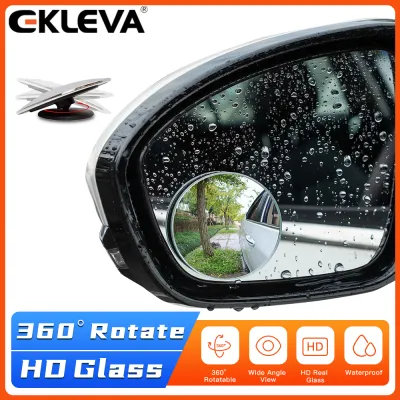
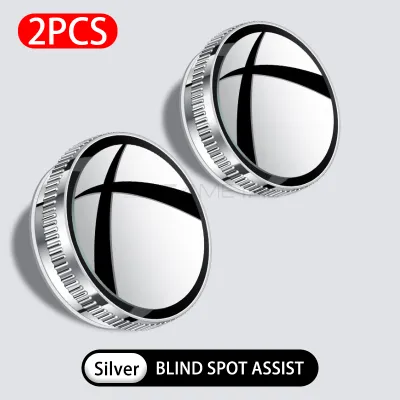
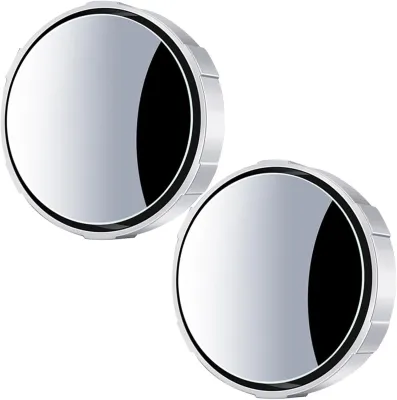
![[SG STOCK]2PCS Blind Spot Mirror Set | Wide Angle Round Convex Rearview Auxiliary Mirrors for Car Reversing & Safety](https://img.lazcdn.com/g/p/b645ffc682f7c80ff3a364723c3a30df.jpg_400x400q80.jpg_.webp)
Prices are valid at publication and may change. Please refer to the product page for the latest price.
Additionally, navigating Singapore’s residential and commercial areas requires maneuvering through tight spaces. Multi-storey car parks (MSCPs) in Housing & Development Board (HDB) estates and commercial buildings often feature narrow spiral ramps, tight concrete pillars, and compact parking lots. Standard mirrors often fail to show the exact distance between your rear wheels and low-lying curbs or concrete barriers. A secondary convex mirror provides the downward visibility needed to prevent costly wheel scraping and body damage during low-speed parallel parking and tight maneuvers.
How to Choose the Right Blind Spot Mirror for Your Vehicle
Selecting the correct blind spot mirror requires a careful evaluation of your vehicle’s existing mirror housing, your typical driving environment, and the material composition of the accessory.

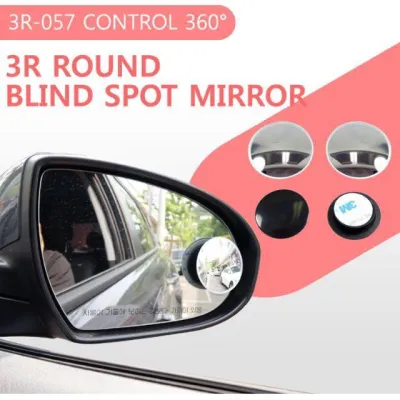
Mirror Shape and Size The physical dimensions of your vehicle’s side mirrors dictate the shape and size of the accessory you should choose. Compact sedans and hatchbacks generally benefit from small, round mirrors (typically 2 inches or 50mm in diameter) that fit neatly into the outer corner without blocking too much of the primary glass. Larger vehicles, such as sport utility vehicles (SUVs), multi-purpose vehicles (MPVs), and commercial vans, have taller and wider mirror housings. These larger platforms can accommodate oval or rectangular blind spot mirrors, which provide a broader horizontal field of view without compromising the main rearward line of sight.
Mounting Type The method used to secure the mirror to your vehicle affects both its aerodynamic stability and long-term durability. Adhesive stick-on mounts are the most popular and reliable option. High-quality adhesives, such as acrylic foam tape, create a semi-permanent bond that resists high wind resistance, car wash jets, and intense tropical heat. Alternatively, clip-on or bracket-based mounts attach directly to the outer frame of the side mirror. While these allow for easy removal and adjustment without leaving adhesive residue, they can introduce wind noise, increase aerodynamic drag, and vibrate significantly at expressway speeds, which distorts the reflected image.
Glass Quality The material of the reflective surface plays a critical role in image clarity and longevity. Real optical-grade glass is highly recommended over cheaper acrylic or polycarbonate alternatives. Under Singapore’s intense equatorial sun and high UV exposure, plastic mirrors tend to yellow, haze, and develop micro-scratches from road grit and wiper action over time. Real glass mirrors maintain their optical clarity, resist environmental degradation, and are much easier to clean without causing surface damage.
Curvature and Distortion Blind spot mirrors rely on a convex shape to bend light and provide a wider viewing angle. However, this curvature introduces optical distortion, making objects appear smaller and further away than they actually are. Mirrors with a tighter radius of curvature (such as 100R) offer an exceptionally wide field of view but cause significant image compression, making it difficult to judge relative speeds and distances accurately. A moderate curvature (such as 150R or 200R) strikes a safer balance, expanding your field of view sufficiently while preserving realistic depth perception.
Recommended Blind Spot Mirror Types for Different Driving Needs
The ideal blind spot mirror varies based on your vehicle type, driving habits, and personal preferences regarding aesthetics and functionality. Understanding the distinct categories of these accessories allows you to choose a model that aligns with your specific daily commute.
Frameless Convex Mirrors for Maximum Visibility
Frameless convex mirrors feature an ultra-thin, edge-to-edge glass design that eliminates the bulky plastic borders found on traditional models. This minimalist construction maximizes the usable reflective surface area, providing an uninterrupted, wide-angle view of adjacent lanes.
From an aesthetic standpoint, frameless mirrors integrate seamlessly with your vehicle’s original side mirrors, offering a clean, original equipment manufacturer (OEM) appearance. When selecting a frameless model, it is crucial to verify that the outer glass edges are smoothly polished and beveled. Beveled edges prevent the glass from chipping over time and protect your fingers or microfiber cloths from getting snagged or cut during routine vehicle washing. Furthermore, the absence of a raised plastic frame prevents dirt, wax, and rainwater from pooling at the borders, keeping the mirror face clearer for longer periods.
Rain-Repellent and Anti-Glare Mirrors for Wet Weather
Singapore’s tropical climate is characterized by sudden, torrential downpours, particularly during the monsoon seasons. Heavy rain can cause water droplets to accumulate on your side mirrors, severely distorting your view and making lane changes highly hazardous.
To combat this, some blind spot mirrors feature advanced hydrophobic coatings. These specialized chemical treatments lower the surface energy of the glass, forcing water droplets to bead up and slide off rapidly under wind pressure, rather than spreading into a blurry sheet of water. Additionally, night driving on well-lit expressways can be complicated by the glare of high-intensity discharge (HID) or LED headlights from trailing vehicles. Mirrors treated with anti-glare coatings—often characterized by a subtle blue tint—absorb specific wavelengths of light to minimize harsh reflections, reducing eye strain and preventing temporary glare blindness during night commutes.
Adjustable Swivel Mirrors for Custom Angles
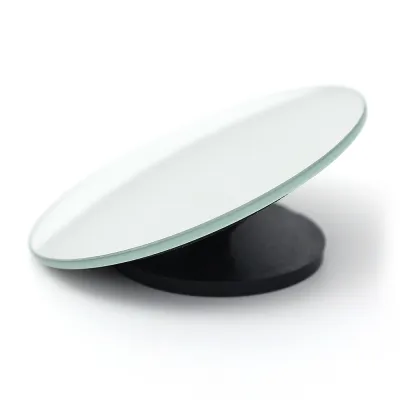
Adjustable swivel mirrors incorporate a small ball-joint or rotating base behind the convex glass, allowing you to tilt and angle the mirror independently of the main side mirror housing.
This design is highly beneficial for households where multiple drivers of varying heights share the same vehicle. Each driver can easily adjust the blind spot mirror to align with their specific seating position and eye level without needing to re-adjust the entire primary mirror assembly. When choosing a swivel-mounted mirror, it is essential to inspect the build quality of the rotating joint. The joint must possess sufficient rotational resistance (torque) to hold its position firmly. Low-quality swivel joints can easily droop, shift, or vibrate when subjected to the wind pressure of expressway driving or the high-pressure water jets used at local car washes.
Oval and Rectangular Mirrors for Larger Side Mirrors
For drivers of larger vehicles, such as family MPVs, SUVs, and commercial delivery vans, standard round blind spot mirrors may not provide sufficient vertical or horizontal coverage.
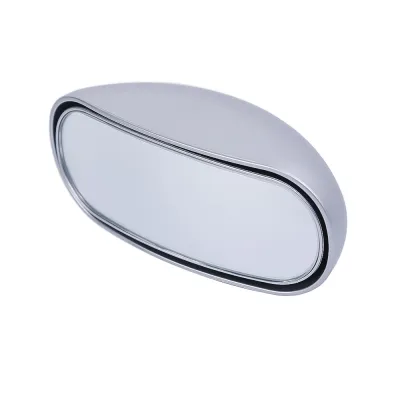
Oval and rectangular designs are specifically engineered to match the broader, more upright proportions of larger side mirror housings. These shapes allow you to capture a wider horizontal sweep of the adjacent lanes while simultaneously monitoring low-lying obstacles near your rear wheels. When positioning these larger accessories, care must be taken to place them along the outermost edge of the primary mirror. This strategic placement ensures that you capture the critical blind spot zone while preserving the central and inner portions of the primary mirror, which are necessary for tracking vehicles approaching directly from behind.
Safe Installation and Positioning Guide
Proper installation is just as important as choosing the right mirror. Incorrect placement or poor surface preparation can result in a mirror that blocks your primary view, fails to cover the actual blind spot, or detaches while driving.
Optimal Placement Before permanently mounting your blind spot mirror, you must determine the optimal position on your vehicle’s side mirror glass. For most passenger cars, the outer lower corner or the outer upper corner of the side mirror is the most effective location. Placing the accessory in the outer lower corner is generally preferred because this area of the primary mirror typically reflects the sky or distant lanes, meaning you lose very little critical rearward vision. However, you must sit in your normal driving position and temporarily hold the mirror in place (using a piece of removable tape) to verify that it does not block your view of vehicles in the immediate adjacent lane.
Surface Preparation To ensure a permanent bond that can withstand Singapore’s high humidity and heavy rainfall, the mounting surface must be meticulously cleaned. Begin by washing the side mirror glass with a dedicated automotive glass cleaner to remove road grime, dust, and water spots. Next, wipe the specific mounting area with isopropyl alcohol (IPA) to strip away any remaining wax, sealant, or oil residues that could compromise the adhesive. Always check your vehicle’s manual or any aftermarket window film specifications to ensure that the cleaning agents used are safe for your specific mirror glass and coatings. Ensure the surface is completely dry before proceeding.
Adhesive Curing Most high-quality blind spot mirrors utilize double-sided acrylic foam tape for mounting. Once you have aligned the mirror, press it firmly against the prepared glass surface for at least 30 to 60 seconds to activate the pressure-sensitive adhesive. For the adhesive to achieve its maximum bond strength, it requires a curing period of approximately 24 hours. During this initial curing phase, avoid driving at high speeds on the expressway, exposing the vehicle to heavy rain, or washing the car. Allowing the adhesive to cure fully prevents the mirror from shifting or detaching prematurely.
Safety Boundary Before finalizing the installation, check your vehicle’s original manufacturer instructions regarding advanced side mirror features. Many modern vehicles feature heated glass, auto-dimming capabilities, or integrated blind-spot radar indicator lights (such as BSD or BSM systems) built directly into the side mirror glass. You must never place an aftermarket blind spot mirror directly over these integrated indicator lights or active heating elements, as doing so can damage the underlying circuitry, block vital safety warnings, or render the vehicle’s electronic driver-assist systems useless.
Maintenance and Cleaning in Humid Conditions
Singapore’s tropical climate, characterized by high relative humidity, intense UV radiation, and salty air in coastal regions, can accelerate the wear and tear of aftermarket exterior accessories. Regular maintenance is essential to preserve the optical clarity and physical security of your blind spot mirrors.
When cleaning your vehicle, treat the blind spot mirrors with the same care as your primary side mirrors. Use a mild, pH-neutral automotive glass cleaner and a clean, soft microfiber cloth. Avoid using abrasive sponges, stiff-bristled brushes, or harsh household chemicals, as these can easily scratch the glass surface or strip away specialized hydrophobic and anti-glare coatings. Gently wipe the mirror surface in a circular motion to remove accumulated road film, dust, and water spots.
It is also highly recommended to perform periodic safety checks on the adhesive backing. During your weekly car wash, gently tug on the outer edges of the blind spot mirrors to verify that the adhesive bond remains firm and secure. Prolonged exposure to intense solar heat when parked in open-air car parks can cause lower-quality adhesives to soften and degrade over time.
You should plan to replace your blind spot mirrors if you observe any signs of physical or optical degradation. These signs include:
- Silvering delamination, which appears as dark spots or peeling around the edges of the mirror glass.
- Persistent cloudiness or hazing that cannot be removed with standard glass cleaner.
- Deep surface scratches that distort the reflected image or compromise your depth perception.
- A loose or unstable swivel joint that shifts under normal wind resistance.
Frequently Asked Questions (FAQ)
Are blind spot mirrors legal for cars in Singapore?
Yes, stick-on and clip-on blind spot mirrors are generally legal for passenger cars in Singapore. Under the Land Transport Authority (LTA) guidelines, these aftermarket accessories are permitted as long as they do not extend beyond the maximum physical width of the vehicle’s standard side mirrors, do not feature sharp or protruding edges that could pose a hazard to pedestrians, and do not obstruct the driver’s primary rearward field of view. They must be installed securely to prevent them from detaching while the vehicle is in motion.
Do I need blind spot mirrors if my car has a blind spot monitoring system?
While electronic blind spot monitoring (BSM) systems are excellent driver-assist tools, they are not infallible. Electronic sensors can experience operational latency, struggle to detect fast-filtering motorcycles approaching at high relative speeds, or become temporarily blinded by heavy rain, mud, and road grime during severe downpours. A physical, convex blind spot mirror operates purely on optics, requiring no electrical power or sensor calibration. It serves as an instant, zero-latency, and highly reliable visual backup that ensures you always have a clear view of your surroundings, even if your vehicle’s electronic systems experience a temporary malfunction.
How do I remove a stick-on blind spot mirror without damaging the side mirror?
To safely remove a stick-on blind spot mirror without scratching or cracking your vehicle’s primary side mirror glass, you should avoid using flat metal blades, screwdrivers, or sharp tools. Instead, take a length of high-tensile fishing line or dental floss and slide it behind the blind spot mirror’s base. Using a gentle, back-and-forth sawing motion, slice through the foam adhesive layer until the mirror detaches. Once the mirror is removed, apply an automotive-safe citrus-based adhesive remover to the remaining foam residue. Let the solvent sit for a few minutes to soften the adhesive, then gently wipe it away with a clean microfiber cloth.
Community discussion
Share your experience or ask a question. Comments are reviewed before publication.