
Finding the right motorcycle tyre is one of the most critical decisions you will make for your daily commute. In Singapore, where hot asphalt quickly gives way to sudden, heavy downpours, your choice of a tyre 17 inch model directly impacts your safety, riding comfort, and wallet. While there is no single brand that fits every rider, the best value is determined by balancing your immediate budget against long-term mileage and wet-weather performance.
Quick Answer: Which 17-Inch Tyre Brand Offers the Best Value?
The ideal 17-inch motorcycle tyre depends entirely on your daily riding habits, budget, and performance priorities. For commuters seeking the lowest long-term cost-per-kilometer and maximum safety during heavy rain, premium brands like Michelin offer the best overall value. If you prioritize sharp handling, cornering feedback, and dry-weather performance, Pirelli provides excellent dynamic value. Conversely, if you are looking to minimize immediate upfront costs while maintaining reliable everyday durability, budget-friendly brands like IRC and Maxxis are the most practical choices. Ultimately, value is not just about the cheapest price tag; it is about finding the right balance of wet grip, treadwear, and initial investment.
What Defines "Value" for Daily Commuting in Singapore?
Evaluating motorcycle tyres requires looking beyond the initial purchase price at the workshop. For a daily commuter, true value is best calculated as cost-per-kilometer. A tyre that is inexpensive upfront but wears out rapidly or loses its grip after a few thousand kilometers will ultimately cost you more in frequent replacements and labor fees.
Products mentioned in this guide
Prices are valid at publication and may change. Please refer to the product page for the latest price.

Singapore’s unique tropical climate plays a massive role in this calculation. With high humidity and sudden, intense rainstorms occurring year-round, wet grip is a non-negotiable safety requirement. A tyre must feature efficient water evacuation grooves and specialized rubber compounds to prevent aquaplaning on wet expressways and arterial roads.
Urban commuting also involves endless stop-and-go traffic, which subjects tyres to constant thermal stress from braking and acceleration. This heat accelerates tread wear, particularly along the center line of the tyre. A tyre designed with excellent heat dissipation and a durable compound will resist flat-spotting, preserving its profile and handling characteristics over time.
When you factor in the cost of professional installation and the inconvenience of workshop visits, investing in a slightly more expensive tyre that offers 30% to 50% more mileage is often the most economical choice. True value lies in a tyre that maintains consistent, predictable performance from the day it is fitted until it reaches the wear indicators.
Comparing Mainstream Tyre 17 Inch Brands for Commuters
To make an informed decision, you must understand how different manufacturers design their products to meet these commuting challenges. While brand reputation is a helpful indicator, performance ultimately depends on the specific tyre model, carcass construction, and rubber compound.
Always consult the manufacturer’s specific product documentation and tyre labels to verify performance ratings before buying. Below, we break down how the most popular 17-inch tyre brands available locally compare in terms of grip, longevity, and overall commuter value.
Michelin: Premium Longevity and Wet Weather Confidence
Michelin is widely regarded as a market leader in commuter tyre technology, with popular lines like the Pilot Street and City Extra. The brand’s primary value proposition centers on its advanced chemical engineering, specifically the use of high-silica compounds.
Silica allows the tread rubber to remain highly flexible at lower temperatures and adhere effectively to wet road surfaces. For riders navigating wet Singaporean roads, this technology provides exceptional braking performance and cornering stability when a sudden downpour hits. The tread patterns are meticulously designed to slice through standing water, ensuring a stable contact patch.
In addition to wet-weather safety, Michelin focuses heavily on carcass durability and uniform wear. Many of their commuter tyres utilize dual-compound structures, placing harder, wear-resistant rubber in the center and softer rubber on the shoulders. This design prevents the tyre from squaring off prematurely during long, straight expressway commutes.
Although Michelin tyres demand a higher upfront financial investment, their exceptional mileage typically results in a lower cost-per-kilometer over their lifespan. This makes them an outstanding long-term value for high-frequency riders, such as delivery professionals and daily long-distance commuters.
Pirelli: Sporty Handling and Dry Grip Focus
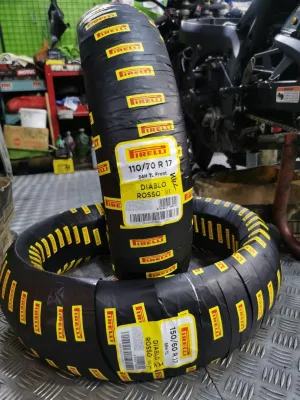
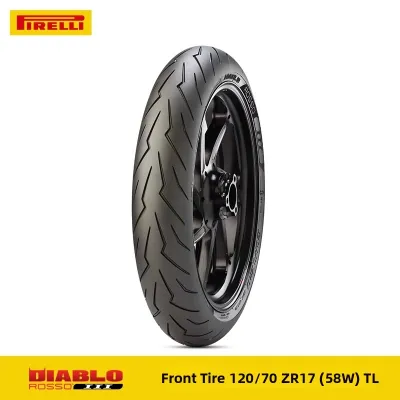
Pirelli brings its extensive racing heritage to the commuter market with models like the Diablo Rosso Sport and Angel CiTy. These tyres are engineered for riders who prioritize dynamic handling, precise feedback, and an engaging riding experience.
The defining characteristic of Pirelli tyres is their sporty profile, which is optimized for rapid turn-in and high stability during cornering. If your daily commute involves active lane filtering or navigating winding roads, Pirelli tyres offer a level of responsiveness and dry grip that boosts riding confidence. The compound is formulated to warm up quickly, providing immediate traction.
However, this emphasis on grip and handling often requires softer rubber compounds. While these compounds deliver superb dry traction, they tend to wear faster under the heavy heat and abrasive stop-and-go conditions of urban traffic. The center tread may wear down more quickly if your daily route consists almost entirely of straight-line highway riding.
For the commuter, Pirelli represents excellent value if you value active safety, handling precision, and dry-weather performance over absolute maximum tyre life. It is an ideal option for sports-oriented underbones and light-class motorcycles.
IRC and Maxxis: Budget-Friendly Durability and Everyday Reliability
For riders seeking practical, no-nonsense performance, IRC and Maxxis are highly popular and accessible options. These brands focus on delivering reliable everyday utility and robust construction at a very competitive price point.
IRC is frequently selected as the original equipment manufacturer (OEM) tyre for major Japanese motorcycle brands. This status reflects their consistent quality and adherence to strict manufacturing standards. Tyres like the IRC NR series feature durable, hard-wearing compounds that offer excellent puncture resistance and reliable traction for standard daily commuting.
Maxxis similarly offers highly competitive budget options, such as the Promaxx series. These tyres are built with stiff, robust carcasses designed to handle heavy loads, making them a popular choice for riders who carry passengers or heavy cargo. Their tread patterns are optimized for efficient water dispersal at typical city speeds and reliable dry-weather stability.
The primary value of both IRC and Maxxis lies in their low upfront cost, which is highly attractive for budget-conscious riders or those maintaining older motorcycles. They provide a safe, dependable baseline of performance for daily urban travel without requiring a premium investment.
Key Specifications to Verify Before Buying
While choosing a reputable brand is important, ensuring the tyre is physically compatible and safe for your specific motorcycle is a critical safety boundary. In the automotive and motorcycle industries, installing incorrect tyre specifications can lead to severe handling issues, rapid wear, or catastrophic failure.
First, you must verify the exact tyre dimensions required for your vehicle. A standard 17-inch wheel requires specific width and aspect ratio measurements (for example, 90/80-17 for the front and 120/70-17 for the rear). Never assume compatibility based on the wheel diameter alone; always consult your motorcycle’s owner’s manual or the specification sticker on the swingarm.
Second, verify the Load Index and Speed Rating of the tyre. These ratings indicate the maximum weight and speed the tyre can safely handle under standard operating conditions. If you frequently carry a passenger or transport heavy goods, choosing a tyre with an inadequate load index can lead to severe overheating and structural failure.
Finally, always prioritize professional installation. Mounting and balancing a motorcycle tyre requires specialized equipment to ensure the bead seats correctly and the wheel is dynamically balanced. Improper DIY installation can damage the tyre carcass, bend your rims, or cause dangerous high-speed vibrations. Always have your tyres fitted by a qualified professional mechanic at a registered workshop, and ensure they replace the valve stems at the same time.
How to Maximize Tyre Lifespan on City Roads
Even a premium tyre 17 inch will fail to deliver its expected mileage if it is not properly maintained. Following a few simple, low-risk maintenance steps will protect your investment and keep you safe on the road.
The most critical maintenance task is maintaining the correct tyre pressure. Always check your tyre pressure when the tyres are cold, meaning the motorcycle has been parked for at least three hours or ridden less than two kilometers. Under-inflation causes the tyre to flex excessively, generating destructive heat and causing rapid shoulder wear, while over-inflation reduces the contact patch and accelerates center tread wear.
Perform a thorough visual inspection of your tyres at least once a week. Look for uneven wear patterns, which could indicate wheel misalignment or suspension issues. Check the tread grooves for embedded debris like nails, glass, or sharp stones, and inspect the sidewalls for any signs of cracking, dry rot, or bulging.
Your riding habits also play a significant role in tyre wear. Harsh acceleration and aggressive braking strip rubber from the tread unnecessarily. Practicing smooth, progressive throttle and braking inputs will dramatically extend the life of your tyres. Additionally, take care when parking to avoid scraping the tyre sidewalls against concrete curbs, which can damage the internal structural cords.
Final Decision Framework: Choose Based on Your Riding Style
To make your final purchase decision, evaluate your typical riding routes, budget, and performance needs against this practical framework:
- Choose Michelin if you are a daily, high-mileage commuter who rides in all weather conditions, prioritizes wet-surface safety, and wants the lowest long-term cost-per-kilometer despite a higher upfront price.
- Choose Pirelli if you ride a sportier motorcycle, value sharp handling, cornering feedback, and dry-weather traction, and are comfortable with a slightly shorter tyre lifespan.
- Choose IRC or Maxxis if you want to minimize your immediate out-of-pocket expenses, ride a standard lightweight commuter bike, and need a reliable, durable tyre for everyday city speeds.
- Verify first if your motorcycle has specific OEM requirements, if your daily carrying load demands a higher load index, or if you require professional advice from a qualified mechanic to select the exact speed and load ratings for your bike model.
Community discussion
Share your experience or ask a question. Comments are reviewed before publication.