
Driving under the intense Singapore sun often turns car cabins into heat traps, making the driver’s seat a primary source of discomfort. When your back is pressed against a hot seat for an extended commute along the Pan Island Expressway or during stop-and-go city driving, sweat buildup is almost inevitable. To combat this, many drivers turn to aftermarket accessories like beaded car seat mats or breathable mesh covers. Neither option offers an absolute cooling guarantee, as their effectiveness depends heavily on your vehicle’s air conditioning, original upholstery material, and personal comfort preferences. Understanding how these two distinct designs manage heat, airflow, and physical support will help you make an informed decision for your daily commute.
How Beaded Mats and Mesh Covers Manage Heat and Airflow
Beaded car seat mats, traditionally made of polished wood, hard plastic, or specialized cooling gel, work primarily by reducing the surface area of your body that directly touches the seat. By creating a physical barrier composed of individual spheres woven together with heavy-duty thread, these mats establish a network of open gaps. This design allows air to circulate passively behind your back and beneath your thighs, preventing heat from becoming trapped between your skin and the upholstery. The physical space acts as a ventilation channel, which can help sweat evaporate more naturally when cabin air is moving.
In contrast, breathable mesh covers utilize a completely different physical mechanism. Instead of creating a thick physical gap, they rely on porous, multi-layered fabric weaves designed to wick moisture away from your body. The synthetic fibers in mesh covers are highly breathable, allowing heat to dissipate through the fabric rather than absorbing and holding onto it. However, because mesh covers are thin and flexible, they tend to sit flush against the contours of your seat. This means the physical separation between your body and the seat is minimal compared to a beaded mat, relying more on the material’s inherent breathability than on open air gaps.
Products mentioned in this guide
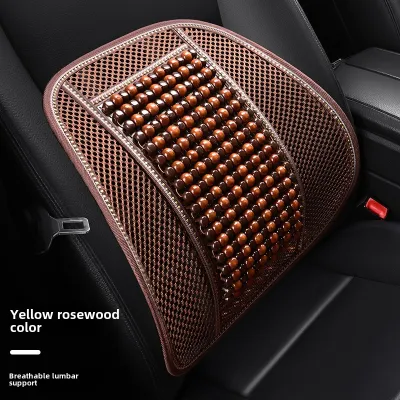
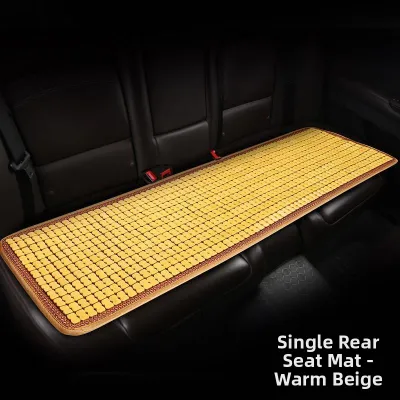
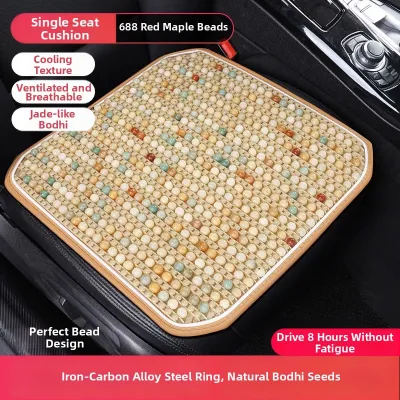
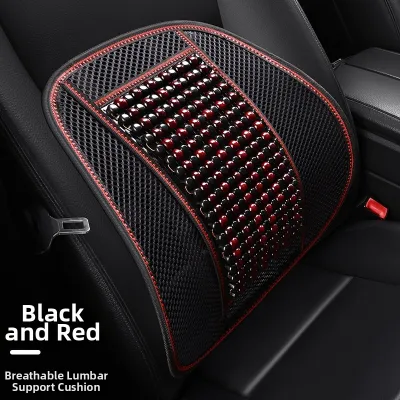
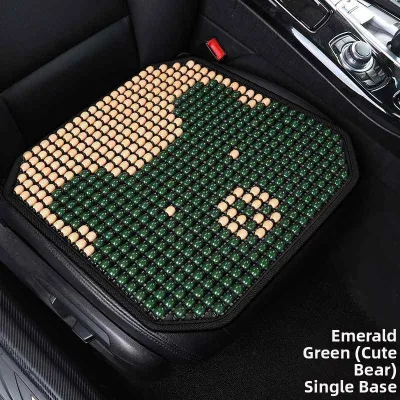
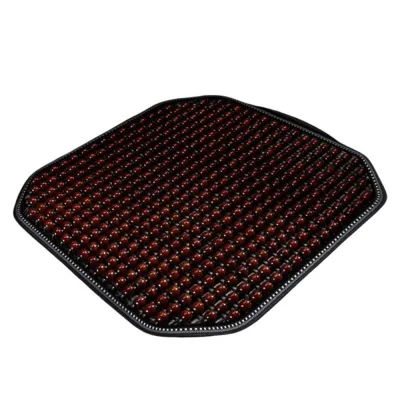
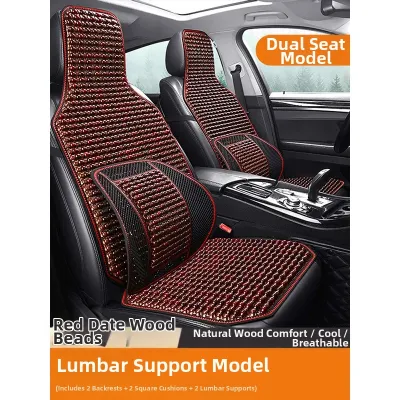
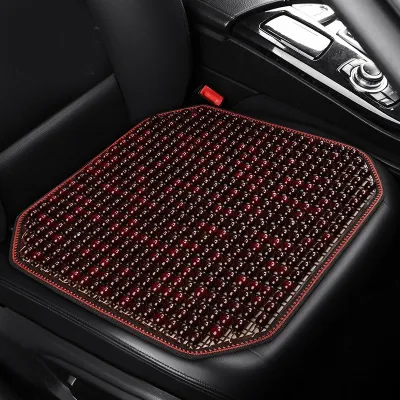
Prices are valid at publication and may change. Please refer to the product page for the latest price.
It is important to recognize the physical limitations of both passive cooling methods. Neither beaded mats nor mesh covers generate cold air on their own; they merely facilitate the movement of existing cabin air. If your car has been parked in an open-air lot in Jurong or Orchard under the midday sun, the air inside the cabin will be exceptionally hot. Until your vehicle’s air conditioning system lowers the ambient temperature and begins circulating cool air throughout the cabin, both accessories will simply circulate the warm air trapped inside the car.
Key Variables That Alter Your Cooling Experience
The material of your original car seats plays a major role in determining how much cooling relief an aftermarket accessory can provide. Factory leather or synthetic leather seats are notorious for retaining heat and radiating it back onto your body, especially after the car has been parked outdoors. If you have leather upholstery, a beaded mat can provide an effective physical barrier that prevents direct contact with the hot surface. On the other hand, if your vehicle is equipped with factory cloth or fabric seats, which are naturally more breathable and retain less heat, the difference in cooling performance between a mesh cover and a beaded mat may feel much less pronounced.

Another critical factor is whether your vehicle features built-in ventilated or cooled seats. Many modern cars in Singapore come equipped with perforated leather seats that blow air through tiny holes to cool the occupant. Installing a thick beaded mat or a dense, multi-layered mesh cover over these seats can severely restrict or completely block the factory airflow. This obstruction reduces the efficiency of your car’s built-in cooling system, defeating the purpose of both the ventilated seats and the aftermarket accessory. If your car has ventilated seats, adding any solid or dense layer is generally counterproductive.
Your typical driving habits and cabin air conditioning performance also influence which accessory is more suitable. For short, stop-and-go trips where the cabin air conditioning does not have sufficient time to fully lower the temperature of the seat structure, a beaded mat’s physical separation offers immediate relief from a hot seat surface. For longer drives where the cabin temperature has stabilized, a breathable mesh cover can provide a more integrated, comfortable feel while still allowing moisture to wick away, preventing that sticky, humid sensation during extended periods behind the wheel.
Comfort, Support, and Daily Usability Trade-offs
Beyond temperature management, beaded mats and mesh covers offer vastly different experiences regarding ergonomics, support, and daily usability. Beaded mats provide a firm, highly textured surface that some drivers find therapeutic, offering a mild massage-like sensation that can relieve muscle tension during long drives. However, this uneven surface is not for everyone; some drivers find the hard pressure points of wooden or plastic beads uncomfortable or even painful over long distances. Additionally, beads alter the seating ergonomics slightly by raising your seating position and pushing you forward, which may require adjusting your steering wheel and mirrors.
Mesh covers, by comparison, offer a much more uniform and familiar seating experience. Because they are thin and conform to the shape of your seat, they preserve the original ergonomic design and cushioning of your vehicle’s factory seats. This makes them a common choice for drivers who are highly satisfied with their seat’s original support but simply want to reduce sweat buildup. Mesh covers also tend to look more integrated into the cabin’s interior design, whereas beaded mats have a distinct, traditional aesthetic that may not appeal to every driver.
Usability and safety during daily driving also depend on how securely these accessories attach to your seats. Beaded mats are heavy and can shift or slide when you enter or exit the vehicle, or worse, during sudden braking and cornering. It is essential to choose a mat with robust anchor straps and an effective anti-slip backing to prevent movement that could distract you or interfere with your control of the pedals. Mesh covers typically wrap around the entire seat or secure tightly with elastic bands, generally offering a more stable fit that stays in place during spirited driving.
Maintenance is another practical consideration for Singapore car owners. Beaded mats are relatively easy to clean; you can simply wipe them down with a damp cloth to remove dust and sweat residue. However, the threads holding the beads together can wear out, fray, or snap over time, causing the beads to scatter. Mesh covers can accumulate dust, hair, and spilled liquids within their porous weave, requiring periodic vacuuming or removal for hand-washing. Furthermore, you must consider the potential wear on your original upholstery; hard beads can rub against delicate leather seats, potentially causing scuffs, scratches, or permanent indentations over years of use.
Compatibility and Safety Checks Before Installation
Before purchasing or installing any aftermarket seat accessory, safety must be your primary concern. Modern vehicles are equipped with sophisticated safety systems integrated directly into the seats. The critical safety boundary involves the side-impact airbag, which is commonly housed inside the outer bolsters of the front seatbacks. If you install a full-wrap mesh cover or a wide beaded mat that covers these deployment zones, you risk delaying or completely blocking the airbag from deploying during a collision. Always check the manufacturer’s documentation for your vehicle and the accessory to ensure compatibility with side airbags.
Additionally, you must verify that the accessory does not interfere with other essential seat functions. Ensure that straps, buckles, or hooks do not obstruct the path of integrated seatbelts, prevent the proper adjustment of headrests, or block the movement of power seat controls. If your vehicle has a center armrest or split-folding rear seats, a poorly fitted cover can prevent these features from operating correctly.
Material safety is another factor to verify on product labels. Look for accessories that specify fire retardancy and compliance with automotive material safety standards. Cheap, uncertified materials may emit unpleasant chemical odors when exposed to the high cabin temperatures typical of cars parked in Singapore’s outdoor parking lots. If you are uncertain about how an accessory fits or whether it compromises your vehicle’s safety systems, stop and consult your vehicle owner’s manual or a qualified automotive professional before proceeding with the installation.
How to Choose the Right Option for Your Drive
Selecting the right accessory requires a careful evaluation of your vehicle’s interior, your personal comfort preferences, and your daily driving routine. There is no universal winner, but a conditional decision framework can guide your choice.
You should choose a beaded car seat mat if your vehicle has leather seats that get exceptionally hot, you prefer a firm and textured seating surface, and you do not mind a traditional aesthetic. The physical separation provided by the beads is effective at preventing your back from sticking to hot leather, making it an appropriate choice for drivers who prioritize immediate physical isolation from seat heat.
You should choose a breathable mesh cover if you want a modern, low-profile look that blends seamlessly with your car’s interior, you prefer uniform and soft cushioning, and your primary goal is to wick away moisture without altering your seat’s original ergonomics. Mesh covers are ideal for drivers who want a stable, secure fit that preserves the factory feel of the seat while offering a breathable barrier against humidity.
However, you should avoid both options or proceed with extreme caution if your vehicle features factory ventilated seats, as any aftermarket layer will likely block the built-in airflow. Before making any purchase, always inspect your seats for side airbag deployment labels, check the mounting points, and verify that the accessory’s dimensions match your specific vehicle model to ensure a safe and comfortable drive.
Frequently Asked Questions (FAQ)
Will a beaded car seat mat damage my leather upholstery?
Yes, there is a risk of damage if the mat is not designed or installed correctly. The hard material of wooden or plastic beads, combined with the weight of the driver and the natural shifting that occurs during driving, can create significant friction against leather surfaces. Over time, this friction can scuff the leather’s protective coating, cause discoloration, or leave permanent indentations. To minimize this risk, look for beaded mats that feature a soft, protective backing or felt lining on the underside, ensure the mat is anchored tightly to prevent sliding, and regularly inspect both the underside of the mat and your leather seats for early signs of wear.
Can I use a mesh cover on a seat with built-in ventilation?
It is generally not recommended to use a standard aftermarket mesh cover on seats with built-in ventilation. Even though mesh is breathable, the multi-layered fabric and backing materials can still restrict the flow of air coming from the seat’s internal fans, significantly reducing the system’s cooling efficiency. If you want to protect your ventilated seats, you must look specifically for ultra-thin, highly perforated covers that are explicitly labeled by the manufacturer as compatible with ventilated seats. Always test the airflow with the cover installed to ensure the factory cooling system is not being overworked or blocked.

Community discussion
Share your experience or ask a question. Comments are reviewed before publication.