
Choosing the right mounting position for your Baseus phone mount is not a one-size-fits-all decision. Instead, the ideal setup depends on a careful balance of your vehicle’s physical layout, local climate conditions, and safety regulations. In Singapore’s hot and humid climate, cabin heat plays a significant role in adhesive stability and device performance, making placement choice even more critical. By evaluating your dashboard material, vent blade design, and legal sightline requirements, you can select a mount that keeps your device secure and accessible without compromising road safety.
Assessing Your Car Interior for Baseus Mount Compatibility
Before purchasing any car accessory, a thorough inspection of your vehicle’s cabin layout is essential to prevent compatibility issues. Air vent clips require a stable foundation, meaning you must examine the shape, depth, and thickness of your air conditioning louvers. Different clip mechanisms are engineered for specific blade profiles, and some may not support heavier devices.
Dashboard surfaces present unique challenges for adhesion. Textured plastics, soft-touch synthetic leathers, and curved panels can prevent suction cups or adhesive pads from forming an airtight seal. Windshield mounting relies on smooth, non-porous glass, but the angle of your windscreen and the presence of acoustic or solar-control coatings can affect both reach and adhesion.
Products mentioned in this guide
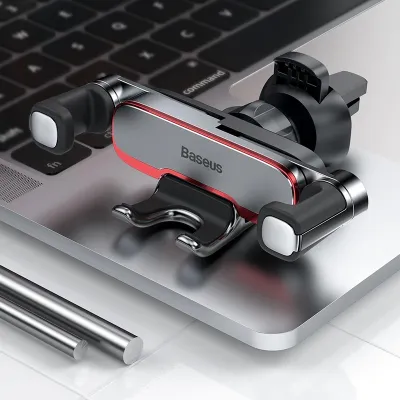
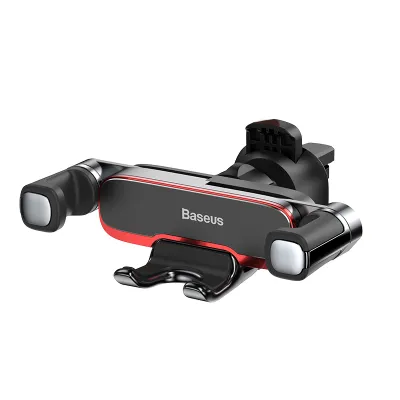
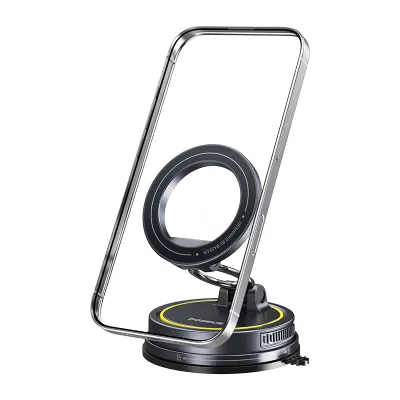
Prices are valid at publication and may change. Please refer to the product page for the latest price.
Additionally, you must identify the location of your vehicle’s passenger and side-curtain airbags to ensure the mount and phone do not obstruct deployment zones. Consulting your vehicle’s owner manual can help you identify sensitive dashboard materials and safe mounting zones that avoid integrated sensors or displays.
Air Vent Mounts: Cooling Benefits and Blade Compatibility
Air vent mounts are highly popular because they position your smartphone within easy reach while keeping the windshield completely clear. One of the primary advantages of this position is active thermal management. Running intensive GPS navigation and charging simultaneously can cause smartphones to overheat, but placing the device directly in front of an air conditioning vent helps maintain optimal operating temperatures.

However, this cooling benefit reverses during cooler periods if you run the vehicle’s heater, as directing hot air onto the back of your phone can accelerate battery degradation. Compatibility is highly dependent on the design of your air conditioning vents. Standard horizontal and vertical blades easily accommodate typical clamp or hook mechanisms, whereas circular, turbine-style, or deeply recessed vents often lack the flat surfaces required for a secure grip.
You must also consider the structural integrity of the vent assembly. Heavy smartphones, especially when combined with rugged cases, can place significant leverage on thin plastic blades, potentially causing them to droop or crack over time. To mitigate this, verify the weight capacity of your specific Baseus vent mount and check if it features an integrated support leg designed to distribute the load onto the surrounding dashboard trim.
Dashboard Mounts: Surface Adhesion and Heat Stability
Dashboard mounts offer a highly customizable viewing experience, allowing you to position your phone at a comfortable height without blocking your view of the road. These mounts typically utilize either a heavy-duty suction cup with a sticky gel pad or a semi-permanent adhesive base to secure themselves to the console.
The success of a dashboard installation depends heavily on surface preparation and material compatibility. Smooth, flat, and non-porous surfaces provide the ideal foundation, whereas heavily textured or curved dashboards allow microscopic air gaps to form, eventually causing suction failure.
In tropical climates like Singapore, extreme cabin temperatures can pose a challenge for adhesive-based mounts. Prolonged exposure to direct sunlight through the windshield can soften adhesive backings and degrade suction gel over time. To ensure a long-lasting bond, always clean the target area thoroughly with an approved, non-damaging cleaner to remove dust, oils, and interior dressings before installation.
If using an adhesive mount, allow the adhesive to cure fully according to the manufacturer’s instructions—typically 24 hours—before attaching the weight of your phone.
Windshield Mounts: Navigation Sightlines and Legal Boundaries
Windshield mounts place your smartphone closest to your natural line of sight, making it exceptionally easy to follow navigation prompts without taking your eyes off the road. This elevated position is particularly useful for drivers who rely heavily on real-time traffic maps and need to make quick lane decisions.
However, placing a device on the glass can introduce significant safety and legal considerations. In Singapore, traffic regulations require drivers to maintain a clear, unobstructed view of the road, meaning any accessory mounted on the windshield must not impede your forward vision. To comply with local safety standards, windshield mounts should be positioned in the far lower corner of the driver’s side or low down in the center of the glass, keeping the main field of view entirely clear.
Furthermore, direct exposure to intense sunlight can cause the air inside a suction cup to expand, occasionally leading to sudden suction loss while driving. Regularly inspecting the suction mechanism and cleaning both the glass and the silicone pad can prevent unexpected drops and protect your device from damage.
Decision Framework: Choosing the Right Position for Your Needs
To finalize your choice, evaluate your daily driving habits, vehicle design, and personal priorities against the specific characteristics of each mounting style.
Choose an air vent mount if your vehicle features standard horizontal vent blades, you frequently run the air conditioning, and you prefer a clean, low-profile look that keeps your dashboard and windshield completely unobstructed.
Opt for a dashboard mount if you want a highly adjustable viewing angle, have a flat and smooth plastic surface available, and prefer to keep your air vents fully functional for cabin airflow.
Select a windshield mount if you prioritize keeping navigation maps directly within your line of sight, have verified that the placement complies with local road safety laws, and possess a windshield that is easily reachable from the driver’s seat.
Always verify the physical dimensions and weight limits of your chosen Baseus model against your smartphone and case combination before making a purchase. By taking the time to assess these variables, you can select a mounting solution that enhances your driving experience, protects your mobile device, and maintains the aesthetic appeal of your car’s interior.
Frequently Asked Questions (FAQ)
Can I use a dashboard mount on a leather or soft-touch interior?
Using suction cups or strong adhesives directly on genuine leather, vinyl, or soft-touch dashboard materials is generally not recommended. The strong vacuum pressure from suction cups can stretch or discolor delicate surfaces, while chemical adhesives can leave permanent stains or tear the material upon removal. If your car interior features these premium materials, look for specialized mounting pads designed to protect delicate surfaces, or consider using an air vent mount instead to preserve your dashboard’s condition.
Will an air vent mount damage my car's AC blades?
An air vent mount can potentially damage fragile plastic louvers if the weight of the phone exceeds the structural limits of the vent. To prevent damage, ensure the mount’s clamping mechanism is fully compatible with your blade thickness and avoid pulling or tugging on the phone while it is docked. Choosing a model with an adjustable support arm or stabilizer leg helps transfer the weight away from the delicate blades and onto the solid dashboard frame, minimizing the risk of cracking the plastic.
How do I safely remove an adhesive dashboard mount without leaving residue?
To safely remove an adhesive mount without damaging your car’s interior trim, start by warming the adhesive base slightly with a hairdryer on a low setting to soften the bond. Gently slide a piece of dental floss or a plastic trim removal tool underneath the base to saw through the softened adhesive layer. Once the mount is removed, clean any remaining residue using a mild, interior-safe cleaner or isopropyl alcohol, first testing it on an inconspicuous area to ensure it does not discolor the plastic.
Community discussion
Share your experience or ask a question. Comments are reviewed before publication.