
Quick Answer: Which Baseus Car Shade Do You Need?
Choosing the right Baseus car shade depends primarily on your daily parking orientation and your immediate comfort priorities. If your vehicle is typically parked facing the sun, a front windshield shade is the most effective choice because it covers the largest glass surface, protects the dashboard, and significantly reduces overall cabin heat buildup. Conversely, if your car is parked with its sides exposed to the sun, or if your main goal is to protect rear passengers from direct glare and heat while driving, side window shades are the better option.
While combining both types of shades provides the most comprehensive thermal protection, practical constraints like budget and storage space often require choosing one first. By evaluating where your vehicle experiences the most intense solar exposure, you can make an informed decision that keeps your cabin comfortable and protects your interior materials.
Front Windshield Shades: Maximum Cabin Heat Reduction
The front windshield is the single largest entry point for solar radiation in most passenger vehicles. Because of its steep angle and expansive surface area, it acts like a greenhouse canopy, allowing shortwave solar radiation to pass easily through the glass. Once inside, this radiation is absorbed by the dark surfaces of your dashboard, steering wheel, and front seats, converting into longwave infrared heat that becomes trapped within the cabin. This process leads to rapid temperature spikes and subjects your interior materials to severe thermal stress, which can cause plastic polymers to dry out, warp, or fade over time.
Products mentioned in this guide
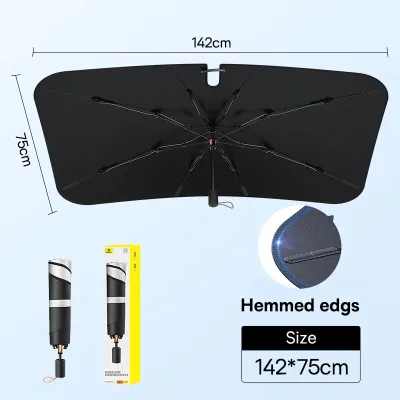
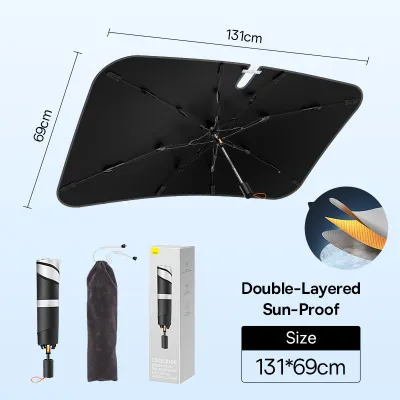
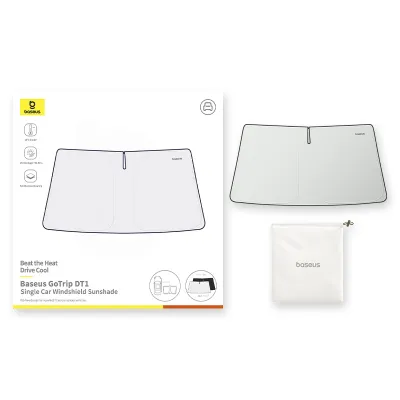
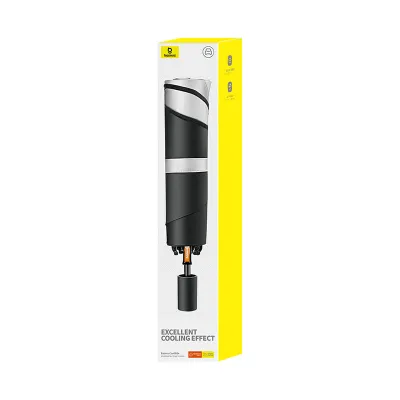
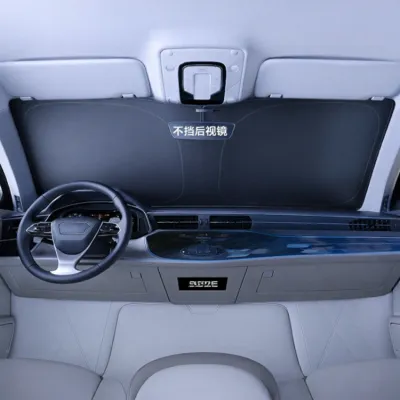
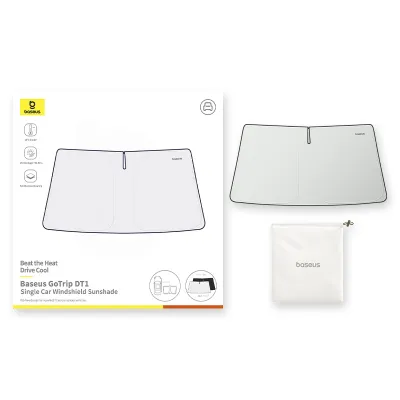
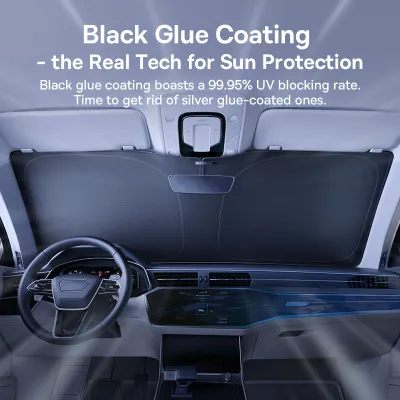
Prices are valid at publication and may change. Please refer to the product page for the latest price.

To combat this, front windshield shades are designed to intercept solar rays before they reach your interior surfaces. When browsing options from brands like Baseus, you will typically encounter two primary designs: traditional foldable accordion-style panels and modern umbrella-style shades. Accordion-style shades use a semi-rigid structure that folds along pre-creased lines, making them straightforward to deploy but sometimes bulky to store. On the other hand, umbrella-style shades feature a collapsible rib structure and a central shaft, allowing you to open them inside the cabin just like a standard rain umbrella. This design offers rapid deployment and collapses into a compact sleeve that fits easily into a door pocket or glove compartment.
Regardless of the design you prefer, achieving a tight fit is critical to maximizing thermal protection. Even small gaps around the edges of the shade can allow significant amounts of heat and light to bypass the barrier, creating localized hot spots. Before purchasing any front windshield shade, it is essential to measure your vehicle’s glass dimensions rather than relying solely on generic size recommendations. You must also consider the placement of your rearview mirror and any mounted dashcams, as these accessories can interfere with how snugly the shade sits against the glass.
Side Window Shades: Targeted Glare and Passenger Comfort
While the front windshield is responsible for the bulk of overall cabin heat buildup, side windows present a different set of challenges that directly impact passenger comfort. Side windows are positioned vertically, meaning they admit direct, harsh sunlight at lower angles during the morning and late afternoon. This lateral exposure can create intense glare and localized heat discomfort for occupants, particularly rear-seat passengers, young children, and pets who cannot easily escape the sun’s path. Side window shades are specifically engineered to address this localized discomfort by filtering out direct light and reducing the immediate thermal load on passengers.
When evaluating side window shades, the mounting mechanism is a key factor that determines both usability and convenience. Common options include suction cups, static cling films, and magnetic frames. Suction cup shades are highly portable and easy to move between vehicles, though they can lose suction over time or leave circular marks on the glass. Static cling shades adhere directly to the window using electrostatic force, offering a clean, low-profile look, but they require a completely clean glass surface to stay secure. Magnetic frame shades, which are increasingly popular for modern vehicles, attach directly to the exposed metal frame of the car door. This magnetic attachment allows you to roll the window down for fresh air while keeping the shade firmly in place, providing a seamless user experience.
However, it is important to recognize the inherent limitations of relying solely on side window shades. Because side windows have a much smaller cumulative surface area compared to the front windshield, shading them will not prevent the front cabin, steering wheel, and dashboard from heating up when parked. If your vehicle is left exposed to the sun for several hours, heat will still penetrate through the unprotected front glass, raising the overall ambient temperature of the cabin. Therefore, side shades are best viewed as a targeted solution for passenger comfort and glare reduction rather than a complete thermal barrier for the entire vehicle.
Comparing Coverage and Usability for Your Parking Situation
Choosing between a front windshield shade and side window shades requires a clear understanding of your daily driving habits, parking environments, and primary comfort goals. If your vehicle is frequently parked in open-air car parks, such as outdoor parking lots in Singapore, it is highly susceptible to overhead and front-facing solar gain. In these scenarios, a front windshield shade is indispensable. It acts as the primary shield for your dashboard and steering wheel, ensuring that the surfaces you touch immediately upon entering the car remain at a manageable temperature.
Conversely, if your daily routine involves transporting family members or rear-seat passengers during peak daylight hours, side window shades offer immediate, practical benefits. They block the direct, blinding glare that can make long journeys uncomfortable and interfere with rear-seat entertainment screens. Furthermore, side shades provide an added layer of privacy for occupants and help conceal personal belongings left on the back seats from casual onlookers.
The effort required for daily installation and storage also differs significantly between the two types. Deploying a front windshield shade requires you to reach across the front cabin, position the shade around the rearview mirror, and secure it using the sun visors or an umbrella tension mechanism. This process must be repeated every time you park and leave the vehicle. Side window shades, particularly magnetic or static cling varieties installed on the rear doors, can often be left in place semi-permanently. They do not need to be removed when driving, provided they do not obstruct the driver’s view of the side mirrors.
To help streamline your decision, consider the following application guidelines based on your specific automotive needs:
Choose Front Windshield Shades if:
- Your car is regularly parked outdoors facing the sun, and you want to prevent the steering wheel and seats from becoming too hot to touch.
- You want to protect sensitive dashboard electronics, digital instrument clusters, and leather upholstery from long-term UV degradation.
- Your primary goal is to lower the initial thermal load inside the cabin so your air conditioning system can cool the interior more rapidly.
Choose Side Window Shades if:
- You frequently travel with children, infants, or pets in the rear seats who require protection from direct sunlight and harsh glare.
- You want to maintain a comfortable, shaded environment for rear passengers while the vehicle is in motion.
- You prioritize passenger privacy and want to obscure the view into the rear cabin from the outside.
Consider Both if:
- You regularly park in unshaded, open-air environments for extended periods throughout the day.
- You want to achieve comprehensive thermal protection by blocking solar radiation from multiple angles simultaneously.
- You want to maximize the overall efficiency of your vehicle's climate control system in hot, tropical climates.
How to Verify Fit and Material Specifications
Because vehicle dimensions and window geometries vary widely across different makes and models, you should never assume a shade will fit based on a generic “one-size-fits-all” claim. To ensure optimal coverage, take the time to measure your vehicle’s glass surfaces before making a purchase. For the front windshield, measure the maximum width along the bottom edge, the width along the top edge, and the vertical height from the base of the glass to the roofline. For side windows, measure the diagonal length as well as the horizontal and vertical spans of the window frame. Comparing these physical measurements against the dimensions listed on the product packaging or official store listings is the most reliable way to guarantee a proper fit.
In addition to physical dimensions, pay close attention to the material specifications detailed on the product label. High-quality sun shades often feature specialized multi-layer constructions, such as reflective titanium silver coatings or high-density fabrics designed to block ultraviolet radiation. Rather than relying on brand reputation alone, look for specific product details such as stated UPF (Ultraviolet Protection Factor) ratings or light-blocking percentages. These specifications provide a clearer indication of the shade’s ability to reflect solar energy and protect your interior from UV damage.
Finally, safety must remain your top priority when installing any aftermarket window accessories. While rear side window shades can safely remain installed while driving, front side window shades must never obstruct the driver’s line of sight or block the view of the side mirrors. In Singapore, road safety regulations require drivers to maintain an unobstructed view through the front windscreen and front side windows at all times. Ensure that any shade used on the front doors is strictly reserved for stationary parking and is completely removed before you set off on the road.
Frequently Asked Questions (FAQ)
Can I use a front windshield shade on the rear window?
While it may be tempting to use a front windshield shade on the rear window, doing so is generally not recommended due to significant differences in glass dimensions and shapes. Front windshields are typically much wider, taller, and more steeply curved than rear windows, meaning a front shade will likely be too large and awkward to position correctly at the back of the vehicle. This mismatch can result in large gaps that allow heat to enter, or cause the shade to sag and block your rearward visibility. If you require heat protection for the back of your car, it is best to purchase a dedicated rear window shade designed specifically to accommodate the unique angle and dimensions of rear automotive glass.
Do these shades interfere with electronic toll collection or parking sensors?
Interior car shades generally do not interfere with external parking sensors, cameras, or driver-assist systems, as these sensors are mounted on the vehicle’s exterior bumpers, grille, or side mirrors. However, you must take care when deploying a front windshield shade around internal electronic devices. In Singapore, vehicles are equipped with In-Vehicle Units (IU) or newer On-Board Units (OBU) for electronic toll collection and parking payments. When installing or unfolding a front windshield shade, ensure that it does not physically dislodge, cover, or block the line of sight of these internal units. The shade should be positioned carefully behind or around the unit to ensure uninterrupted communication with overhead gantries and parking readers.
Community discussion
Share your experience or ask a question. Comments are reviewed before publication.