
When parking under the intense tropical sun, choosing the right interior protection is essential for keeping your vehicle’s cabin habitable. A high-quality baseus car shade serves as an effective barrier against heat and ultraviolet radiation, but deciding between a front windshield shade and side window shades depends on your specific parking habits and passenger needs.
The front windshield shade is your primary defense against overall cabin heat buildup. Because the front windshield is the largest, most angled piece of glass on your vehicle, it admits the vast majority of direct solar radiation. Blocking this entry point is critical for protecting your dashboard and keeping touchpoints like the steering wheel cool.
Conversely, side window shades act as a targeted, supplementary solution. They focus on reducing lateral glare, blocking UV rays for passengers in the rear seats, and providing privacy. If your main goal is lowering the overall cabin temperature, prioritize a front windshield shade; if you want to protect rear passengers and block low-angle sun, side window shades are the ideal choice.
Products mentioned in this guide
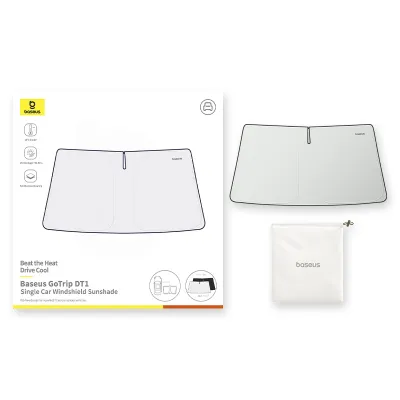
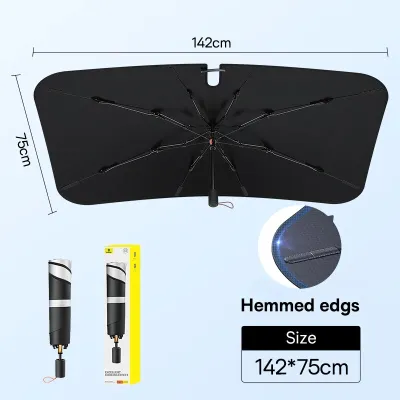
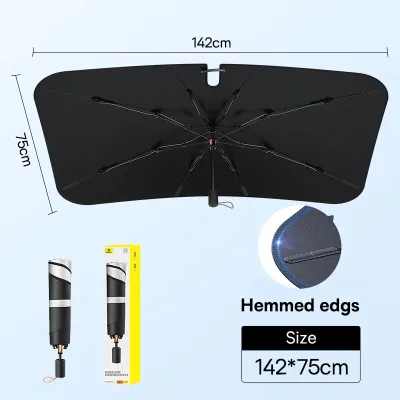
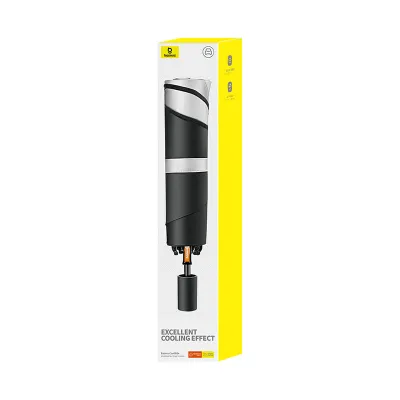
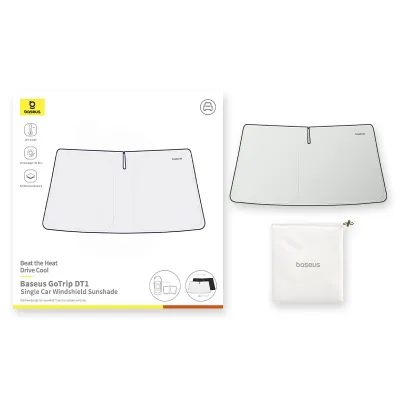
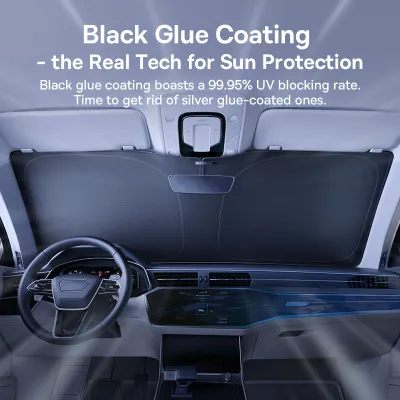
Prices are valid at publication and may change. Please refer to the product page for the latest price.
Heat Rejection: How Front and Side Shades Impact Cabin Temperature
To understand how a baseus car shade protects your vehicle, it helps to look at the greenhouse effect that occurs inside a parked car. When shortwave solar radiation passes through your car’s glass windows, it strikes dark interior surfaces like the dashboard, steering wheel, and seats. These materials absorb the energy and re-radiate it as longwave infrared radiation, or heat. Because glass is highly efficient at trapping longwave radiation, this heat becomes locked inside the cabin, rapidly raising the interior air temperature far above the outside ambient level.
The front windshield is the single largest contributor to this thermal buildup. Its expansive surface area and aerodynamic slope are designed to maximize forward visibility, but this also positions the glass to receive direct overhead and angled sunlight throughout the day. By placing a reflective front shade directly behind the windshield, you intercept these solar rays before they can strike your dashboard. This simple physical barrier prevents the initial absorption of energy, drastically reducing the thermal load transferred into the cabin.
In comparison, side windows are smaller and oriented vertically. While they still admit solar energy, they do not receive the same sustained, direct overhead exposure as the windshield. However, lateral heat transfer is still significant, especially during the early morning or late afternoon when the sun is low in the sky. While a front shade prevents your steering wheel and front seats from becoming too hot to touch, side shades help prevent localized hot spots along the door panels and side bolsters of your seats.
It is important to manage expectations regarding what physical car shades can achieve. They function as heat-delay and surface-protection devices rather than active cooling systems. If you park your car in an open-air lot under the blazing afternoon sun for several hours, ambient heat will eventually transfer through the metal roof and unshaded body panels, raising the air temperature inside. However, the use of a front shade ensures that your dashboard and steering wheel remain tens of degrees cooler than they would otherwise. This lower surface temperature means that once you start the engine and turn on the air conditioning, the cabin will cool down to a comfortable level in a fraction of the time.
For vehicles equipped with aftermarket window tinting, a physical sunshade offers an invaluable secondary layer of protection. High-performance solar films reject heat by absorbing or reflecting infrared rays at the glass level, but they are constantly subjected to thermal stress. Placing a reflective shade behind the glass reduces the thermal load on your window tint, preserving the adhesive and extending the lifespan of the film.
UV Protection, Glare, and Privacy: The Role of Side Window Shades
While front windshield shades excel at thermal management, side window shades address several comfort and safety issues that a front shade cannot resolve. Side windows expose passengers directly to lateral sunlight, which can make even short journeys highly uncomfortable. This is particularly true for infants and children seated in the rear, who cannot easily adjust their position to escape the glare.

The ultraviolet (UV) radiation that penetrates side windows is not just a source of heat; it is also a primary cause of skin damage and interior degradation. Prolonged exposure to UV rays causes the leather, vinyl, and plastics on your door panels and upholstery to fade, dry out, and eventually crack. Side window shades act as a continuous shield, filtering out harmful UV rays and preserving both the health of your passengers and the resale value of your vehicle’s interior.
In addition to UV protection, side shades are highly effective at reducing lateral glare. Harsh, direct light makes it difficult for rear passengers to read, sleep, or view screens on mobile devices and rear entertainment systems. By diffusing the incoming light, side shades create a much softer, more relaxed environment in the back seat, which is essential for family road trips or daily school runs.
Privacy is another significant advantage offered by side window shades. When parking in public areas or busy urban streets, a set of dark mesh or magnetic side shades makes it difficult for passersby to peer into your vehicle. This helps conceal any belongings left on the seats or floorboards, reducing the risk of opportunistic theft.
However, when using side window shades, you must remain mindful of local traffic regulations and safety boundaries. In Singapore, the Land Transport Authority (LTA) enforces strict guidelines regarding window visibility to ensure safe driving conditions. Front side windows must maintain a minimum light transmission level of 70%, while rear side windows must allow at least 25%. While temporary mesh shades are excellent for rear passengers, installing opaque or highly restrictive shades on the front side windows while driving is extremely dangerous and illegal, as it obstructs your view of the side mirrors and blind spots. Always ensure that any side shade used during transit does not compromise your situational awareness or violate local road safety laws.
Setup and Storage: Comparing Daily Convenience and Fit of a Baseus Car Shade
The practical usability of a baseus car shade depends heavily on its physical design, deployment mechanism, and how easily it can be stored when not in use. If a sunshade is difficult to set up or takes up too much space, you are far less likely to use it consistently, neutralizing its protective benefits.
Front windshield shades generally fall into a few distinct design categories. The traditional accordion-style or wire-ring foldable shades are common, but they can be cumbersome to fold and unfold inside a cramped cabin. Baseus has addressed this pain point with innovative designs, such as their umbrella-style front shades. These shades open exactly like a standard personal umbrella, using a central shaft and tensioned ribs to hold the reflective fabric flush against the windshield. Once folded, they collapse into a compact form factor that fits easily into a door pocket or glove compartment. Another option is the retractable roller-style shade, which mounts semi-permanently to the side of the windshield and can be pulled across in a single motion, though it remains visible on your A-pillar at all times.
Side window shades utilize different mounting methods tailored for quick installation and removal. Magnetic side shades are highly popular because they snap directly onto the exposed metal frame of your car doors. This allows you to open and close the windows freely without removing the shade itself. Other side shades rely on suction cups or static-cling mesh that adheres directly to the glass surface. While suction cups are highly secure, they can leave circular marks on the glass and must be removed before rolling the window down to prevent damage to the window regulator mechanism.
The daily time investment required to deploy these accessories should align with your routine. An umbrella-style front shade takes only seconds to open and secure behind your sun visors, making it highly practical for quick stops. Magnetic side shades can often be left installed on the rear doors permanently, providing continuous protection for rear passengers without requiring any daily setup.
Regardless of the style you choose, verifying the exact dimensions of your vehicle’s windows before purchase is absolutely critical. A sunshade that is too small will leave significant gaps, allowing concentrated beams of sunlight to penetrate the cabin and heat up specific interior surfaces. Conversely, a shade that is too large will be difficult to position, potentially placing excessive pressure on your rearview mirror housing, dashcam mounts, or delicate dashboard sensors. Carefully measure your windshield and side window frames, and cross-reference them with the manufacturer’s sizing charts to ensure a precise, secure fit that protects your interior without causing accidental damage.
Parking Habits: Matching the Shade to Your Daily Routine
Your daily routine and parking environment are the most decisive factors when choosing between a front windshield shade and side window shades. Different parking scenarios subject your vehicle to varying levels of solar exposure, requiring a tailored approach to thermal protection.
If you primarily park in open-air carparks, such as those found in older residential estates or industrial commercial zones in Singapore, your vehicle is exposed to intense, direct sunlight for hours at a time. In this scenario, a front windshield shade is an absolute necessity. Because the sun passes directly overhead, the large surface area of your windshield acts as a massive heat conductor. Without a front shade, your dashboard, steering wheel, and front seats will absorb an immense amount of thermal energy, making the vehicle painful to operate upon your return.
For those who park in multi-storey carparks (MSCP), the vehicle is generally shielded from direct overhead sunlight. However, these structures are often open-sided, meaning that cars parked near the perimeter are highly vulnerable to low-angled morning or afternoon sun. In these cases, the sun strikes the vehicle from the sides rather than the front. If your assigned parking lot or daily spot faces the rising or setting sun, a set of side window shades will prevent the lateral sun from baking your door panels, armrests, and leather seats.
Street parking introduces another variable: changing orientation. Unlike a dedicated lot, street parking means your car’s position relative to the sun’s path will vary. If you park parallel to the sun’s trajectory, one side of your vehicle will bear the brunt of the heat for half the day, making side shades highly beneficial. If you park facing east or west, your front windshield or rear window will receive the most direct exposure.
To determine your primary pain point, observe which areas of your vehicle’s cabin are the hottest when you get in. If your hands are regularly scorched by the steering wheel or gear shifter, your priority should be a front windshield shade. If your children complain about the heat or glare in the back seat during your afternoon drive, or if you notice the leather on your door armrests starting to feel dry and stiff, side window shades are the logical solution.
It is also worth considering how your physical shades interact with your existing window films. High-quality aftermarket window tints do an excellent job of rejecting solar heat, but they are not infallible. Under prolonged exposure, the glass itself heats up, and that thermal energy eventually radiates into the cabin. Combining a premium window film with a physical baseus car shade creates an insulated air barrier between the glass and the shade. This secondary barrier drastically slows down the rate of heat transfer, keeping your cabin noticeably cooler even during the hottest hours of the day.
Final Decision Framework: When to Choose Front, Side, or Both
Making the final decision comes down to matching your specific daily driving habits, passenger requirements, and parking conditions to the unique strengths of each shade type. Rather than viewing them as competing products, it is often best to think of them as complementary components of a comprehensive cabin protection strategy.
Choose a Front Windshield Shade if:
- Your main priority is maximum overall heat reduction and lowering the cabin's peak temperature.
- You want to protect your dashboard, steering wheel, and front seats from cracking, fading, and becoming too hot to touch.
- You frequently park in fully exposed open-air carparks during the hottest hours of the day.
- You want a single, highly effective accessory that can be quickly deployed and stored in seconds.
Choose Side Window Shades if:
- You regularly transport passengers, children in car seats, or pets in the rear of the vehicle.
- Your primary concern is blocking lateral glare, improving passenger comfort, and protecting sensitive skin from UV rays while driving.
- You frequently park in multi-storey carparks where low-angle morning or afternoon sun strikes the sides of your car.
- You require enhanced privacy to keep your rear cabin and personal belongings shielded from public view.
Choose Both if:
- You park in fully exposed outdoor lots for extended periods and want the absolute highest level of thermal insulation and UV protection.
- You want to completely shield your vehicle's entire interior assets from both heat degradation and prying eyes.
- You want to maximize the efficiency of your car's air conditioning system by minimizing the thermal load on all glass surfaces.
Verify Before Purchasing: Before finalizing your order for any baseus car shade, take a few minutes to perform these essential verification checks:
- Measure your windshield's height and width, taking into account any obstructions like dashcams or large rearview mirror housings.
- Measure your side window frames to ensure magnetic or suction-cup shades will fit securely without gaps or overlapping.
- Check the condition and specifications of your existing window tint to ensure physical shades will complement, rather than damage, the film.
- Ensure that any installed shades do not block critical safety sensors, cameras, or your clear line of sight to your side mirrors while driving.
Frequently Asked Questions (FAQ)
Can I use a front windshield shade while driving?
No, you must never use a front windshield shade while the vehicle is in motion. Front windshield shades are designed strictly for stationary, parked vehicles to block solar heat and UV rays. Operating a vehicle with a front shade installed completely blocks your forward vision, posing an extreme safety hazard and violating traffic safety laws in Singapore. Always ensure the shade is fully collapsed, removed, and safely stored in your door pocket or glove box before starting your engine and moving the vehicle.
Will umbrella-style front shades scratch my dashboard or windshield?
Umbrella-style front shades are generally safe, but they can cause scratches or pressure marks if they are improperly sized or handled roughly. High-quality Baseus umbrella shades are designed with protective features, such as soft rubber, silicone, or fabric caps over the metal rib tips, and a flexible, bendable handle that prevents direct, abrasive contact with your dashboard or center console screen. To prevent damage, always verify that you are purchasing the correct size for your vehicle’s windshield. When installing or removing the shade, handle it gently and avoid forcing the frame against your interior trim, glass, or rearview mirror.
Community discussion
Share your experience or ask a question. Comments are reviewed before publication.