
Selecting the right car seat accessory in a tropical climate like Singapore’s requires balancing immediate cooling with long-term durability and safety. A bamboo seat mat is often the most direct solution for drivers seeking immediate relief from heat and humidity, as its physical structure allows air to circulate constantly beneath the driver. However, the ideal choice depends on whether you prioritize this natural ventilation, the premium spill-resistant finish of leather, the soft cushioning of fabric, or the lightweight flexibility of breathable mesh. Each material presents distinct trade-offs in terms of maintenance, safety compatibility, and overall value.
Material Profiles and Ideal Driving Environments
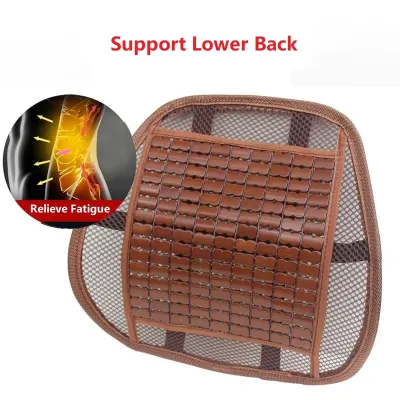
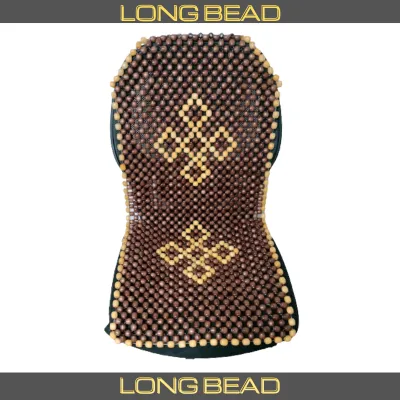
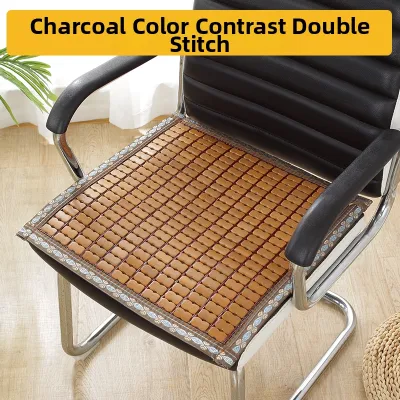
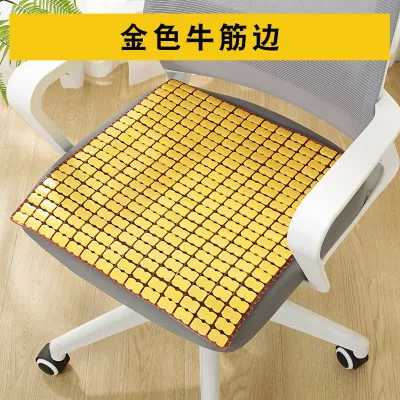
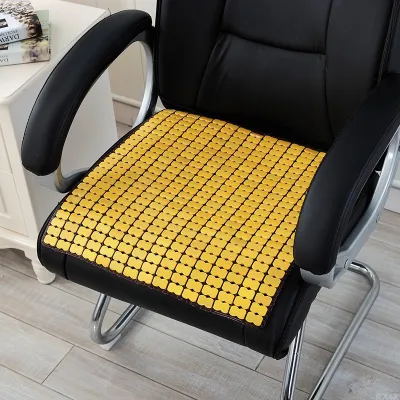
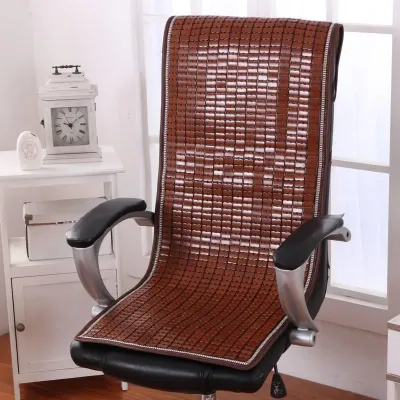
Bamboo seat mats are composed of interlinked wooden beads or flat bamboo slats. These mats are designed to create a physical gap between your body and the seat upholstery, promoting passive airflow and preventing sweat buildup during long drives. The natural wood grain or polished finish offers a traditional, minimalist aesthetic that appeals to drivers seeking a clean, organic look inside the cabin.
Leather and high-quality synthetic vinyl covers provide a premium, upscale appearance that seamlessly integrates with modern car interiors. These materials are highly valued for their inherent spill resistance, making them easy to wipe clean after accidental spills. However, they act as heat sinks when parked under direct sunlight, often becoming uncomfortably hot to the touch before the air conditioning cools the cabin.
Products mentioned in this guide
Prices are valid at publication and may change. Please refer to the product page for the latest price.
Fabric seat covers offer a soft, cushioned texture that provides immediate comfort without the temperature extremes of leather. They are available in a wide variety of patterns, weaves, and colors, allowing for extensive interior customization. While highly suitable for standard daily commuting, fabric tends to absorb moisture and odors, which can be a challenge in humid environments.
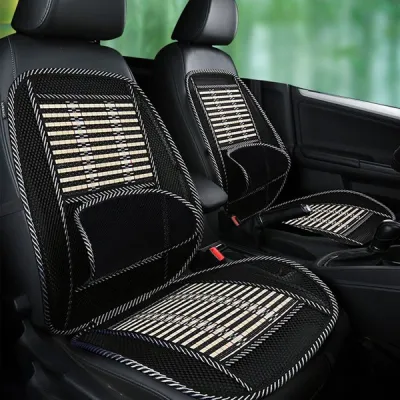
Mesh covers utilize a lightweight, open-weave synthetic design specifically engineered to maximize ventilation. Often used as a seasonal or supplementary layer, mesh allows air from the vehicle’s climate control system to pass through easily. This material is highly flexible and easy to install, making it a practical choice for drivers who want a quick, functional cooling upgrade.
Comparing Comfort, Durability, and Daily Maintenance
In hot and humid climates, temperature regulation is a primary concern for daily drivers. Leather covers tend to retain heat and block natural perspiration, often leading to a sticky, uncomfortable seating surface during afternoon drives. Fabric covers absorb moisture but can feel damp and warm over time. Breathable mesh offers excellent passive cooling, but bamboo seat mats excel by maintaining a rigid, non-compressible air gap that ensures continuous ventilation even under the driver’s full weight.

The durability of each material depends heavily on daily friction and exposure to sunlight. Bamboo mats are highly resistant to compression, but the nylon threads or monofilament lines holding the beads together can degrade and fray over years of use. Leather is highly durable but prone to cracking and fading if left unprotected under intense UV rays. Fabric covers may experience pilling, fading, or tearing at high-friction contact points, while lightweight mesh is susceptible to snagging on sharp objects like keys or clothing fasteners. Drivers should check material thickness and manufacturer specifications to gauge long-term wear resistance.
Maintenance requirements vary significantly across these four options. Bamboo mats and leather surfaces are exceptionally easy to maintain, requiring only a quick wipe with a damp cloth to remove dust and surface dirt. Fabric covers, conversely, absorb liquids quickly, often requiring specialized upholstery cleaners or complete removal for machine washing to prevent deep-set stains and odors. Mesh covers do not stain easily, but their open-weave design tends to trap dust, crumbs, and small debris within the pores, requiring regular vacuuming or shaking out to keep clean.
To preserve the integrity of your chosen seat accessory, always follow the specific care labels provided by the manufacturer. Harsh chemical cleaners or abrasive brushes can strip the protective varnish from bamboo beads, causing them to splinter. Similarly, strong detergents can dry out leather, leading to premature cracking, or degrade the synthetic fibers in mesh and fabric covers. Stick to mild, pH-neutral soapy water or dedicated material conditioners to ensure longevity.
Safety, Fit, and Vehicle Compatibility Checks
Safety must always be the primary consideration when installing aftermarket seat accessories. Many modern vehicles feature side airbags integrated directly into the outer bolsters of the front seats. If you choose full-coverage fabric or leather seat covers, it is critical to verify they feature certified airbag-compatible tags, specialized weak stitching, or precise cutouts that allow the airbag to deploy without obstruction. Because bamboo seat mats typically rest only on the center cushion and backrest, they generally do not interfere with side airbags, but their securing straps must still be routed carefully.
If your vehicle is equipped with built-in seat heating or active ventilation systems, adding a thick barrier can severely limit their effectiveness. Thick leather or heavily padded fabric covers can block the airflow from ventilated seats entirely. Bamboo mats, with their open bead structure, may allow some air to pass through, but they can still alter the temperature distribution. Always check your vehicle’s owner manual for specific warnings regarding aftermarket covers on climate-controlled seats.
A poorly secured seat cover or mat poses a safety hazard if it slides during sudden braking or cornering. When selecting an accessory, look for options featuring robust anti-slip backing, durable anchoring chucks, and secure straps. Ensure that no part of the installation hardware interferes with the seat adjustment tracks, power seat motors, or the proper latching of seatbelt buckles.
If you encounter difficulties during installation, or if the accessory appears to obstruct safety sensors—such as the passenger weight sensor that controls airbag activation—stop immediately. Do not attempt to modify the vehicle’s original seat structure or force a non-compatible cover into place. Consult a qualified professional or the vehicle manufacturer to find an approved accessory that guarantees occupant safety.
Cost, Value, and Long-Term Investment
When planning your budget, the four materials generally fall into distinct price tiers. Breathable mesh and basic fabric covers are typically the most budget-friendly options, offering an affordable way to protect or refresh your interior. Bamboo seat mats occupy a mid-range position, reflecting the craftsmanship required to thread the natural beads. Premium leather and high-end synthetic covers represent the highest initial investment, but they offer a tailored look that closely mimics original factory upholstery.
The long-term value of your investment is closely tied to how well the material withstands environmental factors. In sunny climates, UV degradation is a major contributor to material failure, causing fabric to fade and synthetic mesh to become brittle. Bamboo mats can last for several years if the connecting strings remain intact, while well-maintained leather can outlast the vehicle itself if conditioned regularly.
To determine the best value, balance the upfront cost against the level of protection the accessory provides to your original seats. If your primary goal is preserving the resale value of a vehicle with pristine factory seats, a full-coverage fabric or leather cover offers comprehensive protection against spills and physical wear. If you simply need immediate, cost-effective relief from hot seats, a bamboo mat or mesh cover provides excellent functional value without a major financial commitment.
Before making a final purchase, always check current retailer listings and read verified user reviews for the specific brand and model you are considering. Real-world feedback from other drivers can provide invaluable insights into how well a cover fits your specific car model and how the material holds up after months of daily exposure to heat and friction.
Decision Framework: Which Material Should You Choose?
- Choose a bamboo seat mat if: You prioritize natural, uncompressed airflow to stay cool, prefer a firm and supportive seating feel, and want a low-maintenance surface that can be wiped clean in seconds.
- Choose leather if: You want to maintain or upgrade to a premium, luxury aesthetic, require excellent resistance to liquid spills, and are committed to regular cleaning and conditioning to prevent the material from drying out.
- Choose fabric if: You prefer a soft, cushioned texture, want a wide variety of colors and patterns to customize your cabin, and are looking for a cost-effective, full-coverage solution for general daily driving.
- Choose mesh if: Your absolute priority is lightweight, highly breathable ventilation for hot weather, and you want an easily removable, washable layer that can be stored away when not needed.
- Verify first if: Your vehicle features integrated side airbags, occupant detection sensors, or active seat climate controls, as these safety and comfort systems require specialized, manufacturer-approved accessories to function correctly.
Frequently Asked Questions (FAQ)
Can I use a bamboo seat mat on seats with side airbags?
Yes, bamboo seat mats are generally safe to use because they typically cover only the center cushion and backrest, leaving the side bolsters unobstructed. However, you must ensure that the securing straps or elastic bands do not wrap around or block the side airbag deployment zones. Always refer to your vehicle’s owner’s manual to confirm the locations of all seat-integrated airbags before installing any aftermarket accessory.
Do bamboo seat mats damage the original leather seats underneath?
Over time, constant friction from hard bamboo beads or rough backing material can potentially cause micro-scratches, scuffs, or indentation marks on soft leather upholstery. To prevent this, look for bamboo mats that feature a soft, non-abrasive fabric backing or use a thin, protective underlay designed to distribute pressure evenly. Regularly removing the mat to inspect and clean the leather underneath will also help prevent dust particles from acting as an abrasive.
Are mesh seat covers suitable for year-round use?
Mesh seat covers are highly suitable for continuous use in consistently warm climates, but they may offer less comfort in cooler, heavily air-conditioned environments where insulation is preferred. Additionally, the open-weave design of mesh tends to collect dust, crumbs, and hair over time, which can settle onto the original seat fabric underneath. For the best results, treat mesh covers as easily removable accessories that should be taken off and vacuumed regularly to maintain a clean cabin environment.

Community discussion
Share your experience or ask a question. Comments are reviewed before publication.