
Choosing between AutoGlym car polish, wax, and ceramic coating depends entirely on whether you need to repair paint defects, add a temporary warm shine, or establish long-term environmental protection. Polish is a corrective treatment that removes imperfections but leaves the paint bare. Wax and ceramic coatings are protective layers applied afterward to seal the surface. For car owners in Singapore, where high humidity, intense UV exposure, and frequent tropical downpours constantly challenge exterior paintwork, understanding how these three solutions interact is essential for maintaining a vehicle’s value and appearance.
Many car owners mistakenly believe that polishing a car provides protection, or that applying wax will fix deep scratches. In reality, these products perform completely different functions in a proper car care routine. Using them in the wrong order or omitting crucial preparation steps can result in wasted effort, poor bonding, and a dull finish.
To achieve a professional-grade finish, you must treat paint care as a multi-step process. This guide breaks down the distinct roles of AutoGlym polishes, traditional waxes, and modern ceramic coatings, helping you choose the most effective combination for your vehicle’s condition, your budget, and your lifestyle.
Products mentioned in this guide
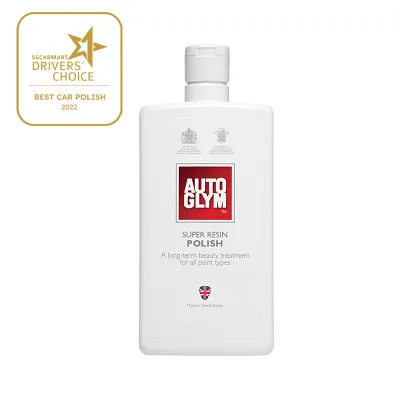
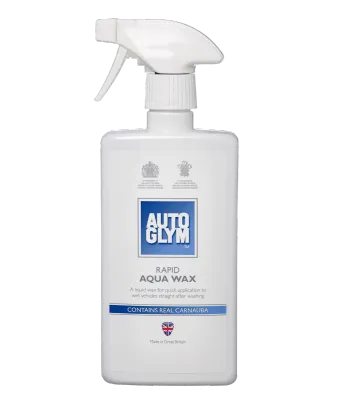
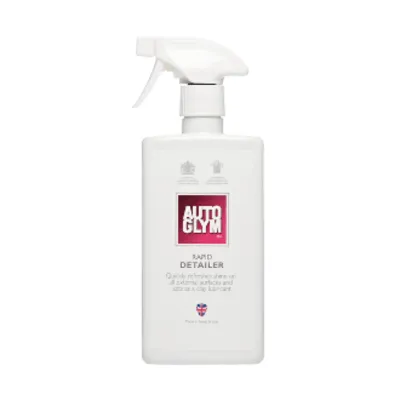
Prices are valid at publication and may change. Please refer to the product page for the latest price.
Understanding the Core Differences: Polish vs Wax vs Ceramic Coating
To establish a successful paint care routine, you must first understand the fundamental differences between polishing, waxing, and ceramic coating. Each process targets a specific layer of your vehicle’s exterior and serves a distinct purpose in preserving or restoring the paintwork.
Car polish is not a protective sealant. Instead, it is a corrective agent formulated with microscopic abrasives or chemical cleaners. Its primary function is to level the clear coat of your vehicle’s paint, removing a microscopic layer of damaged clear coat to eliminate fine scratches, swirl marks, haze, and oxidation. Polishing restores the flat, smooth surface of the paint, allowing light to reflect evenly and creating a high-gloss appearance. However, because polish leaves the paint completely bare, it offers no defense against environmental contaminants.
Car wax is a traditional, sacrificial protective layer that sits on top of the paintwork. Formulated from natural ingredients like carnauba palm wax or synthetic polymers, wax fills in microscopic imperfections on the paint surface to create a smooth, hydrophobic barrier. It protects the paint from light contaminants, water spots, and UV rays while delivering a deep, warm, and wet-look gloss. Because wax does not chemically bond to the paint, it gradually wears away over several weeks or months, requiring regular reapplication.
Ceramic coating represents a more advanced, semi-permanent technology for paint protection. Typically composed of silicon dioxide (SiO2) or titanium dioxide, ceramic coatings are liquid polymers that chemically bond with the vehicle’s clear coat on a molecular level. Once cured, this coating forms an extremely hard, glass-like barrier that is highly hydrophobic, chemical-resistant, and durable. It provides long-term protection against environmental hazards, such as bird droppings, acid rain, and intense UV exposure, lasting for several years when maintained correctly.
AutoGlym Polish: Paint Correction and Preparation
AutoGlym has long been a staple in the car detailing community, offering a range of polishing products designed to address different levels of paint degradation. Understanding where these polishes fit into your detailing workflow is crucial for achieving a flawless finish before applying any protective topcoat.

The primary role of an AutoGlym polish is paint correction and surface preparation. Over time, daily driving exposes your car’s paint to road grit, improper washing techniques, and environmental fallout, resulting in a network of fine scratches and swirl marks. These imperfections scatter light, making the paint look dull and faded. By using a polish, you gently abrade the clear coat to level these imperfections, restoring the paint’s original clarity and depth of color.
It is important to recognize that polishing completely strips away any pre-existing wax, sealant, or weak protective layers. Because the polished clear coat is left entirely exposed to the elements, applying a subsequent wax or ceramic coating is mandatory to seal the surface. Leaving polished paint unprotected will lead to rapid oxidation, fading, and vulnerability to environmental etching.
When selecting an AutoGlym polish, you must carefully check the product labels to understand their specific abrasive levels, filler content, and clear-coat compatibility. For example, some products are formulated with light abrasives and specialized fillers that help mask fine swirls while polishing, making them highly effective for hand application on daily drivers. Other products are designed as pure polishes with higher abrasive levels for machine use, aimed at permanent defect removal without fillers. Matching the polish to your paint’s hardness and the severity of the defects is essential for safe and effective results.
Car Wax vs Ceramic Coating: Comparing Protection and Durability
Once your paint has been polished and prepared, the next step is deciding how to protect that smooth, reflective surface. Comparing traditional car wax with modern ceramic coatings reveals significant differences in durability, protection levels, and visual characteristics.
The most obvious contrast between these two protection methods is their lifespan. A high-quality car wax typically provides protection for one to three months, depending on weather conditions, parking environments, and how frequently the vehicle is washed. Ceramic coatings, on the other hand, offer a semi-permanent bond that can last from one to several years. Because durability claims can vary widely based on formulation and application quality, you should always verify the specific product technical data sheets for exact performance expectations.
In terms of environmental resistance, ceramic coatings offer a substantial advantage over traditional waxes. The molecular bond of a ceramic coating creates a highly hydrophobic surface that repels water, dirt, and road grime with exceptional efficiency. This hydrophobic effect causes water to bead tightly and slide off the vehicle, taking loose contaminants with it. Furthermore, ceramic coatings provide superior resistance to UV radiation, chemical staining from acidic bird droppings, and the harsh alkaline detergents often found in commercial car washes, whereas wax can be easily stripped by strong soaps.
The visual finish produced by these two methods also appeals to different aesthetic preferences. Car wax is highly favored by enthusiasts for its ability to produce a warm, deep, and organic gloss that enhances the richness of the paint, particularly on dark or metallic colors. Ceramic coatings deliver a different kind of visual appeal, characterized by an extremely sharp, glassy, and highly reflective clarity. This glass-like finish emphasizes the clean lines of the vehicle and makes the paint look as though it is encased in a hard, protective shell.
Effort, Application, and Maintenance Requirements
The choice between polish, wax, and ceramic coating is often decided by the amount of time, physical effort, and ongoing maintenance you are willing to invest. Each method carries its own set of application demands and long-term care requirements.
Applying a polish requires a systematic approach to ensure even correction across the entire vehicle. You can apply polish by hand using a microfiber applicator pad for light correction, or utilize a dual-action polishing machine for faster, more consistent results. Machine polishing requires careful handling, consistent pressure, and proper pad selection to avoid creating holograms or burning through thin clear coat on edges. Once the polishing step is complete, you must perform a thorough wipe-down using an isopropyl alcohol (IPA) solution or a dedicated panel prep spray to remove all polishing oils and residues, leaving a perfectly clean surface.
Applying car wax is a straightforward and highly forgiving process. You simply apply a thin, even layer of wax to a clean panel, allow it to dry to a light haze, and then buff it off with a clean microfiber towel. There is very little risk of damaging the paint, and any application mistakes are easily corrected by re-wiping or applying a bit more product. In contrast, applying a ceramic coating demands strict environmental controls, precise timing, and meticulous preparation. Ceramic coatings must be applied in a dust-free, shaded environment with controlled temperature and humidity, and any high spots must be leveled quickly before the coating cures, or they will require machine polishing to remove.
Ongoing maintenance routines also differ depending on the protective layer you choose. Waxed vehicles require gentle, pH-neutral car shampoos to prevent stripping the sacrificial wax layer during routine washes. Ceramic-coated vehicles are much easier to wash because dirt does not adhere easily to the hydrophobic surface, but they still require specific maintenance. To preserve the performance of a ceramic coating, you should use specialized ceramic-safe shampoos or periodic ceramic booster sprays that help replenish the hydrophobic SiO2 layer and prevent mineral deposits from bonding to the coating.
How to Choose the Right Method for Your Needs
Selecting the ideal paint care routine requires balancing your budget, the time you want to spend on maintenance, and the current condition of your vehicle’s paintwork.
You should choose a Polish + Wax routine if you enjoy a hands-on, budget-friendly weekend hobby and prefer a deep, warm gloss. This combination is highly accessible, requires minimal specialized equipment, and allows you to regularly care for your car without the pressure of a permanent application process. It is an excellent choice for car owners who do not mind detailing their vehicles every few months to maintain that freshly waxed look.
You should choose a Polish + Ceramic Coating routine if you prioritize maximum, long-term protection and want to make routine washing as quick and effortless as possible. While the initial investment of time, preparation, and cost is significantly higher, the multi-year durability and superior resistance to environmental contaminants make it highly practical for daily drivers exposed to harsh weather. This route is ideal if you are willing to carefully follow strict DIY application steps or pay for professional installation.
However, neither of these standard routines may fit your vehicle if the paintwork suffers from deep scratches, heavy etching, or severe clear-coat failure. If the clear coat has begun to peel or crack, polishing will not restore it, and applying a wax or ceramic coating will not prevent further peeling. In these situations, the vehicle will require professional paint correction, heavy compounding, or even a partial respray before any protective measures can be successfully applied.
Before making your final decision, always verify if your chosen ceramic coating requires a specific panel prep or alcohol wipe-down. Ensuring that the polished paint is completely free of oils, silicones, and fillers is the single most critical factor in allowing a ceramic coating to bond correctly and achieve its rated durability.
Frequently Asked Questions (FAQ)
Can I apply a ceramic coating directly over AutoGlym polish?
No, you should not apply a ceramic coating directly over a polished surface without a dedicated panel wipe step. Many AutoGlym polishes contain specialized fillers, gloss enhancers, and light waxes designed to mask minor paint defects and leave a smooth finish. These residual oils and fillers create a barrier on the paint surface. If you apply a ceramic coating directly over them, the coating cannot chemically bond with the clear coat, leading to premature failure of the protective layer. You must use an isopropyl alcohol (IPA) solution or a dedicated panel prep spray to strip away these residues before applying a ceramic coating.
Does AutoGlym make their own ceramic coatings?
Yes, AutoGlym has expanded its product ecosystem to include ceramic-based protection products, such as ceramic spray sealants and professional-grade ceramic coatings. When using these products, it is highly recommended to check the current AutoGlym product lineup and technical instructions to verify compatibility with their polishes. Using products from the same brand ecosystem often ensures they are formulated to work together, provided you follow the correct preparation steps, such as stripping polishing oils before applying the ceramic layer.
How often should I polish my car compared to waxing?
Polishing and waxing serve entirely different purposes and should be performed on very different schedules. Polishing is a corrective process that uses abrasives to remove a microscopic layer of your car’s clear coat. Because clear coat is thin and finite, you should only polish your car when visible defects like swirls, light scratches, or heavy oxidation are present—typically no more than once or twice a year. Waxing, on the other hand, is a non-abrasive protective maintenance task. You should apply a fresh layer of wax every two to three months, or whenever you notice that water is no longer beading on the paint surface, to maintain continuous protection.

Community discussion
Share your experience or ask a question. Comments are reviewed before publication.