
Choosing the right transmission fluid is one of the most critical decisions you can make for your vehicle’s longevity. When searching for the correct atf fluid, you are immediately confronted with a confusing array of acronyms and numbers: Dexron VI, Mercon LV, and ATF+4, among others. These are not merely marketing labels or brand names; they represent highly precise engineering specifications. Understanding what these codes mean is the key to protecting your transmission from premature wear and catastrophic failure.
An automatic transmission fluid (ATF) specification code defines a strict set of performance characteristics, viscosity profiles, and friction requirements. Automakers establish these standards to match the exact physical and mechanical demands of their specific transmission designs. While two bottles of fluid on a retail shelf might look identical, their chemical compositions are tailored to entirely different internal components, operating temperatures, and hydraulic pressures.
Because of this precise engineering, the specification code itself dictates actual mechanical compatibility, whereas the brand name on the bottle is secondary. As long as a fluid is officially certified to meet the exact specification required by your vehicle manufacturer, the brand of the fluid is a matter of personal preference. However, substituting one specification for another can lead to immediate operational issues because the fluid serves as a hydraulic medium, a gear lubricant, a clutch friction modifier, and a heat-dissipating coolant all at once.
Products mentioned in this guide
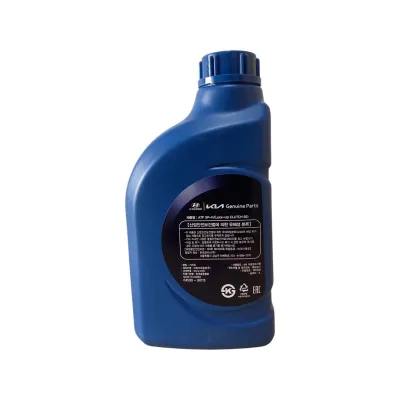
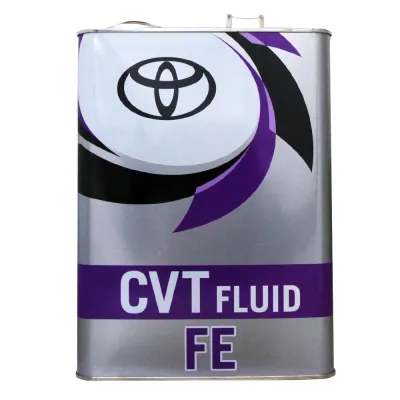
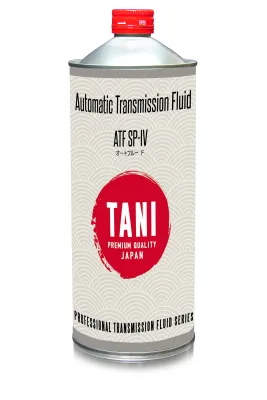
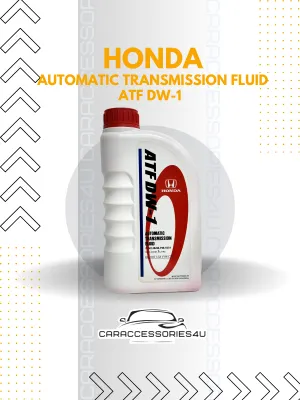
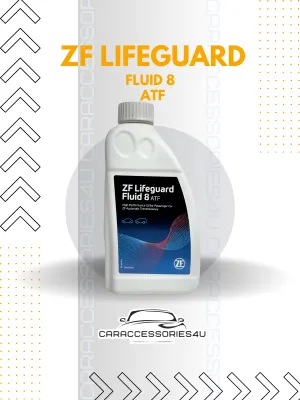
Prices are valid at publication and may change. Please refer to the product page for the latest price.
Decoding Common ATF Standards: Dexron, Mercon, and ATF+4
Every automotive manufacturer partners with transmission designers to develop fluid formulations that optimize shifting performance and component durability. These specifications use distinct chemical formulations and specialized friction modifier packages, meaning they are not universally interchangeable. Using the wrong standard can alter how clutches engage, leading to physical damage over time.
Dexron (General Motors)
The Dexron specification lineage was created by General Motors and has served as a benchmark for decades. Over the years, this standard has evolved through multiple iterations, transitioning from older formulations like Dexron III to the modern Dexron VI. Each step in this evolution has typically introduced lower viscosity, improved shear stability, and better oxidation resistance to accommodate modern, multi-speed transmissions.
While newer formulations like Dexron VI are generally designed to be backward compatible with older GM transmissions that originally specified Dexron III, universal interchangeability must never be assumed. Some older or specialized transmissions, as well as non-GM gearboxes that licensed older Dexron specs, may have specific seal or clutch materials that require the exact original formulation. Always verify the specific backward compatibility guidelines for your exact transmission model in your vehicle’s documentation before making a switch.
Mercon (Ford)
Ford Motor Company utilizes its own proprietary standard, known as Mercon. Like GM’s standard, Mercon has transitioned through several distinct phases, including Mercon V, Mercon SP, and the widely used Mercon LV (Low Viscosity). These fluids are engineered with specific friction characteristics and viscosity parameters tailored to the unique shift logic and clutch materials used in Ford transmissions.
It is vital to recognize that Mercon and Dexron standards are distinct formulations. For example, Mercon LV is a low-viscosity fluid designed for modern fuel-efficient transmissions, whereas Mercon V has a higher viscosity and different friction modifiers. They are not interchangeable with each other, nor are they universally compatible with Dexron fluids. Even if a multi-vehicle atf fluid claims to satisfy both standards, you must verify that the fluid has been explicitly tested and approved for your specific transmission model.
ATF+4 (Chrysler/Stellantis)
The ATF+4 standard is a highly specific, shear-stable synthetic formulation designed explicitly for Chrysler, Dodge, Jeep, and Ram transmissions. Unlike some other specifications that have undergone numerous naming changes, ATF+4 has remained the primary requirement for a vast range of Stellantis vehicles for over two decades. This standard is tightly controlled, requiring specific group-three synthetic base oils and a unique additive package.
The friction and wear characteristics of ATF+4 are highly specialized to prevent a phenomenon known as transmission shudder, which can occur during torque converter clutch engagement. Because of this unique chemistry, ATF+4 is generally incompatible with Dexron or Mercon systems, and vice versa. Using a generic fluid or an incorrect specification in a transmission designed for ATF+4 can result in immediate shift quality degradation and accelerated wear on the clutch plates.
Asian and European Automaker Specs
Beyond the major North American standards, Asian and European manufacturers utilize their own highly proprietary specifications. For instance, Toyota transmissions often require Toyota Genuine ATF WS (World Standard) or Type T-IV, while Honda vehicles typically specify DW-1 or Z-1. European brands, including BMW, Mercedes-Benz, and the Volkswagen Group, frequently rely on highly specialized ZF specifications or their own in-house fluid codes.
These international standards are non-negotiable requirements rather than optional recommendations. Modern transmissions from these manufacturers feature highly complex valve bodies and electronic controls that depend on exact fluid viscosity and friction coefficients to function. When servicing these vehicles, always treat the specific manufacturer code as the absolute authority, and avoid substituting generic alternatives unless they explicitly list the exact specification required for your vehicle’s model year.
How to Verify the Exact ATF Specification for Your Vehicle
Performing transmission maintenance or topping off your fluid requires absolute certainty regarding compatibility. Because transmissions are highly sensitive to chemical variations, you must establish a reliable verification routine before purchasing any product.

First, check the applied product’s label and the treated item’s manufacturer instructions. If instructions conflict, the transmission model is unidentified, or the specific use is not covered, stop immediately and consult the vehicle manufacturer or a qualified automotive professional before proceeding.
Step 1: Consult Your Owner’s Manual The primary and most authoritative source of information is always your vehicle’s owner’s manual. Locate the “Capacities and Specifications” or “Maintenance” section to find the exact specification code required for your transmission. The manufacturer’s designated code overrides any online forum advice, retail store lookup tools, or generic brand recommendations. If you do not have the physical manual, official manufacturer portals or authorized dealerships can provide the correct specification based on your Vehicle Identification Number (VIN).
Step 2: Inspect the Transmission Dipstick or Filler Cap In many vehicles, the required fluid specification is stamped directly onto the metal of the transmission dipstick or printed on the filler cap. Pull the dipstick (if your vehicle is equipped with one) and wipe it clean to check for engraved text near the handle or along the blade. This physical marker serves as an excellent on-the-spot verification tool, confirming the exact fluid family required by the transmission installed in your engine bay.
Step 3: Carefully Evaluate Multi-Vehicle ATF Products Many aftermarket fluid manufacturers offer “Multi-Vehicle” or “Global” ATF products that claim to cover dozens of different specifications. While these formulations can be highly convenient, you must proceed with caution. Turn the bottle over and carefully read the back label, or look up the product’s official technical data sheet online. Verify that your vehicle’s exact required specification code is explicitly listed under the “Approved For” or “Meets Performance Requirements” section. If the code is missing, or if the label only offers vague compatibility claims, do not use the fluid. Always prioritize a dedicated fluid that carries the official license or approval of your vehicle’s manufacturer.
What Happens When You Use the Wrong ATF Specification
The consequences of putting the wrong fluid specification into an automatic transmission can be both mechanically severe and financially costly. Because modern transmissions rely on a delicate balance of hydraulic pressure and controlled friction, even minor deviations in fluid properties can disrupt the entire system.
Automatic transmissions utilize wet clutch packs that require specific friction modifiers to engage smoothly. If you introduce a fluid with the wrong friction profile, the clutches may slip or engage too aggressively. This mismatch leads to highly noticeable symptoms, including harsh shifting, transmission slippage (where the engine revs but the vehicle does not accelerate properly), noticeable shuddering during gear changes, or delayed engagement when shifting from park to drive. Over time, this constant slippage generates excessive heat, which rapidly degrades the remaining fluid and accelerates clutch material wear.
From a financial perspective, using an unapproved or incorrect fluid can immediately void your vehicle’s powertrain warranty. If a transmission failure occurs and subsequent fluid analysis reveals the presence of an incorrect specification, manufacturers will typically deny warranty coverage for repairs or replacements. Given that a complete transmission rebuild or replacement can cost thousands of dollars, taking the time to verify and purchase the correct specification is a critical preventative measure.
Frequently Asked Questions (FAQ)
Can I mix different ATF specifications?
You should strongly avoid mixing different ATF specifications, such as topping off a Dexron system with ATF+4 or mixing Mercon LV with a European proprietary fluid. Each specification relies on a highly distinct package of friction modifiers, anti-wear agents, and chemical additives. Mixing them can cause these additives to react unpredictably, potentially destabilizing the fluid, altering the viscosity, and causing severe shifting issues or clutch slippage. Topping off your transmission with the exact same specification code is the only safe and reliable approach to maintain system integrity.
Does a higher viscosity ATF mean better protection?
A higher viscosity fluid does not translate to better protection in modern automatic transmissions. Modern gearboxes are engineered with extremely tight tolerances, complex electronic valve bodies, and micro-passages that require specific low-viscosity fluids (such as Dexron VI or Mercon LV) to flow quickly and build correct hydraulic pressure. Using a thicker, unapproved fluid can restrict flow, leading to sluggish shifting, poor lubrication during cold starts, and insufficient cooling. Always adhere to the viscosity grade specified by your vehicle’s manufacturer to ensure optimal hydraulic performance and thermal management.
Community discussion
Share your experience or ask a question. Comments are reviewed before publication.