
Selecting the right interior cleaner for your vehicle in Singapore requires balancing effective soil removal with material preservation. The tropical climate, characterized by high humidity and consistent heat, accelerates the accumulation of body oils, sweat, and dust on cabin surfaces. When comparing Artdeshine Cleanse against alternative interior cleaners, the decision should rely on a systematic evaluation of your vehicle’s specific upholstery materials and the chemical properties detailed on each product’s label.
Identifying Your Upholstery: Leather, Synthetic, or Fabric?
Before applying any chemical solution to your car’s interior, you must accurately identify the exact composition of your upholstery. Modern vehicles utilize a wide range of cabin materials, including genuine top-grain or aniline leather, synthetic alternatives like polyurethane (PU) or vinyl, and various woven fabrics. Mistaking a synthetic surface for genuine leather, or vice versa, can lead to improper product selection, resulting in permanent surface discoloration, cracking, or premature wear of protective topcoats.
Genuine leather typically exhibits natural, irregular grain patterns and feels warm and pliable to the touch. If you observe closely, you may notice tiny pores on the surface, and the material will crease naturally under gentle finger pressure. Synthetic leather, often marketed as leatherette, vegan leather, or PU leather, tends to have a highly uniform embossed pattern and a slightly cooler, more plastic-like tactile feel. Fabric upholstery is easily distinguished by its woven thread structure, which can range from tight nylon weaves to plush velour or delicate microfiber blends.
Products mentioned in this guide
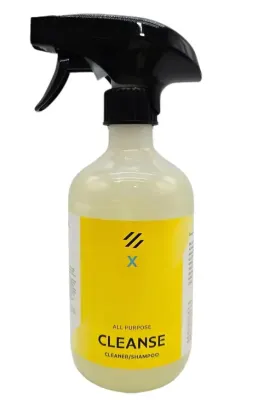
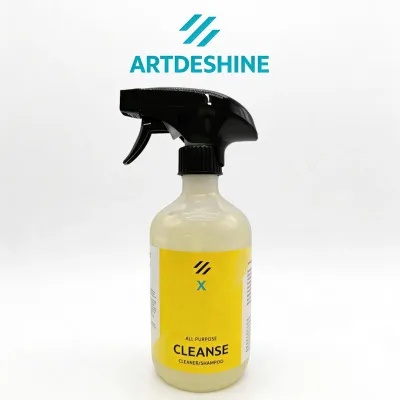
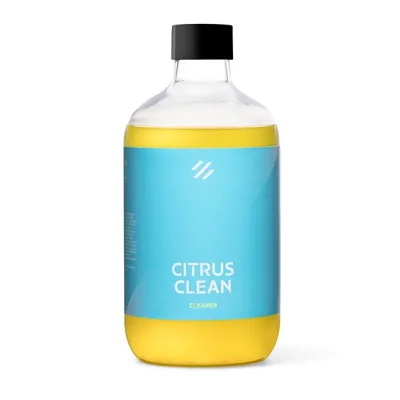
Prices are valid at publication and may change. Please refer to the product page for the latest price.
These materials react differently to chemical formulations based on their pH sensitivity and porosity. Genuine leather features a delicate, acidic protective topcoat that is highly sensitive to alkaline solutions. Repeated exposure to high-pH (alkaline) cleaners can strip away these essential protective oils, leading to drying, hardening, and eventual cracking. Synthetic leather is generally more resilient to mild alkaline cleaners but can degrade rapidly if exposed to harsh solvents or alcohol-based formulations, which strip the plasticizers that keep the vinyl flexible. Fabric weaves are highly porous and tend to absorb liquids quickly, meaning they often require surfactants that can penetrate deep into the fibers to lift stains without leaving sticky residues that attract future dirt.
Stain types also dictate your cleaning approach. Water-based stains, such as spilled beverages or mud, generally respond well to mild, pH-neutral surfactants. Oil-based stains, including skin oils, sunscreens, and food grease, typically require targeted emulsifiers to break down the lipids. Dye transfer, commonly caused by dark denim rubbing against light-colored seats, is a chemical bond on the material’s surface that requires specialized, gentle lifting agents rather than aggressive scrubbing, which can damage the underlying material.
Understanding Artdeshine Cleanse: Label Specs and Intended Use
To evaluate Artdeshine Cleanse objectively, you must examine its official product label, technical specifications, and manufacturer-provided instructions. This product is formulated as a concentrated, multi-surface interior cleaner designed to address a variety of cabin surfaces when diluted correctly. Reviewing the label reveals its chemical characteristics, including its pH level, surfactant technology, and recommended dilution ratios for different cleaning intensities.

The product label indicates whether the formulation is pH-neutral or slightly alkaline, which directly influences its safety profile on delicate surfaces. For general maintenance cleaning of leather and sensitive plastics, the manufacturer typically recommends a higher dilution ratio, mixing the concentrate with distilled water to lower the chemical concentration and ensure a gentle cleaning action. For heavy-soiled fabric carpets or stubborn grease on durable surfaces, a stronger concentration may be specified. Always verify these ratios on the physical bottle or official product documentation before mixing.
Foaming action is another critical specification to note on the label. Low-foaming formulations are highly advantageous for automotive interiors because they minimize the amount of water required for rinsing, which is particularly beneficial when cleaning moisture-sensitive electronics, foam-backed headliners, or deeply padded seats. The label will also outline the recommended dwell time—the duration the product should remain on the surface to break down contaminants before being wiped away. Exceeding the recommended dwell time can cause the cleaning agents to dry on the surface, potentially leaving unsightly streaks or chemical residues.
Pay close attention to any explicit warnings or exclusions listed on the Artdeshine Cleanse label. Manufacturers often specify surfaces that are incompatible with the product, such as untreated aniline leather, open-pore suede, Alcantara, or aftermarket window films. If your vehicle features these sensitive materials, using a general-purpose interior cleaner without verifying compatibility can lead to irreversible staining or texture alteration.
Comparing Formulations: What to Check on the Product Labels
When comparing Artdeshine Cleanse with other interior cleaners available on the market, establishing a standardized comparison framework prevents subjective bias. Rather than relying on vague promises of a “showroom shine,” focus on verifiable chemical properties and application parameters printed on the product labels.
pH Balance and Safety
The pH scale is a fundamental metric for assessing cleaner safety. A truly pH-neutral cleaner (pH 7) is a highly compatible choice for delicate, coated genuine leather, as it matches the material’s natural balance and preserves the factory protective barrier. Slightly alkaline cleaners (pH 8 to 10) are highly effective at breaking down organic proteins, grease, and heavy dirt, making them excellent for fabric carpets and durable synthetic plastics. However, using an alkaline cleaner on genuine leather without immediate neutralization can accelerate the degradation of the leather’s topcoat.
Residue and Finish
A high-quality interior cleaner should leave the surface looking clean and natural, without altering the original texture or sheen. Check the product labels for claims regarding the post-wipe finish. Some products contain gloss enhancers, silicone protectants, or conditioning oils that leave a shiny, slick residue. While some users prefer this aesthetic, shiny surfaces can reflect sunlight into the driver’s eyes and attract dust more rapidly. For modern car interiors, a matte, non-greasy finish is generally preferred, as it restores the factory-original appearance and prevents dust adhesion. Additionally, verify if the label mentions UV inhibitors, which help protect cabin surfaces from the intense Singapore sun.
Versatility vs. Specialization
All-in-one interior cleaners offer the convenience of cleaning multiple surfaces—such as plastics, vinyl, fabric, and leather—from a single bottle, often utilizing adjustable dilution ratios. This versatility reduces the number of products you need to store and simplifies the detailing process. Conversely, dedicated cleaners are formulated specifically for a single material type. A dedicated leather cleaner, for instance, may contain specialized lubricants to prevent surface scratching during agitation, while a dedicated fabric cleaner might feature enzymatic agents designed to digest organic odors at the molecular level.
To assist in your evaluation, use the following blank comparison checklist to record the specifications of the products you are considering:
| Label Specification | Artdeshine Cleanse | Alternative Option A | Alternative Option B |
|---|---|---|---|
| Stated pH Level | Check label (e.g., Neutral/Alkaline) | Check label | Check label |
| Dilution Required | Yes / No (Ratio) | Yes / No (Ratio) | Yes / No (Ratio) |
| Recommended Surfaces | List approved materials | List approved materials | List approved materials |
| Explicit Exclusions | List restricted materials | List restricted materials | List restricted materials |
| Post-Wipe Finish | Matte / Satin / Glossy | Matte / Satin / Glossy | Matte / Satin / Glossy |
| UV Protection | Yes / No | Yes / No | Yes / No |
Making the Choice: When to Use Artdeshine Cleanse vs. Alternatives
The decision to use Artdeshine Cleanse or an alternative product depends on your specific vehicle configuration, cleaning frequency, and detailing workflow. By applying conditional logic to your vehicle’s needs, you can select the product that delivers the most appropriate and efficient results.
You should choose Artdeshine Cleanse if your vehicle features a mix of modern synthetic leather, durable plastics, and standard fabric elements, and you prefer the efficiency of a single, dilutable concentrate. If you are comfortable managing dilution ratios to match different cleaning tasks—such as a mild dilution for routine dust wiping and a stronger dilution for muddy footwells—this product provides a highly customizable solution. It is also suitable if you prefer a clean, matte finish that does not leave a slippery residue on steering wheels or control surfaces.
Conversely, you should opt for alternative cleaners if your vehicle’s interior presents highly specific challenges. For example, if you are dealing with severe biological stains, pet odors, or spilled milk, a specialized enzymatic fabric cleaner will perform better than a general multi-surface cleaner. If your genuine leather seats are exceptionally dry or neglected, you may benefit more from a dedicated two-step leather cleaning and conditioning system that focuses heavily on rehydrating the hide. Furthermore, if your vehicle is under an active manufacturer warranty that mandates the use of specific OEM-branded care products, adhering to those guidelines is essential to avoid voiding your coverage.
Always verify the material requirements first if your vehicle features rare, delicate, or luxury finishes. Materials such as Alcantara, genuine suede, open-pore wood veneers, or uncoated aniline leather are highly sensitive to moisture and surfactants. These surfaces often require specialized dry-cleaning solvents or dedicated OEM-approved care kits. Applying a standard liquid interior cleaner to these materials can cause permanent water spotting, matting of fibers, or chemical staining.
Safe Application: Spot Testing and Agitation Techniques
Even mild chemical cleaners can cause damage if applied incorrectly or with excessive physical force. Establishing a safe application protocol is critical to preserving the integrity of your car’s interior surfaces.
Before applying any cleaner to a visible area of your upholstery, you must perform a mandatory spot test. Select an inconspicuous location, such as the underside of a seat cushion, the lower portion of a door card, or a hidden section of the carpet. Apply a small amount of the diluted cleaner to a clean microfiber cloth and gently wipe the test area. Wait several minutes, then wipe the area dry with a clean cloth. Inspect the test spot under strong lighting for any signs of color transfer onto the cloth, surface discoloration, or changes in the material’s texture. If you observe any adverse reactions, discontinue use immediately.
When cleaning leather, synthetic leather, or fabric, matching your agitation technique to the material is vital. For genuine and synthetic leather, use a soft-bristled detailing brush (such as natural horsehair) or a dedicated microfiber applicator pad. Apply light to moderate pressure in gentle, circular motions to allow the foaming action of the cleaner to lift dirt out of the grain. Avoid stiff nylon brushes or aggressive scrubbing, which can abrade the protective topcoat and cause premature peeling. For fabric upholstery, a slightly stiffer synthetic brush can be used to agitate fibers and release trapped dirt, but care must still be taken to avoid fraying the weave. Always wipe away the suspended dirt immediately with a clean, damp microfiber towel before it has a chance to dry back into the material.
Define clear stop conditions before you begin. If you notice color bleeding onto your cleaning cloths, the surface coating peeling or delaminating, or if the product instructions conflict with your vehicle’s owner manual, halt the cleaning process immediately. In these scenarios, attempting to scrub further will only exacerbate the damage. Instead, consult a qualified professional automotive detailer who possesses specialized tools, such as dry-steam extractors and pH-neutralizing agents, to safely resolve the issue.
Frequently Asked Questions (FAQ)
Can I use the same interior cleaner for both leather seats and fabric carpets?
While some multi-surface interior cleaners are formulated to be safe on both leather and fabric when diluted correctly, using a single product carries inherent risks due to the vastly different physical properties of these materials. Leather is a non-porous, coated animal hide that requires gentle surfactants and pH-neutral chemistry to preserve its protective topcoat and prevent drying. Fabric carpets are highly porous, woven synthetic or natural fibers that require deep-penetrating surfactants and stronger cleaning agents to lift embedded dirt and oils. Using a heavy-duty fabric cleaner on leather can strip its protective coatings, while using a mild leather cleaner on carpets may fail to remove deep stains. For long-term preservation, dedicated products or carefully adjusted dilution ratios are highly recommended.
How do I know if a cleaner is safe for synthetic leather (vinyl)?
To determine if an interior cleaner is safe for synthetic leather (vinyl or PU), carefully inspect the product label for explicit compatibility listings. Avoid products that contain harsh solvents, high concentrations of alcohol, or strong alkaline degreasers, as these chemicals can strip the plasticizers from the synthetic material, causing it to become brittle, shrink, and eventually crack. Look for cleaners that explicitly state they are safe for vinyl, PU, or synthetic leather, and prioritize formulations that offer a neutral pH. If the label does not specify compatibility, perform a thorough spot test in an inconspicuous area and monitor the surface for several days to ensure no hardening or loss of flexibility occurs.
Community discussion
Share your experience or ask a question. Comments are reviewed before publication.