
Quick Answer: Which Armor All Cleaner Do You Need?
Choosing the correct interior cleaner for your vehicle is not a matter of personal preference; it is a strict requirement dictated by the chemical makeup of your upholstery. Applying the wrong formulation can lead to permanent material degradation, unsightly discoloration, or a compromised cabin environment. To protect your vehicle’s interior, you must match the cleaning product directly to the specific material of your car seats.
Use the following rapid decision framework to select the appropriate product for your vehicle:
- Choose Armor All Leather Cleaner if your car seats are upholstered in genuine leather, synthetic leather (such as leatherette or polyurethane), or vinyl. This formulation is engineered to lift surface oils, dust, and light grime without stripping the essential moisture or the protective topcoat of these non-porous materials.
- Choose Armor All Fabric Cleaner if your car seats are made of woven cloth, canvas, polyester blends, or nylon. This formula utilizes a targeted foaming action designed to penetrate deep into porous fibers, lifting embedded stains and spills to the surface for easy extraction.
Safety Warning: Never apply a fabric cleaning formulation to untreated or delicate leather surfaces, as the surfactants can dry out the material and cause cracking. Conversely, avoid using leather cleaners on absorbent fabric seats; the conditioning agents and oils in leather formulas cannot escape the woven fibers, leaving a greasy, sticky residue that actively attracts dirt. Always consult your vehicle owner’s manual and read the product label thoroughly before application.
Products mentioned in this guide
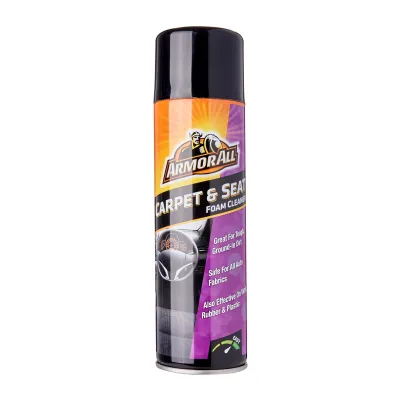
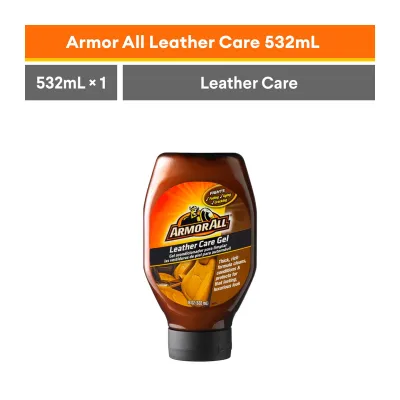
Prices are valid at publication and may change. Please refer to the product page for the latest price.
Step 1: Identify Your Car Seat Material Accurately
Before applying any chemical agent to your vehicle’s cabin, you must verify the exact composition of your seats. Modern automotive manufacturing utilizes a wide range of natural, synthetic, and blended textiles. Misidentifying these materials is one of the most common causes of irreversible interior damage, such as chemical burns on leather or deep water staining on delicate fabrics.

Identifying Leather, Synthetic Leather, and Vinyl
Distinguishing between genuine leather, synthetic alternatives, and vinyl requires a close inspection of both visual and tactile characteristics. Genuine leather seats typically exhibit natural grain variations, unique pore structures, and a softer, more pliable feel that adapts to temperature changes. Over time, genuine leather may also develop natural creases or patina in high-wear areas.
In contrast, synthetic leathers—often referred to as leatherette, polyurethane (PU) leather, or vegan leather—display highly uniform grain patterns with no visible natural imperfections. If you can inspect the underside of the material (such as near a seam or zipper), synthetic alternatives usually feature a distinct woven fabric or plastic-like backing. Vinyl is generally stiffer, cooler to the touch, and completely non-porous.
Many modern vehicles feature coated leather, which is genuine leather treated with a thin protective polyurethane topcoat, or a combination of genuine leather inserts and synthetic vinyl side bolsters. To confirm your exact interior specifications, check your vehicle’s original build sheet, consult the owner’s manual, or contact your local dealership. Armor All Leather Cleaner is formulated to be safe for most non-porous, coated leather, and vinyl surfaces, but you must always verify the product label to ensure compatibility with your specific synthetic material.
Identifying Cloth, Fabric, and Blends
Automotive cloth seats are constructed from woven textile fibers, most commonly polyester blends, nylon, or heavy-duty canvas. These materials are highly porous and are characterized by a distinct woven pattern that you can feel with your fingertips. Unlike leather, woven fabrics absorb liquids quickly, allowing spills to penetrate deep into the seat cushion foam beneath the surface.
It is vital to distinguish standard automotive fabrics from specialty materials such as Alcantara, genuine suede, or ultra-fine microfiber. Alcantara and suede feature a soft, brushed nap that is highly sensitive to moisture and standard detergents. Applying a typical automotive fabric cleaner to Alcantara or suede can ruin the texture, causing the fibers to mat, stiffen, or discolor permanently.
If your seats have a suede-like texture, do not assume they can be cleaned with standard fabric products. Look for fabric tags on the sides of the seats, check the interior trim codes in your owner’s manual, or seek professional advice if you are unsure of the material composition. Standard fabric cleaners are designed strictly for robust, woven synthetic or natural fibers.
Armor All Leather Cleaner: How It Works and When to Use It
Automotive leather cleaners are specialized chemical formulations designed to address the unique maintenance needs of non-porous cabin surfaces. Unlike household detergents, which can be highly alkaline and strip away the protective coatings of automotive leather, a dedicated leather cleaner is balanced to lift surface contaminants gently.
The primary purpose of this formulation is to dissolve and suspend body oils, sweat, dust, and light grease that accumulate on the seat surface over time. Modern automotive leather is almost always finished with a microscopic polyurethane topcoat to prevent staining and wear. A proper leather cleaner works on top of this barrier, lifting dirt without degrading the protective layer or drying out the underlying hide.
To apply the product safely, never spray the liquid cleaner directly onto the leather surface. Direct spraying can cause the liquid to pool in stitching lines, perforation holes for ventilated seats, or seams. Over time, trapped liquid can rot the sewing threads or damage the electronic heating and cooling elements located directly beneath the upholstery. Instead, spray a moderate amount of the cleaner onto a clean, high-quality microfiber cloth or a soft-bristled detailing brush. Gently work the product into the surface using light, circular motions, then immediately wipe the area dry with a separate, dry microfiber towel.
While a leather cleaner is highly effective at removing dirt, it is only the first step in comprehensive leather care. Cleaning processes inherently remove surface oils, which can leave the material vulnerable to drying and cracking under UV exposure. Therefore, it is highly recommended to follow up the cleaning step with a dedicated leather conditioner. The conditioner replenishes essential moisture and adds UV inhibitors to protect the seats from the intense heat and sunlight common in tropical climates like Singapore.
There are several critical boundaries to observe when using leather cleaners. Never apply these products to untreated aniline leather, genuine suede, nubuck, or woven fabrics. Additionally, avoid using leather cleaning or conditioning products on your vehicle’s steering wheel, gear shift, or foot pedals. These formulas can leave a smooth, low-friction finish that makes control surfaces slippery, presenting a severe safety hazard during driving. Always read the specific product label to verify surface compatibility before use.
Armor All Fabric Cleaner: How It Works and When to Use It
Automotive fabric cleaners are engineered to address the porous nature of woven textiles. When a spill occurs on a cloth seat, the liquid travels deep into the fiber matrix and the underlying foam cushion. To combat this, fabric cleaners rely on specialized surfactants and foaming agents that penetrate the weave to break the physical and chemical bonds holding the stain to the fibers.
The foaming action of a quality fabric cleaner is a critical mechanism. As the product foams, it encapsulates dirt, grease, and organic matter, lifting them away from the individual fabric strands and holding them in suspension. This allows the contaminants to be wiped away or extracted before they can settle back into the weave.
To use a fabric cleaner effectively, start by spraying the product evenly over the affected section of the seat. Avoid over-saturating the material, as excess liquid will sink deep into the seat foam, making extraction difficult. Allow the cleaner to dwell for the duration specified on the product label—typically a few minutes—to let the surfactants break down the stain. Gently agitate the area using a soft-bristled fabric brush, working in circular motions to loosen embedded dirt. Finally, use a clean, dry microfiber cloth to blot and wipe away the foam, pressing firmly to extract as much moisture as possible from the fibers.
Because fabric cleaning introduces moisture deep into the seat structure, proper drying is absolutely critical. In warm, high-humidity environments like Singapore, damp seat foam is highly susceptible to the rapid growth of mold, mildew, and bacteria. This can result in persistent, musty odors that are incredibly difficult to eradicate. After cleaning, always leave your vehicle’s windows open, park in a well-ventilated area, or use a portable fan to ensure the seats dry completely before using the vehicle.
Fabric cleaners also have strict limitations. They must never be applied to leather, vinyl, or sensitive electronic components within the cabin, such as power seat switches, heated seat control modules, or touchscreen interfaces. Over-spraying onto these areas can cause electrical shorts or permanent material staining. Always review the product label to confirm that the cleaner is safe for your seat’s specific fabric blend.
Side-by-Side Comparison: Choosing the Right Formula
To help you finalize your decision, the table below outlines the core differences between these two specialized formulations based on their design, application requirements, and physical properties.
| Feature | Armor All Leather Cleaner | Armor All Fabric Cleaner |
|---|---|---|
| Target Materials | Genuine leather, synthetic leather (leatherette/PU), and vinyl | Woven cloth, canvas, polyester blends, and nylon |
| Primary Cleaning Action | Mild surfactant action to dissolve surface oils and grease | Foaming action to lift embedded dirt from porous fibers |
| Application Tool | Microfiber cloth or soft-bristled detailing brush | Soft-bristled fabric brush and dry microfiber cloth |
| Residue/Finish | Non-greasy, clean finish; prepares surface for conditioning | Clean, dry textile finish; requires thorough moisture extraction |
| Follow-up Care | Application of a dedicated leather conditioner is recommended | Thorough ventilation and air-drying to prevent mold |
Use this clear decision framework to guide your purchase and application:
- Choose Leather Cleaner if: Your car seats are made of genuine finished leather, leatherette, PU leather, or vinyl, and your primary goal is to remove body oils, dust, and light surface grime without damaging the protective polyurethane topcoat.
- Choose Fabric Cleaner if: Your seats are upholstered in standard woven cloth, canvas, or synthetic textile blends, and you need to lift deep-seated stains, spills, or mud from the porous fibers.
- Verify First if: Your vehicle features specialty materials such as Alcantara, uncoated aniline leather, genuine suede, or custom synthetic blends. If you encounter these materials, stop immediately and consult your vehicle manufacturer's care guidelines or a professional automotive detailer. Do not apply standard retail cleaners to delicate surfaces.
Safe Application Guidelines and Pre-Cleaning Checks
Regardless of which product you select, executing a safe detailing protocol is essential to prevent accidental damage to your vehicle’s interior. Chemical reactions can vary based on the age of the material, previous treatments, and environmental wear.
Pre-Cleaning Checks
Before applying any cleaner to a visible portion of your seat, you must perform a spot test in an inconspicuous area. Suitable locations include the lower rear of the seat back, the underside of a headrest, or the lower side bolster facing the door pillar. Apply a tiny amount of the cleaner to a cloth, rub it gently onto the test spot, and let it sit for a few minutes. Wipe it dry and inspect the area under good lighting. If you notice any color transfer onto your cloth, fading, spotting, or changes in the material’s texture, stop immediately. Do not proceed with the application; instead, consult a professional.
Preparation
Never apply liquid cleaners directly to a dusty or sandy seat. Loose dirt, sand, and road grit act as abrasives. If you begin wiping or scrubbing with liquid present, these particles will be ground into the surface, scratching the delicate topcoat of leather or grinding deep into fabric fibers. Always vacuum the seats thoroughly first. Use a crevice tool to clear out seams, folds, and the areas where the seat back meets the bottom cushion.
Execution Boundaries
When applying the cleaners, moderation is key. Avoid soaking the seats under any circumstances. For leather, excess moisture can seep through stitching and cause the leather to swell or warp. For fabric, excessive liquid saturates the foam cushion, which can rust internal metal seat frames, damage occupant-classification sensors for the airbag system, or lead to mold growth. Work in small, manageable sections (such as one bolster or seat panel at a time) and wipe away all chemical residue promptly.
Post-Cleaning Care
Once the cleaning process is complete, allow the vehicle to dry thoroughly in a well-ventilated space. If a tough stain persists after a standard cleaning cycle, do not attempt to scrub the area aggressively or mix different cleaning chemicals. Aggressive scrubbing can tear fabric fibers or rub through a leather seat’s protective topcoat. Mixing different chemical products can lead to unpredictable chemical reactions that can permanently ruin the upholstery. If a stain does not lift with gentle, repeated applications according to the product label, seek professional extraction services.
Frequently Asked Questions (FAQ)
Can I use Armor All Leather Cleaner on cloth seats in an emergency?
No, you should strictly avoid using leather cleaners on cloth upholstery. Leather cleaners are formulated with specific surfactants, emollients, and conditioning agents designed to remain on non-porous surfaces. When applied to porous woven fabrics, these ingredients cannot be easily wiped away. Instead, they sink into the fibers, leaving a greasy, sticky residue that acts as a magnet for dust and dirt, ultimately creating a larger, more difficult stain. If a spill occurs on a cloth seat, blot it immediately with a dry cloth and wait until you have a dedicated fabric cleaner or a mild, fabric-safe alternative.
Is Armor All Fabric Cleaner safe for Alcantara or suede?
Standard automotive fabric cleaners are generally not safe for Alcantara, genuine suede, or nubuck unless the product label explicitly states otherwise. These premium materials are composed of extremely fine microfibers or natural hides with a delicate, raised nap. Standard fabric cleaners contain surfactants that can strip natural oils from suede or cause the fine synthetic fibers of Alcantara to mat down and lose their soft texture. Cleaning these materials requires specialized, pH-neutral suede cleaners and dedicated detailing brushes to gently lift dirt while preserving the nap. Always consult your vehicle’s specific care manual before attempting to clean these surfaces.
Community discussion
Share your experience or ask a question. Comments are reviewed before publication.