
Selecting the correct Armor All product for your car seats depends entirely on whether your interior is upholstered in leather or fabric. For genuine leather, synthetic leather, or vinyl seats, you must use dedicated leather cleaners and conditioners that preserve natural moisture and protect against UV damage. For woven cloth, nylon, or carpeted surfaces, you require specialized fabric cleaners formulated to lift stains from deep within fibers without leaving oily residues. Using the wrong product—such as applying a greasy leather conditioner to fabric or a harsh fabric surfactant to delicate leather—can cause permanent staining, cracking, or material degradation.
To keep your car’s interior looking pristine and to protect its resale value, you must follow a systematic approach to material identification and product selection. This guide outlines how to identify your seat materials, choose the appropriate Armor All formulation, and apply the products safely to avoid costly damage.
Identify Your Car Seat Material Before Choosing a Cleaner
Before purchasing or applying any interior care product, you must accurately identify the specific material used in your car seats. Automotive manufacturers utilize a variety of textiles, and treating synthetic vinyl with a product meant for genuine leather, or vice versa, can yield poor results.
Products mentioned in this guide
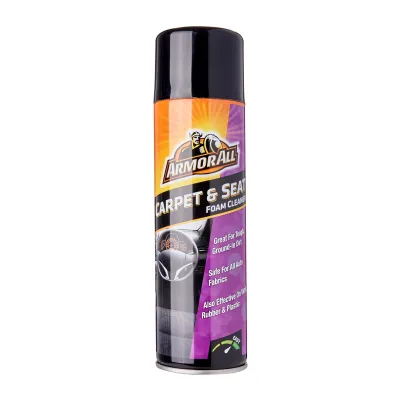
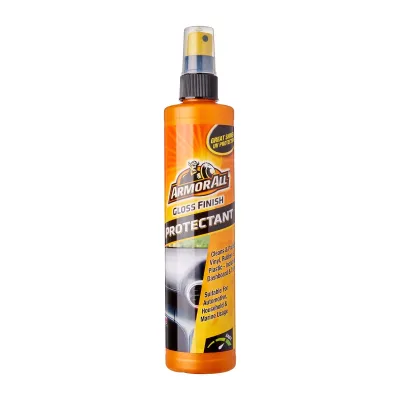
Prices are valid at publication and may change. Please refer to the product page for the latest price.
Genuine leather possesses distinct visual and tactile characteristics. It features natural, irregular grain patterns and unique surface imperfections rather than a perfectly repeating design. To the touch, genuine leather feels warm, supple, and slightly textured, and it often retains a subtle, organic scent. If you apply a tiny drop of water to an uncoated section, genuine leather will slowly absorb the moisture, whereas synthetic materials will cause the water to bead up instantly.
Synthetic vinyl and faux leather, often referred to as leatherette or PU leather, are engineered to mimic the appearance of genuine leather but are chemically distinct. These materials exhibit highly uniform, repeating grain patterns and have a smoother, cooler, plastic-like feel. They are completely non-porous, meaning they do not absorb moisture or oils in the same manner as natural hide.
Fabric and cloth upholstery are easily distinguishable by their woven textures. These seats are constructed from nylon, polyester, or blended fibers that form a visible mesh or velour surface. Unlike leather or vinyl, fabric seats are highly porous and prone to absorbing liquid spills, dirt, and sweat deep into the cushion fibers.
Always consult your vehicle’s owner’s manual to confirm the factory seat specifications. Many modern vehicles feature mixed-material interiors, such as genuine leather seating surfaces paired with synthetic vinyl side bolsters and back panels. Identifying these zones ensures you do not inadvertently apply the wrong chemical to the wrong surface.
Additionally, take note of whether your leather seats are perforated. Perforated leather features tiny ventilation holes designed for heated or cooled seating systems. Liquid cleaners and conditioners can easily seep through these perforations, saturating the underlying foam cushion. Trapped moisture inside the seat foam can lead to mold growth, unpleasant odors, and structural foam degradation, so perforated surfaces require a highly controlled application method.
How to Choose Armor All Products for Leather and Vinyl Seats
Once you have confirmed that your seats are leather or vinyl, you must select an Armor All product specifically formulated for these materials. Look for prominent keywords on the product packaging, such as “Leather Care,” “Leather Cleaner,” “Leather Conditioner,” or “Vinyl & Rubber Protectant.” These designations guarantee that the formula is chemically compatible with non-porous and semi-porous synthetic or natural skins.

It is important to understand the functional differences between dedicated cleaners, conditioners, and multi-action formulas. Dedicated leather cleaners contain mild surfactants designed to lift surface dirt, body oils, and dust without stripping the leather’s natural moisture. These are ideal for the initial cleaning phase of heavily soiled seats.
Leather conditioners and protectants, on the other hand, are formulated with specialized oils and UV blockers. In hot and sunny climates, such as Singapore, interior temperatures can rise rapidly, causing leather to dry, fade, and crack over time. Conditioners replenish essential moisture to keep the material supple, while UV inhibitors shield the surface from sun damage.
For routine maintenance, Armor All offers 2-in-1 and 3-in-1 formulations that clean, condition, and protect in a single step. These multi-action products are highly convenient for regular upkeep but may not provide the deep-cleaning power required for neglected, heavily stained seats. If your seats have deep grime buildup, always use a dedicated cleaner first, followed by a separate conditioner.
If your vehicle features a mix of genuine leather and synthetic faux leather, verify that the product label explicitly states it is safe for both materials. Most high-quality automotive leather products are designed to safely treat both natural hide and synthetic vinyl, but verifying this on the label prevents compatibility issues.
Avoid using universal high-shine protectants on your leather seats unless they are specifically engineered for seating surfaces. Products designed for hard plastic dashboards or tires often contain heavy silicones. Applying these to seats can leave a dangerously slick, greasy residue that reduces friction, making it difficult for passengers to remain securely in their seats while driving.
How to Choose Armor All Products for Fabric and Upholstery
Fabric seats require an entirely different chemical approach than leather. To clean woven textiles, you must select Armor All products that feature “Fabric,” “Upholstery,” or “Carpet” designations on the packaging. These formulas are engineered to penetrate woven fibers, break down stubborn stains, and lift dirt to the surface for easy removal.
Armor All fabric products generally fall into two application categories: foaming cleaners and penetrating liquids. Foaming aerosol cleaners are highly effective for surface-level stains and general maintenance. The thick foam sits on top of the fabric, lifting dirt out of the weave without oversaturating the seat cushion. Penetrating liquid sprays are better suited for deep-set dirt or high-traffic areas, but they require careful moisture management to prevent waterlogging.
When choosing a fabric cleaner, check the product label for auxiliary tool requirements. Many foaming fabric cleaners feature a built-in brush cap designed to agitate the fibers and loosen embedded dirt. If the product does not include an integrated brush, you will need to prepare a soft-bristle upholstery brush or a clean microfiber cloth to gently work the formula into the fabric.
In humid tropical environments like Singapore, moisture retention is a significant concern when cleaning fabric seats. Wet upholstery can take hours or even days to dry completely, creating an ideal environment for mold, mildew, and musty odors to develop. Look for Armor All fabric formulations that offer quick-drying properties or built-in stain guards. These specialized formulas help repel future spills while minimizing the amount of moisture left behind in the seat fibers.
What Happens If You Use the Wrong Armor All Variant
Cross-using automotive cleaning products can lead to severe aesthetic and structural damage to your car’s interior. Understanding the chemical consequences of using the wrong variant highlights the importance of strict material matching.
Applying a leather conditioner or protectant to fabric seats is a common mistake that yields highly undesirable results. Leather conditioners contain rich oils, waxes, and silicones designed to absorb into skin pores. When these substances are applied to woven fabric, they cannot be absorbed. Instead, they coat the fibers in a thick, oily residue that creates dark, unsightly stains. This sticky residue acts as a magnet for dust, pet hair, and road grime, causing the fabric to soil much faster than before. Furthermore, the oils can stiffen the fabric fibers, permanently ruining the soft texture of your seats.
Conversely, using a fabric upholstery cleaner on leather seats can be equally damaging. Fabric cleaners rely on strong surfactants and foaming agents designed to break down grease and oils within woven textiles. When sprayed onto leather, these aggressive chemicals strip away the leather’s natural oils and dissolve the protective factory clear coat. Over time, this chemical stripping causes the leather to dry out, become stiff, and develop premature cracks. It can also lead to color fading and peeling of the leather’s dyed surface.
While “Multi-Purpose” interior cleaners are convenient for quick dust-ups on hard plastics, steering wheels, and dashboards, they have distinct limitations. These general-purpose formulas typically lack the deep-conditioning oils required to keep leather supple, and they do not contain the specialized stain-lifting surfactants needed for heavy fabric stains. Relying solely on multi-purpose cleaners for specialized seating materials can leave leather dry and fabric stains unresolved.
Pre-Application Safety Checks and Spot Testing
Before applying any Armor All product to your car seats, you must establish a safety and verification protocol. This ensures that the chemical formula is fully compatible with your specific upholstery and prevents widespread, irreversible damage.
Performing a spot test is a mandatory first step for any interior detailing project. Select an inconspicuous area of the seat, such as the lower rear bolster, the underside of the headrest, or a small section of the seat skirt near the floor. Apply a small, dime-sized amount of the product to a clean microfiber cloth and gently wipe the test area. Allow the product to dry completely according to the label instructions.
Once dry, carefully inspect the test area under good lighting. Check for any signs of color transfer onto the microfiber cloth, which indicates dye bleeding. Look for discoloration, dark spots, or changes in the texture of the material. If you observe any of these adverse reactions, stop using the product immediately and do not apply it to the rest of the seats.
Always read and follow the specific product label warnings, recommended application temperatures, and ventilation requirements. Avoid detailing your car’s interior in direct, intense sunlight or when the seats are hot to the touch, as extreme heat can cause cleaning chemicals to evaporate too quickly, leaving unsightly streaks or concentrated chemical spots. Instead, park your vehicle in a shaded area or a well-ventilated multi-story car park. Keep all car doors and windows open during the application process to ensure adequate airflow and to prevent the buildup of chemical fumes.
Finally, establish a clear stop condition. If your car seats feature custom aftermarket leather upholstery, rare vintage materials, or are already severely cracked, peeling, and degraded, do not attempt to clean them with standard retail products. Applying liquid cleaners to severely damaged leather can accelerate rotting and tearing. In these scenarios, or if you cannot confidently identify the seat material, cease application and consult a qualified professional automotive detailer to discuss specialized restoration options.
Frequently Asked Questions (FAQ)
Can I use Armor All Glass Cleaner on my car seats?
No, you should never use Armor All Glass Cleaner on your car seats. Glass cleaners are formulated with alcohol, ammonia, or strong solvents designed to cut through grease on glass surfaces without leaving streaks. If applied to leather, these harsh chemicals will instantly strip away the protective factory top coat and dry out the material, leading to premature cracking. If applied to fabric, glass cleaners can break down fabric dyes, causing permanent discoloration and weakening the structural integrity of the woven fibers. Always use formulas specifically labeled for leather or fabric upholstery.
How often should I apply Armor All leather conditioner?
There is no rigid calendar schedule for conditioning leather seats, as the frequency depends heavily on your local climate, parking conditions, and vehicle usage. In hot, humid environments like Singapore, vehicles parked outdoors under direct sunlight experience rapid heat buildup and intense UV exposure, which dries out leather quickly. For vehicles subjected to these harsh conditions, applying a leather conditioner every 1 to 2 months is recommended to maintain suppleness. If your vehicle is primarily parked in shaded multi-story car parks or underground garages, conditioning every 3 to 4 months is generally sufficient. Always refer to the specific product label for recommended reapplication intervals.
Will Armor All fabric cleaner remove deep-set stains?
Armor All fabric cleaners are highly effective at removing surface-level stains, fresh spills, mud, and general dirt buildup. However, deep-set stains—such as old motor oil, dried coffee, or ink that has penetrated deep into the underlying seat foam—may not be fully removable with standard retail sprays. Attempting to aggressively scrub these deep-set stains can fray and damage the fabric fibers. If a stain has saturated the seat cushion foam, it typically requires professional hot-water extraction or specialized automotive upholstery cleaning services, which can cost upwards of S$150 depending on the severity of the damage.
Community discussion
Share your experience or ask a question. Comments are reviewed before publication.