
Deciding whether to install leather seat covers in Singapore requires balancing luxury aesthetics against tropical reality. With year-round temperatures averaging over 30°C and relative humidity frequently exceeding 80%, the interior of a parked car can quickly turn into an oven. If you are considering car seat covers leather options, the short answer is that solid, non-perforated leather is generally uncomfortable during the hottest parts of the day. It absorbs heat rapidly and traps perspiration against your skin.
However, this does not mean you must abandon the sleek look of leather entirely. By understanding how different materials handle heat, choosing specific design features like perforations, and adopting smart cabin-cooling habits, you can enjoy the premium aesthetics of leather without sacrificing your daily driving comfort.
How Leather Reacts to Singapore's Tropical Climate
To understand why leather can feel punishingly hot, it helps to look at how the material interacts with solar radiation and high humidity. When your car is parked in an open-air HDB carpark or an outdoor lot in downtown Singapore, sunlight streams through the glass windows. This creates a greenhouse effect, trapping heat inside the cabin. Leather has a high thermal mass, meaning it absorbs and retains heat much longer than fabric or mesh.
Products mentioned in this guide
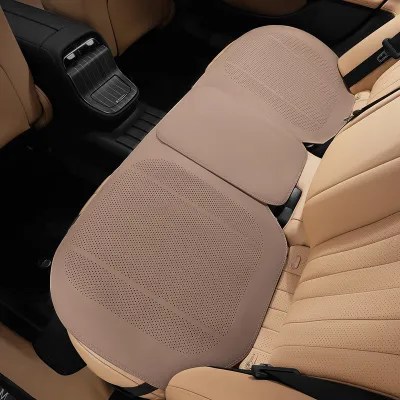
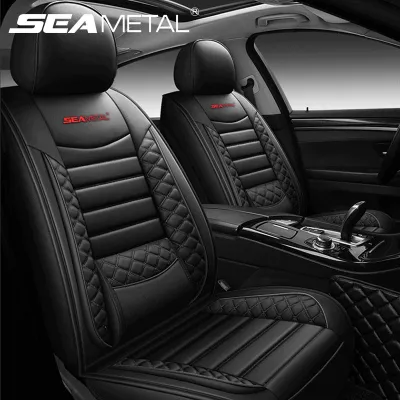
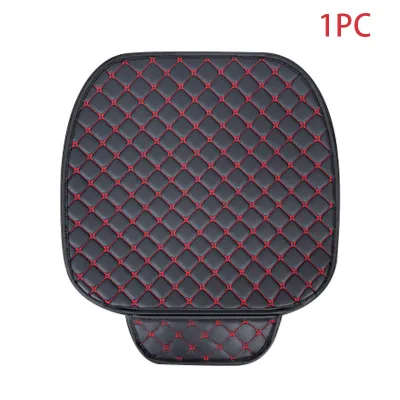
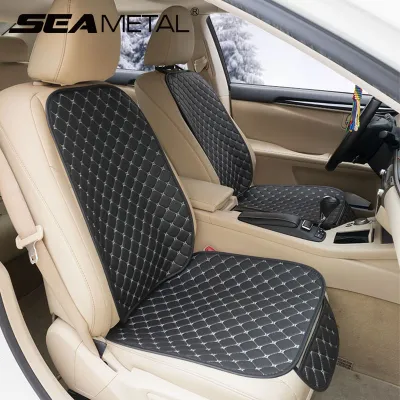
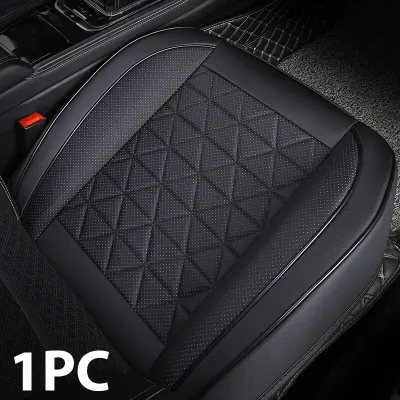
![[SG stock] Car Seat Cover PU Leather Interior Protector Mats Cushion 5 Seaters Chair Seatcover Pad for SUV Sedan Truck](https://img.lazcdn.com/g/p/b14fc2d13251d1235315b5f39912a158.jpg_400x400q80.jpg_.webp)
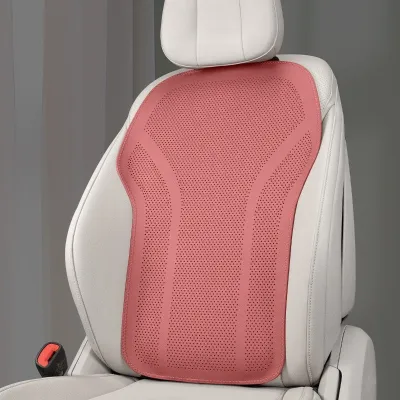
![[SG stock] Universal 5-Seater Car Seat Cushions Breathable Perforated Leather Auto Seat Pads Anti-slip Shock Absorbing Car Interior Accessories](https://img.lazcdn.com/g/p/f3d67cce53c01e85aca620a876c2405d.jpg_webp_400x400q80.jpg_.webp)
Prices are valid at publication and may change. Please refer to the product page for the latest price.
Dark-colored leather surfaces, such as black or deep charcoal, are particularly efficient at absorbing solar energy. When you sit on a seat that has been baking under the sun, the stored thermal energy is instantly transferred to your body, causing immediate discomfort and sweating.
Another physical challenge is the lack of natural airflow. Solid leather surfaces are completely non-porous. When you sit back against a solid leather cover, there is zero space for air to circulate between your clothing and the seat. Any body heat you generate is trapped directly against the seat cover, raising the temperature of the contact zone within minutes.
In Singapore’s highly humid environment, this lack of ventilation becomes even more problematic. Humidity slows down the rate at which your sweat can evaporate from your skin. When trapped against a solid leather surface, sweat accumulates, creating a sticky, clammy sensation that makes even short commutes feel uncomfortable. This moisture buildup can also cling to your clothes, leaving you with damp patches by the time you reach your destination.
Genuine Leather vs. Synthetic Leather: Heat and Comfort
When shopping for seat covers, you will encounter two primary categories: genuine leather and synthetic alternatives like polyurethane (PU) or polyvinyl chloride (PVC). Understanding the physical differences between these materials is crucial for predicting how they will perform in tropical weather.

Genuine Leather
Genuine leather is made from natural animal hides, which possess a microscopic fibrous structure. Because of this natural origin, genuine leather has inherent pores that offer a marginal degree of breathability. It can absorb a small amount of moisture and release it, which slightly mitigates the clammy feeling compared to cheap plastics. However, genuine leather still retains a significant amount of heat. Furthermore, Singapore’s high humidity presents a unique maintenance challenge for natural hide. Without regular conditioning, genuine leather can dry out and crack under intense sun exposure, or conversely, develop mold and mildew if moisture remains trapped in the cabin.
Synthetic Leather (PU/PVC)
Synthetic leather, often marketed under terms like “leatherette,” “eco-leather,” or “vegan leather,” is essentially a plastic-based material. PU and PVC covers are completely non-porous unless they have been mechanically perforated during manufacturing. These materials act as a barrier to both air and moisture, trapping heat almost instantly against your body. On a hot afternoon, synthetic leather can reach surface temperatures that feel scalding to the touch. While synthetic options are highly durable, spill-resistant, and easier to clean than genuine leather, they offer virtually zero thermal relief in a hot, humid cabin.
Before making a purchase, it is highly recommended to inspect the manufacturer’s material specifications rather than relying on promotional buzzwords. Many products labeled as “breathable eco-leather” are simply standard PU synthetic covers with no functional ventilation properties. Always look for physical proof of breathability, such as micro-perforations, rather than relying on marketing claims.
Design Features That Keep Car Seat Covers Leather Cooler
If you are fully committed to the premium look of leather but want to minimize the heat penalty, you must look for specific design features engineered to combat high temperatures.
Perforated Leather
The most effective passive cooling feature is perforation. Perforated leather seat covers feature thousands of tiny, machine-punched micro-holes across the center inserts where your back and thighs make contact with the seat. These micro-holes break up the solid barrier of the leather, allowing trapped heat to escape and facilitating better airflow. While it will not make the seat feel cold, perforated leather significantly reduces the sticky, sweat-inducing sensation by allowing your skin to breathe and letting air conditioning reach your back more effectively.
Integrated Ventilation Systems
For active relief, you can find aftermarket seat covers that feature integrated ventilation systems. These specialized covers contain built-in, low-profile fans—usually powered via your car’s 12V socket or a USB port—that actively draw cabin air and push it through the perforated surface of the cover. This creates a continuous stream of air directly beneath your body, keeping you dry and cool even before the car’s main air conditioning system has fully brought down the cabin temperature.
Color Selection
The color of your seat covers plays a massive role in heat management. Light-colored leather, such as beige, cream, light grey, or tan, has a much lower rate of solar absorption than black, dark blue, or dark brown. By opting for lighter shades, you drastically reduce the peak temperature your seats will reach when parked in direct sunlight, making the initial entry into your vehicle much more tolerable.
Practical Ways to Prevent Overheating in Parked Cars
Managing the temperature of your leather seats starts before you even sit down. Implementing a few simple habits can dramatically reduce heat buildup inside your vehicle’s cabin.
Reflective Windshield Sunshades
A high-quality, reflective accordion or umbrella-style sunshade placed on your front windshield is one of the most effective tools for protecting your front seats. By reflecting direct UV rays and solar radiation back out through the glass, you prevent the intense, localized heating of your steering wheel and front leather seat covers.
Legal Window Tinting
Applying solar control window films can significantly cut down the infrared heat entering your car. However, before installing any window tints in Singapore, you must ensure they comply strictly with the Land Transport Authority (LTA) regulations. According to LTA guidelines:
- Front Windscreen and Front Side Windows: Must allow a minimum of 70% Visible Light Transmission (VLT).
- Rear Side Windows and Rear Windscreen: Must allow a minimum of 25% VLT.
- Glare Restrictions: The tinting material must not be metallic or highly reflective, as this can cause glare for other road users.
Always verify these specifications with your tint installer to avoid fines or vehicle inspection failures.
Pre-Cooling and Venting
If your car supports remote engine starting via a smart key or mobile app, utilize this feature to pre-cool the cabin for a few minutes before you get in. If remote start is not an option, you can lower the cabin temperature quickly upon returning to your car by opening all the doors or rolling down the windows for thirty seconds to let the trapped hot air escape before turning on the air conditioning. Additionally, if you are parking in a secure, shaded, and monitored area, cracking your windows by just a few millimeters can promote natural cross-ventilation, preventing the cabin from turning into a heat trap.
Safety First: Side Airbag Compatibility
While comfort is important, safety must always be your primary consideration when installing aftermarket seat covers. Modern vehicles are equipped with sophisticated safety systems, including side-impact airbags that are housed inside the outer bolsters of the front seats.
If you install a universal or poorly designed seat cover over a seat equipped with side airbags, you risk blocking the deployment path of the airbag in the event of a collision. Airbags deploy with explosive force in milliseconds; any physical obstruction can delay deployment or redirect the airbag, leading to severe injury.
To guarantee your safety, you must strictly look for seat covers that are explicitly certified as side-airbag compatible. These covers are engineered with specialized breakaway seams, light stitching, or open side panels that easily tear open when the airbag deploys.
- Airbag Tags: Check for physical tags labeled "SRS Airbag" or "Airbag Compatible" sewn into the side seams of the cover.
- Owner's Manual: Consult your vehicle's owner manual to locate the exact deployment zones of your seat-mounted airbags.
- Avoid Tight Universal Fits: Never use heavy, tightly wrapping universal leather covers that do not feature verified breakaway stitching along the outer edges of the front seats.
If you are unsure about the compatibility of a specific seat cover model with your car’s safety systems, consult the manufacturer or a certified automotive upholstery professional before proceeding with the installation.
Breathable Alternatives for Maximum Cooling
If you decide that the thermal drawbacks of leather are too high for your daily driving needs in Singapore, several highly breathable alternative materials offer excellent comfort without sacrificing interior protection.
Mesh and 3D Spacer Fabrics
Mesh seat covers, particularly those utilizing 3D spacer fabric technology, are the gold standard for hot climates. These fabrics feature a three-dimensional woven structure that creates a physical gap between your body and the seat base. This open structure allows air to flow freely in all directions, promoting rapid sweat evaporation and keeping your back completely dry, even on long drives.
Cooling Gel Pads
Cooling gel seat cushions or pads offer immediate, physical cooling relief when you first sit down. They work by absorbing your body heat and dissipating it. However, they have a thermal limit; on longer drives exceeding 30 to 45 minutes, the gel will eventually match your body temperature and lose its cooling effect. They are best suited for short, quick trips around the city.
High-Quality Woven Textiles
Woven fabric covers, such as heavy-duty canvas, jacquard, or premium linen blends, offer a balanced middle ground. They do not trap heat like synthetic leather, provide excellent breathability, and are highly durable. Additionally, fabric covers are generally machine-washable, making them incredibly easy to clean and maintain in humid weather where sweat transfer is common.
Frequently Asked Questions (FAQ)
Will high humidity cause mold on leather seat covers?
Yes, high humidity can lead to mold growth on genuine leather seat covers if they are left damp and unventilated. Because genuine leather is an organic material, mold spores can feed on the natural oils and accumulated sweat or skin cells on the surface. To prevent this, regularly wipe down your leather covers with a dry microfiber cloth, avoid leaving damp items (like wet umbrellas or sweaty gym clothes) on the seats, and use high-quality leather conditioners that contain mild anti-fungal properties. Always follow the conditioner’s product label instructions carefully.
Do leather seat covers damage the original car seats?
They can if they are not installed or maintained properly. In Singapore’s humid climate, moisture can become trapped between the aftermarket seat cover and the original fabric or leather upholstery underneath. Over time, this trapped moisture, combined with high cabin heat, can lead to mold growth, musty odors, or even dye transfer from the cover to the original seat. To prevent damage, choose seat covers with a breathable, non-slip backing material, ensure the original seats are completely dry before installation, and periodically remove the covers (every six months) to inspect, vacuum, and air out the original upholstery.
Community discussion
Share your experience or ask a question. Comments are reviewed before publication.