
Quick Answer: Evaluating Vent Clip Effectiveness in Tropical Climates
Using a car aircon vent clip in Singapore’s tropical climate is a practical way to keep your vehicle smelling fresh, but the region’s intense heat and high humidity present unique challenges. While these devices are highly effective at dispersing scent when the air conditioning is running, their overall lifespan and performance are significantly altered by local environmental conditions.
High ambient temperatures accelerate the evaporation of fragrance oils, while elevated humidity levels can affect how scent carriers release their aroma. Consequently, a vent clip that lasts for several weeks in a temperate climate may deplete much faster here. Achieving consistent results depends heavily on selecting the right fragrance format—such as solid, gel, or liquid—and managing your vehicle’s climate control settings effectively. By understanding these factors, you can make an informed purchase and avoid common pitfalls like leaks or premature scent loss.
How Heat and High Humidity Impact Fragrance Performance
When your vehicle is parked in an open-air carpark under the intense afternoon sun, cabin temperatures can quickly rise far above the ambient outdoor temperature. This extreme heat directly impacts the physical and chemical properties of any air freshener inside the vehicle. Fragrance oils are volatile organic compounds designed to evaporate gradually at room temperature. However, high heat increases the kinetic energy of these molecules, causing them to vaporize at an accelerated rate. This results in an incredibly strong, sometimes overwhelming scent when you first enter the car, followed by rapid depletion of the fragrance reservoir.
Products mentioned in this guide
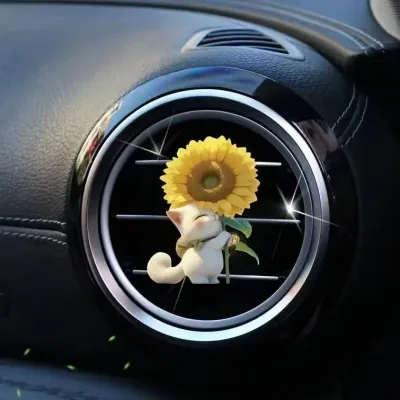
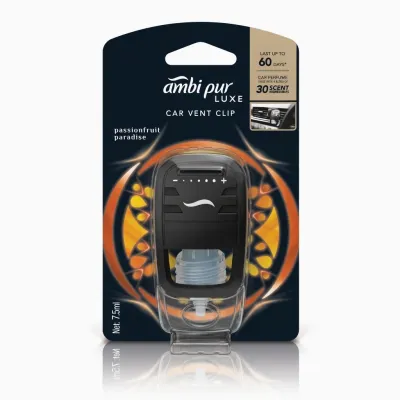
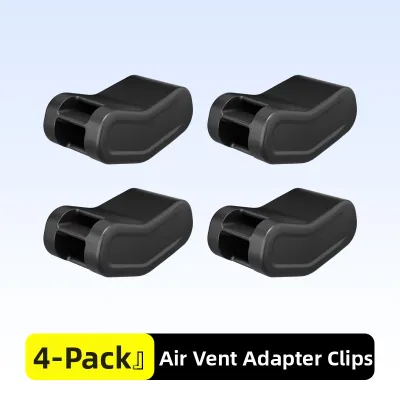
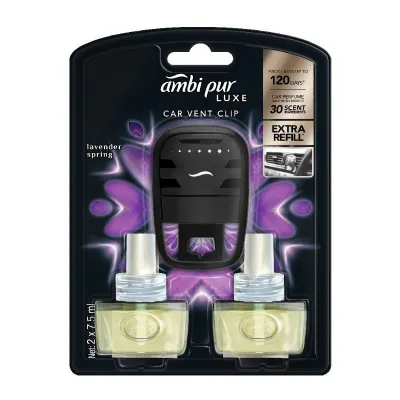
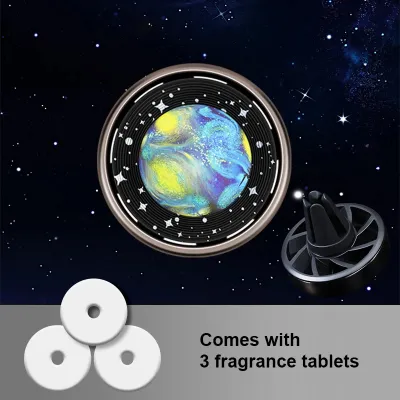


Prices are valid at publication and may change. Please refer to the product page for the latest price.

Singapore’s high relative humidity, which frequently exceeds 80%, further complicates fragrance dispersion. Moisture-laden air is denser and can affect the performance of porous scent carriers, such as ceramic discs or wood blocks. When the air is saturated with water vapor, the rate of fragrance diffusion can slow down, or the carrier material may absorb ambient moisture, altering the purity of the scent. For gel-based products, high humidity combined with heat can cause the gel matrix to break down, leading to a sticky residue or premature shrinkage.
Beyond the fragrance itself, the physical components of the car aircon vent clip are subject to severe material stress. Most vent clips are constructed from plastics, rubbers, or silicones that can degrade when exposed to constant thermal cycling and ultraviolet (UV) radiation. Over time, the plastic housing can become brittle, increasing the likelihood of the mounting clips snapping during installation or adjustment. Rubber seals and gaskets designed to keep liquid fragrance oils contained can also dry out, crack, or warp, creating a high risk of leakage. To prevent damage to your vehicle’s interior, always check the manufacturer’s packaging for specific temperature limits and storage warnings before use.
Comparing Air Freshener Formats for Hot and Humid Conditions
Selecting the right format for your car aircon vent clip is crucial for achieving a balance between scent longevity and safety in a tropical climate. Different scent carriers react uniquely to heat and moisture, meaning some are far better suited for local driving conditions than others.
Solid formats, which include ceramic discs, plaster tablets, infused wood, and scented polymers, offer the highest level of stability in hot and humid weather. Because they contain no free liquids or unstable gels, they are completely immune to leaking, melting, or spilling, even if the car is parked in direct sunlight for extended periods. The primary trade-off is that their scent throw relies almost entirely on active airflow from the aircon vents. When the AC is turned off, the fragrance emission drops significantly, which can make the scent feel inconsistent if you only take short drives.
Gel and bead formats utilize a semi-solid matrix to hold the fragrance oils, releasing them slowly as the carrier shrinks. While convenient, these formats are highly susceptible to the extreme temperatures found in parked vehicles. Under intense heat, some gels can liquefy or melt entirely, potentially seeping through the vent clip’s housing. Additionally, high humidity can cause the gel to absorb moisture, which may lead to mold growth or a damp, unpleasant odor over time. If you choose a gel format, it is essential to read the product label carefully to ensure it is rated for high-temperature environments.
Liquid formats are highly popular because they offer a strong, adjustable, and consistent scent throw. These systems typically use a small glass or plastic bottle filled with fragrance oil, which is drawn up by a porous wick positioned directly in the path of the vent’s airflow. However, liquid clips carry the highest risk of leaking in hot climates. Heat causes both the liquid oil and the air trapped inside the reservoir to expand. This thermal expansion can force the oil past the seals or saturate the wick to the point of dripping. When evaluating liquid options, look for designs with robust, screw-on caps and secure mounting mechanisms, and always keep the unit upright.
Optimizing Airflow and AC Settings for Consistent Scent
To get the most out of your car aircon vent clip, you must consider how it interacts with your vehicle’s ventilation system. Proper installation and strategic climate control settings can significantly extend the life of your air freshener while ensuring an even distribution of scent.
First, verify that the clip mechanism is fully compatible with your car’s vent design. Most vent clips are engineered for standard horizontal or vertical louvers. If your vehicle features circular, deep-set, or highly stylized vents, a standard clip may not sit securely, leading to instability or damage to the vent blades. Never force a clip onto a louver that feels too thick or fragile, as replacing damaged vent mechanisms can be costly. Ensure the clip does not completely block the airflow, which could strain your air conditioning system.
Your AC temperature and fan speed settings play a direct role in how quickly the fragrance is dispersed. Running your air conditioning at very cold temperatures slows down the evaporation rate of the fragrance oil, helping the refill last longer. Conversely, a higher fan speed physically drives more air across the scent carrier, increasing the projection of the aroma throughout the cabin. Adjusting these settings allows you to customize the scent intensity based on your immediate preference, rather than relying on a constant, uncontrolled release.
The choice between air recirculation and fresh air mode also impacts scent concentration. Keeping your AC on recirculation mode retains the scented air within the cabin, allowing the fragrance to build up to a noticeable level. However, this can also trap humidity inside the car over time. Switching to fresh air mode occasionally introduces drier outside air, which helps reduce cabin humidity and prevents the scent from becoming cloying or stale.
Finally, pay close attention to where you mount the clip. Avoid placing it on vents that receive direct, unfiltered sunlight through the windshield or side windows. The localized heat from solar radiation can accelerate material degradation and oil expansion. Positioning the clip on a shaded vent, such as one closer to the steering wheel or lower console, helps maintain a more stable temperature around the device.
Maintenance, Safety Checks, and Replacement Indicators
Regular maintenance and safety checks are essential to ensure that your car aircon vent clip remains a pleasant addition to your vehicle rather than a hazard to your interior surfaces. Establishing a simple routine can save you from expensive repairs.
Perform a quick visual inspection of the vent clip at least once a week. Look closely for any signs of weeping liquid, melting gel, or physical cracks in the plastic housing. If you observe any moisture or residue on the outside of the clip or on the vent blades themselves, remove the device immediately. Even a small amount of concentrated fragrance oil can cause permanent damage if left unchecked.
It is also important to distinguish between physical depletion of the fragrance and olfactory fatigue. Olfactory fatigue occurs when your brain becomes accustomed to a constant smell and stops registering it, even though the scent is still present in the air. Before throwing away a vent clip, check the actual level of the liquid or the physical state of the gel. If the reservoir is still full, try removing the clip and storing it in a sealed bag for a few days, or switch to a completely different scent family to reset your sense of smell.
When it is time to replace or clean the clip, handle the device with care. Gently slide the clip off the vent blade without pulling at an angle, which could bend or snap the delicate plastic louvers. If any residue has transferred to the vent, wipe it away immediately using a clean microfiber cloth slightly dampened with water. Avoid using aggressive household chemical cleaners, as these can react with the plastic of your dashboard. Always consult your vehicle owner’s manual for approved interior cleaning methods and materials.
When disposing of used vent clips or empty refills, follow local waste disposal guidelines. Because these products contain concentrated chemical mixtures, they should not be discarded carelessly. Ensure that any remaining liquid is sealed tightly within the container to prevent leaks in your household waste bin.
Frequently Asked Questions (FAQ)
Can the heat cause a liquid vent clip to leak onto my dashboard?
Yes, extreme heat is a primary cause of leaks in liquid vent clips. When a car is parked in direct sunlight, the temperature inside the cabin can rise rapidly, causing the liquid fragrance oil and the air inside the reservoir to expand. This expansion creates pressure that can push the oil past the seals or saturate the wick, leading to drips. To prevent this, ensure the clip is mounted perfectly upright, check the seal integrity regularly, and use a windshield sunshade to keep cabin temperatures lower when parked.
Why does the scent seem to disappear after a few days in hot weather?
This rapid loss of scent is typically due to a combination of accelerated evaporation and olfactory fatigue. The high temperatures in a tropical climate cause the volatile fragrance oils to vaporize much faster than they would in cooler conditions, leading to a very strong initial scent that quickly depletes the active fragrance compounds. At the same time, your nose quickly adapts to the constant aroma, making it seem as though the scent has vanished entirely. Taking the clip out of the vent for a few days can help you determine if the product is truly empty or if your senses just need a break.
Are there specific car interior materials that react badly to vent clip spills?
Yes, concentrated fragrance oils are highly corrosive to many common automotive interior materials. If spilled, these oils can dissolve or bubble soft-touch plastics on the dashboard, strip the protective coatings and dyes from leather upholstery, and leave permanent stains on fabric seats. They can also cloud the clear plastic covers of instrument clusters. If a spill occurs, immediately blot the liquid with a dry microfiber cloth to prevent it from spreading, and clean the surface using only manufacturer-approved interior cleaners as specified in your vehicle’s manual.

Community discussion
Share your experience or ask a question. Comments are reviewed before publication.