
Active air freshener fans can be highly effective at dispersing scents inside a vehicle, especially in Singapore’s humid climate where stagnant air often traps moisture and unpleasant odors. By accelerating airflow over a fragrance medium, these small motorized devices distribute scent much more consistently than passive hanging cards or gels. However, their performance in a tropical environment comes with a critical safety caveat: Singapore’s intense heat can turn a parked car’s dashboard into a high-temperature oven, making certain power sources and materials hazardous.
While an air freshener fan solves the problem of weak scent throw in a large or humid cabin, you must choose your device carefully. The effectiveness of these units depends heavily on the fragrance medium and the power source you select. To avoid safety risks like battery failure or melted plastics, drivers must understand how tropical conditions interact with active electronic accessories.
How Tropical Heat and Humidity Affect Scent and Hardware
When a vehicle is parked in an open-air car park or an unsheltered roadside lot in Singapore, the cabin acts as a greenhouse. Within an hour, dashboard temperatures can easily spike past 60°C. This extreme heat rapidly accelerates the evaporation rate of liquid or gel refills inside any air freshener. Instead of lasting the typical four to six weeks advertised by manufacturers, a liquid fragrance reservoir might dry out completely in a matter of days under direct sunlight.
Products mentioned in this guide
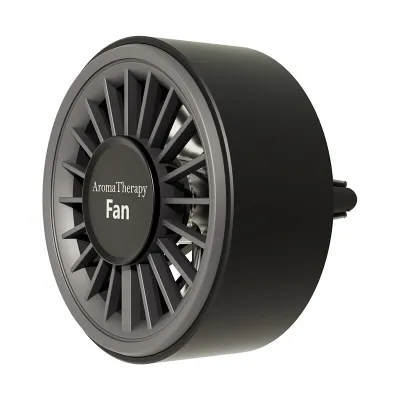
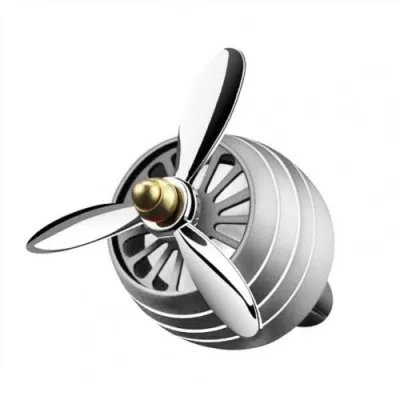
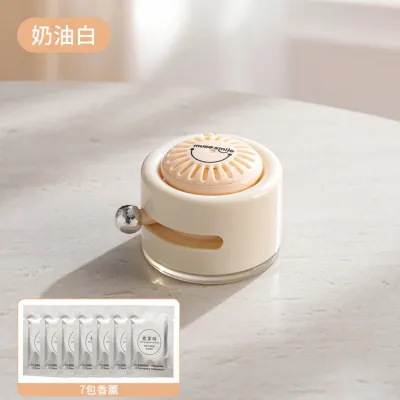
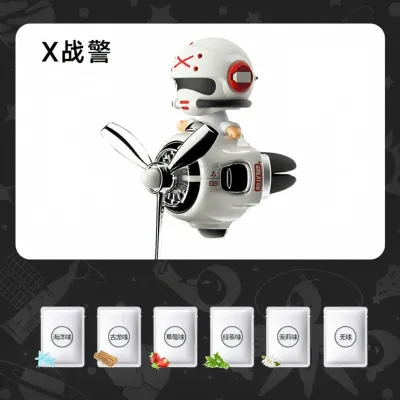
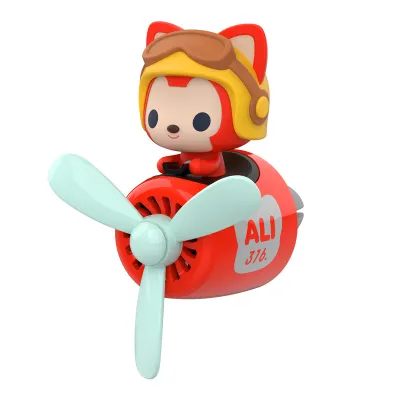

Prices are valid at publication and may change. Please refer to the product page for the latest price.
Furthermore, Singapore’s high relative humidity, which regularly exceeds 80%, alters how we perceive scents. Moisture-laden air can make heavy, sweet, or synthetic fragrances feel cloying and oppressive inside a warm cabin. Conversely, lighter citrus or herbal notes can be easily masked by the damp smell of air conditioning condensation. An active fan helps break up this heavy air, but if the fragrance medium evaporates too quickly, the fan will simply circulate hot, unscented air.
Beyond scent degradation, the physical hardware of an air freshener fan faces intense thermal stress. Cheap plastics used in low-end devices are prone to warping, cracking, or off-gassing harmful chemical fumes when exposed to continuous UV radiation and high temperatures. The small electric motors inside these fans can suffer from premature bearing failure as lubricants dry up. Additionally, standard adhesive pads used to mount these devices to the dashboard often liquefy or lose their grip, leaving a sticky, difficult-to-clean residue on your trim.
Liquid fragrance mediums present their own risks under extreme heat. As temperatures rise, the air inside a liquid perfume bottle expands, increasing internal pressure. This pressure can force the liquid to leak through seals or wick too quickly. If highly concentrated fragrance oils spill onto plastic dashboard panels or leather upholstery, they can cause permanent bubbling, peeling, or discoloration.
What to Look for in a Heat-Resistant Air Freshener Fan
To ensure safety and longevity in a tropical climate, you must evaluate specific hardware features before purchasing an air freshener fan. The most critical decision point is the power source. You should generally avoid devices powered by built-in rechargeable lithium-ion batteries. Leaving a lithium-battery-powered device on a sun-baked dashboard poses a genuine risk of thermal runaway, battery swelling, or even fire.

Instead, look for these safer power configurations:
- Direct USB Power: These models only run when your car is turned on and supplying power through the USB port or 12V accessory adapter. This completely eliminates the risk of an unattended battery overheating in a parked car.
- Solar-Powered Direct Drive: These units use a small solar panel to power the motor directly without storing energy. The fan spins only when exposed to sunlight and stops when shaded, meaning there is no battery to overheat or degrade.
- Supercapacitor Power: If you want a device that stores a small amount of energy to smooth out power delivery without the safety hazards of lithium, look for models utilizing high-temperature-resistant supercapacitors.
Next, consider the fragrance medium compatibility. Avoid open liquid wells or soft gel cups that can easily liquefy, spill, or evaporate too quickly. Instead, prioritize fans designed to use enclosed ceramic tablets, compressed wood rings, or solid polymer cartridges. These solid mediums are highly heat-resistant, will not leak if the device tipped over, and release their scent at a more controlled, stable rate even when exposed to high cabin temperatures.
Finally, examine the mounting mechanism. Because standard double-sided adhesives fail under direct tropical sunlight, look for fans that mount via sturdy air vent clips or CD-slot mounts. Vent-mounted fans are particularly effective because they sit directly in the path of your car’s air conditioning system. This placement keeps the device cool during operation and allows the cool AC breeze to assist the fan in dispersing the fragrance throughout the cabin.
Safe Placement and Maintenance in a Parked Car
Proper installation of an active air freshener fan is essential for both driving safety and device longevity. When choosing a mounting location, you must strictly avoid placing the device on or near passenger airbag deployment zones. Refer to your vehicle’s owner’s manual to identify these safety boundaries. A heavy or rigid plastic device sitting on an airbag cover can become a dangerous projectile if the system deploys.
Additionally, ensure the device does not obstruct your forward field of vision or block critical windshield view angles. While dashboard-mounted solar fans are popular, placing them directly at the base of the windshield exposes them to the absolute highest thermal and UV concentrations in the vehicle. If you do use a dashboard-mounted model, place it as far back from the glass as possible while still allowing light to reach the solar panel.
Developing simple operational habits can protect your device and your car’s interior from heat damage:
- Use a Reflective Sunshade: When parking outdoors in direct sunlight, always place a high-quality reflective sunshade over your front windshield. This simple step can lower dashboard temperatures by dozens of degrees, protecting both your air freshener fan and your dashboard materials from UV degradation.
- Unplug USB Cables: If your fan is USB-powered, unplug it when parking for extended periods, especially if your vehicle's USB ports remain powered when the ignition is turned off.
- Perform Weekly Inspections: Take a moment once a week to inspect the device. Check for any signs of plastic warping, casing separation, unusual motor noises, or adhesive failure. If the fan uses a liquid or gel medium, inspect the surrounding area for any signs of micro-leaks or condensation.
Low-Risk Alternatives for Extreme Heat
If the maintenance requirements and potential safety risks of an electronic air freshener fan do not align with your daily driving habits, several low-risk, passive alternatives can effectively manage cabin odors in Singapore’s climate.
Passive air vent clips are the most common alternative. These devices do not contain motors or batteries; instead, they rely entirely on the airflow from your vehicle’s air conditioning vents to distribute scent. Because they only disperse fragrance when the AC is running, they conserve their scent medium when the car is parked. They are compact, highly affordable, and carry zero risk of electrical failure or thermal runaway.
Another highly resilient option is the under-seat solid diffuser. These are typically plastic tubs containing solid gel, scented clay, or activated charcoal bags designed to sit completely out of direct sunlight. By placing the scent medium under the front passenger or driver seat, you protect it from intense UV radiation and extreme dashboard heat. This placement results in a much slower, more stable scent release that can last for months, though it lacks the immediate, high-intensity scent throw of an active fan.
For drivers who frequently park outdoors in unsheltered lots, these passive options are often the most practical choice. They deliver consistent, moderate fragrance without requiring regular safety inspections, power cables, or the risk of heat-induced mechanical failure.
Frequently Asked Questions (FAQ)
Do solar-powered air freshener fans work in covered car parks?
Solar-powered air freshener fans rely on direct solar radiation to generate enough voltage to spin the internal motor. In covered environments, such as HDB multi-storey car parks, basement garages, or commercial shopping mall parking bays, the ambient fluorescent or LED lighting is insufficient to power the device.
In these shaded areas, the fan will stop spinning entirely. However, the device will still function as a basic passive diffuser, allowing scent to drift out naturally through its ventilation grates. Once you drive the vehicle back out into direct daylight, the solar panel will receive enough energy to restart the motor automatically. If you frequently park in covered structures and want continuous active dispersion, a USB-powered model that runs off your car’s electrical system is a more reliable choice.
Community discussion
Share your experience or ask a question. Comments are reviewed before publication.