
Selecting the right motorcycle helmet in Singapore requires balancing your personal budget with the uncompromising need for safety on busy expressways and urban roads. When looking at the premium lineup of Arai, a brand renowned for its hand-crafted approach to rider protection, the decision-making process shifts from choosing between safety levels to matching specific functional features with your riding style. Whether you are navigating daily stop-and-go traffic in the tropical heat or preparing for weekend touring sessions, understanding how Arai structures its models across different price segments ensures you invest your money where it delivers the greatest practical return. Rather than simply chasing the most expensive model, the key is to evaluate how shell construction, ventilation systems, and interior customization align with your specific budget and riding posture.
Understanding Arai's Design Philosophy and Lineup Structure
Every helmet produced by Arai is built around a singular, foundational design philosophy that prioritizes the management of impact energy through shape. At the heart of this approach is the “R75” shell concept, which dictates that the outer shell must maintain a continuous, smooth curve with a radius of at least 75 millimeters. This specific curvature is designed to minimize sharp edges or protrusions that could catch on the road surface during a slide. By encouraging the helmet to glance off obstacles rather than snagging, the design helps disperse rotational forces before they can reach the rider’s head. This core shape remains consistent across the entire product line, meaning that even the most accessible models share this fundamental protective geometry.
While the external shape remains uniform, the internal composition of the shell evolves as you move up through the price tiers. Standard models typically utilize high-strength composite fibers bonded with proprietary resins, creating a resilient structure that meets strict safety standards. As you transition to higher-end segments, the manufacturing process incorporates more complex, multi-layered fiber laminates and specialized reinforcing belts. These advanced materials allow the shell to be thinner and lighter without sacrificing structural integrity, reducing physical fatigue during long hours in the saddle.
Products mentioned in this guide
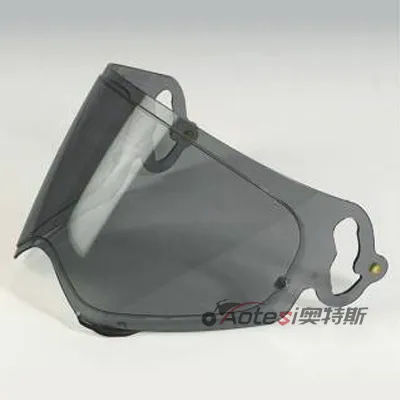
Prices are valid at publication and may change. Please refer to the product page for the latest price.
It is critical for riders in Singapore to understand that safety certifications are not determined by the price tag of the helmet. Standard certifications such as ECE, JIS, or DOT, along with local regulatory approvals required for road legality, must be verified directly on the physical product labels and packaging. A premium price point does not automatically guarantee compliance with local road standards, nor does an entry-level model imply substandard protection. Before finalizing any purchase, you must inspect the helmet for the appropriate physical certification stickers to ensure it is fully approved for use on public roads.
Defining Your Budget Priorities and Trade-Offs
When planning your helmet purchase, establishing clear priorities helps prevent overspending on features you may not actually need. The absolute non-negotiable factors in your decision must always be a proper physical fit, valid safety certification labels, and suitability for your specific riding discipline. A helmet that does not fit your head shape correctly cannot protect you effectively, regardless of how much it costs or how advanced its materials are. If a particular model pinches your forehead or leaves large gaps around your cheeks, it is the wrong helmet for you, even if it fits perfectly within your target budget.

The features that typically scale with an increased budget include ventilation complexity, interior material quality, overall weight reduction, and noise insulation. In Singapore’s hot and humid climate, ventilation is often a primary concern for riders. Higher-tier models feature more intricate ducting systems, adjustable intake vents, and exhaust ports designed to pull hot air away from the scalp. Additionally, premium interiors utilize moisture-wicking, antimicrobial fabrics that dry quickly and resist odor buildup over time. While these features significantly enhance comfort during long rides, they also represent the primary areas where cost increases.
If your budget is highly constrained, it is always wiser to delay your purchase or save for a longer period rather than settling for an ill-fitting or uncertified helmet. Compromising on fit to save money can lead to severe discomfort, distraction while riding, and compromised safety in an accident. Treat the helmet as a long-term investment in your personal safety, and allocate your budget to ensure that the fundamental requirements of fit and certification are met before considering aesthetic upgrades or advanced aerodynamic features.
Evaluating Arai Models Across Budget Tiers
To make an informed decision, it is helpful to categorize the lineup into distinct segments based on their intended use and design complexity. This allows you to compare the practical benefits of each tier and determine where your money is best spent.
Entry-Level and Everyday Commuting
For daily commuting through Singapore’s urban centers, entry-level models focus on delivering essential protection and straightforward functionality. These helmets are designed primarily for upright riding postures, making them ideal for scooter riders, small-displacement commuters, and those who spend most of their time in stop-and-go traffic. The ventilation systems in this tier are typically simpler, featuring basic open-and-close sliders that provide adequate airflow at moderate city speeds. The interior fabrics are durable and comfortable for short to medium trips, though they may lack the advanced moisture-wicking properties found in more expensive models.
When evaluating options in this category, it is important to check for practical everyday features such as readiness for anti-fog lens inserts. Singapore’s sudden tropical downpours can cause rapid visor fogging due to humidity changes, making an anti-fog insert a crucial safety accessory. You should also inspect the standard visor mechanism to ensure it operates smoothly and allows for quick, tool-free shield changes. While these models may carry slightly more physical weight than their premium counterparts due to standard composite constructions, their overall balance should still feel comfortable when sitting in an upright position.
Mid-Range and Sport-Touring
Riders who frequently travel longer distances, such as touring up through Malaysia or spending extended hours on the expressways, will benefit from the incremental upgrades found in the mid-range segment. In this tier, you will find improvements in overall shell weight and the integration of multi-density EPS liners that are finely tuned to manage impacts across different areas of the head. The ventilation systems become more sophisticated, incorporating aerodynamic cowlings and exhaust ducts that utilize low-pressure zones to actively pull warm, humid air out of the helmet even at lower speeds.
Fit verification becomes even more critical in this segment, especially if your motorcycle requires a moderate forward lean. The aerodynamics of mid-range sport-touring helmets are optimized to reduce drag and lift when the rider is slightly tucked, which helps minimize neck strain over long distances. Furthermore, these models often introduce customizable interior padding, including peel-away temple and cheek pads that allow you to fine-tune the fit to your specific facial structure. Removable and washable interior liners also become standard, making it much easier to maintain hygiene after sweaty rides.
Premium and Track-Focused Performance
At the top of the lineup are the premium, track-focused models designed for high-speed stability, maximum airflow, and professional racing environments. These helmets utilize highly specialized shell constructions, incorporating proprietary synthetic fibers that offer exceptional tensile strength and impact resistance while keeping weight to an absolute minimum. They also feature advanced safety elements such as emergency release cheek pads, which allow medical personnel to remove the helmet easily in the event of an accident without putting unnecessary strain on the rider’s neck.
However, it is important to exercise caution before purchasing a track-oriented helmet for everyday street use. These models are engineered for aggressive, fully tucked riding postures, meaning their ventilation systems and aerodynamic profiles may not function optimally when riding upright at typical city speeds. Additionally, the massive airflow design often results in significantly higher wind noise levels, which can be fatiguing during daily commutes. You must also verify if the premium model requires specific aftermarket accessories, such as specialized visors or tear-off posts, to reach its full performance potential, as these can add to the overall cost.
Verifying Authenticity and Calculating Total Costs
Because premium helmets represent a significant financial investment, ensuring the authenticity of your purchase is paramount. Counterfeit helmets are a serious safety hazard, as they lack the structural integrity and certified energy-absorption capabilities of genuine products. When inspecting a helmet, look for physical indicators of authenticity such as high-quality holographic decals, precise and even stitching on the chin strap and interior lining, and clearly printed safety certification labels. Genuine helmets will also feature clean, crisp branding graphics without any alignment errors or bleeding colors.
When calculating your total budget, remember to look beyond the initial retail price of the helmet itself. If you are purchasing from international online marketplaces, you must factor in shipping fees, local import taxes, and potential handling charges that can quickly inflate the final cost. Additionally, consider the price of essential accessories that may not be included in the box, such as tinted or photochromic visors, anti-fog inserts, or communication system mounts. Factoring these extra costs into your initial budget in S$ prevents unexpected financial strain at checkout.
Finally, always confirm the retailer’s return and exchange policy before finalizing your purchase, particularly regarding sizing. Because a correct fit is essential for safety, you must have a reliable way to exchange the helmet if it does not match your head shape upon arrival. Many reputable local shops offer professional fitting services, which can save you the hassle and expense of shipping a helmet back and forth. Whenever possible, purchasing from an authorized local distributor ensures you receive a genuine product, a valid warranty, and access to proper fitting assistance.
Frequently Asked Questions (FAQ)
Is it safe to buy a used Arai helmet to save money?
Buying a used helmet is generally not recommended due to the hidden risks associated with the internal protective materials. The expanded polystyrene (EPS) liner inside a helmet is designed to compress and absorb impact energy during a crash, a process that permanently deforms the material. This damage is often completely invisible from the outside, meaning a helmet that looks pristine could have its protective capabilities severely compromised. Unless you can definitively verify the complete history of the helmet and confirm it is well within its manufacturer-recommended lifespan, your budget is far better spent on a brand-new, entry-level certified helmet.
Do higher-priced Arai helmets offer better crash protection?
All genuine helmets must meet the same baseline safety certifications to be legally sold and used on public roads, meaning they all provide a high standard of basic protection. The higher price of premium models does not necessarily mean they offer exponentially higher survival rates in a standard impact; rather, the extra cost pays for advanced materials that reduce weight, enhance aerodynamic stability at high speeds, and improve overall rider comfort. A lighter, more comfortable helmet reduces physical fatigue and distraction, which indirectly contributes to safety by keeping you alert. Ultimately, a properly fitted entry-level helmet will protect you far better than an expensive premium model that is too loose or the wrong shape for your head.
Community discussion
Share your experience or ask a question. Comments are reviewed before publication.