
Quick Answer: Which Paint Protection Should You Choose?
Selecting the right paint protection for your vehicle involves balancing your budget, maintenance habits, and long-term expectations. APGO ceramic coating and traditional car wax represent two distinct philosophies in automotive care. While both methods aim to preserve your vehicle’s aesthetic appeal, they differ significantly in their chemical composition, application complexity, and durability.
You should choose APGO ceramic coating if you prioritize long-term paint protection, want to minimize the effort required during routine washes, and are willing to invest in professional surface preparation or higher upfront costs. This method is highly suitable for drivers who park outdoors and want sustained resistance against environmental contaminants.
Conversely, traditional car wax is the ideal choice if you prefer a lower-cost, DIY-friendly option, enjoy hands-on car care as a weekend hobby, and do not mind reapplying the protective layer every few weeks or months. It provides an accessible entry point to paint preservation without requiring specialized equipment or climate-controlled application spaces.
Products mentioned in this guide
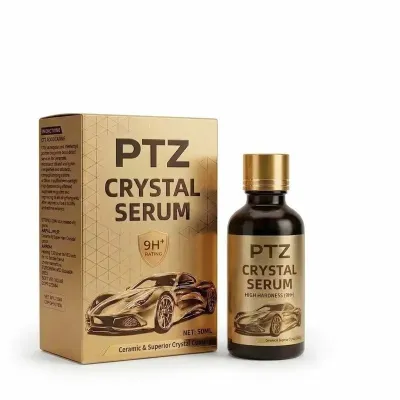
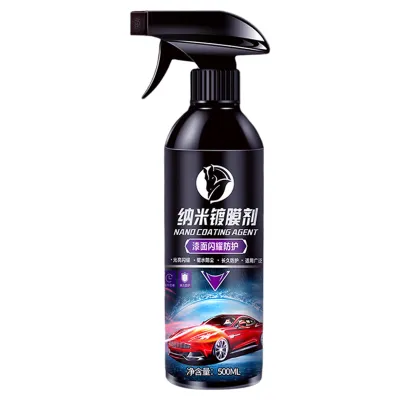
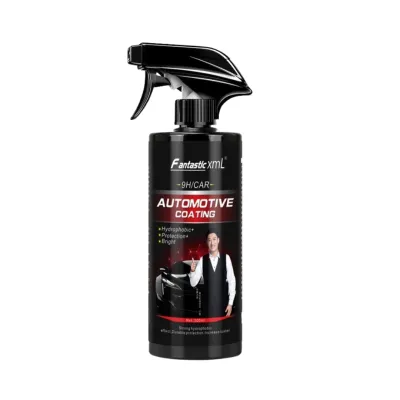
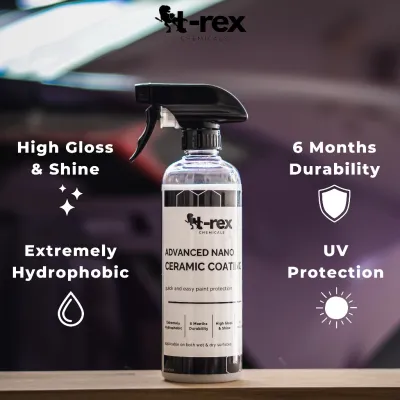
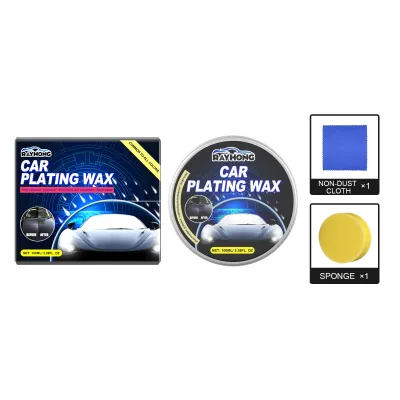
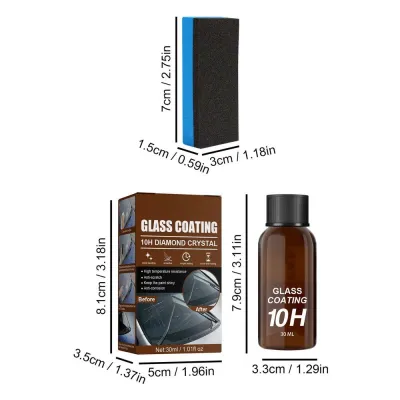
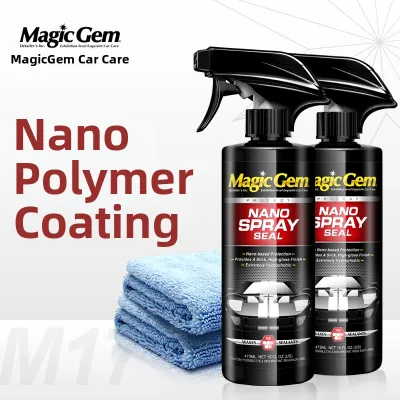
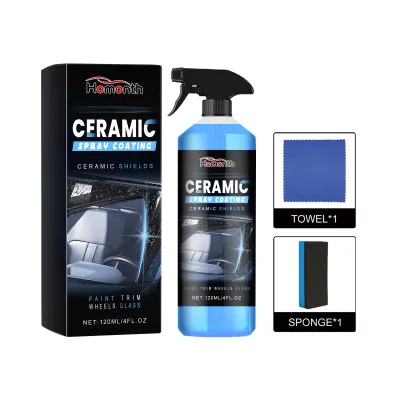
Prices are valid at publication and may change. Please refer to the product page for the latest price.
Ultimately, the actual performance and longevity of either option depend on verifying specific product labels, checking professional installer warranties, and adhering to strict maintenance schedules. Neither solution offers a permanent, maintenance-free shield, meaning regular washing remains essential to preserve the protective qualities of both coatings and waxes.
Understanding APGO Ceramic Coating and Traditional Wax
To make an informed decision, it is essential to understand how these two protection methods interact with your vehicle’s factory clear coat. The clear coat is the outermost layer of paint, designed to protect the color coat underneath from oxidation and light physical damage. Both wax and ceramic coatings serve as sacrificial barriers, but they bond with this clear coat in fundamentally different ways.

Traditional car wax acts as a physical barrier that sits on top of the clear coat. Typically formulated from natural ingredients like carnauba palm wax or synthetic polymers, wax fills in microscopic imperfections in the paint surface to create a smooth, reflective plane. This layer is temporary and gradually degrades when exposed to heat, UV rays, road grime, and alkaline detergents. Its primary function is to provide temporary water beading and enhance the paint’s depth of color.
In contrast, ceramic coatings are liquid polymer solutions, often containing silicon dioxide (SiO2) or titanium dioxide. When applied to the paint, these liquid polymers undergo a chemical reaction to cross-link and chemically bond with the factory clear coat. This bonding process creates a semi-permanent, hydrophobic, and hard protective layer that does not wash off during routine cleaning.
It is a common misconception that applying a ceramic coating or a high-quality wax makes a vehicle completely scratch-proof. Neither method can prevent deep scratches from keys, shopping carts, or heavy physical impacts. Both systems still require proper washing techniques, such as the two-bucket method, and high-quality microfiber materials to prevent inducing swirl marks and micro-marring in the underlying paint during maintenance.
Comparing Protection, Maintenance, and Value
Evaluating the practical differences between APGO ceramic coating and traditional wax requires looking at several key performance dimensions, including durability, maintenance ease, visual finish, and overall cost.
Durability and Longevity
The most prominent distinction between the two methods is how long they remain effective on the vehicle’s surface. Traditional waxes generally last anywhere from three weeks to three months, depending on environmental exposure, parking conditions, and the type of car wash shampoo used. Once the wax degrades, the paint is left unprotected until the next application. Ceramic coatings, including APGO products, are designed for extended lifespans, often measured in years. However, car owners must verify the specific product labels and professional installer warranties to understand the exact longevity claims. Maintaining this durability requires regular maintenance washes using pH-neutral shampoos and periodic ceramic booster sprays to prevent the coating from becoming clogged with road film.
Hydrophobic Properties and Cleaning
Both options offer hydrophobic properties, meaning they repel water, but ceramic coatings exhibit a much higher contact angle for water droplets. This high hydrophobicity causes water to bead tightly and roll off the surface, carrying loose dirt and dust with it—a phenomenon often referred to as the self-cleaning effect. Additionally, ceramic coatings provide stronger chemical resistance against environmental contaminants such as bird droppings, tree sap, acid rain, and industrial fallout. While traditional wax offers some protection against these elements, its organic nature means it can be easily penetrated or dissolved by highly acidic or alkaline substances, leaving the clear coat vulnerable.
Visual Finish
The aesthetic outcome of each method appeals to different personal preferences. Traditional carnauba wax is renowned for producing a deep, warm, and wet-looking glow that enhances the natural curves of the vehicle, making it a favorite for classic cars and show vehicles. Ceramic coatings, on the other hand, deliver a highly reflective, glass-like gloss. This finish is exceptionally bright and sharp, emphasizing the metallic flake in modern paint jobs. The choice here is purely subjective and depends on whether you prefer a warm, organic shine or a cold, glassy reflection.
Cost and Value
When analyzing cost, it is important to look beyond the price of the product bottle. A professional ceramic coating application involves significant upfront costs, largely driven by the labor-intensive paint correction process required beforehand. This initial investment can range from several hundred to over a thousand dollars (S$). However, because the coating lasts for years, the cost per month can be comparable to or even lower than professional waxing over the same period. Traditional wax has a very low entry cost, with DIY bottles and paste tubs being highly affordable. However, wax requires recurring purchases, applicator pads, microfiber towels, and, most importantly, your personal time and labor multiple times a year.
Decision Framework: Matching Protection to Your Lifestyle
To determine which paint protection method fits your daily routine, consider your vehicle’s operating environment, your budget, and how much time you want to spend on car care.
Choose APGO Ceramic Coating if:
- You park your vehicle outdoors, exposing it to intense sunlight, heavy rain, bird droppings, and industrial fallout.
- You want to simplify your weekly washing routine, as dirt and grime release much more easily from a coated surface.
- You have the budget to invest in professional paint correction and certified application to ensure the coating bonds correctly.
- You plan to keep the vehicle for several years and want to maintain its resale value with minimal ongoing paint degradation.
Choose Traditional Wax if:
- You enjoy spending your weekends performing DIY car care and find the process of hand-waxing therapeutic.
- Your vehicle is primarily garaged, protecting it from the harshest environmental elements and extending the life of the wax.
- You drive an older vehicle or a daily commuter where expensive professional paint correction is not financially justifiable.
- You prefer the classic, warm, and deep glow that natural carnauba wax provides over a glassy ceramic finish.
Verify First if:
If you are considering a DIY ceramic coating kit, you must carefully evaluate your working environment and skill level. Unlike simple spray waxes that can be applied and wiped off in direct sunlight, ceramic coatings require strict surface preparation, precise flash times (the window of time the product must sit before being buffed off), and a controlled curing environment. Applying a ceramic coating in high humidity, direct sunlight, or a dusty area can lead to uneven curing, high spots, and permanent hazing that can only be corrected by machine polishing.
Surface Preparation and Application Boundaries
Regardless of which protection method you select, the quality of the final finish is entirely dependent on the preparation work performed before any product touches the paint. Applying any protective layer over a dirty or contaminated surface will lock in those defects, reducing both the visual appeal and the bonding capability of the product.
Both traditional wax and ceramic coatings require a thoroughly clean, chemically decontaminated, and completely dry surface. This preparation process typically involves a detailed hand wash, followed by an iron decontaminator spray to remove embedded metallic particles, and a clay bar treatment to pull out remaining bonded contaminants from the clear coat pores.
For ceramic coatings, paint correction (machine polishing) is an essential step. Because ceramic coatings are highly reflective and semi-permanent, they act as a magnifying glass over the paint. Any existing swirl marks, light scratches, or holograms will be locked beneath the cured coating and will remain visible until the coating is polished off. Machine polishing levels the clear coat, removing these defects and ensuring the liquid polymer can form a direct, uniform chemical bond with the paint.
If you do not have access to a dust-free, climate-controlled environment, or if you lack experience with dual-action polishers, it is highly recommended to consult a professional detailer for ceramic coating application. Improper application can result in “high spots”—areas where excess coating cured without being buffed flat. These spots appear as dark, oily patches and can only be removed through aggressive machine compounding or wet sanding, which risks thinning your vehicle’s factory clear coat.
Before starting any detailing project, always read the specific APGO or wax manufacturer’s safety data sheets and application instructions. Ensure you wear appropriate personal protective equipment, including nitrile gloves and eye protection, and work in a well-ventilated area to avoid inhaling chemical vapors. Always verify that the selected care products are authorized for use on your specific vehicle’s paint type, plastics, and exterior trim to prevent staining or chemical degradation.
Frequently Asked Questions (FAQ)
Can I apply traditional wax over an APGO ceramic coating?
While it is physically possible to apply a traditional paste or liquid wax over a cured ceramic coating, doing so is generally not recommended. The wax layer will sit on top of the ceramic coating, effectively masking its advanced hydrophobic properties and self-cleaning capabilities with the less efficient properties of the wax. Additionally, the wax can clog the microscopic pores of the ceramic coating, attracting more dust and road grime. To maintain and boost the performance of your ceramic coating, use ceramic-specific maintenance sprays or SiO2-infused toppers instead of traditional organic waxes.
Does ceramic coating protect against rock chips and deep scratches?
No, ceramic coatings do not provide sufficient physical impact absorption to protect your vehicle’s paint from rock chips, road debris, or deep scratches. While they offer excellent chemical resistance and help mitigate minor wash-induced swirl marks due to their hardness, they are incredibly thin layers measured in microns. If your primary concern is preventing physical damage from gravel and road debris on high-impact areas like the front bumper, hood, and side mirrors, you should consider installing Paint Protection Film (PPF), which is a much thicker, urethane-based physical barrier.

Community discussion
Share your experience or ask a question. Comments are reviewed before publication.