
Choosing the right LED headlight modification for your car depends on balancing your desired aesthetic with your vehicle’s physical housing compatibility and local road regulations. While angel eyes offer a classic, symmetrical halo look and DRL strips provide a modern, sweeping accent along the housing edges, demon eyes deliver an aggressive, colored glow from deep within the projector lens. To make the right choice, you must evaluate how these styles fit your existing headlight assemblies, understand the installation complexity, and ensure your modifications comply with local transport laws.
Understanding the Visual Impact of Each LED Style
Angel Eyes: Originally popularized by European luxury manufacturers, these circular halo rings wrap around the headlight projectors. They provide a balanced, symmetrical look that enhances the vehicle’s existing lines. This style is often referred to as an “OEM-plus” look because it mimics high-end factory designs while adding a distinct, clean signature to your front fascia.
Demon Eyes: Unlike halo rings that sit on the outside of the projector, demon eyes place the LED light source directly inside the projector lens itself. This creates an intense, backward-glowing effect where the entire glass sphere of the projector illuminates. It gives the vehicle an aggressive, focused expression that is highly visible when the main headlights are turned off, making it a popular choice for custom car shows.
Products mentioned in this guide
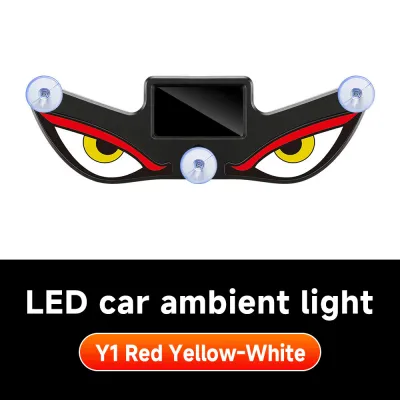
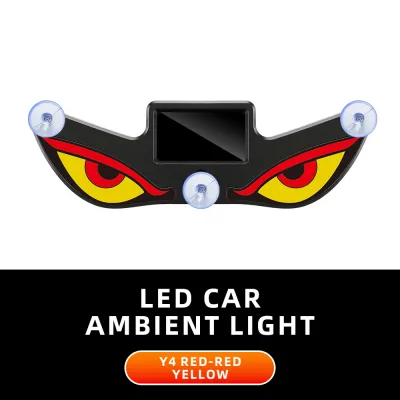
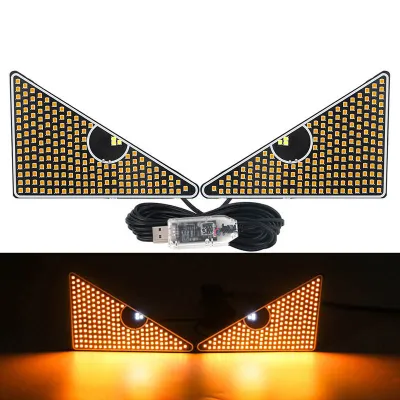
Prices are valid at publication and may change. Please refer to the product page for the latest price.
DRL Strips: Daytime Running Light (DRL) strips are flexible, linear light guides designed to trace the inner contours or outer edges of your headlight housing. They offer a highly modern aesthetic, often featuring advanced functions like sequential or sweeping turn signals that transition from white to amber. Because they can be bent and shaped to match the unique geometry of your headlight assembly, they provide the most customizable layout of the three options.
Assessing Your Headlight Housing Compatibility
Before purchasing any aftermarket LED components, you must inspect your vehicle’s original headlight configuration. The fundamental distinction lies between projector headlights—which feature a spherical glass lens to focus light—and traditional reflector headlights, which use a bulb reflecting off a mirrored bowl. Demon eyes require a projector lens to capture and display the internal glow; installing them in a reflector housing is physically impossible because there is no lens structure to house the internal LED.

Angel eyes can be mounted around projector shrouds, but their installation in reflector housings requires careful measurement. You must check the internal clearance of your headlight assembly to ensure the halo rings do not contact the outer lens or interfere with the movement of adjustable light adjusters. For DRL strips, you need to measure the available flat surfaces along the top, bottom, or sides of the housing to ensure the strip can be securely mounted without blocking the primary light beams.
Additionally, evaluate the physical condition of your existing headlight lenses and factory seals. If your lenses are heavily oxidized, yellowed, or showing signs of micro-cracking, the visual output of your new LEDs will be severely compromised. Opening a headlight assembly that already has compromised seals or structural damage increases the risk of permanent housing failure, meaning you may need to restore or replace the lenses before proceeding with any internal lighting modifications.
Navigating Road Legality and Safety Boundaries
In Singapore, aftermarket lighting modifications are subject to strict regulatory oversight by the Land Transport Authority (LTA). Front-facing lights must project a white or amber light to ensure they do not confuse other road users or mimic emergency vehicles. Installing red, blue, or green lights for on-road driving is strictly prohibited and will result in a failed vehicle inspection at authorized centers like VICOM or STA, alongside potential fines.
If you choose to install color-changing RGB angel eyes or demon eyes, they must be wired with a dedicated controller that allows you to switch them to a compliant white or amber mode while driving on public roads. The colored modes must only be activated in off-road settings, private properties, or car exhibitions. Always verify the default startup color of your lighting controllers to ensure they do not accidentally power on in a non-compliant color when you start your vehicle.
Safety must remain your primary concern when modifying any forward-facing illumination system. Any modification inside the headlight housing must not alter the original beam pattern or block the output of your low and high beams. Misaligned components or excessively bright, unshielded LEDs can create dangerous glare for oncoming drivers, reducing road safety and violating vehicle standards. Always refer to your vehicle’s original documentation and local transport guidelines to verify compliance before making any purchases.
Evaluating Installation Complexity and Costs
Installing internal headlight modifications like angel eyes, demon eyes, or internal DRL strips is a highly complex process that requires opening the sealed headlight housing. This typically involves “baking” the headlight assembly in a controlled oven or using a heavy-duty heat gun to soften the factory butyl sealant. Because this process carries a high risk of melting the plastic housing, damaging internal wiring, or cracking the outer lens, it requires extreme patience and precision.
The electrical integration of these lights also demands careful planning. You must locate appropriate power sources, such as tapping into the accessory fuse in the engine bay fuse box or splicing into the factory parking light wiring. Using dedicated DRL controllers with inline fuses is highly recommended to protect your vehicle’s sensitive electrical system from voltage spikes. Improper wiring can lead to short circuits, flickering lights, or error codes on your dashboard.
Given Singapore’s tropical climate, which features frequent heavy downpours and high humidity, resealing the headlight housing is a critical step. Any microscopic gap in the sealant will allow moisture to enter, leading to condensation that ruins the LED drivers and tarnishes the internal reflectors. If you are uncomfortable with the technical demands of baking headlights or complex electrical splicing, you should stop and consult a qualified professional automotive lighting specialist to perform the installation.
Building Your Custom Lighting Shortlist
To finalize your decision, create a structured checklist that matches your aesthetic goals with your vehicle’s physical and legal constraints. Start by verifying your headlight housing type to eliminate incompatible options, such as ruling out demon eyes if you have reflector headlights. Next, select products that offer compliant white or amber operating modes for daily road use, keeping any custom color features strictly for stationary displays.
Establish a realistic budget that accounts for both the hardware and the installation process. While basic LED strips or halo rings may seem inexpensive, professional installation services in Singapore often require a significant labor budget depending on the complexity of the headlight disassembly and wiring. Factor in these labor costs early to avoid half-finished projects or compromised DIY attempts that could leave your vehicle unroadworthy.
Finally, prioritize purchasing from reputable manufacturers that provide clear product warranties and readily available replacement parts. Because individual LED diodes can occasionally fail or shift in color over time, having access to matching replacement halos or strips ensures you can service your headlights without needing to buy an entirely new kit. Always check the manufacturer’s specifications and installation manuals to confirm compatibility with your specific vehicle model and year before finalizing your purchase.
Frequently Asked Questions (FAQ)
How long do aftermarket LED light eyes typically last?
The operational lifespan of aftermarket LED light eyes depends heavily on the quality of the diodes, the efficiency of their heat dissipation, and the integrity of the headlight seal. High-quality LEDs are designed for long-term operation under optimal conditions, but excessive heat buildup inside a sealed headlight housing can accelerate diode degradation. In Singapore’s hot and humid climate, poor thermal management or moisture ingress will significantly shorten their lifespan, leading to premature flickering, dimmed output, or color shifting that requires opening the housing again to replace the damaged components.
Can I install angel eyes or demon eyes on halogen reflector headlights?
You cannot install demon eyes in halogen reflector headlights because demon eyes rely entirely on the physical structure of a projector lens to create their signature internal glow. For angel eyes, while it is technically possible to mount halo rings inside a reflector housing, doing so presents significant challenges. The open design of a reflector bowl means the halo ring can disrupt the carefully engineered beam pattern of your halogen bulb, scattering light in a way that blinds oncoming traffic. If you have reflector headlights, a safer and more effective alternative is to install external DRL strips or upgrade to a complete aftermarket projector headlight assembly designed specifically for your vehicle model.
Community discussion
Share your experience or ask a question. Comments are reviewed before publication.