
Choosing the right Ambi Pur car fragrance depends on balancing your personal scent preferences with your vehicle’s daily environment, passenger needs, and any existing odors you need to manage. By understanding the distinct scent families—ranging from crisp, neutral fresh profiles to energetic citrus notes and targeted odor-eliminating formulations—you can select a variant that enhances your cabin comfort without overwhelming the senses.
In warm, humid climates like Singapore, cabin temperatures can rise quickly when parked outdoors, which accelerates the evaporation of liquid air fresheners. This makes selecting the appropriate scent profile and understanding how to control its intensity essential for maintaining a pleasant, long-lasting driving environment. Taking the time to match the fragrance to your typical passenger profile and driving habits ensures a comfortable journey for everyone on board.
Understanding the Core Ambi Pur Car Scent Families
To find the ideal fragrance for your vehicle, it helps to break down the Ambi Pur car range into its primary olfactory categories. Each family is formulated to create a distinct atmosphere inside the cabin, appealing to different sensory preferences and practical needs.
Products mentioned in this guide
![[Bundle of 3] Ambi Pur Car Mini Clip Lavender Comfort Car Air Freshener 2.2ml x 2](https://img.lazcdn.com/g/p/3ac62b45dc1e432e1a32d2f250c1ea99.jpg_400x400q80.jpg_.webp)
![[Bundle of 3] Ambi Pur Car Mini Clip Sky Breeze Car Air Freshener 2.2ml x 2](https://img.lazcdn.com/g/p/2c3e11c463c4bfb4c1cd7682db9a33c8.png_400x400q80.png_.webp)
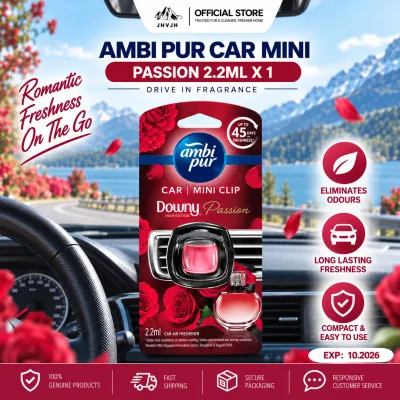
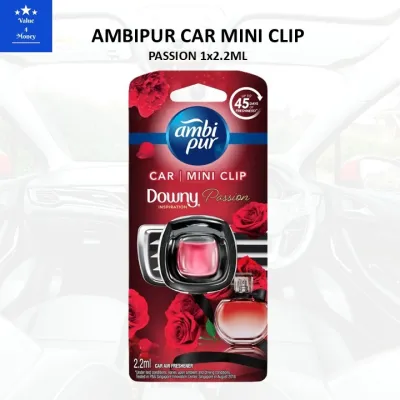
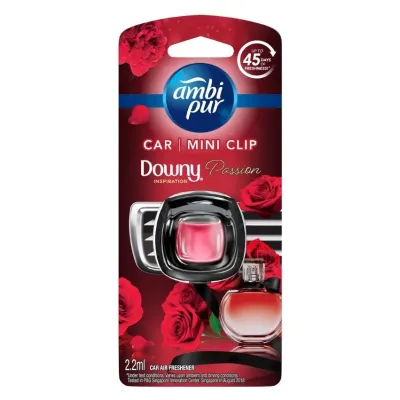
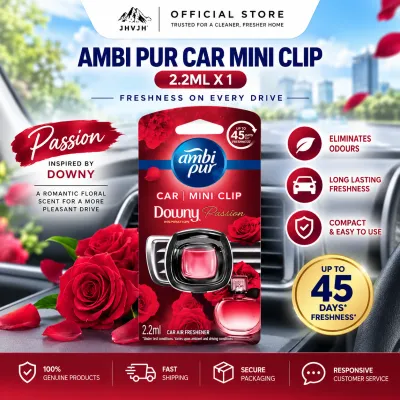
![AMBI PUR Mini Car Freshener (Twin Pack/Single Pack) - [Passion Expiry: 10/26]](https://img.lazcdn.com/g/p/f200488fb38b8d317b6b3a390e827ef4.png_400x400q80.png_.webp)
Prices are valid at publication and may change. Please refer to the product page for the latest price.
Fresh and aquatic profiles, such as clean linen or ocean-inspired scents, offer a crisp and neutral baseline. These fragrances are designed to mimic the smell of freshly washed laundry or a cool sea breeze, making them highly popular for drivers who prefer a subtle, non-intrusive background aroma. Because they lack heavy sweet or floral notes, they are generally perceived as clean and unobtrusive, making them an excellent default choice for almost any vehicle.
Fruity and citrus profiles deliver energetic, sweet, or zesty notes to the cabin. Variants featuring lemon, orange, or mixed berry undertones are highly effective at creating an uplifting and vibrant atmosphere. The sharp, bright characteristics of citrus are particularly useful for cutting through stale air, providing an immediate sense of freshness when you first step into the vehicle.
Floral and woody profiles offer warmer, more traditional, and relaxing scents. Fragrances infused with lavender, jasmine, or soft woody undertones tend to create a cozy, premium feel reminiscent of a spa or a well-appointed home interior. These profiles are often favored by drivers who use their vehicles for long, relaxing commutes and want to establish a calming sanctuary away from busy road traffic.
Odor-eliminating and neutralizing formulations are specifically engineered to tackle organic smells rather than simply masking them with heavy perfumes. Instead of layering a strong fragrance over an unpleasant odor, these products contain active ingredients designed to bind with and neutralize airborne odor molecules. This makes them highly effective for vehicles that frequently transport items or passengers that leave behind persistent, unwanted smells.
Matching Fragrance Profiles to Your Vehicle Environment
Every vehicle serves a different purpose, and the activities that take place inside your car should heavily influence the scent profile you choose. Aligning the fragrance family with your daily driving habits ensures the cabin remains welcoming for all occupants.

For daily commuting and shared rides, opting for subtle, universally accepted fresh scents is highly recommended. If you frequently carry colleagues, clients, or operate ride-hailing services, heavy or overly sweet perfumes can easily become polarizing or cause discomfort. A mild aquatic or clean linen scent provides a professional, neutral environment that appeals to a wide demographic without drawing unnecessary attention.
Family vehicles and those used for pet transport benefit significantly from prioritizing odor-neutralizing technologies over decorative perfumes. Children and pets naturally introduce organic odors, dampness, and food crumbs into the cabin, which can settle into fabric seats and carpets. Using a dedicated odor-eliminating variant helps manage these persistent smells at the molecular level, keeping the air clean rather than heavily perfumed.
Vehicles that frequently carry food or are exposed to smoke residue require robust scent profiles to maintain freshness. Local driving often involves transporting aromatic takeaway meals, which can leave a lingering scent long after the food has been consumed. Selecting a citrus-based fragrance or a specialized smoke-neutralizing variant helps cut through these stubborn, oily food odors, restoring a clean balance to the cabin air.
Drivers and passengers with specific sensitivities should also guide your choice. If anyone who regularly rides in your vehicle is prone to motion sickness, headaches, or olfactory fatigue, it is best to avoid heavy floral or sweet, syrupy fruit scents. In these scenarios, choosing a very light, adjustable fresh profile or utilizing a formulation designed purely for odor elimination with minimal added fragrance is the safest approach to ensure passenger comfort.
Evaluating Scent Intensity, Delivery Formats, and Longevity
Selecting the right scent is only half the equation; understanding how the fragrance is delivered and controlled inside the cabin is equally important for a consistent experience.
Many Ambi Pur car products feature built-in intensity indicators and adjustable manual dials, particularly on their vent clip designs. These dials allow you to physically adjust the size of the opening that exposes the fragrance membrane to the air. By starting at the lowest setting, you can prevent the scent from becoming overwhelming in a small cabin and gradually increase the exposure as the fragrance naturally depletes over time.
Different diffusion methods interact with your vehicle’s heating, ventilation, and air conditioning (HVAC) system in unique ways. Vent clips rely directly on active airflow from your air conditioning vents to distribute the fragrance evenly throughout the cabin. Hanging cards and passive diffusers rely on natural air circulation, making them more subtle but less controllable. Aerosol sprays, on the other hand, offer an instant, highly targeted burst of freshness that is ideal for immediate spot treatment rather than continuous diffusion.
Several environmental factors directly affect how long a car air freshener will last. High cabin temperatures, direct sunlight, and running the air conditioning on high fan speeds will all increase the rate of evaporation. If you regularly park your vehicle in open, unsheltered areas under direct sunlight, the liquid in a vent clip will deplete faster than if the vehicle were parked in a shaded or underground garage. Observing these conditions allows you to adjust your replacement cycle based on actual usage rather than relying solely on generic packaging estimates.
When installing any air freshener, always check the product packaging for specific usage instructions, safety warnings, and surface compatibility. Liquid air fresheners contain concentrated fragrance oils that can be highly corrosive to dashboard plastics, leather upholstery, and electronic components if a leak occurs. Ensure the device is mounted securely in an upright position on a compatible vent blade, and immediately wipe away any accidental spills with a damp cloth to prevent permanent surface damage.
Decision Framework: Choosing Your Ideal Ambi Pur Car Scent
To finalize your choice, consider this straightforward decision framework based on your primary driving needs and cabin conditions:
- Choose Fresh/Aquatic if you want a subtle, clean background scent for daily driving, professional passenger transport, and shared commutes where a neutral, universally accepted atmosphere is preferred.
- Choose Fruity/Citrus if you want an energetic, vibrant cabin feel and need a bright fragrance profile that can quickly cut through mild staleness, dampness, or temporary food odors.
- Choose Odor-Eliminating if your primary goal is resolving persistent organic smells from pets, smoke, or frequent food transport, rather than adding a strong decorative perfume to the cabin.
Before making your purchase, always verify if any regular passengers have respiratory sensitivities that require a fragrance-free or ultra-mild environment. Additionally, inspect your vehicle’s air vents to ensure the physical design of the vent blades is compatible with standard clip-on diffusers, ensuring a secure fit that prevents slippage and potential liquid spills during your drive.
Frequently Asked Questions (FAQ)
Can I mix different Ambi Pur car scents in the same vehicle?
Mixing different fragrance profiles inside the same vehicle is generally not recommended. Combining distinct scent families, such as a sweet berry profile with a warm woody scent, can lead to olfactory clashing, resulting in an unpleasant and confusing cabin environment. Furthermore, using multiple diffusers simultaneously can easily overwhelm the small, enclosed space of a car cabin, leading to sensory overload or headaches for the occupants. To maintain a pleasant atmosphere, it is best to stick to a single fragrance profile at a time, or pair a mild scent with a dedicated, unperfumed odor eliminator if you require extra odor control.
How do I know when it is time to replace my Ambi Pur car freshener?
Rather than relying on a fixed number of days, the best way to determine when to replace your air freshener is through direct observation. For liquid vent clips, you can easily monitor the fluid level through the transparent window on the cartridge; once the liquid has completely evaporated, the unit needs to be replaced. For passive formats like hanging cards, a noticeable loss of fragrance upon entering the vehicle after it has been parked for a while is a clear indicator that the scent has depleted. Adjust your replacement habits based on these visual and sensory cues, keeping in mind that hot weather and high airflow will naturally shorten the lifespan of the product.
Community discussion
Share your experience or ask a question. Comments are reviewed before publication.