
Selecting the right rim protector material for your vehicle is not a one-size-fits-all decision; the most suitable choice depends entirely on whether you prioritize robust impact absorption, premium aesthetics, or lightweight cost-efficiency. Metal rim protectors (typically made of aluminium) offer a highly durable, integrated look but require precise mechanical or adhesive installation. Rubber options provide excellent flexibility and energy absorption for minor curb contacts, while plastic (polymer or nylon) alternatives offer a lightweight, colorful, and cost-effective middle ground. Before purchasing any aftermarket rim protection, you must verify your specific wheel clearance, brake caliper clearance, and vehicle manufacturer warranties to ensure safe fitment and operation.
Core Characteristics of Rim Protector Materials
Understanding the physical properties of each material is essential before evaluating how they perform on the road. Aluminium, often categorized under metal rim protectors, features a rigid structural profile. Because aluminium does not stretch or flex like elastomeric materials, it relies on precise mechanical fastening systems, such as clips that insert between the tire bead and the rim, or specialized high-strength adhesives. A critical consideration for metal protectors is the potential for galvanic corrosion. When two dissimilar metals, such as an aluminium protector and a different alloy wheel, come into contact in the presence of moisture and road salts, electrochemical reactions can degrade the wheel surface. Consequently, high-quality metal protectors require protective coatings or isolating barriers to prevent direct metal-to-metal contact.
Rubber rim protectors offer a stark contrast in material behavior, characterized by high flexibility and high-friction surfaces. These protectors are typically extruded profiles that bond to the outer edge of the wheel rim using heavy-duty double-sided acrylic adhesives. The inherent elasticity of rubber allows it to absorb minor vibrations and low-speed impacts without permanent deformation. However, rubber is highly sensitive to environmental factors. Under sustained heat, high UV exposure, or heavy lateral loads, rubber compounds can soften, stretch, or degrade, potentially weakening the adhesive bond over time.
Products mentioned in this guide
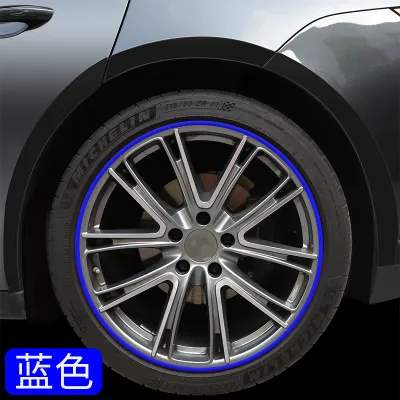
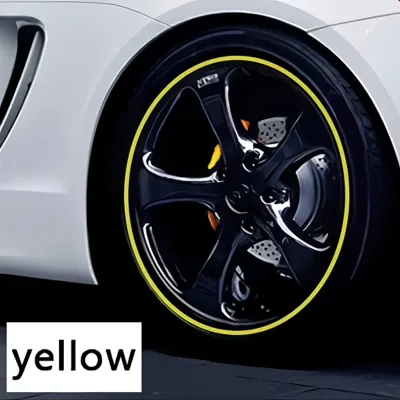
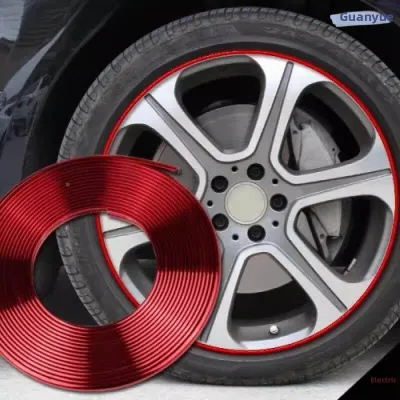
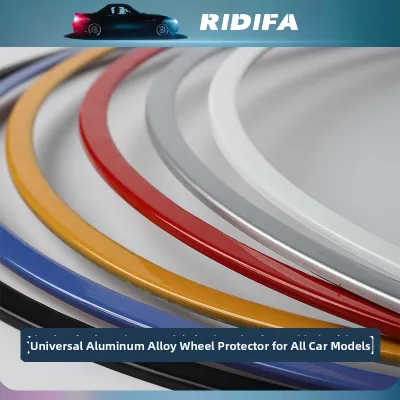
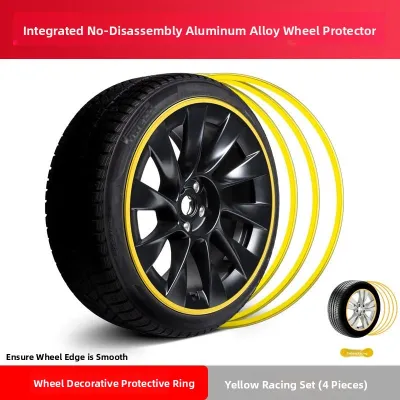
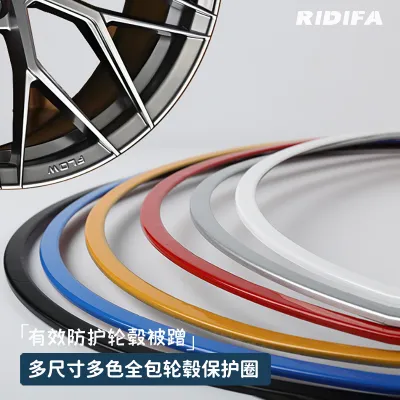
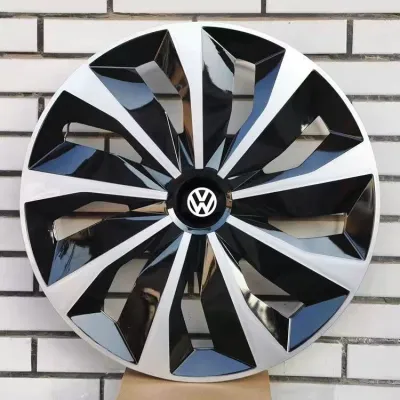
Prices are valid at publication and may change. Please refer to the product page for the latest price.
Plastic rim protectors, usually manufactured from engineered polymers or nylon blends, occupy a middle ground as semi-rigid, lightweight accessories. Nylon is particularly favored for its high tensile strength and resistance to moderate impacts. The performance of plastic protectors varies significantly based on the specific polymer formulation used by the manufacturer. Some blends include UV stabilizers to prevent the material from becoming brittle and cracking under intense sunlight, while lower-grade plastics may degrade rapidly when exposed to heat and automotive chemicals. These protectors are often designed as interlocking segments or continuous rings that snap into place or adhere to the rim edge.
Evaluating Protection, Durability, and Aesthetics
When comparing how these materials defend your wheels against curb rash, their physical response to impact is the primary differentiator. Rigid materials like aluminium and high-density nylon plastic distribute the force of an impact across a wider surface area. This rigidity can prevent a sharp curb edge from reaching the underlying alloy, but a severe impact may bend the metal protector or crack a brittle plastic ring. In contrast, rubber protectors rely on energy absorption. The soft compound compresses under load, cushioning the wheel during low-speed parking maneuvers. To assess real-world defense, you should inspect the manufacturer’s specified material thickness and any documented impact ratings on the product packaging.

Environmental factors play a major role in the long-term durability of rim protectors. In tropical climates like Singapore, constant exposure to intense sunlight, high humidity, and heavy rain can accelerate material degradation. Rubber protectors are prone to drying out, cracking, and fading under prolonged UV exposure, which can also compromise the adhesive backing. Plastic protectors must be verified for UV stability; high-quality nylon blends resist weathering far better than basic plastics. Aluminium excels in temperature tolerance and does not degrade under UV light, but it is highly susceptible to chemical attack. Harsh acid-based wheel cleaners or road salts can strip the protective anodized or painted finish of an aluminium protector, leading to rapid oxidation.
Aesthetics and physical fitment are equally important considerations for vehicle owners. Rubber protectors typically offer a low-profile, utilitarian appearance that blends in with the tire sidewall, making them less noticeable. Aluminium and plastic protectors, however, are often used as styling accents, available in machined metallic finishes or vibrant colors. This visual integration requires careful physical verification. Because metal and semi-rigid plastic protectors have a fixed shape, you must ensure they do not interfere with large brake calipers, suspension struts, or aftermarket wheel designs. Always measure the clearance between the outer rim lip and adjacent chassis components before finalizing your choice.
Installation Requirements and Wheel Safety
The method used to secure a rim protector to your wheel has significant safety and structural implications. Adhesive-mounted protectors, common in rubber and plastic designs, require meticulous surface preparation. Any residual tire shine, brake dust, or road grime will prevent the adhesive from bonding correctly, creating a risk of the protector detaching at high speeds. Mechanical mounting systems, often used for metal rim protectors, may utilize clips that hook over the rim edge or require small fasteners. You must never drill into or modify the structural integrity of an alloy wheel to mount an accessory. Before installing any mechanically fastened protector, consult your wheel manufacturer’s guidelines to ensure the mounting mechanism does not compromise the wheel’s structural warranty or bead seat sealing.
Adding any accessory to the rotating mass of a wheel assembly affects its dynamic balance. Even lightweight plastic or rubber rings can introduce minor weight imbalances if they are not precisely centered or if a portion of the adhesive fails. Metal rim protectors, being heavier, have a more pronounced effect on wheel dynamics. An unbalanced wheel can cause steering wheel vibrations, accelerated tire wear, and increased stress on suspension components. Furthermore, you must verify that the mounting position of the protector does not interfere with internal or external Tire Pressure Monitoring System (TPMS) sensors. Some clip-on designs can press against the valve stem or alter the signal path of wireless sensors, leading to inaccurate pressure readings.
Regular physical inspections are vital to maintaining wheel safety after installation. Over time, road vibrations, thermal expansion, and moisture can weaken the bond of adhesive-backed protectors. You should routinely check for lifting edges, gaps between the protector and the rim, or signs of material cracking in plastic and rubber models. For metal protectors, inspect the fastening points for loosening and look for signs of white powder or bubbling paint, which indicate galvanic corrosion underneath the protector. If you observe any of these warning signs, the protector must be removed immediately to prevent it from detaching while driving or causing irreversible damage to the alloy wheel.
Decision Framework: Matching Material to Your Driving Needs
To select the most suitable rim protector material, you must evaluate your daily driving environment, maintenance habits, and aesthetic preferences. A structured decision framework helps align these factors with the unique characteristics of each material.
Choose aluminium or metal rim protectors if you prioritize a premium, integrated look that matches the machined finish of high-end alloy wheels. This option is highly suited for drivers who are committed to performing regular maintenance inspections. You must be willing to check the fasteners or adhesive bonds frequently and monitor the contact points for any signs of galvanic corrosion, especially after driving in wet conditions.
Choose rubber rim protectors if your primary goal is practical impact absorption against uneven curbs and tight parking spaces. Rubber is highly forgiving during low-speed contacts and is ideal for daily commuters who prefer a subtle, low-profile appearance that blends with the tire. However, you must accept that rubber requires regular cleaning with mild, non-acidic automotive soaps to prevent brake dust staining and environmental discoloration.
Choose plastic rim protectors if you want a lightweight, cost-effective balance between protection and visual customization. Plastic is an excellent choice for drivers who want to add a splash of color to their wheels without the weight penalty of metal. Before purchasing, you must verify that the specific polymer blend is rated for high UV and temperature resistance to withstand the intense local climate without becoming brittle.
Regardless of the material you choose, you must verify compatibility first if your vehicle features active aerodynamics, specialized aftermarket brake setups, or strict manufacturer wheel warranties. Some high-performance vehicles rely on precise airflow around the wheel wells for brake cooling and aerodynamic efficiency, which can be altered by bulky rim accessories. Always review your vehicle’s documentation and consult a qualified professional if you have doubts about aftermarket fitment.
Frequently Asked Questions (FAQ)
Do rim protectors affect wheel balancing or alignment?
While rim protectors do not directly alter your vehicle’s suspension alignment, they can significantly impact dynamic wheel balancing. Adding even a small amount of weight to the outer edge of a rotating wheel changes its mass distribution. This is particularly true for heavier metal rim protectors or plastic rings that may not be precisely concentric. If a wheel is not rebalanced after installation, you may experience steering wheel vibrations, especially at highway speeds. It is highly recommended to have a professional tire shop check and adjust the dynamic balance of your wheels after installing any rigid or heavy rim protection system.
Can I install rim protectors on wheels with existing curb damage?
You should not install adhesive-backed rim protectors over wheels with active, unrepaired curb rash or peeling clear coat. Adhesives require a completely clean, smooth, and structurally sound surface to establish a secure bond. Attempting to adhere a protector over rough, gouged metal or loose paint will result in premature adhesive failure, increasing the risk of the protector detaching at high speeds. Furthermore, trapping moisture, road salt, and dirt underneath a protector on bare, damaged alloy will accelerate corrosion. You must have any structural damage or severe surface gouges professionally repaired and fully cured before applying any rim protection.
How do I safely remove adhesive residue without damaging alloy wheels?
To safely remove old adhesive residue from your alloy wheels, you should use a dedicated, non-acidic adhesive remover or mild heat from a hairdryer to soften the bond. Avoid using metal scrapers, steel wool, or aggressive chemical solvents like acetone, as these can easily scratch the wheel’s clear coat or strip the painted finish. Gently wipe the softened residue away using a clean microfiber cloth. If the adhesive has chemically bonded to the bare alloy due to long-term exposure, or if you notice the wheel’s clear coat lifting during the removal process, stop immediately and consult a professional wheel restoration service to prevent further damage.
Community discussion
Share your experience or ask a question. Comments are reviewed before publication.