
Choosing the right motorcycle riding shoes for urban commuting involves balancing protection, comfort, and style. There is no single brand among Alpinestars, SIDI, and TCX that universally outperforms the others, as each European manufacturer approaches urban footwear with a distinct design philosophy. Your ideal choice depends on your specific foot shape, how far you walk after parking, and how you balance casual aesthetics with verified safety features.
In a bustling city environment where sudden tropical downpours, high humidity, and slick office floors are part of the daily commute, your footwear must perform both on and off the bike. A shoe that excels during a high-speed weekend ride might feel overly stiff and hot when walking through a multi-storey car park or riding public transit. Conversely, a highly flexible shoe might lack the structural support needed to protect your feet in heavy city traffic.
By understanding how these three industry giants design their urban lines, you can decode their specifications to find a pair that fits your daily routine. This comparison evaluates their typical fit profiles, safety certifications, and walkability features to help you make an informed decision.
Products mentioned in this guide
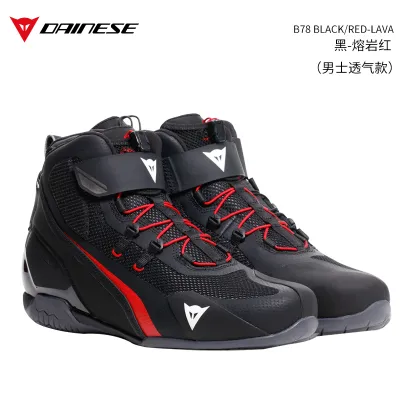
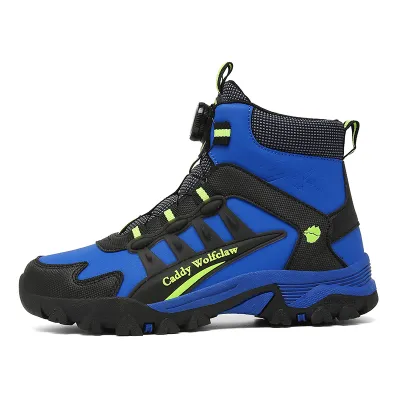
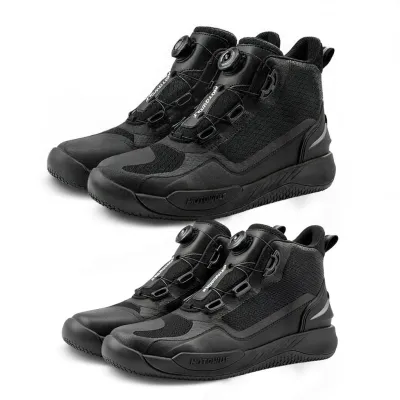
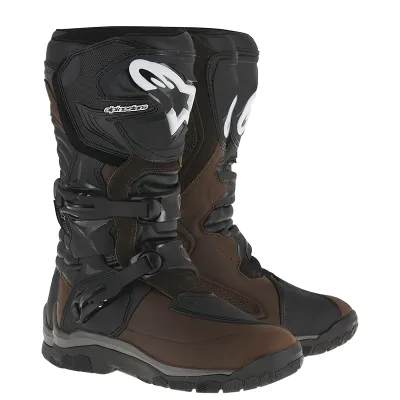
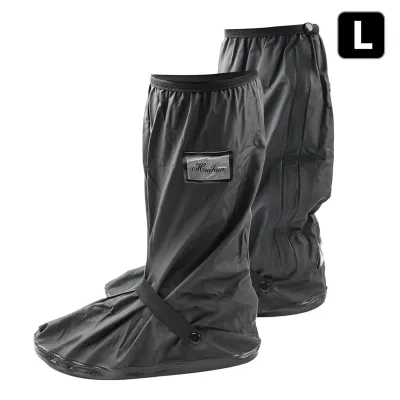
Prices are valid at publication and may change. Please refer to the product page for the latest price.
Understanding Brand Tendencies for Urban Riding Shoes
Alpinestars is widely recognized for blending sporty, race-inspired aesthetics with modern streetwear elements. Their urban riding shoes often appeal to riders who want a dynamic, aggressive look, incorporating bright accents, advanced synthetic materials, and sleek silhouettes.
SIDI remains deeply rooted in its professional racing and track heritage. This background heavily influences their urban lines, which tend to offer a more structured, precise, and protective feel with a firmer chassis and a traditional mechanical aesthetic.
TCX has carved out a distinct reputation by prioritizing all-day comfort, flexible materials, and highly casual styling. They pioneered riding shoes that look indistinguishable from standard high-top sneakers, making them an excellent option for commuters transitioning seamlessly from bike to office.
While these general brand tendencies serve as a helpful starting point, it is crucial to remember that they are generalizations. Each manufacturer offers a diverse lineup of urban footwear, ranging from highly ventilated summer shoes to heavily armored waterproof boots. Always verify the specific materials, intended climate, and safety specifications of an individual model before purchasing.
Comparing Fit and Sizing Across the Three Brands
European motorcycle footwear brands utilize unique lasts—the physical molds around which shoes are built—which directly affects how they fit different foot shapes. Understanding these nuances can prevent discomfort and hot spots during your daily commute.

SIDI shoes are historically characterized by a narrower toe box, lower instep, and highly contoured heel cup. This design provides a secure, performance-oriented fit for narrow to average feet, though riders with wider feet or high arches may find it restrictive.
Alpinestars typically offers a slightly more generous fit than SIDI, though they still lean toward a sporty, contoured European profile. Their urban shoes often feature flexible synthetic uppers that stretch slightly over time, providing a snug midfoot fit with moderate toe room.
TCX is widely regarded as offering the most accommodating and relaxed fit, particularly in their casual lines. Their shoes feature a wider toe box and a neutral instep, making them highly suitable for wider feet or those who prefer a fit similar to standard lifestyle sneakers.
When selecting a size, always consult the manufacturer’s specific size chart, as European sizing (EU) does not always translate linearly to local sizing systems. It is highly recommended to try on riding shoes while wearing the exact socks you plan to use for commuting, whether they are thin moisture-wicking liners or thicker thermal socks. If purchasing from an online marketplace, verify the retailer’s return and exchange policy to ensure you can swap sizes if the initial fit is not correct.
Evaluating Protection Features for City Traffic
Urban commuting exposes riders to unique hazards, including low-speed collisions and oil-slicked intersections. To ensure your footwear provides genuine protection, look past marketing terms and evaluate objective safety standards by checking the CE certification label.
The European standard EN 13634 governs protective footwear for motorcycle riders. This label, typically stitched inside the tongue, displays four numbers representing performance levels (1 or 2) for height, abrasion resistance, impact cut resistance, and transverse rigidity.
Physical reinforcements are critical for preventing injuries during a fall. Look for molded ankle cups made of thermoplastic polyurethane (TPU) to shield the malleolus bones, alongside a reinforced toe box and a stiffened heel counter to protect against crush forces.
Sole torsional stiffness is another vital safety factor. A protective sole must resist twisting along its longitudinal axis to prevent the foot from folding during an impact. If the shoe twists as easily as a standard running shoe, it lacks the internal shank necessary to prevent severe crush injuries.
Finally, look for integrated shift pads on the upper toe area. While these pads protect the shoe’s material from premature wear caused by the gear shifter, they also distribute pressure across the top of your foot, reducing fatigue during stop-and-go city riding. Ensure these pads are securely stitched or molded into the chassis of the shoe for long-term durability.
Assessing Walkability and Daily Commute Comfort
A motorcycle shoe designed for commuting must perform exceptionally well when you are off the bike. Whether you are walking from a multi-storey car park, navigating public transit, or standing at a desk, comfort is just as important as protection. Balancing these two competing requirements requires careful evaluation of the shoe’s sole construction and materials.
The outsole’s tread pattern and rubber compound dictate grip on wet, oily, or painted urban surfaces. Look for slip-resistant rubber outsoles with deep sipes designed to disperse water, ensuring stable footing on slick metal drain covers or smooth concrete parking garage floors.
Closure systems affect both convenience and safety. Traditional laces offer a customizable fit but present a snag hazard; look for shoes with a dedicated lace keeper or pocket. Alternative systems, such as quick-lace pull tabs, side zippers, or micro-adjustable dial systems, offer rapid entry while ensuring a secure fit.
Climate control is critical in humid tropical environments. If your commute involves heavy downpours, look for shoes equipped with a waterproof and breathable membrane like Gore-Tex to keep water out while allowing sweat to escape. For hot seasons, ventilated mesh panels or perforated leather are preferable.
Decision Framework: Which Brand Fits Your Commute?
To choose the right brand for your daily commute, you must evaluate your primary riding conditions, physical requirements, and personal style preferences. Each of these three European manufacturers excels in different scenarios, meaning your decision should align with your specific commuting profile.
Consider Alpinestars if you prioritize a sporty, modern aesthetic and want a shoe that blends street-level protection with a dynamic look. Their designs are highly suited for riders who commute on sportbikes or naked motorcycles and prefer a snug, secure fit that maintains excellent tactile feedback on the bike’s controls.
Opt for SIDI if your commute involves higher-speed arterial roads or expressways where maximum structural protection is paramount. Their stiffer, more structured designs offer exceptional ankle support and torsional rigidity, making them ideal for riders who do not mind a slightly longer break-in period in exchange for a highly secure, performance-oriented feel.
Choose TCX if your daily routine involves a significant amount of walking, standing, or transitioning directly into professional or casual environments. Their emphasis on flexible soles, wider fit profiles, and understated, sneaker-like styling makes them the most practical option for all-day wear without sacrificing essential safety features.
Before making a final purchase, verify if you have specific orthopedic needs that require aftermarket insoles, as some structured shoes have non-removable footbeds. Additionally, confirm the exact CE ratings and waterproof specifications of your chosen model to ensure they match the typical weather patterns and road conditions of your local commute. Investing in the correct pair of riding shoes will ensure your feet remain protected, dry, and comfortable throughout the year.
Frequently Asked Questions (FAQ)
Can I use regular sneakers instead of dedicated motorcycle riding shoes?
Regular sneakers do not provide the necessary protection required for motorcycle riding, even during short urban commutes. Standard athletic shoes lack the abrasion-resistant materials, molded ankle protectors, and reinforced toe boxes needed to shield your feet during a slide or impact. Furthermore, regular sneakers offer virtually no torsional rigidity, leaving your feet vulnerable to severe crush injuries if trapped under the motorcycle. Dedicated riding shoes are specifically engineered to resist these forces while providing secure grip on oily roads and protecting against hot engine components.
How should I clean and maintain my leather or textile riding shoes?
To maintain the safety integrity and prolong the lifespan of your riding shoes, always consult the manufacturer’s care label for specific instructions. For leather shoes, regularly brush off road grime and dirt with a soft brush, then apply a dedicated leather cleaner and conditioner to prevent cracking. For textile or mesh shoes, wipe them down with a damp cloth and mild soap, avoiding harsh chemical solvents that can degrade synthetic fibers or adhesives. Always allow your shoes to air-dry naturally in a well-ventilated area away from direct heat sources like radiators or sunlight, which can warp the protective inserts and dry out the leather.
Community discussion
Share your experience or ask a question. Comments are reviewed before publication.