
When shopping for an Alpinestars riding jacket, the array of acronyms and ratings on the safety labels can be confusing. You might see “CE Level 1” on an elbow guard, “CE Level 2” on a back protector, and “Class AA” on the jacket’s main tag. These ratings are not interchangeable; they measure completely different aspects of your safety gear. Understanding how these standards work is essential for selecting a jacket that matches your riding style, local climate, and safety expectations.
The Core Difference: Impact Protectors vs. Garment Abrasion
To decode these ratings, you must first separate the impact protectors (the armor inserts) from the garment itself (the fabric, leather, and seams). The CE markings on an Alpinestars jacket represent two distinct European safety standards. The armor inserts are tested under the EN 1621 standard, which measures how much impact force is transmitted through the protector to your body. Conversely, the entire jacket is certified under the EN 17092 standard, which evaluates the structural integrity, seam strength, and abrasion resistance of the fabric or leather during a slide.
Because of this division, a single Alpinestars jacket will often display multiple CE marks. For example, a lightweight summer mesh jacket might achieve an overall garment rating of Class A for abrasion resistance, but it may contain Level 2 armor at the shoulders and elbows for high-performance impact protection.
Products mentioned in this guide
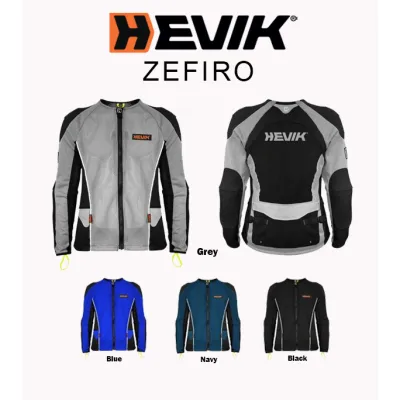
Prices are valid at publication and may change. Please refer to the product page for the latest price.
To find these ratings, look for the physical booklet or white fabric tags stitched inside the jacket’s inner lining, usually near the hip or inside the internal pocket. These tags feature a pictogram of a motorcyclist alongside the specific standard number and rating class. Never rely solely on external product descriptions, as specifications can vary by region and production batch.
Decoding Impact Protector Ratings: Level 1 vs. Level 2
Impact protectors are rated as either CE Level 1 or CE Level 2 under the EN 1621 standard. The primary difference lies in the amount of force the armor allows to pass through to your body during a standardized drop test.

CE Level 1 armor is the standard baseline for motorcycle protection. It is designed to limit the transmitted force to a maximum of 35 kilonewtons (kN) for joint protectors. This level of protection is highly flexible, lightweight, and comfortable, making it an excellent choice for daily urban commuting and casual street riding where speeds are generally lower.
CE Level 2 armor offers significantly higher impact absorption, limiting the transmitted force to a maximum of 20 kN. Because it absorbs more energy, Level 2 armor is typically thicker and denser. It is highly recommended for high-speed highway touring, aggressive canyon riding, or track use where the risk of high-energy impacts is much greater.
When purchasing an Alpinestars jacket, note that the manufacturer frequently includes Level 1 or Level 2 armor in the high-impact shoulder and elbow zones, while leaving the chest and back pockets empty or fitted with basic shipping foam. Upgrading these areas with dedicated CE-rated back and chest inserts is a highly recommended step to ensure complete torso protection.
Understanding Garment Certification: Class AAA, AA, and A
While armor protects your bones from impact, the overall garment certification (EN 17092) determines how well the jacket protects your skin and seams from tearing apart during a slide. This standard classifies jackets into five categories, with AAA, AA, and A being the primary classes for street use.
Class AAA represents the highest level of protection against abrasion and tearing. These garments are typically constructed from heavy-duty leather or advanced technical textiles. Because they are built to withstand high-speed slides on asphalt, they are heavier, stiffer, and less ventilated, making them the standard choice for track racing and high-speed sport riding.
Class AA is the middle-tier standard, offering a balanced compromise between robust protection and everyday comfort. Most premium Alpinestars textile and touring jackets fall into this category. They provide sufficient abrasion resistance for highway speeds while remaining flexible and breathable enough for long-distance travel.
Class A is the lightest standard, designed for low-speed urban riding and hot climates. These jackets prioritize maximum airflow and comfort, often utilizing extensive mesh paneling. While they offer crucial impact protection via their internal armor, their abrasion resistance is lower, meaning they are best suited for city speeds.
When reviewing these classes, keep in mind that the rating applies to the entire construction of the garment, including seam strength and tear resistance in critical zones. Always check the manufacturer’s label to confirm the exact classification of the specific model you are wearing.
Choosing the Right Alpinestars Setup for Your Ride
Selecting the ideal Alpinestars jacket requires balancing your local riding environment with the appropriate safety ratings. For riders navigating the tropical heat and high humidity of Singapore, managing thermal comfort is just as important as impact protection.
For daily urban commuting in heavy traffic, a Class A or Class AA mesh jacket equipped with flexible Level 1 shoulder and elbow armor is highly practical. This setup allows maximum airflow to prevent heat exhaustion while maintaining essential protection for city speeds. If you frequently ride on high-speed expressways, upgrading the elbow and shoulder armor to Level 2 while keeping a highly ventilated Class AA outer shell offers an excellent balance of safety and comfort.
For weekend touring or long-distance rides across borders, step up to a Class AA or Class AAA textile or leather jacket. Pair this with Level 2 armor at the joints and a dedicated Level 2 back protector insert. This configuration ensures your gear can withstand the higher kinetic energy of highway-speed incidents.
If you are heading to the track, compromise is not an option. You will need a full Class AAA leather jacket or a one-piece suit, fully fitted with Level 2 armor at the shoulders, elbows, hips, and knees, alongside certified chest and back protectors. Always inspect the physical CE labels inside the garment before purchasing to verify that the jacket meets your specific riding requirements.
Frequently Asked Questions (FAQ)
Can I upgrade the Level 1 armor in my Alpinestars jacket to Level 2?
Yes, most Alpinestars jackets feature removable armor pockets that allow you to upgrade your impact protectors. Before purchasing replacement Level 2 armor, measure the internal pocket dimensions to ensure the thicker Level 2 inserts fit securely without bunching or shifting. Additionally, verify that the upgraded armor does not restrict your movement or alter the fit of the jacket, as a poorly fitting jacket can compromise the overall safety performance of the garment.
Does a Class AA jacket with Level 2 armor equal a Class AAA jacket?
No, they are not equivalent because they measure different safety elements. A Class AA jacket with Level 2 armor provides superior impact absorption at the joints, but the outer fabric and seams still carry the abrasion limits of the Class AA standard. A Class AAA jacket uses tougher materials and stronger seam construction designed to survive longer, higher-speed slides on asphalt, regardless of the armor level installed inside it.
Are Alpinestars airbag systems factored into the standard CE rating?
No, standard CE garment (EN 17092) and armor (EN 1621) ratings only evaluate passive safety components like fabric, leather, and foam inserts. Active protection systems, such as Alpinestars Tech-Air airbag systems, operate under separate electronic and inflation safety standards. While these airbag systems provide exceptional supplementary impact protection for the shoulders, chest, and back, they are designed to work in tandem with, rather than replace, a properly rated CE jacket.
Community discussion
Share your experience or ask a question. Comments are reviewed before publication.