
Selecting the right pair of Alpinestars motorcycle gloves is a balancing act between environmental protection and tactile control. For riders navigating diverse climates, the choice boils down to two distinct engineering philosophies: sealing out the elements with a waterproof barrier or maximizing airflow through breathable, ventilated materials. Making the wrong choice can lead to sweaty, uncomfortable hands that compromise your grip, or freezing, soaked fingers that slow your reaction times on the brake and clutch levers.
To find the ideal pair, you must evaluate your typical riding environment, local weather patterns, and personal comfort preferences. While Alpinestars utilizes advanced material science across both categories, each design requires you to accept specific trade-offs in thickness, flexibility, and climate suitability. Understanding these differences is essential for maintaining both comfort and safety on every journey.
Understanding the Core Trade-Off: Waterproofing vs Airflow
The fundamental difference between waterproof and breathable motorcycle gloves lies in their physical construction and material composition. Waterproof gloves are engineered as multi-layered defensive shields. They typically feature an outer abrasion-resistant shell, a middle waterproof and breathable membrane (such as Alpinestars’ proprietary Drystar membrane or premium Gore-Tex), and an inner comfort liner. These membranes contain billions of microscopic pores that are small enough to block liquid water droplets from entering but large enough to allow sweat vapor to escape. However, because this membrane is a solid physical sheet, it inherently restricts direct airflow, acting as a windproof barrier that traps warm air inside the glove.
Products mentioned in this guide
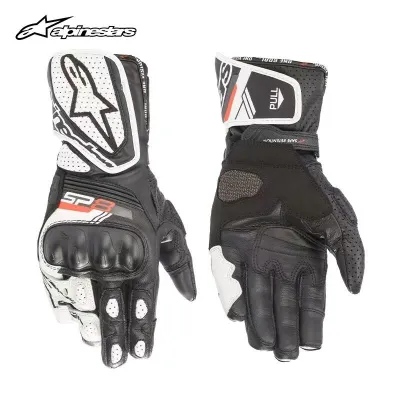
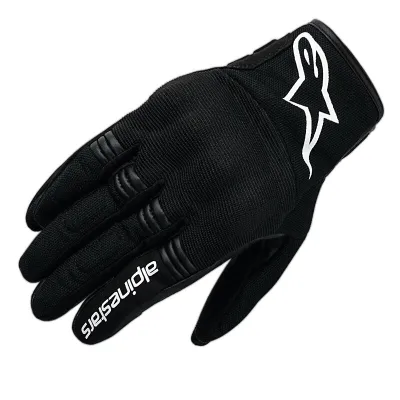
Prices are valid at publication and may change. Please refer to the product page for the latest price.
In contrast, breathable gloves prioritize maximum ventilation through open-chassis designs. Instead of solid membranes, they utilize highly perforated leather panels, 3D mesh fabrics, and elastic textile inserts. This construction allows air to flow directly over your skin, rapidly evaporating sweat and cooling your hands as you ride. The trade-off is immediate: because there is no physical barrier to block water, even a light drizzle will quickly saturate the materials, leaving your hands wet and vulnerable to wind chill.
These structural differences directly impact glove thickness, dexterity, and tactile feedback. Waterproof gloves, with their multi-layer construction, are naturally bulkier. This added thickness can slightly dampen the vibrations from your handlebars and reduce the micro-feel of your controls, requiring a brief adjustment period for your muscle memory. Breathable gloves, being much thinner and often unlined, offer an incredibly direct connection to your motorcycle’s grips, throttle, and levers, which is why sport and track riders heavily favor them.
When to Choose Waterproof Alpinestars Gloves
Waterproof Alpinestars gloves are the definitive choice for riders who prioritize year-round utility, long-distance touring, or daily commuting through unpredictable weather. If your daily routine involves riding to work regardless of the forecast, a reliable waterproof glove ensures you arrive with dry, warm hands. These gloves are also highly beneficial for touring in cooler climates, where wind and rain can quickly cause mild hypothermia in your extremities, stiffening your fingers and dangerously slowing your braking response times.

When shopping for waterproof options, always check the product specifications and labels to understand how the membrane is integrated. Premium models often feature bonded membrane technology, where the waterproof layer is chemically laminated to the outer shell. This design prevents “wet-out”—a scenario where the outer leather or textile becomes waterlogged and heavy, even if your hand remains dry inside. Additionally, verify whether the glove includes a thermal lining; while integrated insulation is excellent for cold winter rides, an uninsulated waterproof glove is far more versatile for wet but warm tropical seasons.
However, choosing waterproof gloves means accepting certain limitations. During sudden temperature spikes, even the most advanced breathable membranes can struggle to expel sweat fast enough, leading to a clammy “sauna effect” inside the glove. Furthermore, the extra material layers require a more deliberate grip on the handlebars, which some riders find fatiguing during long, technical rides.
When to Choose Breathable Alpinestars Gloves
Breathable Alpinestars gloves are designed to keep you cool, dry, and focused when riding in high-heat environments, intense summer sun, or humid tropical climates like Singapore. In these conditions, sweat accumulation is not just an inconvenience; it can cause your hands to slip on the grips and lead to painful chafing. For short urban trips, daily city commuting in heavy traffic, or high-effort track days, maximizing airflow is critical to maintaining physical stamina and precise control over your motorcycle.
When evaluating breathable options, inspect the placement of ventilation zones on the product label and chassis. Look for gloves that feature heavy 3D mesh panels along the back of the hand and fingers, where oncoming wind can easily penetrate. Perforated leather should be strategically placed on the palm and high-impact zones to ensure that cooling airflow does not come at the expense of slide protection. Additionally, check for moisture-wicking inner linings that actively pull sweat away from your skin, accelerating the natural cooling process.
The primary trade-off of a highly breathable glove is its complete lack of weather resistance. A sudden afternoon downpour will instantly soak through the mesh, and at highway speeds, wet hands exposed to rushing air can quickly become cold and numb. Furthermore, because these gloves lack windproof layers, they offer very little thermal protection, making them uncomfortable to wear during early morning rides or in cooler highland areas.
Universal Safety and Fit Features to Verify
Regardless of whether you choose a waterproof or breathable model, safety must remain your primary consideration. Motorcycle gloves are vital personal protective equipment, and you should never sacrifice impact or abrasion protection for comfort. Before making a purchase, verify that the gloves carry official safety certifications, such as the CE EN 13594 standard, which indicates they have been tested for tear strength, seam integrity, and abrasion resistance. Look for robust knuckle protectors made from carbon fiber, hard TPU, or advanced viscoelastic polymers, as well as dedicated sliders on the palm to prevent your hand from catching on the asphalt during a slide.
Modern convenience features should also be verified to ensure the gloves fit seamlessly into your riding routine. Check for touchscreen-compatible material on the index finger and thumb, allowing you to operate navigation systems without removing your gear. A secure wrist closure system, typically featuring a hook-and-loop strap, is also essential; it ensures the glove remains firmly on your hand during an impact.
Finally, achieving the correct fit is paramount for both safety and comfort. To find your size, wrap a soft measuring tape around the widest part of your palm, excluding the thumb, and compare the measurement to the specific Alpinestars sizing chart. Keep in mind that different glove styles have distinct cuts: racing and sport gloves are designed with a snug, pre-curved fit to minimize bunching on the grips, while touring and adventure gloves offer a slightly looser cut to accommodate hand swelling over long hours on the road.
Decision Framework: Matching Gloves to Your Riding Profile
To finalize your decision, match your primary riding habits and environmental conditions to one of the following profiles:
Choose waterproof gloves if your riding profile matches these conditions:
- You are a daily commuter who must ride regardless of rain, wind, or cold weather.
- You frequently embark on long-distance touring trips through changing climates and high-altitude regions.
- Your local climate experiences prolonged wet seasons, and you prioritize staying dry over maximum tactile feedback.
Choose breathable gloves if your riding profile matches these conditions:
- You primarily ride in hot, dry, or highly humid climates where temperatures consistently exceed 28°C.
- Your riding consists of short urban commutes, weekend sport riding, or closed-course track days.
- You prioritize a lightweight feel, maximum dexterity, and direct tactile connection to your motorcycle's controls.
Consider a two-glove rotation if your riding profile matches these conditions:
- You ride year-round in regions with distinct seasonal shifts, such as hot summers and wet, cold winters.
- You commute daily in tropical environments like Singapore, where you face scorching heat on the highway but must be prepared for sudden, heavy monsoon downpours. Keeping a pair of lightweight mesh gloves for dry days and a compact pair of waterproof gloves in your under-seat storage or backpack is the ultimate strategy for total comfort and safety.
Frequently Asked Questions (FAQ)
Can I use waterproof motorcycle gloves in hot weather?
While you can wear waterproof gloves in hot weather, it is generally uncomfortable. In high temperatures and humidity, the physical membrane limits the rate at which sweat vapor can escape, leading to damp, sweaty hands inside the glove. If you must ride in hot, wet conditions, look for lightweight, uninsulated waterproof gloves with bonded membranes to minimize heat retention while keeping external water out.
How should I clean and maintain the waterproof membrane?
To preserve the integrity of a waterproof membrane, always follow the manufacturer’s specific care label. Generally, you should hand wash the gloves in cool water using a mild, technical fabric cleaner. Avoid harsh detergents, bleach, or fabric softeners, as these chemicals can clog or damage the microscopic pores of the membrane. Never wring out the gloves; instead, gently press out excess water and allow them to air dry naturally away from direct sunlight or heating elements.
Community discussion
Share your experience or ask a question. Comments are reviewed before publication.