
Selecting the ideal car phone holder requires evaluating your vehicle’s interior layout, your driving habits, and local safety regulations. In Singapore, where tropical temperatures can rapidly overheat devices and strict traffic laws govern driver distraction, your choice of mount directly impacts both device longevity and road safety. Air vent mounts keep your phone cool by positioning it in the path of your air conditioning, but they require sturdy, compatible vent slats. Dashboard mounts offer a stable, eye-level viewing angle but can leave permanent adhesive residue or struggle to grip textured surfaces. Windshield mounts provide excellent visibility and flexible positioning, yet they risk blocking your view of the road and must be positioned carefully to comply with local regulations. By understanding how each mounting style interacts with your car’s specific cabin layout, you can make an informed choice that keeps your phone secure and your drive safe.
Understanding the Three Main Phone Mount Types
Air vent mounts utilize spring-loaded clips, gravity-based clamps, or tightening hooks that attach directly to the individual plastic slats of your vehicle’s heating, ventilation, and air conditioning (HVAC) system. Because they rely on the existing structure of your dashboard, they do not require adhesives or suction cups, making them highly portable and easy to transfer between vehicles.
Dashboard mounts utilize either a heavy-duty suction cup, a semi-permanent adhesive pad, or a weighted friction base to sit securely on top of the dashboard surface. They typically feature an adjustable arm, which can be rigid, telescopic, or flexible, that allows you to position the phone at a comfortable viewing height. These mounts handle road vibrations by distributing the weight of the phone across a wider, flat surface.
Products mentioned in this guide
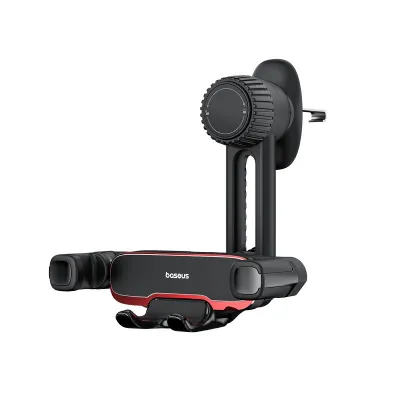
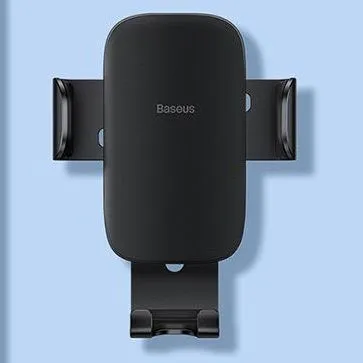
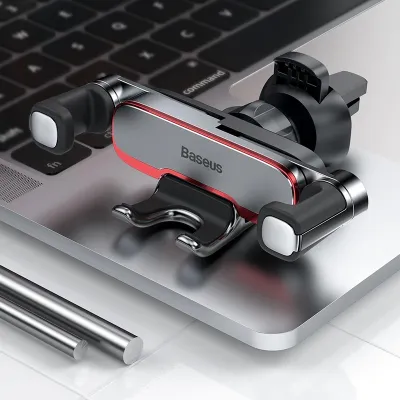
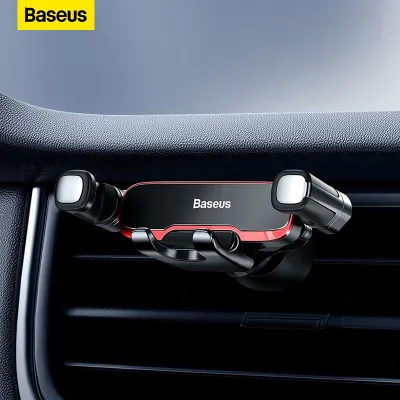
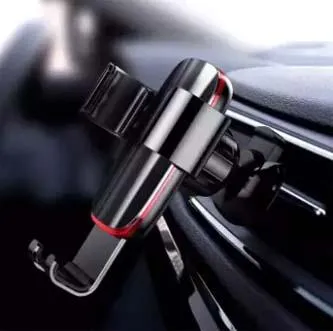
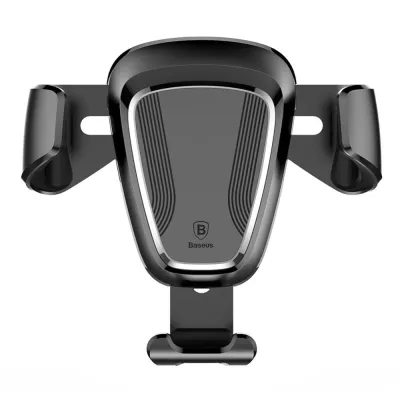
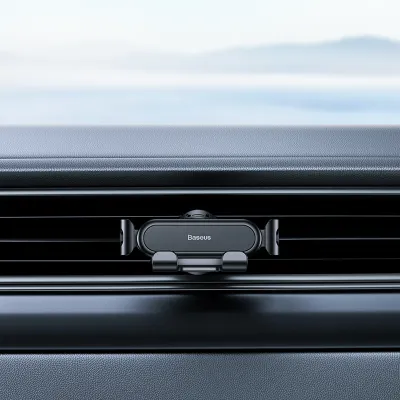
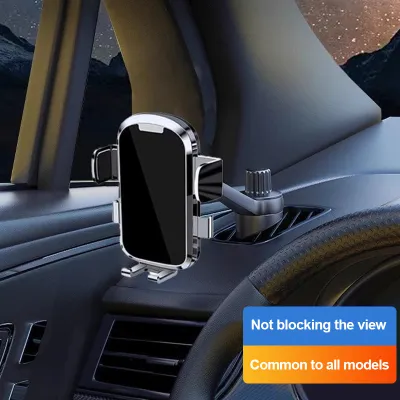
Prices are valid at publication and may change. Please refer to the product page for the latest price.
Windshield mounts rely on industrial-grade suction cups that adhere directly to the interior glass of your front windscreen. They often feature long, adjustable gooseneck arms or telescopic brackets to bring the phone closer to your field of vision, especially in vehicles with deep dashboards. Because glass is a completely non-porous, smooth surface, windshield mounts generally offer a highly reliable seal, provided the glass is clean and free of oils.
Key Comparison Dimensions for Your Driving Needs
The physical stability of your phone while driving depends heavily on the mount’s contact point and arm length. Short, compact mounts like air vent clips experience minimal leverage, meaning they transfer less road vibration to the screen. Conversely, dashboard and windshield mounts with long, extended arms can amplify minor road bumps, causing the phone to shake and making navigation screens difficult to read.

Safe driving requires keeping your eyes on the road. A mount should position your phone within your peripheral vision without physically obstructing your view of traffic, pedestrians, or traffic lights. Windshield mounts can sometimes create dangerous blind spots if placed directly in your forward line of sight, whereas air vent mounts sit lower, keeping the windshield completely clear but requiring you to look slightly further down away from the road.
Singapore’s intense tropical climate means that direct sunlight streaming through the windshield can raise cabin temperatures rapidly, causing mounted phones to overheat, throttle performance, or shut down entirely. Windshield and dashboard mounts expose your device to direct solar radiation, which can degrade battery health over time. Air vent mounts solve this issue by utilizing the vehicle’s air conditioning system to actively cool the phone during operation.
Before purchasing any mount, you must analyze the materials and shapes inside your cabin. Soft-touch plastics, leather-wrapped dashboards, and heavily textured surfaces often prevent suction cups from forming an airtight seal and can be permanently damaged by strong adhesives. Similarly, modern car interiors frequently feature unique, curved, or circular air vents that cannot accommodate standard rectangular vent clips, making compatibility checks essential.
Air Vent Phone Holders: Advantages and Limitations
The primary advantage of a car phone holder air vent mount is its ability to keep your smartphone running at optimal temperatures. Running GPS navigation and charging simultaneously generates significant internal heat; placing the device directly in front of an active AC vent prevents thermal shutdown. Additionally, these mounts keep your dashboard and windshield completely clear of clutter, preserving your vehicle’s clean aesthetic and ensuring an unobstructed view of the road.
Despite their convenience, air vent mounts have distinct limitations. By placing your phone directly in front of the vent, you block a significant portion of the airflow, which can reduce cabin cooling efficiency on hot days. Furthermore, the weight of modern, heavy smartphones puts continuous physical stress on the thin plastic louvers of your vent. Over time, this weight can cause the vent slats to sag, lose their adjustment capability, or even snap if subjected to sudden jolts from potholes or speed bumps.
To determine if your vehicle is suitable for an air vent mount, perform a quick physical inspection. First, check the orientation of your vent blades; standard horizontal, flat slats are the most compatible, while vertical, circular, or deeply recessed vents often require specialized clip designs. Gently wiggle the vent slats with your finger to assess their structural integrity; if they feel loose, brittle, or overly flexible, they may not support the combined weight of a mount and a heavy smartphone. Finally, measure the depth of the vent slats to ensure the mount’s clip or hook mechanism can grasp them securely without bottoming out against the internal ductwork.
Dashboard and Windshield Mounts: When to Choose Alternatives
If your vehicle’s air vents are positioned too low, have fragile circular designs, or are blocked by the steering wheel, a dashboard mount serves as an excellent alternative. These mounts elevate the phone closer to your natural line of sight, reducing the distance your eyes must travel from the road to check navigation. However, you must verify that the dashboard surface is flat and non-porous; textured vinyl or leather dashboards will not hold a suction cup without a specialized adhesive mounting disc, and the adhesive itself can leave stubborn residue or discolor the material over time.
Windshield mounts are highly beneficial for vehicles with deep, sloping dashboards where reaching a vent or dash-mounted phone would require leaning forward. By attaching the mount to the glass, you can position the phone precisely where you need it. However, in Singapore, you must ensure that the mount does not violate local traffic regulations regarding driver visibility. The Land Transport Authority (LTA) mandates that drivers must have a clear, unobstructed view of the road; any mount that significantly blocks your forward vision or side mirrors can be deemed a safety hazard and may result in fines.
Decision Framework: Which Mount Should You Buy?
Choose an air vent mount if you prioritize keeping your phone cool during long drives, prefer an uncluttered dashboard, and your vehicle features sturdy, traditional horizontal vent slats. This option is also ideal if you frequently switch between different cars, such as rental vehicles or car-sharing services, as vent mounts are highly portable and require no permanent installation.
Choose a dashboard mount if your vehicle’s air vents are circular, fragile, or poorly positioned, and you have a flat, hard plastic surface on your dashboard that allows for a secure adhesive or suction connection. This setup is best for drivers who want their phone positioned at eye level without attaching anything to the windshield glass.
Choose a windshield mount if your car has a deep dashboard that places other mounting surfaces out of comfortable reach, and you require maximum adjustability in terms of height and angle. Ensure you position the mount in the lower-right corner of the windshield or near the rearview mirror to minimize any obstruction to your primary driving field of view.
Before finalizing your purchase, consult your vehicle’s owner manual to identify the exact locations of all passenger and driver airbags. Never install a phone mount, cable, or the phone itself within the deployment zone of an airbag, as a deploying airbag can turn these objects into dangerous high-speed projectiles. Additionally, inspect the mounting surface for any manufacturer warnings regarding adhesives or suction cups on delicate interior materials.
Safety, Legal, and Installation Checks
The most critical safety step when installing any car phone holder is avoiding airbag deployment zones. Airbags deploy with immense force from the steering wheel, passenger-side dashboard, side pillars, and roof edges. Review your vehicle’s manual to map out these zones and ensure your mount, phone, and charging cables remain completely clear of these areas to prevent severe injury in the event of a collision.
To comply with road safety standards in Singapore, your phone mount must not impede your direct line of sight. Avoid placing windshield mounts directly in the center of the glass or in any position that blocks your view of the front corners of the vehicle. A good practice is to sit in your normal driving position and verify that the mount only overlaps with the hood of the car or the dashboard from your perspective, leaving the active road surface completely visible.
Proper installation is key to preventing your phone mount from falling off while driving, which can cause dangerous distractions. For dashboard and windshield mounts, thoroughly clean the mounting surface with isopropyl alcohol to remove dust, oils, and interior protectants like silicone sprays. Allow the surface to dry completely before applying the suction cup or adhesive pad, and if using an adhesive mount, let it cure for the manufacturer-recommended time, typically 24 hours, before attaching the weight of your phone.
Frequently Asked Questions (FAQ)
Will an air vent mount break my car's AC louvers?
While most modern air vent mounts are designed with protective rubber paddings to prevent scratches, they can still damage fragile or aged plastic louvers if overloaded. The risk of breakage increases if you use a heavy, large-screen smartphone or if you frequently adjust the mount’s angle while it is clipped on. To prevent damage, choose a mount that features an additional support kickstand or hook that transfers the weight to the surrounding dashboard frame rather than relying solely on the vent blade. If your vehicle’s vent slats feel thin, brittle, or loose, it is safer to opt for a dashboard or windshield mount instead.
Can I use a suction cup mount on a textured dashboard?
Standard suction cups rely on creating a perfect vacuum, which is virtually impossible on textured, porous, or soft-touch dashboard materials because air leaks through the microscopic gaps in the surface. If you attempt to mount a suction cup directly to a textured dash, it will likely fall off repeatedly, especially when exposed to heat or road vibrations. To solve this, you should check if the mount package includes a smooth, adhesive-backed dashboard disc. This disc semi-permanently adheres to the textured surface, providing a perfectly flat, non-porous glass-like platform for the suction cup to grip securely.
Community discussion
Share your experience or ask a question. Comments are reviewed before publication.