
Selecting the right phone mount is more than a matter of convenience; it directly dictates how clean, organized, and safe your car’s interior feels. A cluttered dashboard can quickly become a source of visual stress and physical distraction, especially when cables drape across control knobs or the mount itself blocks your view of the road. Finding a mounting solution that secures your device while preserving the clean lines of your cabin requires evaluating how different designs interact with your vehicle’s layout.
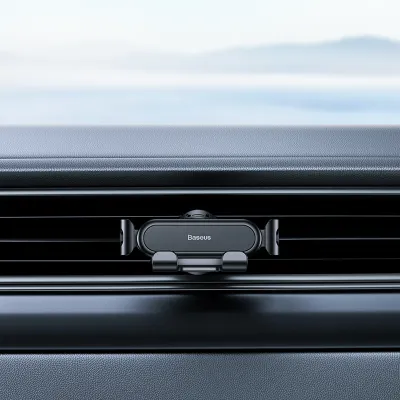
Air vent phone holders generally offer the most minimalist look, keeping your dashboard and windshield completely bare, which makes them the top choice for pure visual organization. By clipping directly to your existing vents, these mounts remain low-profile and hide most of their mounting hardware behind your smartphone. This setup keeps your dashboard surface clean and maintains an unobstructed view through the front windscreen.
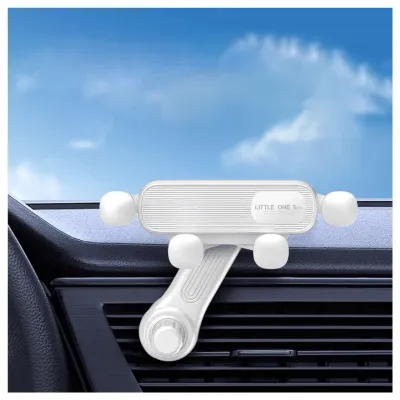
Dashboard mounts are the better alternative if your primary goal is to keep your phone out of the air conditioning airflow while maintaining a fixed, integrated look on the center console. These mounts place the phone in a highly visible, dedicated spot, making them feel like an extension of the car’s original infotainment system. However, they do require a physical footprint on top of the console, which can break up the smooth surface of your dashboard.
Products mentioned in this guide
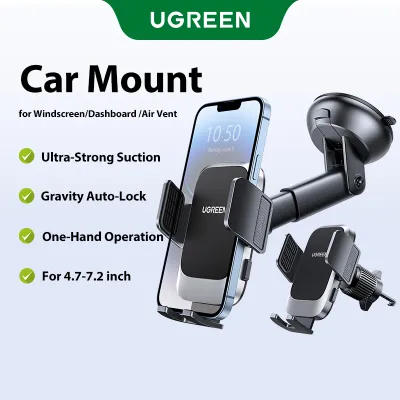

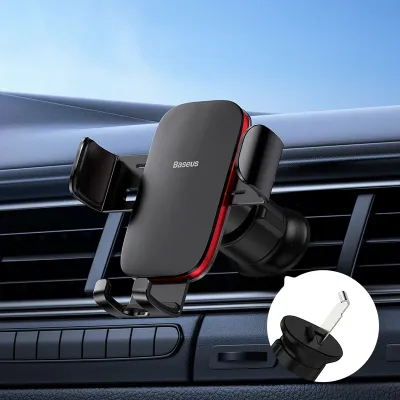
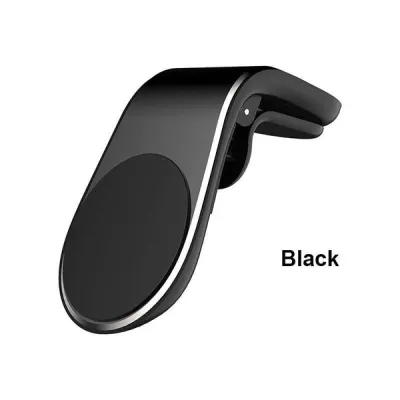

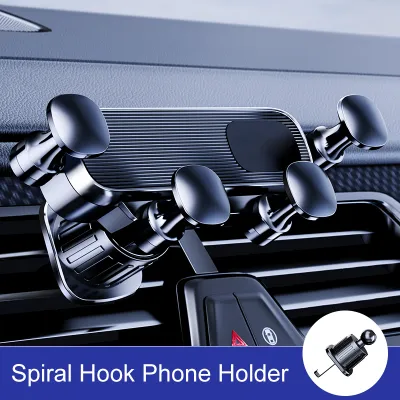
Prices are valid at publication and may change. Please refer to the product page for the latest price.
Windshield mounts keep the physical dashboard surface entirely clear of hardware but introduce significant visual clutter and potential blind spots in your forward sightline. Because they rely on long suction arms attached to the glass, they physically occupy a portion of your windscreen. This setup can distract your eyes and may conflict with local road safety guidelines regarding driver visibility.
Ultimately, the best choice for your vehicle depends on your specific vent design, dashboard texture, and your personal tolerance for visual obstructions. Each mounting style presents a distinct set of trade-offs regarding stability, interior preservation, and aesthetic neatness.
How Each Mounting Style Impacts Car Organisation
Every mounting option alters the physical and visual landscape of your cabin in different ways. Understanding the baseline footprint of each style helps you determine which design aligns with your organization goals.
Air Vent Mounts: The Minimalist Approach
Air vent mounts are designed to clip directly onto the slats of your car’s air conditioning vents. This placement allows the mount to leverage existing cabin structures, eliminating the need for bulky bases, adhesive pads, or long plastic arms. When your phone is mounted, the hardware is almost entirely concealed behind the device, presenting a highly streamlined appearance that blends into the center stack.
While this approach excels at keeping the top of your dashboard completely bare, it introduces physical trade-offs. The mount and phone will inevitably block a portion of the cold air flowing from the vent, which can be a noticeable drawback in hot, tropical climates. Additionally, the weight of modern, heavier smartphones puts continuous physical strain on the delicate plastic blades of your vent, requiring careful adjustment to prevent damage.
Dashboard Mounts: The Fixed Console Look
Dashboard mounts utilize a semi-permanent adhesive base or a heavy-duty suction cup coated with a sticky polyurethane gel to bond directly to the top of your dashboard. This installation method creates a highly stable, dedicated workstation for your phone. Because the mount sits lower than a windshield holder, it integrates more naturally with your car’s instrument cluster and central display, giving the cabin a structured, intentional layout.
However, this permanent placement means the mounting hardware remains highly visible even when your phone is not in use. The base and arm add physical bulk to your dashboard surface, which can collect dust and disrupt the clean, sweeping lines of the interior. Furthermore, the adhesives and sticky gels used to secure these mounts can leave stubborn residue or, worse, permanently discolor or tear soft-touch plastics, vinyl, or leather surfaces upon removal.
Windshield Mounts: The Suspended Option
Windshield mounts attach directly to the interior glass using a high-tension suction cup, suspending the phone in the space between the glass and the dashboard. This configuration keeps both your air vents and the top surface of your dashboard completely untouched. If you prefer to keep your physical console entirely free of accessories and wires, suspending the phone on the glass is a highly effective way to isolate your device from the rest of the cabin.
Despite keeping the dashboard clear, windshield mounts introduce a different kind of clutter. The extending arms, adjustment knobs, and the phone itself sit directly in your peripheral vision, creating a busy visual environment. In many regions, including Singapore, local transport authorities maintain strict regulations regarding any object that obstructs the driver’s forward field of view, meaning a poorly positioned windshield mount could lead to safety compliance issues.
Core Comparison Dimensions for a Tidy and Safe Cabin
To choose a mount that keeps your car organized without sacrificing safety or damaging your vehicle, you must look closely at how these devices perform under real-world driving conditions.

Visual Clutter and Driver Line of Sight
Maintaining a clear, unobstructed view of the road is the most critical safety factor when installing any interior accessory. Windshield mounts pose the highest risk of creating dangerous blind spots. Because they are positioned on the glass, they physically block portions of your forward vision, which can easily hide pedestrians, motorcyclists, or traffic signs, especially when navigating tight corners or busy intersections.
Dashboard mounts sit lower than windshield options, but they are not entirely free of visual drawbacks. Depending on the angle of your windshield and the height of the mount, a dashboard-mounted phone can cause distracting reflections or glare on the glass under direct sunlight. This glare can tire your eyes during long daytime drives and reduce your overall visibility.
Air vent mounts offer a highly balanced compromise by sitting within your natural line of sight near the instrument cluster. This positioning allows you to glance at navigation prompts with minimal eye movement, keeping your attention close to the road. Because they sit below the dashboard horizon, they do not block your view of the street or cast reflections onto the windshield, contributing to a much calmer and safer driving environment.
Stability, Vibration, and Heat Exposure
Your phone mount must be able to withstand the physical forces of daily driving, including sudden stops, sharp turns, and uneven road surfaces. Air vent mounts are highly dependent on the design and tightness of your car’s vent louvers. If your vent blades are loose or worn, the mount can sway or sag, causing the phone to vibrate while driving. Furthermore, placing your phone directly in front of the vent exposes it to extreme temperature shifts; while cold AC air can keep a working phone cool, running the heater in colder conditions can quickly cause your device to overheat.
Dashboard and windshield mounts generally offer a much wider, more rigid base that significantly reduces physical vibrations. This stability ensures your navigation screen remains easy to read even on rougher roads. However, these mounts are highly vulnerable to environmental heat. In tropical climates, parked cars experience intense cabin heat, with dashboard and windshield temperatures soaring rapidly. This extreme heat can dry out suction cups and degrade adhesive pads, causing the mount to lose its seal and fall unexpectedly while you are driving.
Installation Footprint and Surface Damage Risks
Preserving the condition of your car’s interior materials is essential for maintaining the vehicle’s aesthetic appeal and resale value. Air vent mounts require no adhesives or suction cups, making them highly appealing for drivers who want a completely reversible installation. However, the metal or hard plastic clips used to grip the vent blades can easily scratch or crack fragile horizontal, vertical, or circular louvers if they are forced into place or if the phone is pulled too roughly.
Dashboard adhesives present a much more severe risk of long-term damage. The strong chemical bonds required to hold a heavy phone in place can react with the plasticizers in your dashboard’s vinyl or leather wrap. Over time, especially when exposed to intense UV radiation through the windshield, this can lead to permanent discoloration, bubbling, or tearing of the dashboard surface when you attempt to peel the mount off.
Windshield suction cups are completely safe for untreated glass, but they pose a significant threat to aftermarket window films and solar tints. Many drivers apply premium solar films to block heat and UV rays. If you mount a high-tension suction cup directly onto this film, the vacuum seal can easily stretch, bubble, or tear the delicate polyester layer when you remove the mount, resulting in a costly repair.
Side-by-Side Comparison Matrix
To help you visualize how these three mounting styles compare across the most important operational and organizational categories, review the detailed comparison table below.
| Mount Type | Dashboard Clutter Level | Line of Sight Impact | Installation Method | Primary Damage Risk | Best For |
|---|---|---|---|---|---|
| Air Vent Mount | Extremely Low (Keeps dash completely bare) | Minimal (Sits below the dashboard horizon) | Tool-free clip onto vent louvers | Scratched or broken plastic vent blades | Drivers seeking a minimalist look with sturdy, horizontal vents |
| Dashboard Mount | Moderate (Adds physical hardware to console) | Low to Medium (Can cause windshield glare) | Adhesive pad or sticky suction gel | Discolored, sticky residue, or torn leather/vinyl | Drivers wanting a highly stable, integrated, and permanent setup |
| Windshield Mount | Low (Keeps physical console clear) | High (Can block forward vision and create blind spots) | High-tension suction cup on glass | Bubbled or torn aftermarket window solar films | Drivers with large windshields who want to keep vents and dash untouched |
Decision Framework: Which Mount Should You Choose?
Selecting the ideal phone holder requires matching the mechanical strengths of each mount style with the physical design of your vehicle’s cabin.
Choose an Air Vent Mount if:
- You want a completely clean dashboard surface with zero physical footprint on your console.
- You prefer a minimalist interior aesthetic where the mounting hardware is hidden behind your phone.
- Your vehicle features sturdy, traditional horizontal vent louvers that can easily support the weight of your device.
- You want an installation that can be removed in seconds without leaving any sticky residue or marks.
Choose a Dashboard Mount if:
- You want a permanent, dedicated spot for your phone that feels like a natural extension of your center console.
- You want to avoid blocking your air conditioning vents, ensuring maximum airflow throughout the cabin.
- Your dashboard features a flat, smooth, and non-textured surface that can provide a reliable bond for adhesives.
- You are comfortable with having mounting hardware permanently visible on your console.
Choose a Windshield Mount if:
- You have a deep, spacious windshield that allows you to position the mount low and out of your direct line of sight.
- You want to keep both your dashboard surfaces and your air vents completely free of accessories.
- Your vehicle does not have aftermarket window tint or solar film applied to the front windscreen, or you are mounting it on a designated tint-free glass zone.
- You need a highly adjustable mount with a long, flexible arm to bring the phone closer to your reach.
- Your local traffic regulations permit glass-mounted accessories without penalty.
Verify First if:
- Your vents are circular or electronically controlled: Standard air vent mounts are designed for traditional horizontal or vertical slats. Circular, turbine-style, or ultra-thin motorized vents can easily be damaged by clip-on mounts and often lack the structural integrity to support a phone.
- Your dashboard is heavily textured, curved, or leather-wrapped: Adhesives and suction gels require a flat, non-porous surface to seal properly. Heavily textured plastics or premium leather wraps will prevent a secure bond and are highly susceptible to permanent cosmetic damage from chemical adhesives.
- Your windshield has premium solar films installed: Always check with your window tint installer before applying a high-tension suction cup to the glass. Applying suction directly to a solar film can ruin the film, so you may need to look for alternative mounting locations.
Best Practices for a Clean and Secure Installation
Once you have selected the right mounting style for your vehicle, following proper installation and maintenance steps will ensure your setup remains secure, looks neat, and protects your car’s interior.
Before mounting a dashboard or windshield holder, thoroughly clean the target surface to remove dust, oils, and interior dressings. Use a clean microfiber cloth and a mild cleaner authorized by your vehicle’s manufacturer for that specific material. If safe for your specific surface, a quick wipe with a diluted isopropyl alcohol solution can remove stubborn oils, ensuring a strong, long-lasting bond for adhesives or suction cups. Always test any cleaner on a small, hidden area first to verify it does not discolor the material.
If you are using an air vent mount, test the weight capacity of your vent louvers before attaching your expensive smartphone. Gently clip the mount in place and apply light downward pressure with your hand to see how much the vent sags. If the vent blades pull down excessively or feel brittle, consider using a mount with an additional support leg that transfers the weight of the phone onto the surrounding dashboard trim, protecting the delicate plastic slats from snapping.
To maintain a truly organized cabin, you must address cable management. A dangling charging cable completely defeats the purpose of a clean, minimalist mount. Route your charging cables neatly along the natural seams of your dashboard panels, securing them with small, matching adhesive cable clips. Whenever possible, run the cable down the side of the center console, keeping it clear of your steering wheel, gear shifter, and foot pedals to ensure safe operation. Never route cables across airbag deployment zones, which are typically marked on your dashboard or pillar trim.
When it comes time to remove or reposition a suction-based mount, never pull the bracket off the glass or dashboard by force. Doing so can easily tear window film or stretch dashboard vinyl. Instead, locate the small release tab on the edge of the silicone suction cup. Gently lift this tab to break the vacuum seal first, allowing the cup to release its grip naturally. If you are removing an adhesive pad, use a plastic trim removal tool and a mild adhesive remover safe for your dashboard material to slowly work the pad free without scratching the underlying surface.
Community discussion
Share your experience or ask a question. Comments are reviewed before publication.