
Choosing the right air vent car phone holder depends on balancing charging speed, cable convenience, and your vehicle’s existing power setup. If you prioritize rapid battery top-ups during short commutes, a USB-C wired mount is your most efficient option. For drivers who prefer a clean, cable-free mounting experience and do not mind slightly slower speeds, a wireless charging mount offers great convenience. Meanwhile, a USB-A wired mount remains a highly reliable, budget-friendly choice for older devices or basic power maintenance.
This guide compares these three charging configurations specifically for air vent mounts. We will examine how each type handles power delivery, cable management, and physical stability on your vehicle’s vent blades. By evaluating your phone’s capabilities alongside your car’s electrical output, you can select a mounting solution that keeps your device secure and fully powered without damaging your dashboard.
Check Your Car and Phone Compatibility First
Before purchasing any air vent mount, you must verify the electrical specifications of both your vehicle and your smartphone. Many drivers assume that plugging a phone into a built-in USB port will automatically deliver fast charging. However, older or factory-installed USB-A ports in many vehicles often output only 5 watts (5V/1A), which is barely enough to keep a modern smartphone’s battery from draining while running GPS navigation and music streaming simultaneously.
Products mentioned in this guide
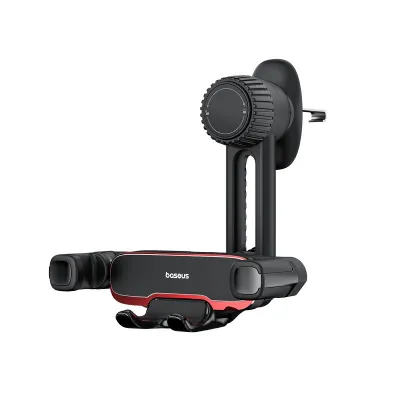
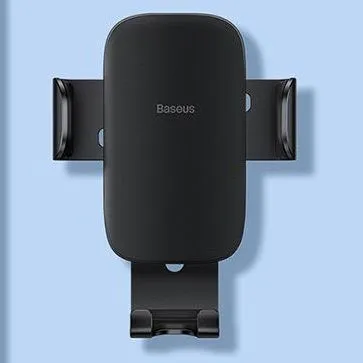
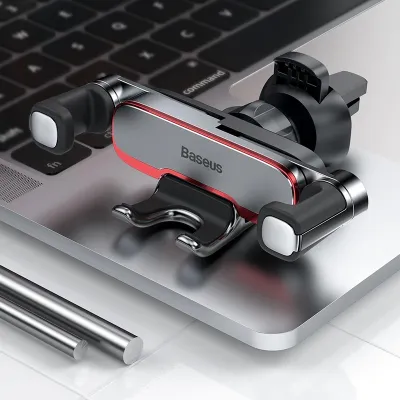
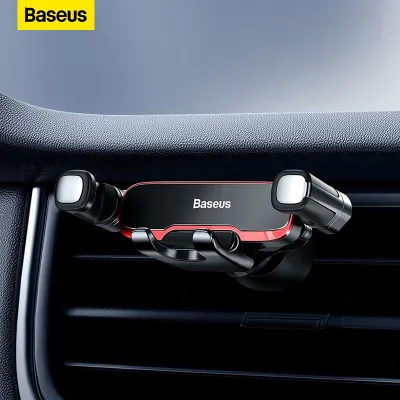
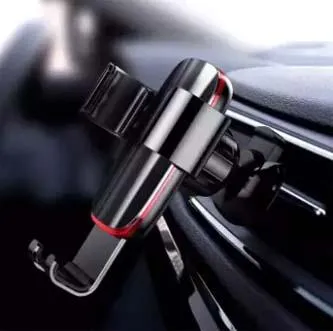
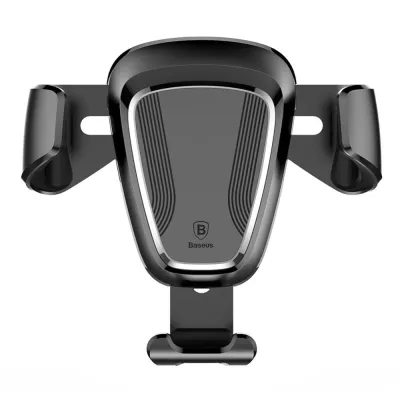
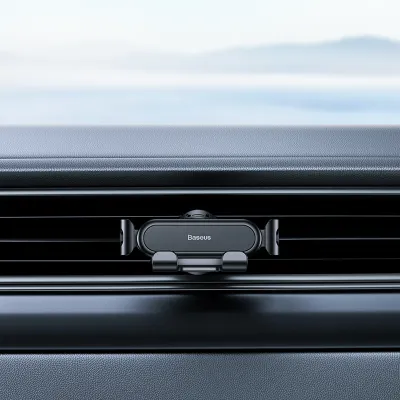
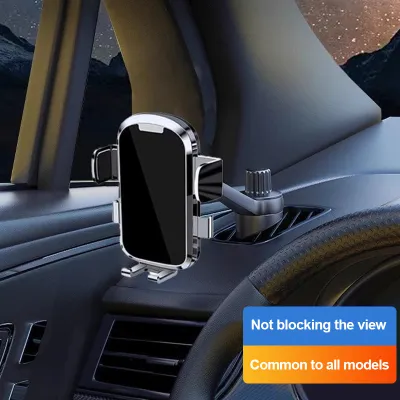
Prices are valid at publication and may change. Please refer to the product page for the latest price.
To determine your car’s capabilities, consult your vehicle’s owner manual or inspect the labels near the ports. If your car features built-in USB-C ports, check if they support Power Delivery (PD) standards, which typically require higher wattage ratings to function effectively. If your built-in ports are underpowered, you will need to purchase a dedicated high-output cigarette lighter adapter (12V accessory socket charger) to supply sufficient wattage to your phone holder.
On the device side, check your smartphone manufacturer’s official specifications to identify its maximum supported wired and wireless charging speeds. For example, a phone might support up to 25W or 45W via a wired USB-C connection, but only 7.5W or 15W via Qi wireless charging. Matching the power source to your phone’s maximum intake ensures you do not buy an expensive high-speed charger that your phone cannot fully utilize, or conversely, choke a fast-charging phone with an outdated power source.
USB-A Air Vent Holders: Reliable but Slower
USB-A air vent phone holders represent the traditional standard for in-car charging. These mounts rely on the familiar rectangular USB-A connector, which has been the automotive standard for over two decades. While highly compatible with older vehicles and legacy power adapters, USB-A is physically and technologically limited in its power delivery capabilities, generally capping out at 12 watts unless utilizing proprietary quick-charging protocols that require specific matching hardware.

The primary advantage of a wired USB-A setup is its sheer reliability. Because the connection is physical, there is no risk of power dropouts due to road vibrations or minor misalignments. However, managing the physical cable can be cumbersome, as you must manually plug and unplug the cable every time you enter or exit the vehicle. Over time, constant plugging can cause wear and tear on both the cable connector and your phone’s charging port.
This setup is ideal for drivers with older smartphone models that do not support fast-charging standards, or those who primarily use their cars for short, routine commutes where maintaining the current battery level is sufficient. If your daily driving consists of brief trips and you do not mind handling a physical cable, a USB-A mount offers a cost-effective, dependable solution.
USB-C Air Vent Holders: Fast Charging for Modern Phones
USB-C has rapidly become the universal standard for modern electronics, and its integration into air vent car mounts offers significant performance benefits. Unlike its predecessor, USB-C supports advanced Power Delivery (PD) protocols, allowing it to negotiate much higher wattages safely. This means a USB-C wired mount can easily deliver 18W, 30W, or even higher outputs, enabling rapid charging that can significantly boost your phone’s battery level even during a brief fifteen-minute drive.
Beyond raw speed, the physical design of USB-C offers practical daily advantages. The connector is fully reversible, eliminating the frustration of trying to plug in a cable upside down while sitting in the driver’s seat. The physical ports and cables are also engineered for greater durability, designed to withstand thousands of connection cycles without losing their snug fit.
A USB-C wired mount is the optimal choice for long-distance drivers, rideshare operators, and anyone using power-intensive applications like real-time navigation and high-brightness screen displays. If you own a modern smartphone and require rapid, dependable power replenishment between stops, investing in a USB-C setup ensures your device remains charged under heavy operational loads.
Wireless Air Vent Holders: Cable-Free Convenience vs. Heat
Wireless air vent holders offer a highly convenient user experience by eliminating the need to manually attach a cable to your phone. By utilizing Qi or Qi2 electromagnetic induction standards, these mounts begin charging your device the moment you place it into the cradle. However, it is important to remember that “wireless” only refers to the connection between the mount and your phone; the mount itself must still be connected via a physical cable to a high-output USB-C car adapter to power the internal charging coils.
One of the critical challenges of wireless charging in a vehicle is maintaining precise alignment between the phone’s internal coil and the mount’s transmitter. Road vibrations, sharp turns, and speed bumps can cause minor shifts, which may slow down charging speeds or stop the charging process entirely. To mitigate this, many modern wireless mounts feature magnetic alignment systems or motorized auto-clamping arms that secure the phone in the exact sweet spot.
Heat dissipation is another major consideration, particularly in warm climates like Singapore. Wireless charging naturally generates more heat than wired charging due to energy loss during induction. When you combine this internal heat with direct sunlight hitting the windshield and the heat generated by running GPS navigation, your phone can quickly reach high temperatures. If the phone overheats, its internal safety mechanisms will automatically throttle charging speeds or shut down the device entirely. While mounting the holder directly in front of an active air conditioning vent can help cool the device, you must ensure the cold airflow does not cause condensation inside the phone’s housing.
How to Choose: Decision Matrix and Comparison
To help you finalize your decision, it is helpful to compare these three charging methods across key operational metrics. The table below outlines how USB-A, USB-C, and wireless charging compare in terms of charging speed, daily convenience, setup complexity, and the physical weight load placed on your vehicle’s air vent blades.
| Feature | USB-A Wired Mount | USB-C Wired Mount | Wireless Charging Mount |
|---|---|---|---|
| Charging Speed | Slow to Moderate (typically 5W–12W) | Fast to Ultra-Fast (18W–45W+) | Moderate (typically 7.5W–15W) |
| Daily Convenience | Low (requires manual plugging) | Low (requires manual plugging) | High (drop-and-go placement) |
| Setup Complexity | Low (plug-and-play) | Low (requires PD-compatible adapter) | Medium (requires high-output adapter & cable routing) |
| Vent Weight Load | Low (lightweight cradle) | Low (lightweight cradle) | High (heavy internal coils & motors) |
Apply this conditional framework to guide your purchase:
- Choose USB-A if you drive an older vehicle, use a budget-friendly smartphone, and only need to maintain your battery level during short, routine commutes without spending extra on new adapters.
- Choose USB-C if you demand the fastest possible charging speeds, use a modern smartphone, and frequently run power-heavy navigation apps that require a highly stable, high-wattage connection.
- Choose Wireless if you prioritize convenience, frequently get in and out of your car, and want a clean dashboard look without dealing with loose cables every trip.
- Neither may fit if your vehicle features fragile, vertical, or highly circular air vents that cannot support the physical weight of a mounted phone, or if your phone is exceptionally heavy and blocks critical climate control airflow entirely. In these scenarios, a dashboard or windshield suction mount is a safer alternative.
Installing Safely Without Damaging Your Air Vents
Proper installation is crucial to prevent damage to your vehicle’s interior and ensure your phone remains secure while driving. Air vents are constructed from lightweight plastics that are not designed to bear heavy loads. Before purchasing, inspect your vent blades to determine if they are horizontal, vertical, or circular. Most air vent mounts are optimized for standard horizontal blades; circular or deeply recessed vents often require specialized adapters or may be entirely incompatible with standard clamp mechanisms.
When mounting the holder, distribute the weight as evenly as possible. Many high-quality mounts feature a support kickstand or hook mechanism that transfers some of the downward force from the delicate vent blades to the surrounding dashboard trim. Avoid overtightening the clamp, as excessive pressure can crack the plastic blades. Additionally, position the mount so it does not completely block the airflow from your climate control system. Blocking the vent can reduce cabin cooling efficiency and, during colder weather, blowing hot air directly onto the back of a charging phone can cause severe overheating.
Always establish a clear safety boundary: if you notice your vent blades bending, cracking, or slipping under the weight of your phone, stop using the mount immediately. Consult your vehicle’s owner manual to check for any specific warnings regarding aftermarket accessories. If your vehicle’s vents are too fragile or uniquely shaped, transition to a high-quality dashboard, CD slot, or windshield mount to protect your vehicle’s interior and maintain a clear, safe line of sight while driving.

Community discussion
Share your experience or ask a question. Comments are reviewed before publication.