
Maintaining correct tire pressure is one of the simplest yet most critical aspects of vehicle safety and fuel efficiency. In Singapore’s warm tropical climate, ambient temperature changes and regular driving can cause tire pressures to fluctuate significantly. To properly inflate standard passenger car tires, you generally need an air compressor that can deliver a maximum pressure of at least 100 to 120 PSI (Pounds per Square Inch) and a flow rate of 1 to 2 CFM (Cubic Feet per Minute) at 90 PSI. For larger vehicles like SUVs or light commercial vans, choosing a compressor with a flow rate of 2 to 3 CFM ensures you can adjust pressures efficiently without overheating the unit.
What PSI and CFM Actually Mean for Your Tires
PSI stands for Pounds per Square Inch and measures the force of the air the compressor can deliver. While standard car tires only require about 30 to 35 PSI (roughly 210 to 240 kPa), your compressor needs a higher maximum PSI rating. This is because the compressor must overcome the existing pressure inside the tire to force new air in. If you use a compressor with a maximum rating of only 40 PSI, the inflation process will slow to a crawl as the tire approaches that limit. A compressor rated for 100 to 150 PSI provides the necessary head pressure to fill the tire quickly and effortlessly.
CFM stands for Cubic Feet per Minute, which measures the volume of air the compressor pumps out per minute. While PSI determines whether the compressor can push air into the tire, CFM determines how fast it does so. A higher CFM rating means less time standing by the roadside or in a parking garage waiting for a tire to fill.
Products mentioned in this guide
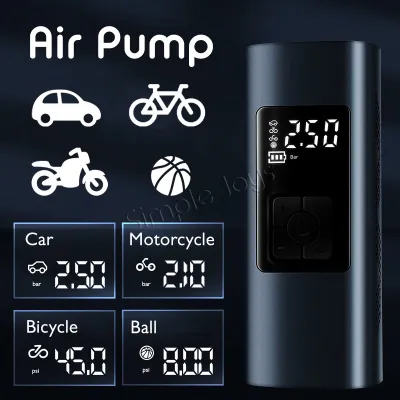
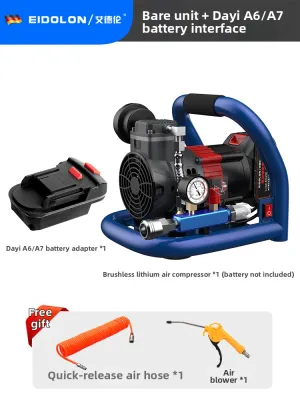
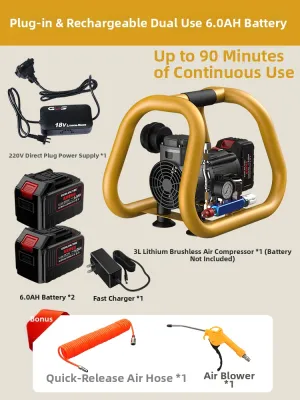
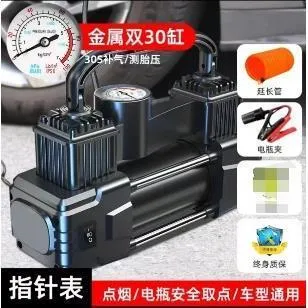
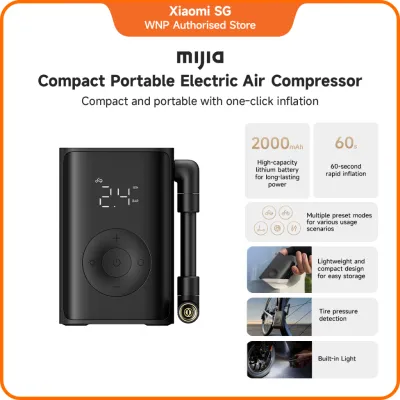
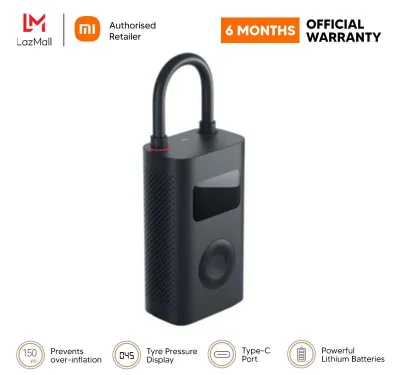

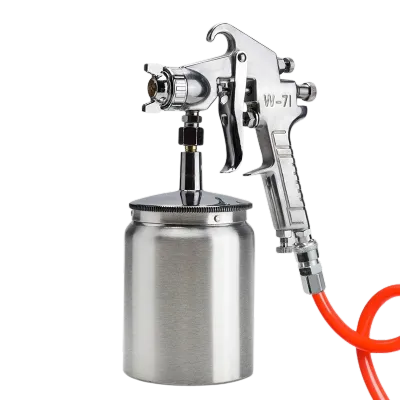
Prices are valid at publication and may change. Please refer to the product page for the latest price.
When shopping for air compressors, it is easy to get distracted by marketing terms like “peak horsepower” or “maximum inflation pressure.” Manufacturers often display these peak numbers prominently on packaging to attract buyers. However, these figures represent short-lived bursts rather than sustained performance. Always look for the rated or continuous CFM and PSI specifications, which indicate what the machine can reliably deliver during normal operation.
Matching Compressor Specs to Cars, SUVs, and Motorcycles
Selecting the right compressor requires matching its specifications to your specific vehicle type. Standard passenger cars, hatchbacks, and motorcycles have relatively small tire volumes. For these vehicles, a high CFM rating is not a necessity. A compact, portable compressor delivering 1 to 1.5 CFM will easily top up a standard tire in a couple of minutes. For these drivers, prioritizing portability, ease of storage, and compatibility with a 12V car socket is far more practical than buying a heavy, stationary workshop unit.

If you drive a mid-sized SUV, a large crossover, or a light commercial vehicle, your tires hold a significantly larger volume of air. While the target pressure might still be a modest 35 PSI, filling these larger tires from a low state requires moving a massive amount of air. A low-CFM compressor will struggle, taking an inconveniently long time and potentially running hot. For these larger tire volumes, look for a compressor that offers at least 2 to 3 CFM. This ensures you can adjust the pressure on all four tires in a single session without the tool struggling or taking excessive breaks.
It is important to remember that bigger is not always better when it comes to residential tire maintenance. Industrial-grade air compressors with exceptionally high CFM ratings (such as 5 CFM or more) or massive PSI limits are designed for running air tools like pneumatic impact wrenches and paint sprayers. Purchasing one solely for tire inflation is an unnecessary expense. These large units are bulky, difficult to store in typical residential apartments, and often require a dedicated 230V mains power outlet with a high amperage rating, which can easily trip standard household circuit breakers.
Tank Size and Duty Cycle: Do You Need a Big Unit?
An air compressor’s tank acts as a reservoir, storing compressed air so the motor does not have to run continuously during short tasks. However, when it comes to inflating tires, the tank size is less critical than the pump’s continuous output. Once the stored air in the tank is depleted, the compressor must rely entirely on its pump capacity (CFM) to continue filling the tire. Therefore, a massive 10-gallon tank is not necessary if the compressor has a high-quality pump.
For basic tire maintenance, tankless portable compressors or units with small tanks (ranging from 1 to 3 gallons, or roughly 3.8 to 11.4 litres) are highly efficient. These compact units are lightweight, easy to store in a car boot or utility closet, and can comfortably handle inflating four tires from slightly low to fully optimal in a single session.
Another critical specification to check is the compressor’s duty cycle, which is the percentage of time a compressor can safely operate within a specific timeframe (usually 10 minutes) before it must be turned off to cool down. For example, a compressor with a 50% duty cycle can run for 5 minutes but must then rest for 5 minutes. If you try to inflate a completely flat SUV tire with a compressor that has a low duty cycle, you risk overheating the motor and causing permanent damage. Always check the manufacturer’s documentation to ensure the duty cycle matches your expected usage.
Safe Setup and Checking Your Vehicle's Pressure Requirements
Before inflating your tires, you must determine the correct pressure required for your specific vehicle. Never use the maximum pressure rating printed on the tire’s sidewall; this is the absolute limit the tire can safely hold under maximum load, not the recommended operating pressure. Instead, locate the manufacturer’s tire placard, which is typically found on the driver’s side door jamb, or consult your vehicle owner’s manual. This document lists the precise cold inflation pressures recommended for front and rear tires under normal and fully loaded conditions.
Safety should always be your top priority when working with compressed air and vehicle tires. Always park your vehicle on a flat, stable surface and engage the handbrake before starting. Ensure the air compressor is placed on a dry, level, and well-ventilated surface to prevent it from tipping over or overheating. Keep a close eye on the pressure gauge as you inflate, and never leave the compressor running unattended. Over-inflating a tire can weaken its structure and increase the risk of a high-speed blowout, while under-inflating leads to poor handling, increased tire wear, and poor fuel economy.
Finally, verify the compressor’s power requirements before purchase. Portable models designed for emergency roadside use typically plug into a vehicle’s 12V DC accessory socket (cigarette lighter). Ensure your vehicle’s electrical system and socket fuse can handle the compressor’s current draw, which often ranges from 10 to 15 amps. If you choose a mains-powered 230V AC compressor for home garage use, ensure you have a safe, grounded outlet nearby and avoid using thin, low-duty extension cords that can overheat under load.
Frequently Asked Questions (FAQ)
Is a 12V portable tire inflator enough for standard car tires?
- Best Use Case: Routine maintenance and emergency top-ups for standard passenger cars and motorcycles.
- Key Limitation: Slower inflation times and lower duty cycles, making them less suitable for large SUV tires.
Yes, a quality 12V portable tire inflator is highly effective for routine top-ups on standard passenger cars and motorcycles. These compact tools are designed to plug directly into your vehicle’s accessory outlet, making them incredibly convenient for roadside emergencies or regular maintenance. However, because of their small motors, they have lower CFM ratings and lower duty cycles compared to larger garage compressors. This means they will take longer to inflate a tire from completely flat, and they may require cooling breaks when inflating multiple large SUV or commercial van tires.
Does a larger air tank inflate tires faster?
- The Reality: Tank size does not dictate inflation speed; CFM is the primary factor.
- The Benefit: A larger tank reduces how often the compressor motor needs to cycle on and off.
No, a larger air tank does not increase the speed at which a tire inflates. The speed of inflation is determined solely by the compressor’s CFM (flow rate) rating. A larger tank simply stores a larger volume of pressurized air before the motor needs to turn on. While a large tank allows you to fill a tire quickly using the pre-compressed air stored inside, once that initial air is spent, the inflation speed drops to match the continuous output of the pump. For tire inflation, a high-CFM tankless compressor will actually fill tires faster than a low-CFM compressor with a large tank.
Community discussion
Share your experience or ask a question. Comments are reviewed before publication.