
Selecting the right AGV helmet in Singapore requires balancing your personal riding style, safety requirements, and budget. The brand’s lineup spans from entry-level thermoplastic options to professional-grade carbon fiber shells, with each tier offering distinct trade-offs in weight, ventilation, and aerodynamic stability. To make an informed decision, you must evaluate how shell materials, safety standards, and local climate compatibility align with your financial limits.
In Singapore’s unique riding environment, characterized by high humidity, frequent rain, and strict traffic regulations, a helmet is more than a style statement. It is a critical piece of safety equipment that must comply with local road safety standards while keeping you comfortable during daily commutes or weekend touring. Understanding the structural differences between price points ensures you invest in the features that matter most for your safety and comfort.
By analyzing the engineering behind these helmets, you can determine whether a budget-friendly model meets your daily commuting needs or if upgrading to a mid-range or premium model is justified for your riding habits. This guide breaks down the key factors that influence helmet pricing, how to prioritize your budget for maximum safety and comfort, and the essential specifications you must verify before making a purchase.
Products mentioned in this guide
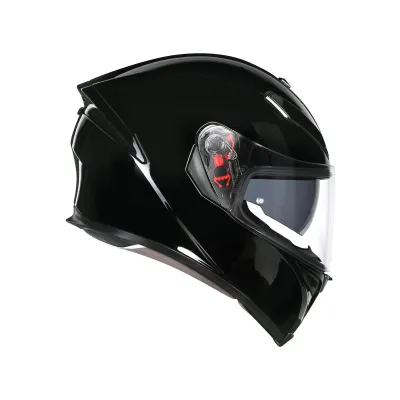
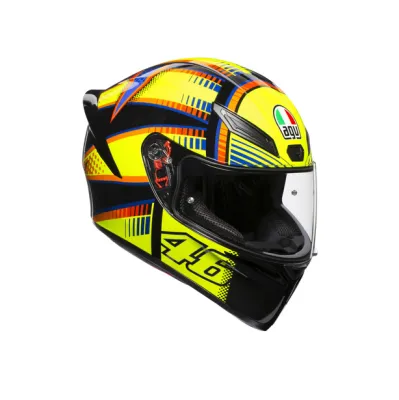
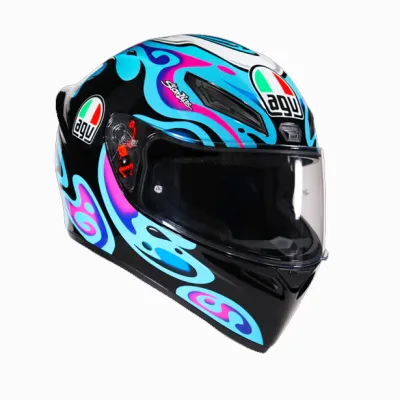
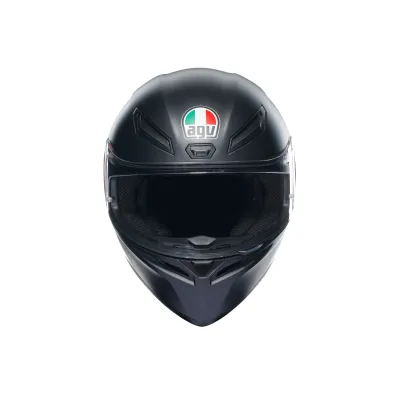
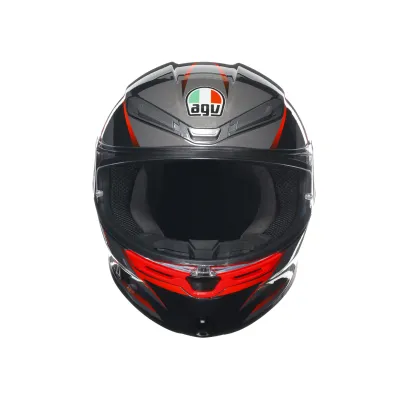
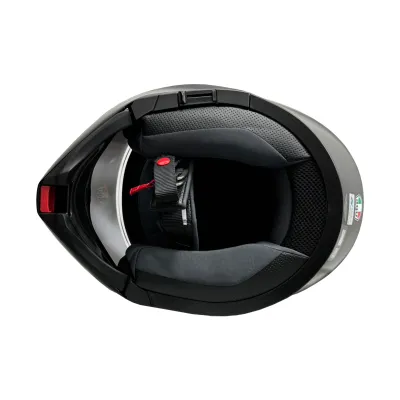
Prices are valid at publication and may change. Please refer to the product page for the latest price.
Understanding What Drives AGV Helmet Prices
The primary factor driving the cost of an AGV helmet is the material used in its outer shell construction. Entry-level models typically utilize high-resistance thermoplastic resin, which is highly durable and cost-effective to manufacture but results in a heavier helmet. As you move up to mid-range and premium price points, the construction shifts to composite fibers, carbon-aramid, and ultimately pure carbon fiber. These advanced materials offer exceptional tensile strength and impact absorption while significantly reducing the overall weight, which minimizes neck fatigue during long rides.
Safety certifications and the rigorous testing required to meet them also contribute to the pricing structure. Helmets certified under the newer, more stringent ECE 22.06 standard undergo advanced impact testing at various angles and velocities, including rotational acceleration tests. Developing a helmet that passes these modern safety protocols requires extensive research, development, and high-tech laboratory testing, the cost of which is reflected in the retail price of the helmet.
Premium features and aerodynamic engineering further differentiate high-end models from budget-friendly options. Advanced helmets undergo extensive wind-tunnel testing to optimize aerodynamic drag, reduce wind noise, and prevent lift at high speeds. Additionally, premium tiers often include specialized safety mechanisms like emergency cheek pad release systems, which allow medical personnel to safely remove the helmet in an accident, as well as optical class 1 visors that eliminate visual distortion.
How to Prioritize Your Budget for Safety and Comfort
When planning your purchase, safety and fitment must always take precedence over cosmetic features or brand prestige. A helmet can only protect you effectively if it fits your head shape correctly without creating painful pressure points or sliding loose during movement. Whether you are looking at entry-level options under S$300 or premium carbon fiber models, safety and fitment must always take precedence over cosmetic features or brand prestige.

In Singapore’s tropical climate, ventilation and moisture management are critical comfort factors that directly impact rider alertness. High humidity and high temperatures demand a helmet with an efficient ventilation system, featuring deep EPS channels that pull cool air across the scalp and expel hot, moist air. Prioritize models that feature moisture-wicking, quick-drying, and antibacterial interior liners, which help manage sweat and prevent odor buildup during daily commutes.
If you are working with a tight budget, you can make strategic trade-offs without compromising on physical protection. Opting for a solid color or a simple matte finish instead of a complex racer replica graphic can save a significant amount of money while providing the exact same shell construction and safety rating. Additionally, sticking to the standard clear visor that comes in the box, rather than immediately purchasing aftermarket tinted or photochromic visors, allows you to allocate more of your initial budget to a higher-quality helmet shell.
Essential Specifications to Verify Before Checkout
Before finalizing your purchase, you must verify that the helmet complies with local road safety regulations in Singapore. Look for the official Land Transport Authority (LTA) approved safety labels, which typically require compliance with standards such as ECE 22.05 or the newer ECE 22.06. In Singapore, helmets must undergo testing and certification by authorized bodies like TUV SUD PSB to receive the necessary compliance sticker for legal road use.
The visor mechanism and optical quality require close inspection to ensure clear visibility under varying light conditions. Verify that the visor offers a wide horizontal and vertical field of view, which is crucial for monitoring blind spots and traffic in dense urban environments. Check if the visor is equipped with a reliable locking system to prevent accidental opening at speed, and ensure it is compatible with anti-fog Pinlock inserts, which are essential for maintaining visibility during sudden tropical downpours.
Finally, examine the interior lining and overall construction of the helmet to ensure long-term durability and hygiene. The interior comfort liner and cheek pads should be fully removable and washable to cope with the sweat accumulation caused by Singapore’s weather. Check that the fastening system, whether a double-D ring or a micrometric buckle, operates smoothly and securely, and verify that the internal EPS liner features dedicated grooves to accommodate eyeglasses or communication system speakers if you plan to use them.
Avoiding Counterfeits, Compliance Issues, and Hidden Costs
The popularity of the AGV brand makes it a frequent target for counterfeit manufacturers, making it vital to purchase only from authorized local dealers or reputable retail channels. Counterfeit helmets often mimic the external graphics of premium models but use substandard plastics and weak EPS liners that fail catastrophically during an impact. Inspect the physical build quality closely, looking for clean stitching on the chin strap, precise visor alignment, and genuine holographic security labels on the packaging or interior.
Purchasing through parallel imports or “grey market” online channels carries distinct risks that can lead to compliance issues or unexpected expenses. Helmets designed for other regional markets may use different internal head shapes, such as a European oval fit rather than an Asian round fit, leading to severe discomfort or unsafe fitment. Furthermore, parallel imports may lack the official local certification stickers required by Singapore traffic police, rendering them illegal for road use despite being genuine products.
When comparing prices online, always factor in the hidden costs that can quickly inflate the final price of your helmet. International shipping fees, import taxes, and potential Goods and Services Tax (GST) can add a substantial premium to overseas purchases. Additionally, consider the cost of essential accessories; if a helmet does not include a Pinlock anti-fog lens or a protective carrying bag in the box, purchasing these items separately from local shops will add to your total expenditure.
Frequently Asked Questions (FAQ)
How to Verify the Authenticity of an AGV Helmet
To ensure your AGV helmet is genuine, inspect the interior comfort liner for official manufacturing labels containing the specific model name, size, and production date. Genuine helmets feature high-quality, crisp graphics without blurry edges, and the brand logos are perfectly aligned and clear. You can also cross-reference the unique serial number found on the chin strap or the back of the helmet shell with the manufacturer’s official documentation or verify the seller’s status on the official distributor list.
Visor Tint Regulations for Night Riding in Singapore
In Singapore, motorcycle visors must comply with strict light transmission standards set by the Land Transport Authority to ensure adequate visibility. Heavily tinted, mirrored, or iridium visors are generally restricted to daytime use because they severely reduce light transmission, making them hazardous and illegal for night riding on public roads. For versatile light management, riders should use a clear, compliant main visor and rely on an integrated, drop-down inner sun visor during the day, or use approved photochromic visors that adjust dynamically to ambient light.
When to Replace Your Motorcycle Helmet
As a general safety standard, motorcycle helmets should be replaced every five years from the date of first use, or seven years from the date of manufacture, due to the natural degradation of protective materials. Over time, exposure to UV rays, extreme heat, sweat, and hair oils gradually breaks down the protective EPS liner and outer shell materials. Crucially, you must replace your helmet immediately after any significant impact, crash, or severe drop, even if there is no visible external damage, as the internal EPS liner is designed to compress once to absorb impact energy and cannot protect you a second time.
Community discussion
Share your experience or ask a question. Comments are reviewed before publication.