
Driving a vehicle that lacks factory-installed cup holders can make daily commutes and road trips highly inconvenient. Whether you are operating a classic vintage model, a specialized commercial vehicle, or a minimalist modern car, finding a secure spot for your morning coffee or water bottle is a common challenge. Fortunately, a wide variety of aftermarket car drink holder options can seamlessly integrate into your cabin without requiring permanent modifications or professional installation.
Selecting the ideal solution requires a careful balance of stability, convenience, and safety. The right aftermarket mount must not only hold your beverage securely during sudden stops but also preserve your vehicle’s interior surfaces and keep your driving controls completely unobstructed. By evaluating your cabin’s layout and understanding the physical trade-offs of different mounting styles, you can easily find a reliable setup that fits your specific driving needs.
Assessing Your Vehicle's Interior for Mounting Points
Before purchasing any aftermarket accessory, a thorough assessment of your vehicle’s cabin layout is essential to identify safe and viable installation spots. Every car interior features unique geometry, materials, and clearances that dictate which mounting styles will succeed. Taking a few minutes to analyze your dashboard, vents, and console area beforehand will save you from the frustration of a poorly fitting accessory.
Products mentioned in this guide
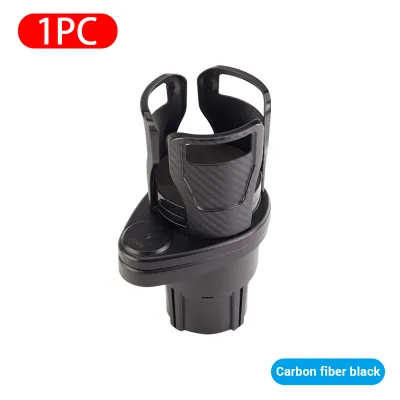
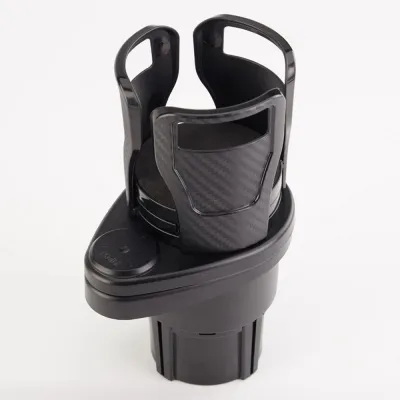
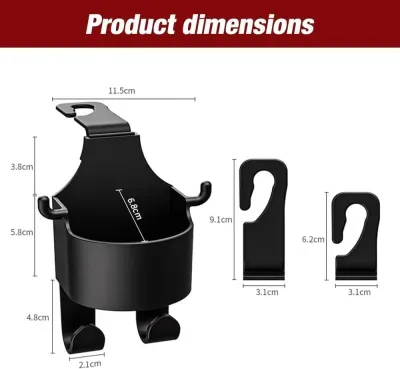
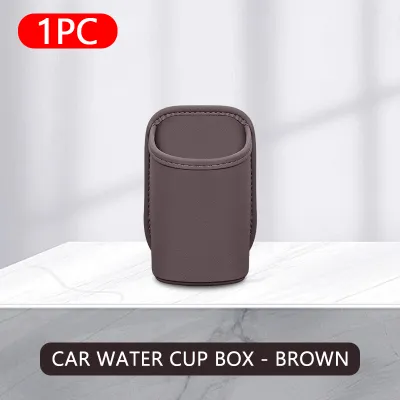
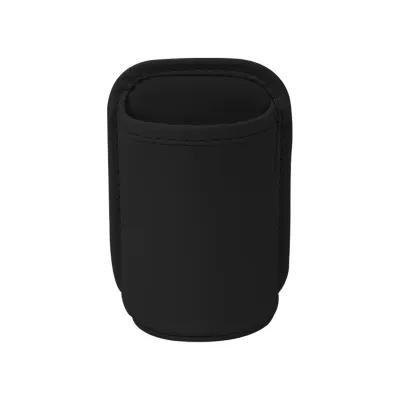
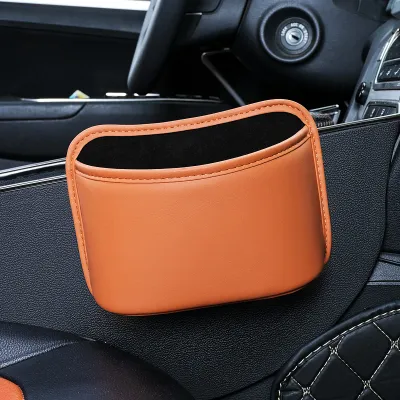
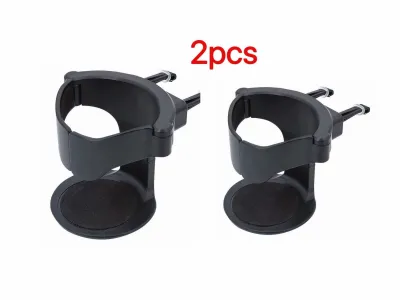
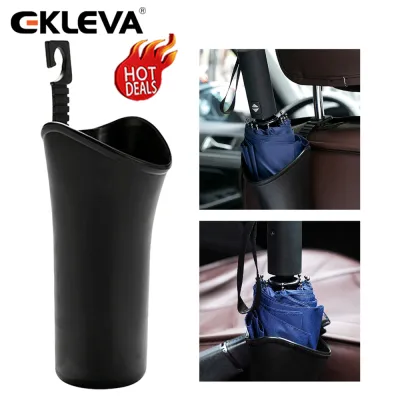
Prices are valid at publication and may change. Please refer to the product page for the latest price.
Start by examining the dashboard surface. Feel the texture of the material and observe its overall curvature. Smooth, flat, non-porous surfaces are ideal for suction cups or adhesive pads, as they allow for a tight, airtight seal. Conversely, heavily textured plastics, soft-touch vinyl, or deeply curved sections often fail to provide a reliable mounting surface, which can lead to the holder detaching while the vehicle is in motion.
Next, inspect the air vents. Note whether the blades are horizontal, vertical, or circular, and assess their overall structural rigidity. Some modern vehicles feature delicate, thin plastic blades or complex circular designs that cannot support the weight of a filled beverage container. Ensure the vent assembly itself is firmly seated in the dashboard and does not wobble under light pressure before planning to clip anything onto it.
Finally, look at the lower cabin areas. Evaluate the gaps between the center console and the front seats, as well as the depth and width of the door panel pockets. A wedge-style holder requires a snug but accessible gap that does not interfere with seatbelt buckles or seat adjustment rails. Measuring these spaces beforehand prevents buying a wedge that is either too loose to stay upright or too thick to fit comfortably.
Comparing Aftermarket Mounting Types
Choosing the right aftermarket car drink holder involves weighing the trade-offs of different attachment mechanisms against your driving habits and interior design. No single mounting style is perfect for every vehicle, so understanding how each type performs under daily driving conditions is key to making an informed decision.

Air vent clips are highly popular due to their straightforward, tool-free installation and eye-level accessibility. They keep your beverage within easy reach and can utilize the car’s air conditioning to help keep drinks cool during warm afternoons. However, they inevitably block a portion of your airflow and place physical stress on the vent blades. If you frequently carry heavy drinks, the constant downward leverage can weaken or snap the plastic blades over time, leading to costly dashboard repairs.
Dashboard and windshield mounts offer highly flexible placement options, often utilizing adjustable telescopic arms to position your drink exactly where you want it. These typically rely on strong suction cups or semi-permanent adhesive pads. While convenient, windshield mounts can sometimes obstruct your forward view, and dashboard adhesives can degrade under intense cabin heat. When parked under direct sunlight, temperatures inside a sealed vehicle can rise dramatically, potentially softening adhesives and causing the mount to sag or fall.
Console and seat gap wedges utilize otherwise dead space between the front seats and the center console. These holders slide directly into the gap, providing a stable, low-profile storage area that keeps drinks out of your direct line of sight. The primary advantage is that they require no adhesives or clips, preserving your interior surfaces completely. The trade-off is that they can restrict your physical space, rub against leather upholstery, or interfere with manual seat adjustments and seatbelt access. You must verify that the wedge does not block the handbrake or gear shifter before driving.
Key Selection Criteria for Stability and Safety
Selecting an aftermarket holder requires looking beyond basic aesthetics to ensure the unit remains stable under real-world driving conditions. A poorly designed or improperly placed holder can quickly become a safety hazard, distracting you from the road or spilling hot liquids onto critical vehicle controls.
First, verify the weight capacity and base width of the holder. A standard cup of coffee or a water bottle can weigh anywhere from 300 to over 800 grams. The holder must feature a deep enough receptacle and a low center of gravity to prevent the beverage from tipping over during sudden braking, sharp cornering, or when driving over speed bumps. Look for holders equipped with adjustable gripper mechanisms, flexible silicone tabs, or spring-loaded tensioners that accommodate various container diameters.
Driver safety must remain the absolute priority when positioning any accessory. Ensure the installed holder does not obstruct your view of the road, side mirrors, or instrument cluster. It must never interfere with your steering wheel clearance, gear selector, handbrake, or physical control buttons. A holder that requires you to stretch or look away from the road to reach your drink is a significant driving hazard.
Crucially, avoid placing any aftermarket accessory within the deployment zones of your vehicle’s airbags. Consult your vehicle owner’s manual to identify where the front and side airbags deploy. A drink holder placed in these zones can become a dangerous projectile if the airbags inflate during a collision. Additionally, avoid mounting holders directly in front of active heater vents if you plan to carry cold beverages, as the constant heat can affect both the drink and the structural integrity of the holder.
Installation and Maintenance Guidelines
Proper installation and routine maintenance are vital to ensure your aftermarket drink holder remains secure and does not damage your car’s interior. Taking a methodical approach to setup and care will extend the lifespan of the accessory and protect your vehicle’s resale value.
Before mounting any adhesive or suction-based holder, thoroughly clean the target surface. Use a mild, automotive-approved interior cleaner that is safe for your specific dashboard material to remove dust, oils, and protective dressings. Any leftover residue will severely compromise the bond of the adhesive or suction cup. Allow the surface to dry completely before proceeding with the installation.
If your chosen holder uses an adhesive pad, pay close attention to the manufacturer’s specified curing time. Many high-strength adhesives require 24 to 72 hours to bond fully with the surface before they can support any weight. Loading a heavy drink onto the holder too early is a primary cause of adhesive failure. For suction cups, applying a tiny drop of moisture to the base can sometimes improve the vacuum seal on glass surfaces.
Perform periodic inspections of your mounting hardware. Over time, exposure to temperature fluctuations and road vibrations can cause suction cups to lose their vacuum seal and vent clips to loosen. Check the tension of the clips and the firmness of the suction mount every few weeks, re-securing them as necessary to prevent unexpected drops while driving.
When it comes time to remove or reposition an adhesive mount, do so carefully to avoid tearing vinyl or peeling dashboard coatings. Use a designated automotive adhesive remover or a gentle heat source, such as a hairdryer on a low setting, to soften the adhesive backing slowly. Gently pry the mount away without using sharp metal tools that could scratch or gouge the interior trim.
Frequently Asked Questions (FAQ)
Can a heavy insulated bottle damage my car's air vents?
Yes, heavy insulated bottles can potentially damage standard plastic air vents. Most factory vent blades are designed solely to direct airflow and are made of lightweight, thin plastic that is not engineered to bear significant weight. When you add a heavy metal flask filled with liquid, the downward force can bend, crack, or completely snap the blades or the internal directional linkage. Always check the holder manufacturer’s maximum weight specifications and cross-reference them with your vehicle’s documentation. If you plan to carry heavy insulated bottles regularly, it is highly recommended to opt for a robust seat gap wedge or a heavy-duty dashboard mount instead of a vent-mounted solution.
Will adhesive dashboard mounts leave permanent marks?
Adhesive dashboard mounts carry a risk of leaving marks, discoloration, or residue, especially when exposed to high cabin temperatures over extended periods. While some high-quality gel pads and removable tapes are designed to peel away cleanly, permanent double-sided acrylic tapes can bond incredibly tightly to vinyl, leather, or plastic surfaces. Under intense sunlight, the heat can cause the adhesive to migrate into the pores of the dashboard material, leading to localized staining or even peeling of the top surface layer upon removal. To minimize this risk, always test a small, inconspicuous area of your dashboard first, or prioritize non-permanent mounting alternatives like suction cups on glass or seat gap wedges if you are driving a leased vehicle or wish to preserve a delicate interior.
Community discussion
Share your experience or ask a question. Comments are reviewed before publication.