
Choosing between adhesive and bolt-on aluminium rim protectors depends on your wheel’s physical design, your tolerance for permanent modifications, and your typical driving environment. In urban environments like Singapore, where tight multi-storey car park ramps present a constant threat of curb rash, protecting alloy wheels is a common priority. However, the tropical heat and high humidity can severely test adhesive bonds, while the mechanical nature of bolt-on options requires precise physical compatibility. Understanding these factors ensures you select a system that stays secure without compromising safety.
Understanding the Core Differences in Mounting Styles
Adhesive-based protectors rely on high-bond double-sided tape to adhere directly to the outer face of the wheel lip. This method requires no mechanical alteration of the wheel itself. The application is straightforward, making it popular for standard passenger cars with flat, smooth outer lips. Because they sit on the surface, they do not interfere with the tire bead or the inner barrel of the wheel.
Bolt-on protectors, conversely, utilize a mechanical fastening system. These typically clamp onto the outer edge of the rim or secure directly into pre-existing mounting points on specialized wheels. Some designs sandwich a mounting bracket between the tire bead and the rim lip, while others use small set screws that tighten against the inner side of the rim flange. This creates a rigid, physical connection that does not rely on chemical adhesion.
Products mentioned in this guide
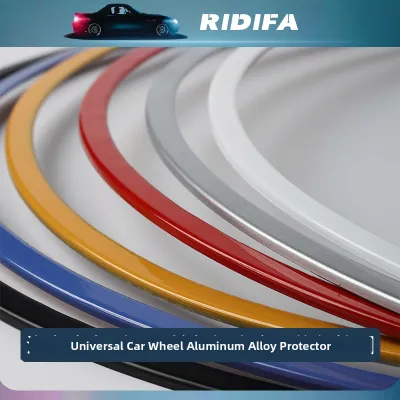
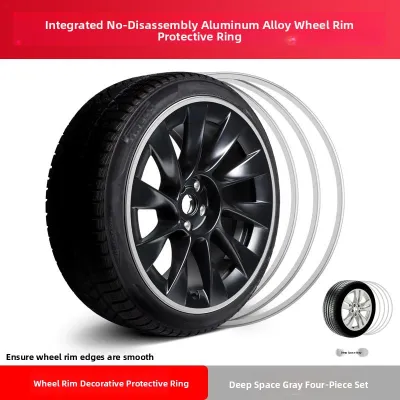
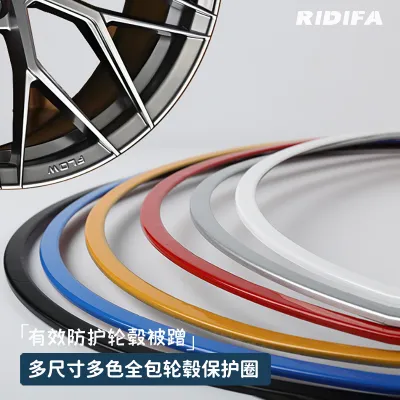
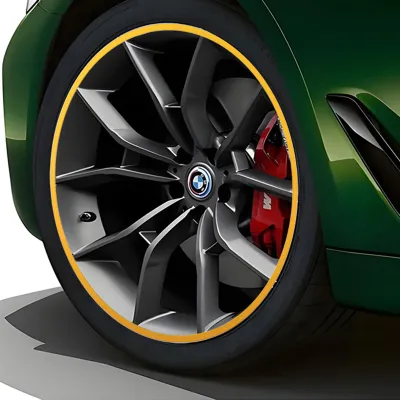
Prices are valid at publication and may change. Please refer to the product page for the latest price.
Wheel geometry is the ultimate deciding factor for baseline compatibility. A wheel with a completely flat, wide outer lip easily accommodates adhesive strips, whereas a curved, stepped, or extremely narrow lip leaves insufficient surface area for a secure chemical bond. For bolt-on systems, spoke clearance is critical; if the spokes extend past the outer plane of the rim lip, they can block the installation of mechanical fasteners or brackets, rendering bolt-on options unusable.
Key Comparison Dimensions for Your Decision
Adhesive protectors are highly accessible for DIY enthusiasts. The process requires basic cleaning agents, a microfiber cloth, and a cutting tool to trim the protector to size. The entire installation can often be completed in under an hour in a residential garage or parking space. Bolt-on protectors demand a much higher level of mechanical skill and specialized tools. Depending on the design, you may need torque wrenches, specific hex keys, or even professional tire-mounting equipment if the protector integrates with the tire bead.

The tropical climate of Singapore, characterized by intense afternoon heat, sudden downpours, and high humidity, plays a significant role in adhesive longevity. Over time, constant exposure to moisture and road grime can degrade the adhesive backing, potentially causing the protector to peel or detach at high speeds. Bolt-on protectors are virtually immune to these environmental factors, as their mechanical fasteners remain secure regardless of temperature or moisture. When it comes to impact absorption, a bolt-on aluminium protector distributes the force of a curb scrape across its rigid metallic structure and mechanical mounts, whereas an adhesive strip may tear or slide off under heavy lateral shear force.
Adhesive protectors are often low-profile and can blend seamlessly with the tire sidewall or the wheel finish, especially if color-matched. They add minimal thickness to the wheel’s outer edge. Bolt-on protectors, due to their mounting hardware and robust aluminium construction, tend to have a more pronounced, rugged profile. This can alter the visual stance of the wheel, sometimes making the rim appear larger or giving it a multi-piece look, which may or may not appeal to your personal aesthetic preferences.
Removing adhesive protectors is a tedious process that involves peeling the strip and using specialized adhesive removers to clean the stubborn residue left behind on the clear coat. Once removed, the adhesive strip itself is ruined and cannot be reused. Bolt-on protectors offer excellent reusability. If you need to refinish a wheel or replace a damaged protector segment, you can simply unbolt the hardware, perform the maintenance, and reinstall the protector. However, some bolt-on designs that use set screws can leave small physical indentations or marks on the inner lip of the wheel, which is a permanent alteration to the wheel’s surface.
Compatibility and Safety Checks Before Installation
Before undertaking any wheel modifications or installing accessories that interface with the tire bead, always consult your vehicle’s owner manual and the wheel manufacturer’s guidelines. Because wheels and tires are critical safety components, improper installation can lead to sudden tire deflation, wheel imbalance, or structural failure. If you are unsure about clearances or mounting procedures, seek assistance from a qualified tire specialist.
To verify compatibility for bolt-on hardware, you must measure the depth and thickness of your wheel’s outer lip. Use a digital caliper to ensure there is sufficient flat surface area for the mounting brackets to clamp securely without slipping. Additionally, check the clearance between the back of the mounting hardware and the brake calipers or suspension components. Even a minor protrusion can cause catastrophic contact when the wheel rotates.
Tire Pressure Monitoring System (TPMS) sensors and valve stems are highly sensitive to physical interference. When installing any rim protector, especially those that seat near the tire bead, verify that the mounting brackets or the protector body do not compress, bend, or block access to the valve stem. A blocked valve stem prevents routine pressure checks, while physical pressure on a TPMS sensor can cause air leaks or sensor failure.
Adhesive protectors require a pristine, factory-finished surface to bond correctly. If your wheels have existing curb rash, deep gouges, or peeling clear coat, the adhesive will fail prematurely. For bolt-on options, never attempt to drill or tap into an alloy wheel unless the wheel was specifically engineered and certified for such modifications by the manufacturer. Drilling into a standard cast or forged alloy wheel compromises its structural integrity, leading to a high risk of cracking under load.
Decision Framework: Which Type Should You Choose?
Opt for adhesive aluminium rim protectors if you want a quick, non-invasive solution that preserves your wheel’s original finish without any risk of mechanical marking. They are ideal for leased vehicles where permanent modifications are prohibited, or for wheels with complex spoke designs that leave no room for mechanical clamps. They also serve well as a temporary cosmetic upgrade or light-duty shield against minor scuffs.
Select bolt-on protectors if you prioritize maximum mechanical security and long-term durability. If your daily commute involves navigating narrow, high-curbed ramps in multi-storey car parks, the robust impact resistance of a bolted aluminium barrier is highly superior. They are also the preferred choice for drivers who want a reusable system that can survive multiple tire changes and harsh environmental exposure without peeling.
Before purchasing, verify if your vehicle or aftermarket wheel warranty restricts the use of mechanical rim accessories. Some high-performance or track-oriented vehicles have strict limitations on wheel accessories due to the extreme heat generated by high-performance braking systems, which can melt adhesives or cause thermal expansion issues with bolt-on hardware.
If your wheels are already severely damaged, bent, heavily corroded, or structurally compromised, neither mounting style should be installed. Adding a protector over a damaged rim lip can mask underlying structural cracks and prevent the tire bead from sealing correctly. In such cases, the wheel must be professionally repaired or replaced before any protective accessories are considered.
Installation and Maintenance Best Practices
For adhesive protectors, surface preparation is the single most critical factor determining success. Begin by thoroughly washing the wheels with a dedicated, non-acidic wheel cleaner to remove brake dust and road grime. Follow this with an isopropyl alcohol wipe-down to strip away any remaining wax, tire shine, or grease. Ensure the wheel is completely dry and that the ambient temperature is within the manufacturer’s recommended range before applying the adhesive tape. Apply firm, even pressure along the entire circumference to activate the pressure-sensitive bond.
When installing bolt-on protectors, always refer to the manufacturer’s installation manual for exact torque specifications. Over-tightening the mounting bolts can distort the protector, damage the wheel lip, or strip the threads, while under-tightening can cause the hardware to back out under centrifugal force. Use a calibrated torque wrench and apply a thread-locking compound if specified by the manufacturer. Ensure the protector is perfectly centered on the wheel to prevent rotational imbalance.
Establish a regular inspection routine, ideally during your weekly car wash. For adhesive protectors, check for any lifting edges, peeling, or trapped dirt beneath the strip, especially after driving through heavy rain or standing water. For bolt-on protectors, physically check the tightness of each fastener and inspect the mounting brackets for signs of shifting or metal fatigue. If you notice any gaps, loose hardware, or signs of corrosion, address them immediately to maintain safety and protection.
Frequently Asked Questions (FAQ)
Can I install rim protectors on run-flat tires?
Run-flat tires feature exceptionally stiff sidewalls designed to support the vehicle’s weight even when deflated. This extreme stiffness makes installing bead-mounted or clamp-on rim protectors highly challenging, as there is very little flex in the tire bead to accommodate the mounting hardware. While adhesive protectors can still be applied to the outer face of the rim, mechanical bolt-on types that interface with the tire bead may not seat correctly. Always check with both the tire manufacturer and the protector manufacturer to verify compatibility before attempting installation on run-flat tires.
Will adhesive rim protectors damage my wheel finish upon removal?
High-quality adhesive rim protectors use automotive-grade tapes designed to be removed without damaging factory clear coats. However, if the wheel has been poorly repainted or has existing clear coat damage, the peeling force can lift the paint. To minimize risk, use a heat gun or hair dryer on a low setting to soften the adhesive before gently peeling the strip away. Clean any remaining residue with a dedicated adhesive remover or isopropyl alcohol, avoiding harsh solvents that could dull or degrade the wheel’s protective finish.
Do aluminium rim protectors affect wheel balancing?
Yes, adding any unsprung weight to the outer edge of a wheel can potentially affect its balance. Aluminium rim protectors, particularly robust bolt-on systems with heavy mounting hardware, add concentrated weight along the rim’s circumference. Even a minor weight imbalance can lead to steering wheel vibrations at highway speeds. To ensure smooth ride quality and prevent uneven tire wear, it is highly recommended to have your wheels professionally rebalanced at a tire shop immediately after installing any style of aluminium rim protector.
Community discussion
Share your experience or ask a question. Comments are reviewed before publication.