
Do activated charcoal bags actually work to keep your car smelling fresh and dry under Singapore’s intense tropical sun and relentless humidity? The short answer is yes, but with major caveats. Unlike chemical air fresheners that mask odors with heavy synthetic perfumes, these passive purifiers rely on a physical process that is highly sensitive to environmental conditions.
Under the extreme heat of a parked vehicle and relative humidity levels that frequently exceed 80 percent, the performance of activated charcoal changes dramatically. Without proper selection, placement, and regular maintenance, these bags can quickly become saturated or even release trapped odors back into your cabin. Understanding how to manage these physical limits is key to making them work for your vehicle.
How Singapore's Heat and Humidity Affect Activated Charcoal
To understand how activated charcoal performs in a tropical climate, it is necessary to examine the physical process of adsorption. Activated charcoal is carbon that has been treated with oxygen to open up millions of microscopic pores between the carbon atoms. This structural modification creates an incredibly large surface area relative to the bag’s physical size. When cabin air passes through the bag, gaseous pollutants, volatile organic compounds (VOCs), and odor molecules stick to the internal pore surfaces through weak intermolecular forces known as van der Waals forces.
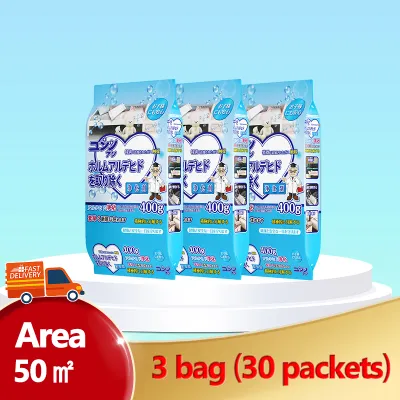
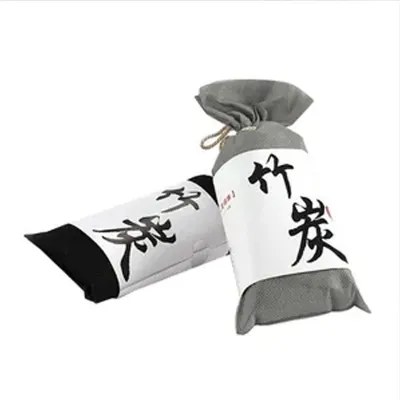
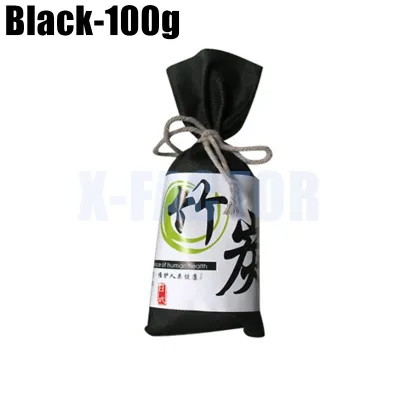
Products mentioned in this guide
![[SG] 500g Activated Bamboo Charcoal Bag Pouch Dehumidifier Deodorizer Car Household Remove Formaldehyde Freshener Bag](https://img.lazcdn.com/g/p/dda71344eefd8735ed7f9d3e072ae3e1.jpg_400x400q80.jpg_.webp)
![[✅SG Stock] Activated Carbon Bamboo Charcoal Bag Removing Odors Formaldehyde Car Household Air Freshener Bag Renovation Cleaning Air](https://img.lazcdn.com/g/p/057ef882d019f0aa2555529ee7f3752d.jpg_400x400q80.jpg_.webp)
![Bamboo Charcoal Pouch 70g/100g [ Natural Activated Moisture Absorber Odor Eliminator Shoe Closet Car Air Purifying Bag ]](https://img.lazcdn.com/g/p/19d7f87719af101cf77d20c59b8fbdf6.jpg_400x400q80.jpg_.webp)


Prices are valid at publication and may change. Please refer to the product page for the latest price.
This process is called adsorption, which differs from absorption because the target molecules remain trapped on the surface rather than dissolving into the bulk material. In Singapore, where the relative humidity routinely hovers between 70% and 90%, the air is saturated with water vapor. Because water molecules are highly polar and abundant, they compete directly with odor-causing compounds for space inside the charcoal’s micro-pores.
As a result, water molecules quickly occupy the available active sites, significantly reducing the charcoal’s capacity to trap odor-causing compounds. A charcoal bag left in a highly humid vehicle cabin will rapidly become saturated with moisture, rendering it temporarily ineffective for odor control until it is thoroughly dried. This competition makes passive filtration a continuous battle against the local climate.
Furthermore, the extreme heat experienced inside parked cars in Singapore poses a unique challenge. When a vehicle is parked in direct sunlight, such as in an open HDB estate parking lot or an unsheltered surface carpark, interior temperatures can easily climb to 60°C or higher. This intense thermal energy increases the kinetic energy of the trapped molecules inside the charcoal pores.
When the temperature reaches a certain threshold, the weak bonds holding the adsorbed moisture and odor molecules to the carbon surface break. This triggers a process called desorption, effectively causing the charcoal bag to release the previously trapped humidity and stale odors back into the closed cabin air. Consequently, without proper management and regular maintenance, a saturated charcoal bag can actually worsen the air quality inside a hot car.
Odor Removal vs. Moisture Control: What to Actually Expect
To get the most out of an activated charcoal bag, vehicle owners must distinguish between its capabilities as an odor neutralizer and its limitations as a dehumidifier. Expecting a small fabric bag of charcoal to perform both duties perfectly in a tropical climate often leads to disappointment.

Effectiveness Against Car Odors
Activated charcoal is highly effective at neutralizing organic and chemical odors over time, provided the cabin air circulates past the bag. It excels at trapping common vehicle smells, such as lingering food odors from takeaway meals, mild pet dander, body odor from sweaty gym gear, and the general musty smell that develops when a car sits idle. Unlike synthetic gel fresheners or hanging cardboard trees, charcoal does not introduce artificial scents or chemical propellants into the air. This makes it an excellent choice for drivers who prefer a neutral, scent-free environment or those with respiratory sensitivities.
However, passive adsorption is a slow process. Because the bag lacks an integrated fan or active air intake, it relies entirely on natural air currents within the cabin to bring odor molecules into contact with its surface. It will not instantly eliminate a strong smell immediately after a spill.
Furthermore, for severe or deeply embedded odors—such as heavy tobacco smoke residue bound to the fabric headliner, or active mold growing inside the air conditioning evaporator core—activated charcoal bags are insufficient as a standalone solution. In these scenarios, the bags should be used as a secondary maintenance tool after the source of the odor has been professionally cleaned or treated.
Limitations in Moisture Absorption
While activated charcoal can absorb a minor amount of water vapor, its capacity as a dehumidifier is extremely limited compared to dedicated chemical desiccant products. Chemical dehumidifiers, such as those containing calcium chloride, work through absorption and chemical reaction, physically pulling moisture from the air and converting it into a liquid brine. These products can easily absorb several times their own weight in water.
In contrast, activated charcoal only adsorbs a small fraction of its weight in water vapor onto its surface before reaching saturation. In Singapore’s climate, where a single rainy afternoon during the monsoon season can drive cabin humidity to near-saturation, a standard charcoal bag will quickly become overwhelmed.
It cannot prevent condensation from forming on the inside of the windshield on a cool, rainy morning, nor can it dry out a damp floor mat caused by wet umbrellas or a leaking door seal. Placing a charcoal bag in your car for moisture control should be viewed strictly as a minor humidity buffer to prevent minor mustiness, rather than a primary method for drying out a damp vehicle interior.
Key Features to Check Before Buying Charcoal Bags for Your Car
Not all charcoal bags are manufactured to the same standards. Selecting the right product requires looking beyond marketing claims and evaluating the material specifications and construction quality to ensure safety and performance.
Charcoal Type and Pore Structure
The raw material used to produce the charcoal determines its internal pore structure and, consequently, its effectiveness. The two most common types found in automotive accessories are bamboo charcoal and coconut shell charcoal. Bamboo charcoal is widely available and cost-effective, but it features a higher proportion of meso-pores and macro-pores (larger pore sizes). While suitable for absorbing larger moisture molecules, it is less efficient at trapping very fine gas and odor molecules.
In contrast, coconut shell activated charcoal possesses a highly developed micro-pore structure, with pore diameters typically under 2 nanometers. This dense network of micro-pores matches the molecular size of most volatile organic compounds and common cabin odors, making coconut shell charcoal significantly more effective for air purification.
When shopping, prioritize products that explicitly state they use coconut shell activated carbon. Additionally, check the net weight: a standard compact sedan generally requires at least 200 to 500 grams of charcoal to provide noticeable maintenance, while larger SUVs or multi-purpose vehicles (MPVs) may require multiple bags distributed throughout the cabin.
Packaging and Leak Prevention
Because charcoal is composed of fine black carbon particles, the quality of the packaging is a critical safety consideration for your car’s interior. High-quality bags utilize a multi-layer design to prevent carbon dust from escaping. The inner layer should consist of a breathable, high-density non-woven fabric, such as spunbond-meltblown-spunbond (SMS) polypropylene. This material allows air and moisture to pass through freely while acting as an absolute barrier to fine carbon dust.
The outer bag should be constructed from a durable, wear-resistant material like natural linen, thick canvas, or heavy-duty cotton. These materials withstand the friction of sliding around under seats or inside storage compartments. Avoid cheaply made bags with thin, single-layer synthetic covers or heat-sealed seams that feel flimsy.
Under the intense, fluctuating heat of a Singapore vehicle cabin, low-grade heat seals can degrade and split open. If a bag ruptures, fine black carbon dust can spill onto light-colored leather seats, carpets, or plastic trim, leading to stubborn stains that are incredibly difficult to clean without professional detailing. Look for bags with reinforced, double-stitched borders and sturdy metal eyelets if you plan to secure them in place.
Safe and Effective Placement Inside the Vehicle
Proper placement of your activated charcoal bags is essential to balance passive air purification with automotive safety standards. Placing a loose object in the wrong area of a vehicle can impair driver visibility, interfere with safety systems, or create physical hazards during sudden maneuvers.
Recommended Locations To maximize passive airflow without cluttering your cabin, place the charcoal bags in low-profile areas where air naturally circulates. Excellent options include the flat floor space directly under the front driver and passenger seats, provided they do not obstruct any under-seat ventilation ducts or electrical wiring harnesses. The door pocket storage bins are also highly effective, as the movement of the doors helps circulate air around the bags. For larger vehicles, placing a bag in the trunk or rear cargo area helps manage mustiness in enclosed spaces that receive less direct air conditioning.
Safety Restrictions There are several areas where charcoal bags should never be placed due to severe safety risks. First, never place a charcoal bag on top of the dashboard. Not only does this expose the bag to the highest levels of solar heat—accelerating desorption and degrading the packaging fabric—but it also poses a major safety hazard. A loose bag on the dashboard can slide during sharp turns, creating a distraction, or worse, block the deployment zone of the passenger-side airbag. In a collision, a bag positioned over an airbag cover can be launched into the cabin with extreme force, causing severe injuries. Additionally, dashboard placement can cause distracting reflections on the inside of the windshield, reducing forward visibility.
Second, do not hang charcoal bags from the rearview mirror. Hanging objects can swing during cornering, obstructing the driver’s forward field of view and violating local road safety guidelines regarding clear vision. In the event of sudden, heavy braking or a front-end collision, a hanging bag can break free and act as a dangerous projectile.
Finally, when placing a bag under the driver’s seat, always ensure it is securely positioned or tethered so that it cannot slide forward into the footwell. A loose object rolling under the pedals can physically block the brake or accelerator pedal, leading to a catastrophic loss of vehicle control.
How to Recharge and Maintain Charcoal Bags in a Tropical Climate
Unlike single-use chemical desiccants that must be discarded once saturated, activated charcoal bags are reusable. However, maintaining their effectiveness in Singapore’s high-humidity environment requires a disciplined maintenance routine.
The recharging process does not require industrial equipment; it simply utilizes solar heat and ultraviolet (UV) light. When the bag is exposed to direct sunlight, the solar radiation heats the carbon particles, supplying enough thermal energy to break the weak physical bonds holding the adsorbed water and odor molecules. The trapped moisture evaporates, and the volatile compounds are released, freeing up the micro-pores for another cycle of filtration.
Crucial Safety and Usage Rule A common mistake among car owners is attempting to recharge the bags by leaving them on the dashboard inside a parked car under the sun. While the interior of a parked car gets incredibly hot, it is a closed system. The moisture and odors desorbing from the heated charcoal will simply escape into the cabin air and settle back into the car’s upholstery, headliner, and carpets. To properly recharge the bags, you must physically remove them from the vehicle and place them outdoors—such as on a sunny balcony, a corridor ledge, or an outdoor drying yard—where the released moisture and gases can safely dissipate into the open air.
In Singapore’s year-round tropical climate, charcoal bags saturate much faster than they would in temperate regions. To maintain optimal performance, you should recharge your bags at least once every 3 to 4 weeks. Place them in direct, midday sunlight for 2 to 3 hours on each side. During the monsoon seasons, when consecutive rainy days limit sunlight, you may need to wait for a clear day or temporarily rely on alternative solutions.
With regular monthly recharging, a high-quality coconut shell charcoal bag can remain functional for up to 1 to 2 years. However, you should monitor the bags for signs of failure. If you notice a persistent return of cabin odors despite recent sunning, if the bag feels unusually heavy and remains damp (indicating it has become waterlogged beyond the capability of simple solar drying), or if the outer fabric shows signs of thinning, fraying, or seam separation, it is time to replace the bag. Once the charcoal has reached the end of its automotive lifespan, you can cut open the bag and mix the carbon granules into garden soil to help improve soil aeration and moisture retention.
When to Use Alternatives for Severe Dampness and Odors
While activated charcoal bags are excellent for passive, long-term maintenance, certain automotive issues require immediate, active intervention. Recognizing when to transition from a passive charcoal bag to a more robust solution will save time and prevent damage to your vehicle.
If your vehicle is suffering from severe moisture issues—such as water pooling on the floorboards after a heavy downpour, or persistent window fogging that impairs driving visibility—activated charcoal is inadequate. In these cases, you should use dedicated automotive dehumidifier boxes that utilize calcium chloride crystals. These chemical desiccants actively draw moisture out of the air, trapping it as liquid water in a sealed lower compartment. They are highly effective for rapid moisture reduction, especially during the wet monsoon months. Additionally, make a habit of running your car’s air conditioning system in fresh-air mode periodically rather than keeping it permanently on recirculation. This introduces drier outside air (when it is not raining) and helps purge accumulated cabin moisture.
For severe, deep-seated odors that have penetrated the fabric seats, carpets, or air conditioning ducts, passive adsorption will not solve the root cause. If your car has a persistent smell of mold, spilled milk, pet accidents, or heavy tobacco smoke, you must first physically clean the affected area using specialized automotive interior cleaners. Following a deep clean, professional treatments such as ozone therapy or thermal fogging may be necessary. Ozone generators temporarily flood the cabin with activated oxygen (O3), which chemically breaks down and oxidizes organic odor molecules and kills mold spores on contact. Once these active treatments have eliminated the primary odor source, activated charcoal bags can then be introduced to maintain a fresh, neutral cabin environment over the long term.
Frequently Asked Questions (FAQ)
Can activated charcoal bags damage car interiors?
No, the activated charcoal itself is chemically inert and stable, meaning it will not react with or chemically damage your car’s interior materials. The primary risk of damage comes entirely from poor packaging quality. If a low-quality bag tears or its seams split, fine black carbon dust can escape and settle onto your vehicle’s surfaces. This dust can easily stain light-colored leather seats, penetrate fabric upholstery, and leave unsightly smudges on plastic trim. To prevent this, always invest in bags with durable, multi-layered packaging and robust stitching, and regularly inspect them for physical wear.
How often should I recharge the bags in a humid climate?
In Singapore’s highly humid tropical climate, you should recharge your activated charcoal bags at least once every 3 to 4 weeks. To do this, place the bags outdoors in direct, midday sunlight for 2 to 3 hours on each side. This frequency ensures that the pores are regularly cleared of accumulated water vapor and odor molecules. During the monsoon seasons or periods of continuous heavy rain, when outdoor sunning is difficult and humidity is extremely high, you may need to recharge them more frequently or temporarily supplement them with chemical desiccants until the weather clears.
Community discussion
Share your experience or ask a question. Comments are reviewed before publication.