
Using activated carbon bags to combat unpleasant car smells is a popular, low-maintenance solution, but Singapore’s relentless tropical climate introduces unique physical challenges that alter how these products perform. In a high-humidity environment where ambient moisture levels regularly exceed 80 percent, passive adsorption tools do not operate the same way they would in drier, temperate zones. While activated carbon remains highly capable of trapping organic odour molecules, its capacity is constantly tested by the sheer volume of water vapour suspended in the air.
To get the most out of an activated carbon bag, you must understand the physical limitations imposed by local weather conditions. When left inside a vehicle parked in the open, these bags must contend with both extreme humidity and soaring cabin temperatures. While they serve as an excellent supplementary tool for managing mild, everyday mustiness, they cannot overcome severe moisture intrusion or deep-seated mechanical issues without regular maintenance and strategic intervention.
How Activated Carbon Interacts with Heat and High Humidity
Activated carbon is manufactured by processing carbonaceous materials—such as coconut shells or wood—at extremely high temperatures to create a vast network of microscopic pores. This highly porous structure relies on physical adsorption, a process where gas and odour molecules adhere to the internal surfaces of the carbon pores via weak intermolecular forces known as van der Waals forces. Because a single gram of activated carbon can possess a surface area of over one thousand square metres, it is exceptionally efficient at capturing volatile organic compounds (VOCs), food smells, and damp odours under ideal conditions.
Products mentioned in this guide



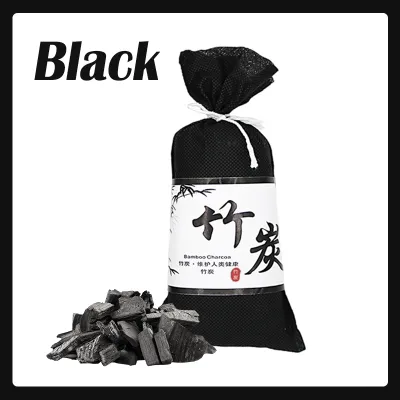
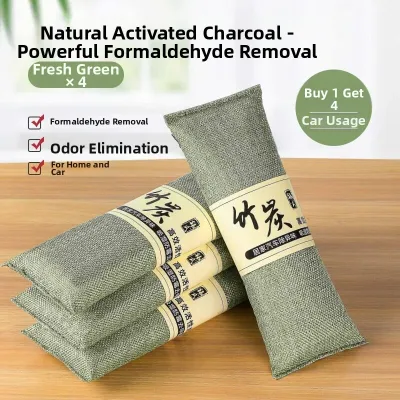
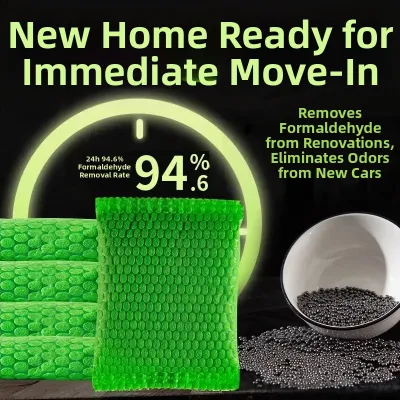
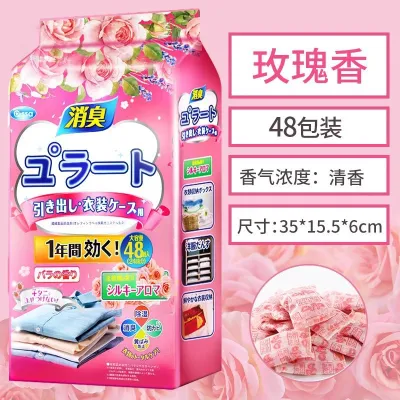
Prices are valid at publication and may change. Please refer to the product page for the latest price.
In Singapore, however, the air is heavily saturated with water vapour. Water molecules are highly polar and readily occupy the active adsorption sites within the carbon’s pore structure. This phenomenon, known as competitive adsorption, means that water vapour and odour-causing molecules are constantly competing for the same limited space. As the carbon bag absorbs moisture from the humid cabin air, its remaining capacity to trap actual odour molecules drops significantly, reducing its overall deodorising efficiency.
This issue is further compounded by the intense heat that builds up inside a vehicle parked outdoors. On a typical sunny afternoon, cabin temperatures can easily climb past 50 degrees Celsius. This elevated thermal energy increases the kinetic activity of the molecules already trapped inside the carbon pores. When the temperature rises sufficiently, it can trigger thermal desorption, causing the weak physical bonds to break and potentially releasing previously trapped odours and moisture back into the vehicle’s cabin air. Consequently, a carbon bag that seemed effective in the cool of the morning may lose its efficacy or even off-gas during the hottest parts of the day.
Assessing Effectiveness for Your Car Interior
To determine whether an activated carbon bag is the right solution for your vehicle, you must first identify the root cause of the odour. Carbon bags are highly effective at managing transient, surface-level smells, such as lingering food odours, pet dander, or mild mustiness from damp clothing. However, they are passive air treatment devices; they cannot resolve deep-seated issues like active mould growth inside the air conditioning evaporator, chemical off-gassing from low-grade aftermarket interior plastics, or persistent dampness caused by structural leaks.

You can evaluate how well your carbon bag is performing by monitoring a few observable conditions. A functioning bag should noticeably reduce minor, stale odours within 24 to 48 hours of being placed in a closed cabin. If you notice that the bag feels unusually heavy, stiff, or slightly damp to the touch, it is a clear indicator that the carbon has reached moisture saturation. Once saturated, the bag will cease to provide any deodorising benefit until it undergoes a proper drying and recharging process.
It is also important to recognize the physical limitations of passive adsorption in a stationary vehicle. Because these bags rely entirely on natural air currents to bring odour molecules into contact with the carbon surface, air purification happens very slowly in a closed, unventilated cabin. If your vehicle has an active water leak—such as a compromised door seal, a leaking windscreen, or a blocked air conditioning drain line—the rate at which moisture enters the cabin will vastly outpace the adsorption rate of any passive carbon bag, rendering it ineffective.
Maintenance and Recharging Routine for Tropical Weather
Because Singapore’s high humidity causes activated carbon to saturate rapidly, establishing a consistent maintenance routine is essential to keep the bags functioning. Recharging an activated carbon bag relies on thermal desorption, a process where heat is used to break the physical bonds holding the trapped water molecules and volatile compounds within the pores, allowing them to escape into the surrounding atmosphere.
To recharge the carbon effectively, place the bag in a location that receives direct, intense sunlight for at least three to five hours. The solar radiation heats the carbon particles, while the natural outdoor airflow carries away the desorbed moisture and gases. Simply placing the bag near an indoor window is rarely sufficient, as glass filters out a significant portion of solar energy and indoor air lacks the active circulation needed to carry the released moisture away from the bag.
While generic product instructions often suggest recharging carbon bags once every few months, Singapore’s climate demands a much tighter schedule. For optimal performance, you should expose the bags to direct sunlight every two to four weeks, or immediately after a prolonged period of heavy rain when cabin humidity levels are at their peak. If the vehicle is driven daily with multiple passengers, more frequent recharging may be necessary to combat the cumulative moisture from sweat and respiration.
During your regular maintenance checks, inspect the physical condition of the bag itself. Look for signs of fabric degradation, seam splitting, or fine black dust leaking from the weave, which indicates that the carbon granules are breaking down. If the outer fabric develops visible mould spots due to prolonged exposure to damp cabin corners, or if the bag retains a strong, sour smell even after a full day of sun exposure, the carbon has likely become permanently contaminated and the entire unit should be replaced.
Alternative Solutions When Activated Carbon Falls Short
When passive activated carbon bags are unable to keep your car interior smelling fresh, it is time to look at systemic solutions and active air treatment options. The first and most critical component to inspect is the cabin air filter. This filter is responsible for trapping dust, pollen, and spores before they enter the ventilation system. Over time, a dirty filter can trap moisture and become a breeding ground for mould, blowing musty air directly into the cabin every time you turn on the air conditioning. Refer to your vehicle owner’s manual for the exact location and replacement steps; if accessing the filter housing requires removing complex dashboard panels, consider consulting a qualified professional to avoid damaging interior clips.
Next, perform a thorough physical inspection of the cabin floorboards and boot space to rule out hidden moisture reservoirs. Lift the floor mats and press your hand firmly against the carpet to check for dampness, paying close attention to the footwells and the spare wheel well in the boot. If you find wet patches, you must locate and repair the underlying leak—such as a clogged air conditioning condensate drain or a degraded rubber weatherstrip—before attempting any odour removal, as no passive adsorbent can keep up with a continuous water leak.
For severe moisture issues, you may need to compare passive carbon bags with active chemical dehumidifiers or electronic air purifiers. Disposable chemical dehumidifiers containing calcium chloride are highly effective at actively pulling moisture out of the air, converting it into a liquid brine. While excellent for dry storage, they must be secured carefully in a vehicle to prevent corrosive liquid spills. Alternatively, electronic air purifiers equipped with true HEPA and active carbon filters use a powered fan to force cabin air through the filtration media. This active airflow makes them significantly faster and more efficient at clearing airborne particulates and stubborn odours than passive bags, though they require a continuous power source and occupy physical space within the cabin.
Frequently Asked Questions (FAQ)
How long does an activated carbon bag typically last in a humid car?
In Singapore’s humid climate, the overall lifespan of an activated carbon bag typically ranges from six to twelve months, depending on the volume of the cabin and the level of exposure to pollutants. While the carbon itself can theoretically be recharged multiple times, the microscopic pores gradually become clogged with non-desorptive compounds that cannot be removed by simple solar heating. Always monitor the bag for physical degradation and follow the manufacturer’s label guidelines; if the bag fails to eliminate mild odours even after a thorough session in direct sunlight, it has reached the end of its useful life and must be replaced.
Can I use silica gel instead of activated carbon for car moisture?
Silica gel and activated carbon serve entirely different primary functions, though both are porous materials. Silica gel is a highly efficient desiccant designed specifically to absorb water vapour from the air, and many varieties feature colour-changing indicator beads to signal when they are saturated. However, silica gel lacks the specific surface chemistry required to adsorb organic odour molecules. If your primary goal is to dry out a damp footwell, silica gel is the superior choice; if you need to eliminate musty smells, food odours, or VOCs, you must use activated carbon.
Will activated carbon remove heavy cigarette smoke from car interiors?
An activated carbon bag cannot completely remove heavy cigarette smoke odours on its own because tobacco smoke deposits a sticky, oily residue of tar and nicotine across every interior surface. While the carbon bag will help adsorb airborne smoke particles and reduce the immediate smell in the air, it cannot draw out the contaminants that have penetrated deep into the fabric seats, headliner, and carpets. Resolving severe smoke damage requires a comprehensive deep clean of all hard and soft surfaces using specialized upholstery cleaners, followed by a cabin air filter replacement, using the carbon bags only as a final maintenance step to keep the air fresh.

Community discussion
Share your experience or ask a question. Comments are reviewed before publication.