
Selecting the right dash cam for your vehicle in Singapore requires balancing high-resolution video capture with strict local regulatory compliance and thermal safety. While the 70mai A800S (and its A800SE variant) is a popular option among drivers looking for high-specification recording, it must be evaluated against other locally compliant alternatives. The ideal choice depends on how well a camera’s power requirements, mounting design, and heat resistance align with your specific vehicle and driving habits.
Rather than relying solely on brand popularity, drivers must look closely at how different models perform under local conditions. Singapore’s dense traffic, frequent stop-and-go driving, and intense tropical heat place unique demands on car electronics. By understanding the technical specifications and installation requirements of these devices, you can make an informed decision that protects both your vehicle and your legal standing on the road.
Understanding LTA Compliance for Dash Cams in Singapore
The Land Transport Authority (LTA) regulates vehicle modifications and accessories to ensure they do not compromise road safety or driver visibility. When shopping for a dash cam, you must verify that the device can be installed without violating these safety guidelines. A compliant installation means the camera must not obstruct the driver’s direct line of sight or interfere with the swept area of the windshield wipers.
Products mentioned in this guide
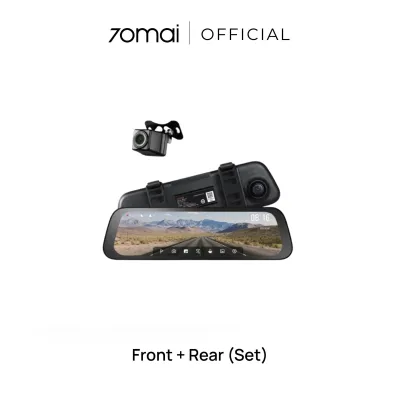
Prices are valid at publication and may change. Please refer to the product page for the latest price.
To ensure the device itself is legal for sale and use in Singapore, check for official compliance labels. Any dash cam that features wireless connectivity, such as Wi-Fi or Bluetooth for transferring footage to a smartphone, must comply with the standards set by the Info-communications Media Development Authority (IMDA). Look for the IMDA compliance label or registration mark on the product packaging, user manual, or official retailer documentation.
Mounting positions are critical for maintaining compliance during annual vehicle inspections at authorized centers. The camera should ideally be mounted behind the rearview mirror or high up on the passenger side of the windshield. If a camera is too large or positioned poorly, it may fail inspection, and you will be required to reinstall or replace it before your vehicle can be certified roadworthy.
Battery safety and electrical compliance are also vital considerations. Using non-compliant devices or poorly designed power kits can lead to electrical faults, which may void your motor insurance policy or complicate claims in the event of an accident. Insurers may scrutinize aftermarket accessories if an electrical fire or system failure is determined to have caused or contributed to an incident.
Key Specifications to Compare Beyond the Brand Name
When comparing the 70mai A800S or A800SE against other compliant dash cams, video resolution and low-light performance are primary considerations. The A800S offers 4K resolution, which provides highly detailed footage during the day. However, you must evaluate whether your typical driving routes require this level of detail, as higher resolutions generate larger files that demand faster, high-endurance memory cards.

Low-light performance is especially important for driving in multi-storey carparks, sheltered expressways, and during night hours. Look at the camera’s sensor specifications and lens aperture, typically denoted as an f-number like f/1.8 or f/2.0. A lower f-number indicates a wider aperture, which allows more light to reach the sensor, resulting in clearer footage in dark environments without relying on artificial software enhancement.
Advanced Driver Assistance Systems (ADAS) are frequently advertised features on modern dash cams, including the 70mai series. These systems provide alerts for lane departures and potential forward collisions. However, on Singapore’s highly congested roads where lane changes are frequent and motorcycles often filter through traffic, these alerts can become overly sensitive. Check the manufacturer’s documentation to see if the ADAS features can be calibrated, adjusted for sensitivity, or disabled entirely to prevent driver distraction.
Parking surveillance modes are another critical area of comparison. Some dash cams offer continuous time-lapse recording, while others remain in a low-power standby state and only record when a built-in G-sensor detects a physical impact. Compare the power draw specifications of these modes, as continuous recording requires a constant power supply that can put a significant strain on your vehicle’s starter battery over extended periods.
If you choose a dual-channel setup (front and rear cameras), pay close attention to how the rear camera cable is routed. The installation must not interfere with the deployment of side curtain airbags. Verify the routing path with your installer to ensure the cables are run behind the airbag modules rather than across them, preserving your vehicle’s safety systems.
Installation, Power, and Maintenance Requirements
The method you choose to power your dash cam directly affects its functionality and your vehicle’s electrical integrity. While using a standard cigarette lighter adapter is simple and safe for DIY installation, it typically only powers the camera when the ignition is turned on. To enable parking surveillance modes, you must use a dedicated hardwiring kit that connects directly to the vehicle’s fuse box.
Hardwiring involves tapping into the vehicle’s electrical system, which introduces specific safety boundaries. Improper installation can lead to short circuits, battery drain, or damage to sensitive electronic control units. Always consult your vehicle’s original owner’s manual for specific instructions regarding aftermarket electrical accessories, and have the hardwiring kit installed by a qualified automotive professional to ensure your vehicle’s factory warranty remains intact.
The internal power design of the dash cam is another crucial factor for Singapore’s tropical climate. Dash cams generally use either built-in lithium-ion batteries or supercapacitors to save the final video file when the vehicle is turned off. Supercapacitors are highly resilient to extreme heat and are less likely to degrade, swell, or fail when the vehicle is parked in direct sunlight. Check the manufacturer’s specified operating temperature range to confirm the device can handle high cabin temperatures.
Maintenance of your dash cam centers largely on the storage media. High-resolution video recording subjects microSD cards to continuous write cycles, which can cause rapid wear. Ensure you use a high-endurance memory card rated for continuous video monitoring (such as MLC-based cards). Check the manufacturer’s recommended formatting schedule—often once every few weeks—and plan to replace the memory card periodically to prevent critical data loss.
Decision Framework: Which Setup Fits Your Driving Needs?
To choose the right dash cam setup, you must evaluate your vehicle’s specific characteristics and your daily driving patterns. The 70mai A800S or A800SE is a suitable choice if you prioritize high-resolution dual-channel recording and your vehicle’s battery system can comfortably support its hardwiring kit. Ensure you have sufficient physical space behind your rearview mirror to accommodate its mounting bracket without obstructing your view.
Alternative LTA-compliant brands may be more appropriate if you require a highly discreet form factor, such as cylindrical cameras without built-in screens that blend seamlessly into the windshield area. You might also prefer alternatives if you want native integration with your vehicle’s existing infotainment system, or if you require a model that utilizes a supercapacitor for maximum thermal reliability when parked regularly in unsheltered, open-air carparks.
Before making a final purchase, perform a thorough compatibility check on your vehicle. Inspect the windshield for any metallic solar films or heavy tinting, as these materials can block or severely degrade GPS signals for dash cams with internal GPS antennas. If your vehicle is equipped with advanced safety sensors or cameras near the rearview mirror, verify that the dash cam’s mounting position will not interfere with their field of view or operation.
Finally, review your vehicle’s warranty terms. Some manufacturers and local distributors in Singapore have strict policies regarding any modifications to the fuse box or electrical wiring. If your vehicle is under a new-car warranty, consult the dealer to verify if they require a specific brand of dash cam or if they mandate installation by their authorized service centers to keep your warranty fully active.
Frequently Asked Questions (FAQ)
Do all dash cams sold in Singapore automatically have LTA approval?
No. The general availability of a dash cam on online marketplaces or in local retail shops does not guarantee that it complies with local regulations. While the Land Transport Authority (LTA) does not issue individual approval certificates for every consumer accessory, they strictly enforce rules regarding windshield obstruction and vehicle safety. Additionally, any dash cam with wireless features must be registered with the IMDA. Always verify the importer’s credentials and check for the IMDA compliance label before purchasing.
How does the 70mai A800S handle high cabin temperatures?
The 70mai A800S utilizes a built-in lithium-ion battery to power its internal clock and safely save files when the main power source is disconnected. Because lithium-ion batteries are sensitive to high temperatures, you should check the exact operating and storage temperature ranges listed in the official product manual. If you frequently park your vehicle in unsheltered, open-air carparks under direct sunlight in Singapore, consider parking in shaded areas or look for alternative dash cam models that utilize supercapacitors, which are designed to handle higher thermal thresholds without the risk of battery degradation.
Community discussion
Share your experience or ask a question. Comments are reviewed before publication.