
Choosing between a dedicated 4G GPS car tracker and a smartphone tracking app depends entirely on your primary goal. If you need reliable theft recovery, continuous monitoring while parked, or fleet management, a dedicated hardware tracker is the necessary choice. If you only need to monitor a temporary borrower, supervise a new driver, or test basic location sharing without buying new hardware, a phone app may suffice. There is no universal winner; the right solution is determined by how the vehicle is used, where it is parked, and what risks you need to mitigate.
For vehicle owners in Singapore, navigating dense urban environments, multi-story car parks, and underground facilities requires a clear understanding of how these tracking methods perform under pressure. While both systems leverage global positioning satellites to pinpoint coordinates, their hardware designs, power sources, and operational limits differ significantly. Evaluating these differences ensures you select a system that remains active when you need it most.
Core Differences in Tracking Mechanisms
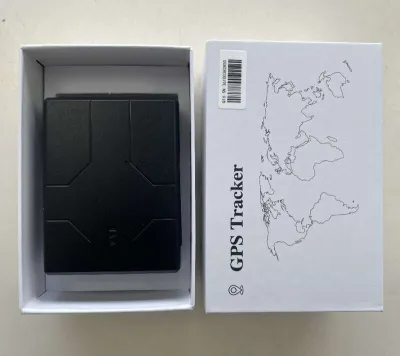
A dedicated 4G GPS car tracker operates as an independent hardware system designed solely for vehicle telemetry. It features a dedicated GPS receiver, an internal or external antenna optimized for satellite reception, and a cellular module that utilizes a separate SIM card to transmit data. Because its entire architecture is built for a single purpose, the device does not share processing power, memory, or battery resources with other applications, ensuring a stable and uninterrupted data stream.
Products mentioned in this guide
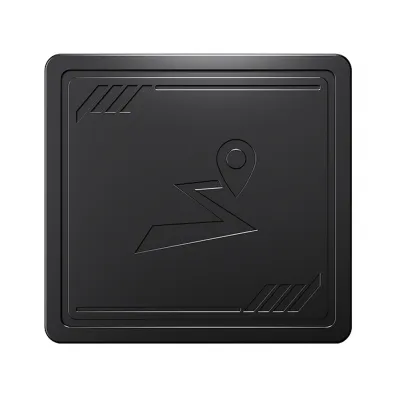
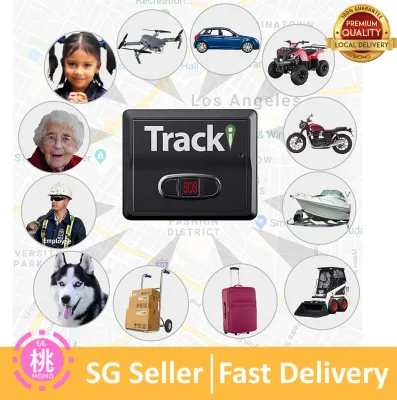
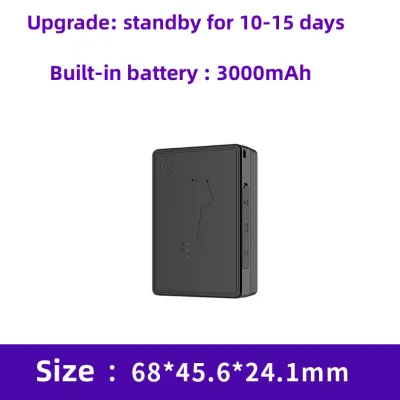
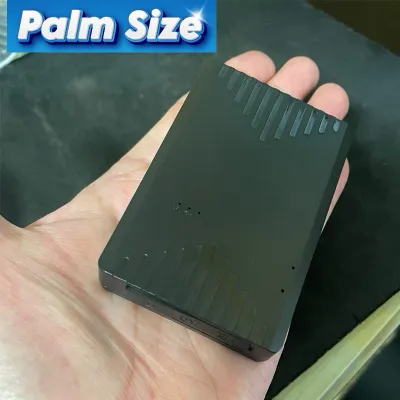
![7-STAR* Smart GPS Tracker 4G/5G SIM Card with 1500mAh to 10000mAh Built in Battery (APP:OCTrack)[GPS-QB]](https://img.lazcdn.com/g/p/1eea4b3a83bcb25586d1d928418dcc06.png_400x400q80.png_.webp)
Prices are valid at publication and may change. Please refer to the product page for the latest price.
In contrast, smartphone tracking apps rely entirely on the host phone’s internal GPS chip, battery life, and active cellular data connection. A smartphone is a multi-purpose device that prioritizes user interaction, voice calls, and operating system stability over background location tracking. Consequently, the tracking app must compete with other background processes for system resources, which can lead to delayed updates or sudden app suspension.
The most critical vulnerability of phone-based tracking is the risk of physical separation. If the driver removes the phone from the vehicle, turns it off, or leaves it behind, the tracking capability ceases instantly. A dedicated car tracker, however, is physically installed or hidden within the vehicle’s structure, ensuring that the tracking system remains with the asset regardless of the driver’s actions or personal device status.
Reliability and Accuracy in Real-World Conditions
Singapore’s unique urban landscape presents distinct challenges for GPS tracking, characterized by high-rise residential estates, deep underground shopping mall car parks, and multi-story HDB parking structures. In these environments, satellite signals can reflect off concrete walls or fail to penetrate subterranean levels entirely. A dedicated 4G GPS car tracker often utilizes high-sensitivity GPS modules and assisted GPS (A-GPS) technology to maintain a location lock or quickly re-acquire signals when exiting covered areas.

Smartphone apps frequently struggle in these covered environments due to aggressive operating system power-saving modes. When a phone detects that it is stationary or inside a building, it may reduce GPS polling intervals or rely on weaker Wi-Fi and cellular tower triangulation to save battery. This can result in inaccurate location reports, showing the vehicle blocks away from its actual parking spot.
Furthermore, a dedicated tracker continues to monitor the vehicle even when the engine is turned off and the car is parked for extended periods. It can enter a low-power sleep mode and wake up instantly upon detecting movement via an internal accelerometer. A smartphone app cannot provide this continuous parked monitoring unless a dedicated phone is permanently left in the vehicle—a practice that introduces severe safety risks, such as battery swelling or thermal runaway under the intense tropical heat of Singapore.
Concealment is another major factor. Dedicated trackers are small, black boxes tucked away behind the dashboard or within the trunk, making them virtually invisible. A smartphone used for tracking is highly visible, typically mounted on the windscreen, making it an easy target for removal.
Installation, Power, and Maintenance Requirements
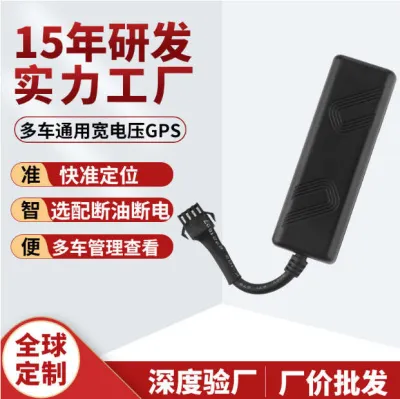
Implementing a dedicated 4G GPS car tracker requires choosing between hardwired, OBD-II, or battery-powered plug-in models. Hardwired trackers offer the most secure and permanent connection, drawing power directly from the vehicle’s electrical system. However, because this involves tapping into the vehicle’s wiring harness, you must verify compatibility with your specific vehicle model and year by consulting the manufacturer’s documentation. To prevent electrical faults, short circuits, or voiding your manufacturer warranty, hardwired installations should always be performed by a qualified automotive technician.
OBD-II trackers offer a simpler plug-and-play alternative, inserting directly into the vehicle’s diagnostic port. While easier to install, they remain visible and can be easily unplugged by anyone inside the cabin. Regardless of the hardware type, you must account for long-term maintenance costs, which include maintaining an active SIM card with a dedicated data plan to transmit location coordinates over the 4G network.
Smartphone tracking apps eliminate specialized hardware installation but introduce severe power management challenges. Running GPS and cellular data continuously causes rapid battery drain, requiring a constant charger connection. Over time, this continuous charging combined with background processing can cause the smartphone to overheat under direct sunlight on a Singapore dashboard, leading to thermal shutdowns.
Additionally, mobile operating systems frequently update their background running restrictions to protect user privacy and battery health. These updates can unexpectedly terminate tracking apps or restrict their access to location services when the screen is locked. To maintain consistent tracking, users must manually configure app permissions, disable battery optimization, and regularly verify that the app has not been closed by the operating system.
Feature Comparison for Vehicle Monitoring
When evaluating these two solutions, it is essential to compare their specific feature sets against your monitoring goals. Dedicated 4G GPS trackers typically offer highly customizable update frequencies, ranging from real-time updates every few seconds to periodic pings every few hours to conserve battery. They also provide robust historical route playback, allowing you to review detailed driving paths, idle times, and precise speed logs over several months via a dedicated web portal or mobile app.
Advanced security features are where dedicated hardware excels. Many models include tamper alerts that trigger instant notifications if the device is disconnected or if the vehicle’s main battery power is cut. Some hardwired systems support remote engine immobilization via an app. However, remote immobilization carries significant safety risks; it must strictly comply with local safety regulations, require professional installation, and only be activated when the vehicle is confirmed to be stationary.
Smartphone apps, while capable of basic geofencing and location sharing, generally lack hardware-level tamper alerts or vehicle integration. They rely on the phone’s internal sensors to estimate speed and detect sudden movements, which can be less accurate than a tracker connected directly to the vehicle’s OBD-II diagnostics.
| Feature | Dedicated 4G GPS Tracker | Smartphone Tracking App |
|---|---|---|
| Power Source | Vehicle battery or dedicated internal battery | Phone battery (requires frequent charging) |
| Installation | Hardwired (professional recommended) or OBD-II | App download only (no tools required) |
| Concealment | High (hidden behind panels or under dashboard) | Low (highly visible on mounts or console) |
| Tamper Alerts | Yes (notifies if unplugged or power is cut) | No (app can be closed or uninstalled easily) |
| Parked Monitoring | Continuous (low-power standby with motion wake) | Limited (stops if phone leaves the vehicle) |
| Data Costs | Dedicated SIM card subscription required | Uses existing phone mobile data plan |
How to Choose the Right Tracking Solution
Your final choice should align with your specific use case, risk tolerance, and operational requirements. A dedicated 4G GPS car tracker is the superior choice if your primary objective is theft recovery, long-term parked vehicle security, or managing a commercial fleet driven by multiple employees. The permanent installation ensures the device is always active, hidden, and ready to transmit coordinates in an emergency, providing peace of mind when the vehicle is parked in unfamiliar areas.
Conversely, a smartphone tracking app is highly suitable for temporary or low-risk scenarios. If you occasionally lend your car to a family member, want to supervise a teenage driver who already carries a smartphone, or simply want to test basic location sharing without upfront hardware costs, an app provides a convenient, zero-installation solution. This approach works well when there is mutual trust and no immediate threat of vehicle theft.
Before deploying either solution in Singapore, you must verify compliance with local privacy regulations, such as the Personal Data Protection Act (PDPA). Tracking a vehicle without the explicit consent of the driver can lead to legal complications, especially in commercial or shared-use scenarios. Additionally, if you opt for a hardwired tracker, check with your motor insurer to ensure that the installation is performed by a certified professional, as unauthorized electrical modifications can sometimes affect your insurance coverage or claim validity.
Frequently Asked Questions (FAQ)
Can I rely on a phone tracking app for vehicle theft recovery?
No, relying on a smartphone app for theft recovery is highly risky and generally ineffective. If your vehicle is stolen, a thief will immediately spot any smartphone left in the cabin, whether it is mounted on the dashboard or sitting in the console. They can easily turn the phone off, throw it out of the window, or place it in a signal-blocking pouch, instantly terminating your tracking capability. A dedicated 4G GPS car tracker, however, is designed to be deeply concealed within the vehicle’s bodywork or wiring. This makes it extremely difficult for a thief to locate and disable quickly, allowing the device to continue transmitting silent, real-time location updates to help law enforcement recover your vehicle.
Do 4G GPS car trackers drain the vehicle's battery?
While dedicated trackers draw power from the vehicle’s battery, they are engineered to minimize power consumption. Most modern 4G GPS trackers feature an intelligent standby mode that activates when the vehicle is stationary, reducing the current draw to a negligible level (often under 10 milliamperes). However, if a vehicle is left parked and unused for several weeks, even a small parasitic drain can eventually weaken an older or degraded car battery. To prevent this, look for trackers equipped with a low-voltage cutoff feature, which automatically shuts down the tracker if the vehicle’s battery drops below a safe threshold. For absolute peace of mind, have the tracker installed by a certified automotive professional who can ensure it is wired correctly to an ignition-switched or properly fused power source.
Community discussion
Share your experience or ask a question. Comments are reviewed before publication.